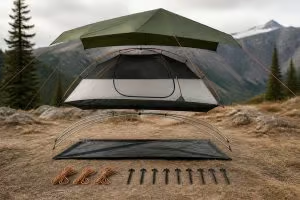
Choosing the right shelter for your family camping adventures requires careful consideration of size, durability, and functionality. Six person tents have emerged as the most versatile option for families and small groups seeking comfortable outdoor accommodation. These shelters strike an ideal balance between spacious living areas and manageable setup requirements, making them popular among both seasoned campers and newcomers to outdoor recreation. Understanding what makes a quality six person tent helps you invest wisely in gear that will serve your adventures for years to come.
The term "six person" can be misleading when shopping for camping shelters. Manufacturers calculate capacity by measuring floor area and dividing by the space needed for one sleeping bag, typically around 60 centimeters wide. This mathematical approach doesn't account for gear storage, movement space, or realistic comfort levels.
Most camping experts recommend sizing up when selecting tents. A tent marketed as sleeping six people comfortably accommodates four adults with gear, or two adults with three to four children. This realistic approach ensures everyone has adequate personal space and room for belongings.
Practical capacity considerations include:
Floor dimensions matter more than advertised capacity. Quality 6 person tents typically measure between 3 meters by 3 meters to 3.5 meters by 4 meters. Peak height ranges from 1.8 to 2.1 meters, allowing most adults to stand upright in the center section.
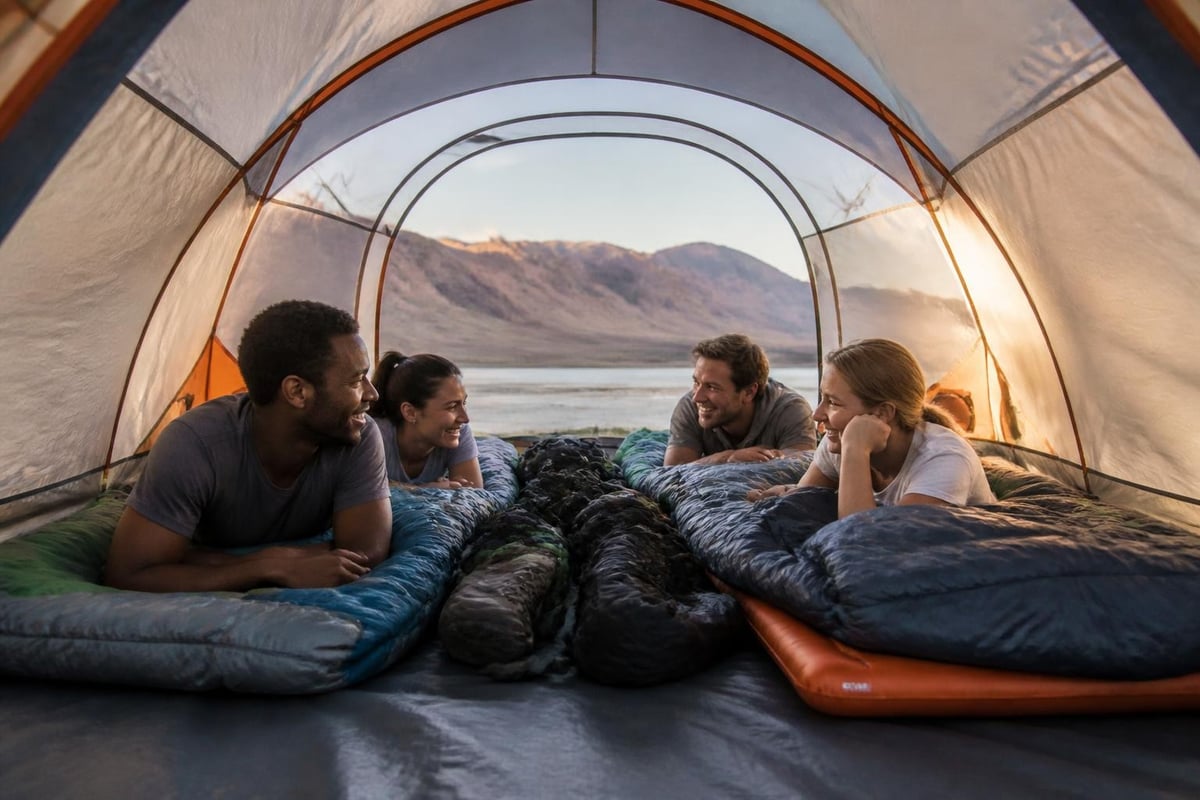
Durability and weather resistance separate exceptional tents from mediocre options. When evaluating 6 person tents, focus on materials, construction techniques, and design elements that enhance performance in challenging conditions.
Tent fabrics fall into two primary categories: synthetic materials and natural canvas. Each offers distinct advantages depending on your camping style and environmental conditions. Synthetic tents typically use polyester or nylon with polyurethane coatings, measured in millimeters of water column resistance. Quality options feature minimum 3000mm ratings for rainflies and 5000mm ratings for floor materials.
Canvas tents provide superior breathability and durability for extended camping trips. The natural fiber construction regulates interior temperature more effectively than synthetic alternatives. Canvas also develops enhanced water resistance over time as fibers swell when wet, naturally sealing the weave.
| Feature | Synthetic Tents | Canvas Tents |
|---|---|---|
| Weight | 8-15 kg | 20-35 kg |
| Waterproofing | Coating-dependent | Natural fiber swelling |
| Breathability | Moderate | Excellent |
| Lifespan | 3-7 years | 15-25 years |
| Setup Time | 10-20 minutes | 20-40 minutes |
Frame design directly impacts stability and ease of setup. Modern 6 person tents employ several pole configurations:
Aluminum poles provide the best strength-to-weight ratio, while fiberglass options reduce costs but sacrifice durability. Premium models incorporate color-coded pole sleeves and clips, streamlining the setup process for larger tents.
Understanding seasonal ratings helps match your tent to expected weather conditions. This classification system guides appropriate use throughout the year.
Three-season tents dominate the market for 6 person tents, designed for spring through autumn use. These shelters prioritize ventilation, feature larger mesh panels, and use lighter fabrics. They handle moderate rain and wind effectively but struggle with heavy snow loads or extreme cold.
Four-season tents incorporate reinforced poles, minimal mesh, and stronger fabrics capable of withstanding winter storms. The trade-off involves increased weight and reduced ventilation. Most families find three-season models sufficient for their camping needs.
Selecting appropriate seasonal ratings:
South African camping conditions vary dramatically from coastal humidity to highveld temperature extremes. Expert reviews of popular six person tents emphasize matching tent specifications to your primary camping locations.
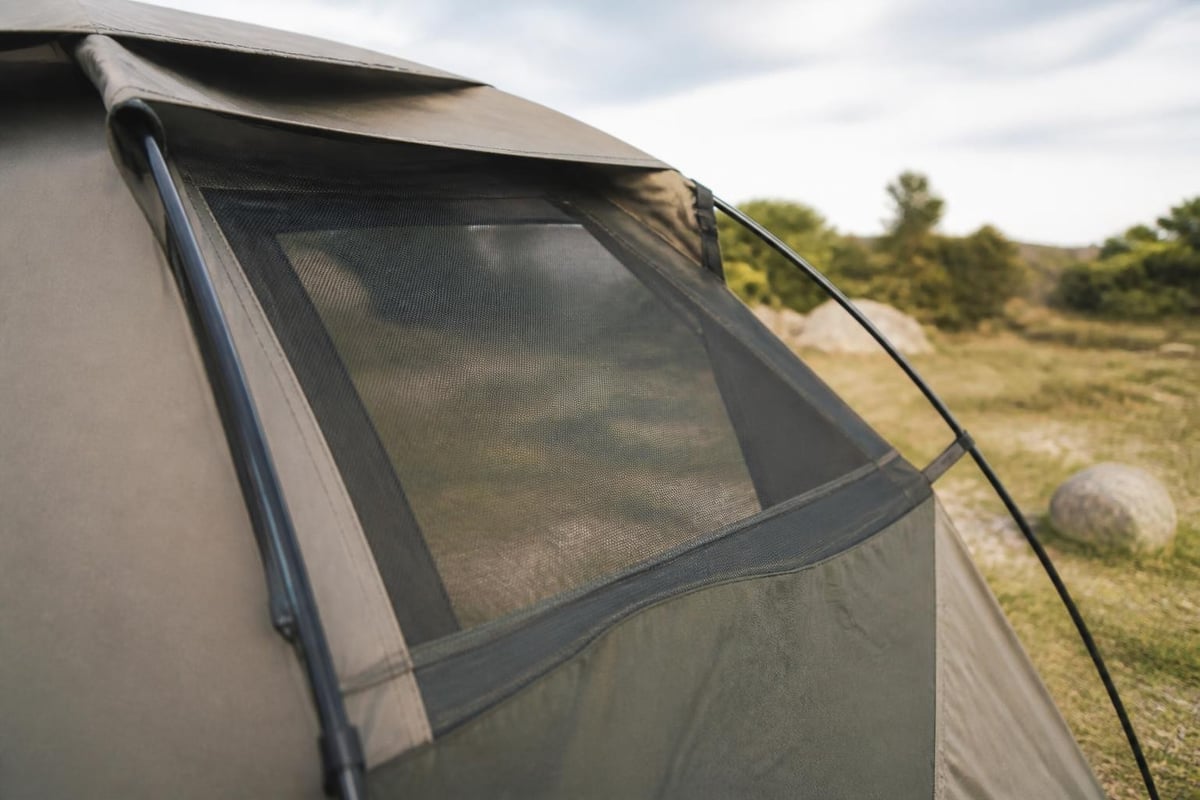
Proper airflow prevents condensation buildup that creates uncomfortable, damp sleeping conditions. Six adults breathing in an enclosed space generate significant moisture requiring effective ventilation design.
Quality 6 person tents incorporate multiple ventilation points working together to create cross-flow air circulation. Roof vents allow warm, moist air to escape while ground-level vents draw fresh air inward. This convection pattern maintains comfortable interior conditions.
Adjustable vents offer flexibility across weather conditions. During rainy periods, protected vent designs allow airflow while preventing water entry. Mesh panels covered by rainfly vestibules create ideal ventilation zones.
Manufacturers increasingly incorporate low vents near the floor, high vents near the peak, and window systems with variable mesh and privacy panels. This multi-level approach addresses condensation more effectively than single-point ventilation.
Living comfortably in a tent for multiple days requires thoughtful interior organization. Modern 6 person tents transform basic shelter into functional living spaces through clever design features.
Mesh pockets sewn into walls provide convenient storage for small items like headlamps, phones, and personal accessories. Gear lofts suspended from ceiling attachment points create overhead storage for clothing and equipment, maximizing floor space.
Room dividers convert open floor plans into semi-private sleeping zones. This feature particularly benefits families with older children or groups of friends sharing accommodation. Removable dividers offer layout flexibility.
Essential livability features include:
Vestibule areas provide protected gear storage outside the sleeping area. Double-door designs with dual vestibules accommodate more equipment and offer convenient entry points from different sides.
Installation efficiency impacts your camping experience, especially after long travel days or when weather deteriorates. Understanding setup procedures helps evaluate whether specific 6 person tents suit your needs.
Traditional pole-sleeve tents require methodical assembly. Detailed setup instructions emphasize preparation steps that streamline installation:
Instant or pop-up designs reduce setup time dramatically, assembling in as little as sixty seconds. These models incorporate pre-attached poles that unfold with the tent body. While convenient, instant tents typically sacrifice some durability and cost significantly more than traditional designs.
Practice setup at home before your camping trip. Familiarity with your specific model prevents frustration and errors when establishing camp after dark or in adverse weather.
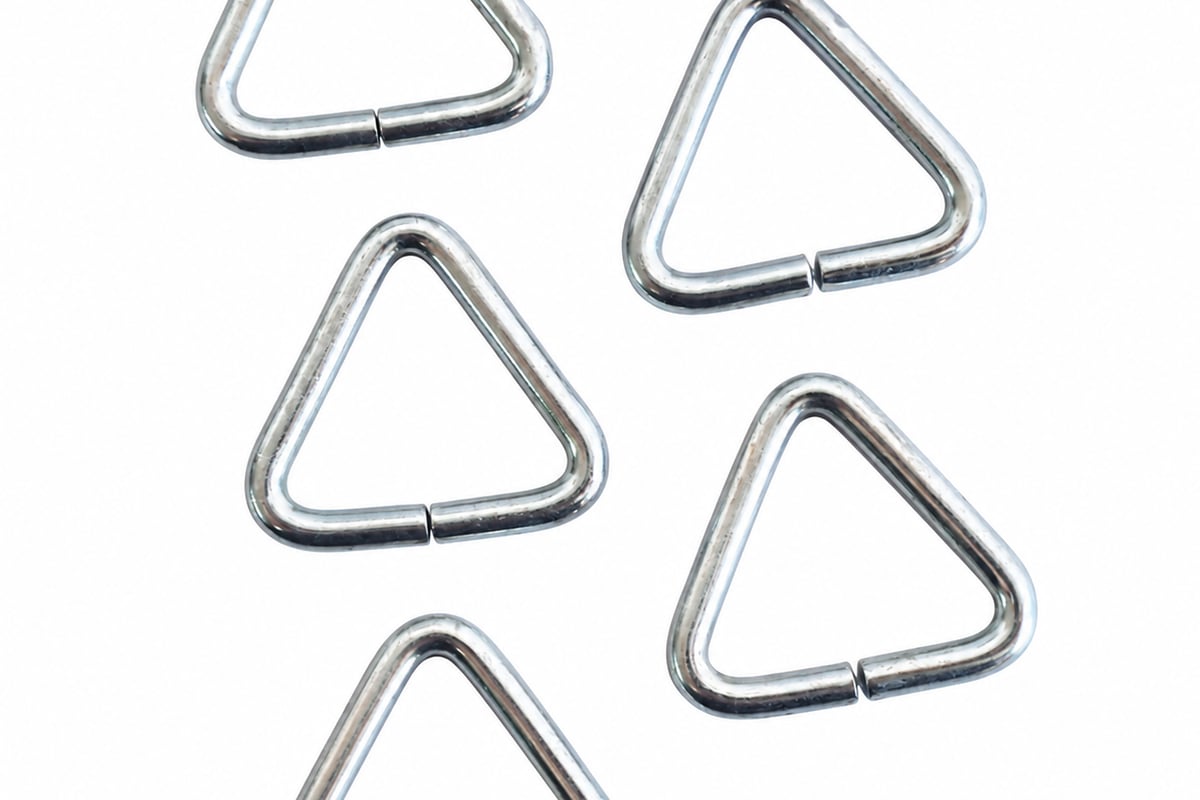
When securing your tent, proper staking makes the difference between a stable shelter and a collapsed mess. Heavy duty tent hooks and fasteners ensure reliable anchoring in various soil conditions. Heavy Duty Tent Hooks & Metal Fasteners provide the robust connections necessary for keeping larger tents secure during windy conditions.
The 6 person tent market offers options spanning budget-friendly to premium categories. Understanding what differentiates price tiers helps identify the best value for your requirements and budget.
Entry-level models typically retail between R1,500 and R3,500. These tents provide basic weather protection using polyester fabrics and fiberglass poles. Budget family tents like the Coleman Sundome 6 offer reliable performance for occasional weekend camping.
Budget options sacrifice advanced features like vestibules, premium materials, and enhanced ventilation. They work well for families testing their interest in camping before making significant investments.
Mid-tier 6 person tents range from R4,000 to R8,000, incorporating aluminum poles, improved fabrics, and better design features. These models balance cost against performance, durability, and comfort.
This category includes established brands offering proven designs with adequate warranty coverage. Features expand to include color-coded setup systems, gear lofts, and room dividers.
High-end options exceed R10,000, delivering exceptional materials, innovative designs, and extensive features. Premium models like the MSR Habitude 6 incorporate advanced fabrics, superior pole systems, and thoughtful design details.
| Price Category | Typical Features | Best For |
|---|---|---|
| Budget (R1,500-R3,500) | Basic weatherproofing, fiberglass poles | Occasional weekend camping |
| Mid-Range (R4,000-R8,000) | Aluminum poles, room dividers, vestibules | Regular family camping trips |
| Premium (R10,000+) | Advanced fabrics, innovative designs, extended warranties | Serious outdoor enthusiasts |
Proper care extends tent lifespan significantly, protecting your investment and ensuring reliable performance across many camping seasons. Maintenance requirements vary by material type but follow common principles.
Never pack a wet tent for extended storage. Moisture trapped in fabric promotes mildew growth, fabric degradation, and unpleasant odors. After each trip, set up your tent at home allowing complete drying before storage.
Clean tents using mild soap and cool water, avoiding harsh detergents that damage waterproof coatings. Spot-treat stains rather than washing entire tent bodies. Floor areas accumulate the most dirt and benefit from regular cleaning.
Essential maintenance tasks include:
Store tents loosely packed in breathable bags rather than compressed in stuff sacks. This prevents permanent creasing and allows residual moisture to dissipate. Climate-controlled storage spaces prevent extreme temperature damage.
Carry basic repair supplies on camping trips. Pole splints, fabric patches, and seam sealer address common issues without ending your adventure prematurely. Learn simple field repairs before problems occur during remote camping.
Small tears in fabric respond well to adhesive patches applied to both interior and exterior surfaces. Bent poles require splinting using extra pole sections or metal tubing. Broken zipper sliders usually need replacement, though temporary fixes using safety pins work briefly.
Your camping patterns should drive tent selection decisions. Weekend warriors have different requirements than extended backcountry adventurers or families planning long safari experiences.
Most 6 person tents target car camping scenarios where weight concerns are minimal. These designs prioritize interior space, comfort features, and durability over pack weight. Car camping allows larger, heavier tents that would prove impractical for backpacking.
Backpacking a tent for six people requires dividing components among group members. Even lightweight models typically exceed 10 kilograms, making them suitable only for base camp scenarios rather than mobile backcountry use.
Canvas 6 person tents excel for extended camping trips, semi-permanent installations, or safari camps. The superior breathability and durability justify increased weight and cost for longer stays. Safari operators and luxury camping operations frequently choose canvas construction for its longevity and comfort.
If you're planning immersive safari experiences across various African destinations, investing in durable canvas shelters provides reliable accommodation that maintains comfortable interior conditions across diverse climates.
Height matters significantly for extended stays. Cabin-style designs with near-vertical walls create more usable interior volume than dome configurations. Reviews highlighting headroom and interior space emphasize these factors for family comfort.
Consider dome tent options if you prioritize stability in windy conditions while maintaining good interior space. Dome structures distribute wind forces effectively, reducing stress on poles and fabric.
Basic tent packages provide essential shelter, but accessories enhance comfort, functionality, and protection. Strategic accessory selection improves your camping experience without breaking your budget.
Footprints or groundsheets protect tent floors from abrasion, punctures, and moisture. Custom-fitted footprints sized specifically for your tent model work best, though generic tarps serve adequately when cut to appropriate dimensions.
Sleeping pads and air mattresses provide insulation from cold ground while cushioning sleepers. In six person configurations, dedicated sleeping areas for each occupant prevent pad migration and improve comfort.
Shade structures erected over tents reduce interior temperatures during hot weather camping. Simple tarps suspended above the rainfly create air gaps that dramatically improve comfort in sunny conditions.
For South African camping where sun intensity challenges comfort, additional shade makes the difference between pleasant accommodation and sweltering conditions. Quality tents incorporate reflective rainfly treatments, but external shade provides superior temperature control.
Useful accessory categories:
Synthesizing all considerations helps identify the ideal 6 person tent for your specific requirements. Creating a decision matrix scoring potential options against your priorities streamlines the selection process.
Weight your decision factors based on personal preferences. Someone camping primarily in established campgrounds prioritizes different features than adventurers seeking remote wilderness experiences. Family groups with young children need different layouts than adult friend groups.
Comprehensive guides comparing top six person tents provide side-by-side specifications helping narrow choices. Focus on tents meeting your core requirements before comparing secondary features.
Test setup procedures if possible. Retailers sometimes allow practice assembly, revealing whether specific designs suit your comfort level. Complex pole configurations frustrate some users while others appreciate the engineering efficiency.
Read owner reviews focusing on long-term performance rather than initial impressions. Tents reveal their true quality after multiple seasons of use, exposure to various weather conditions, and repeated setup cycles.
Budget appropriately for quality that matches your usage frequency. Occasional campers don't need premium expedition tents, while regular outdoor enthusiasts benefit from superior materials and construction justifying higher costs.
Selecting the right shelter for family camping adventures involves balancing capacity, features, durability, and budget considerations. Understanding how 6 person tents actually accommodate groups, recognizing quality construction markers, and matching seasonal ratings to your camping patterns ensures years of reliable outdoor enjoyment. Whether you're planning weekend getaways or extended wilderness stays, investing in appropriate shelter creates the foundation for memorable camping experiences. Ejenti Outdoor specializes in durable tents and outdoor solutions designed for South African conditions, offering canvas tents, camping gear, and expert guidance to help you select the perfect shelter for your adventures.