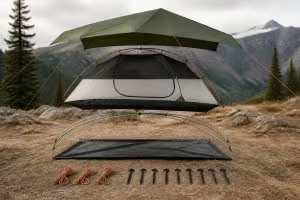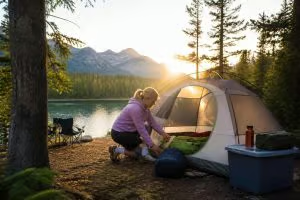
Planning a camping trip for your family or a small group requires careful consideration of your shelter choice. 4 person tent camping offers the perfect balance between space and portability, providing enough room for families with young children or small groups of friends without the bulk of larger models. Understanding how to select, set up, and maximize your tent's potential transforms outdoor adventures from challenging to comfortable, especially when facing South Africa's diverse weather conditions.
The "4 person" label on tents can be misleading. Manufacturers typically calculate capacity based on fitting four sleeping bags side by side with absolutely no gear inside.
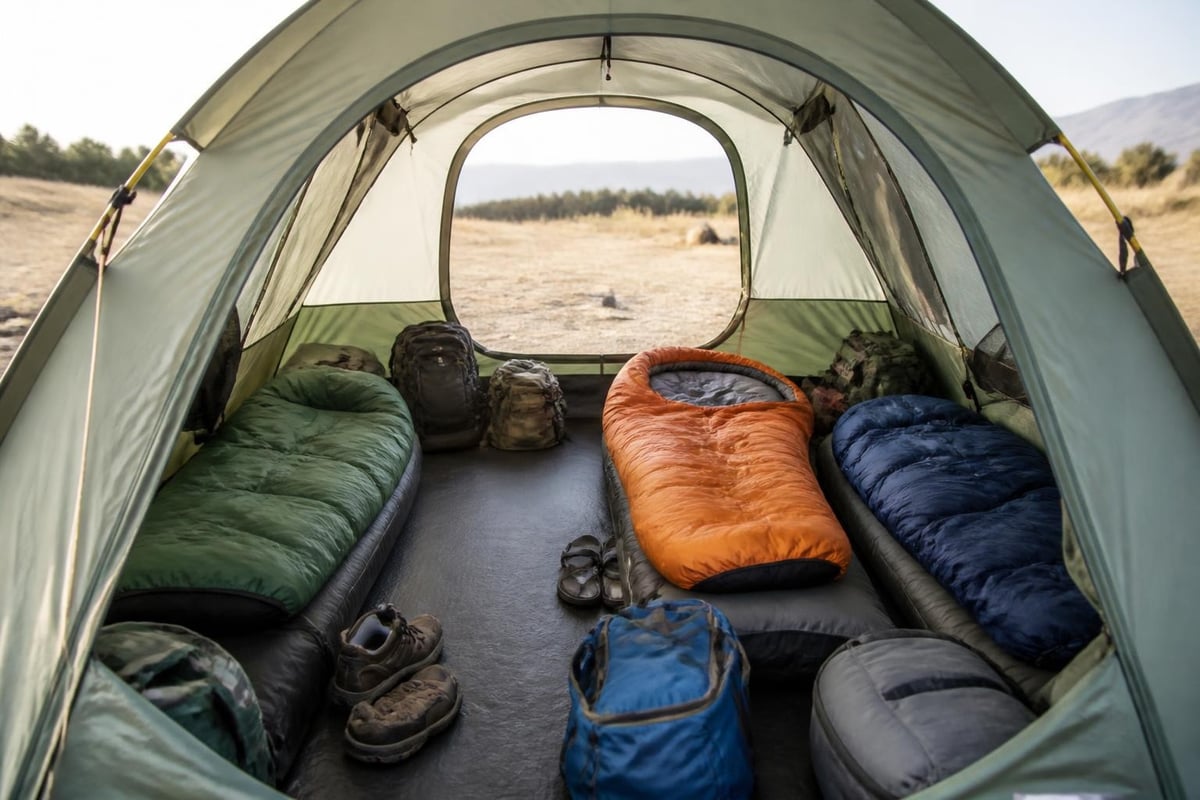
In reality, tent capacity ratings can be quite misleading, and most experienced campers recommend a different approach. A tent marketed for four people comfortably sleeps two to three adults with gear, or two adults with two small children plus backpacks and equipment.
When evaluating 4 person tent camping options, consider the actual floor dimensions rather than the person rating. A quality four-person tent typically measures between 80 to 100 square feet of floor space.
Floor space breakdown for realistic use:
Peak height matters significantly for livability. Models with center heights of 5 feet or more allow adults to sit up comfortably and change clothes without contorting themselves. Lower profile tents work better in windy conditions but sacrifice comfort during extended stays.
Selecting the right tent involves evaluating multiple design elements that impact your camping experience. Weather resistance, ventilation, and structural integrity determine whether your shelter performs adequately or fails when conditions deteriorate.
South African camping conditions demand specific weatherproofing considerations. The country's climate ranges from coastal humidity to dry interior heat and sudden mountain storms.
| Feature | Purpose | What to Look For |
|---|---|---|
| Rain Fly | Primary water barrier | Full coverage extending past tent body |
| Seam Sealing | Prevents leak points | Factory-sealed or tape-sealed seams |
| Floor Material | Ground moisture barrier | Bathtub-style floor, minimum 3000mm waterproof rating |
| Fabric Weight | Durability vs. portability | 300-550 GSM for extended use, lighter for backpacking |
Ripstop canvas fabric provides excellent durability for family camping and safari applications. This material resists tearing when punctured and maintains breathability that synthetic fabrics cannot match. Canvas tents regulate internal temperature better than nylon alternatives, staying cooler during hot days and retaining warmth at night.
Proper airflow prevents condensation buildup that leaves you damp even without rain. Quality four-person tents include multiple ventilation points:
During summer camping in the Kruger region or coastal areas, ventilation becomes critical. A well-ventilated tent can maintain internal temperatures 10-15 degrees cooler than poorly designed models. Look for tents designed specifically for warm climates when planning trips to hotter regions.
Successful 4 person tent camping begins before you unpack your shelter. Site selection and proper setup techniques prevent problems and maximize comfort throughout your stay.
Evaluate potential sites using these criteria:
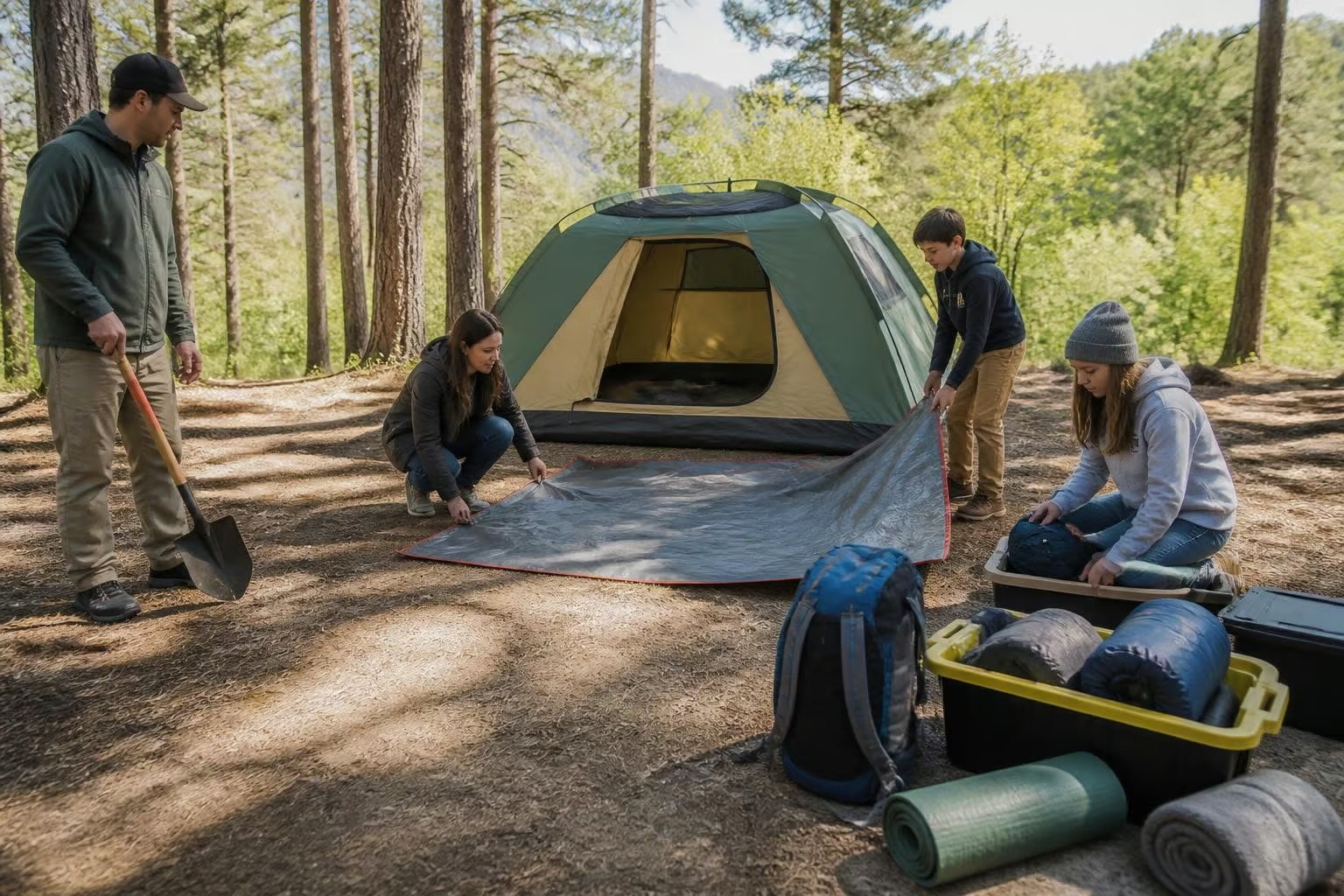
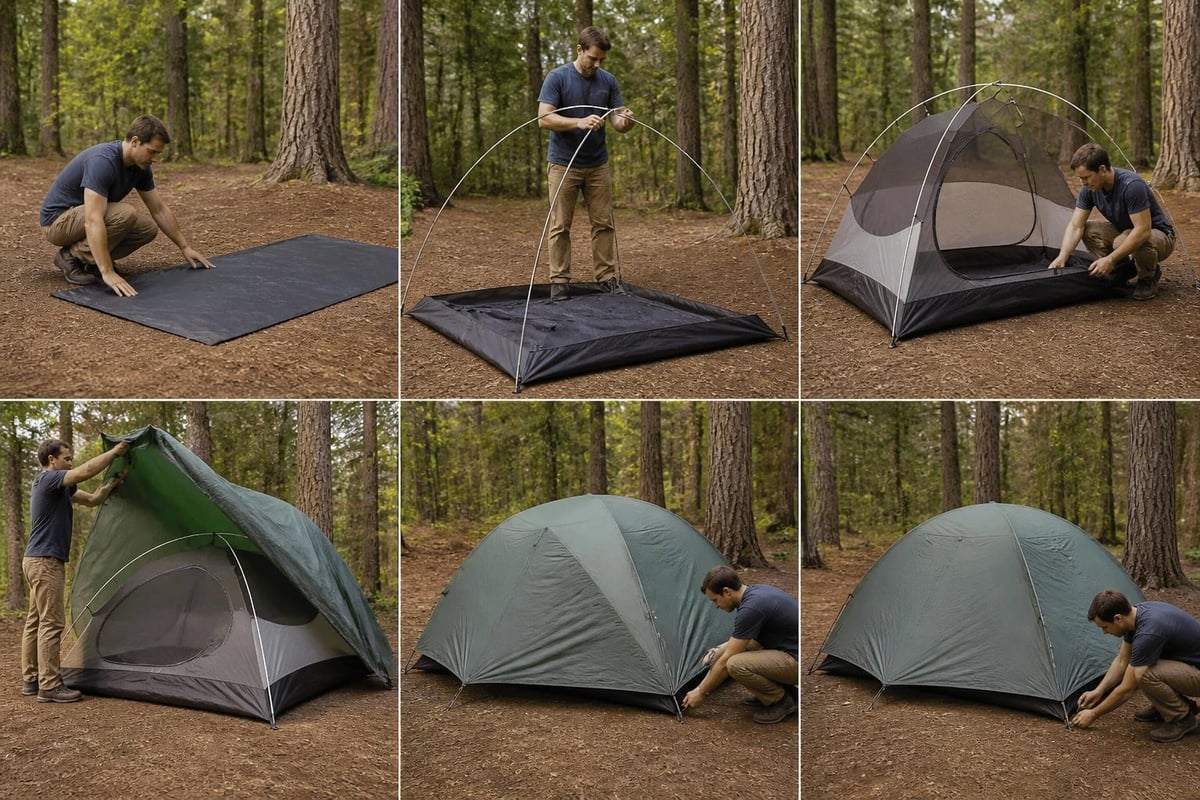
Clear the ground thoroughly before setup. Remove rocks, sticks, and pinecones that create uncomfortable pressure points through your sleeping pad. A groundsheet or footprint adds an extra moisture barrier and protects your tent floor from abrasion.
Modern four-person tents typically use dome or cabin designs, each with specific setup requirements. Setting up a dome tent correctly ensures structural integrity and weather resistance.
Standard dome tent setup sequence:
Canvas tents require slightly different techniques. The heavier fabric needs more careful handling, and the natural material performs better when pitched with appropriate tension. Many canvas models benefit from seasoning (wetting before first use) to seal the weave and maximize waterproofing.
Once your shelter stands secure, organizing the interior space determines your camping experience quality. Thoughtful arrangement keeps gear accessible while maintaining comfortable living areas.
Divide your four-person tent into functional zones even without physical dividers. Create distinct areas for specific purposes:
Some families prefer splitting a four-person tent into two sleeping areas with gear down the middle. This arrangement works particularly well when camping with older children who want some independence. Other groups maximize sleeping space by storing all gear in vehicles or under a separate shelter.
Internal organization accessories transform tent livability:
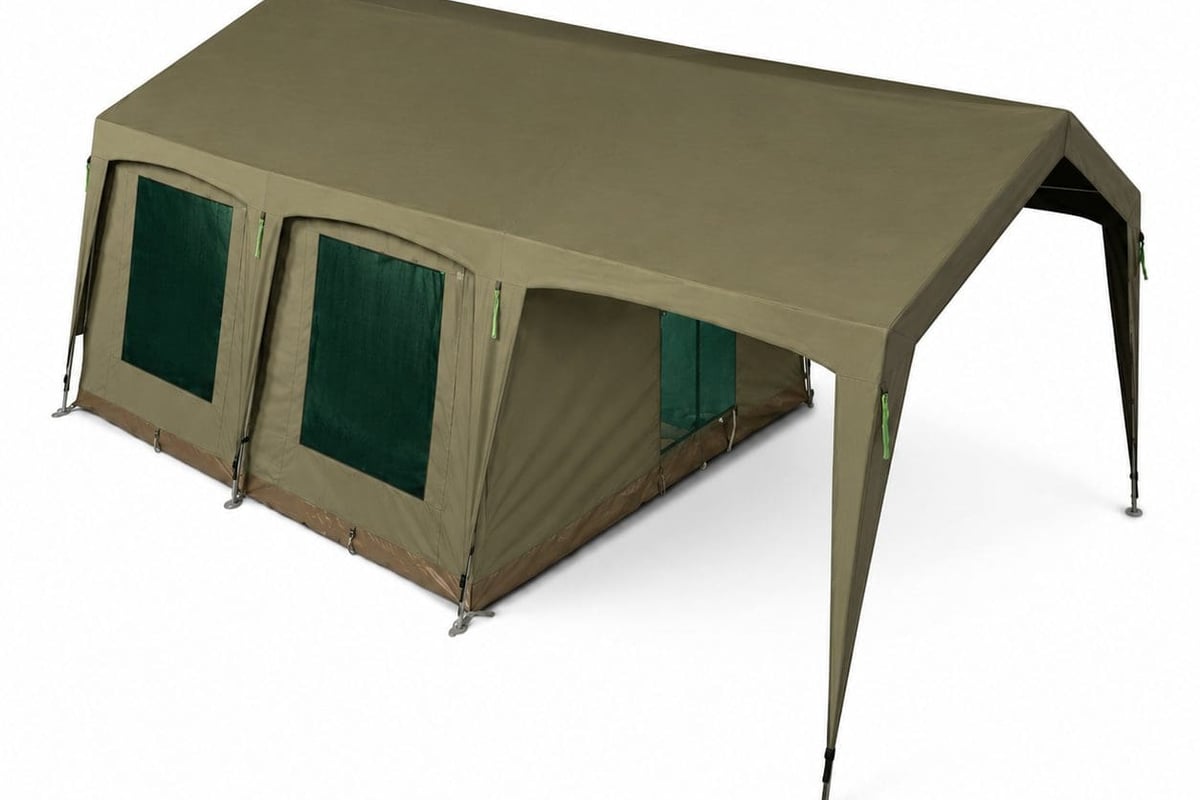
The 3m x 6m Safari Lodge Tent Two Room Waterproof Canvas Tent South Africa takes interior organization further with its built-in room divider. This design particularly suits families wanting privacy or groups needing separate sleeping and living spaces. The two-room configuration makes extended stays more comfortable by providing dedicated areas for different activities.
4 person tent camping in South Africa requires adapting to dramatically different seasonal conditions. Summer brings intense heat and afternoon thunderstorms, while winter delivers cold nights and occasional frost in highland areas.
High temperatures demand specific tent management techniques:
Pitch with maximum ventilation by opening all mesh panels and positioning doors to catch prevailing breezes. Set up in shaded areas during hot months, but ensure your site receives morning sun to dry condensation quickly. A secondary tarp or gazebo creates an outdoor living space that keeps you out of the tent during peak heat.
Afternoon thunderstorms appear rapidly across much of South Africa during summer months. Waterproof ratings become critical during these events. Understanding tent waterproofing standards helps you select appropriate models for wet conditions.
Stakes must penetrate deeply in dry summer soil. Longer stakes or rock anchors provide necessary holding power when the ground hardens. Test your setup's wind resistance before leaving it unattended during storm-prone periods.
Winter camping in the Drakensberg or other highland regions requires four-season tent features and proper insulation strategies.
| Winter Feature | Benefit | Implementation |
|---|---|---|
| Lower Profile Design | Reduced wind exposure | Choose dome over cabin styles |
| Smaller Vestibules | Protected gear storage | Keep boots and wet items accessible but outside sleeping area |
| Thicker Floor Material | Ground cold insulation | Add foam pad under sleeping bags |
| Reduced Mesh Panels | Heat retention | Close vents except minimal airflow points |
Ground insulation matters more than many campers realize. Cold transfers from the earth faster than from the air, so quality sleeping pads with high R-values become essential. Some experienced winter campers add emergency blankets under their tent footprint for extra insulation.
Different tent styles suit varying camping approaches. Understanding the trade-offs between dome, cabin, and tunnel designs helps you match your shelter to your camping style.
Dome tents dominate the four-person market because their curved pole structure sheds wind and rain effectively. The geometry creates natural strength that freestanding models can pitch anywhere, even on rock or boardwalks.
Dome tent benefits:
Dome tents work exceptionally well for versatile camping applications from established campgrounds to backcountry sites. Their balanced design handles diverse conditions without specialization.
Cabin-style tents maximize interior volume with near-vertical walls. These models suit car camping and established sites where wind exposure stays moderate.
Cabin tent strengths include:
The trade-off involves weight and wind resistance. Cabin tents typically weigh more than dome equivalents and struggle in strong winds due to their vertical surfaces. Position these carefully with doors facing away from prevailing weather.
Canvas and synthetic fabrics each offer distinct advantages for 4 person tent camping. Selecting appropriate tent materials impacts durability, comfort, and maintenance requirements.
Canvas tent advantages:
Synthetic tent advantages:
South African conditions favor canvas for extended stays and established campsite use. The material's breathability makes significant difference during summer heat, while its durability justifies the weight for families camping from vehicles.
Proper care extends your tent's service life from a few seasons to many years. Regular maintenance prevents small issues from becoming expensive failures.
Never store a tent wet or dirty. Moisture trapped in storage creates mold and mildew that permanently damage fabrics and coatings.
Inspect components during cleaning. Check for loose stitching, worn pole shock cord, or damaged zippers that need repair. Addressing minor issues immediately prevents failures during future trips.
Pack a basic tent repair kit for every camping trip. Essential repair items include:
Small tears in fabric respond well to tape patches applied to both sides. Larger rips need sewing with UV-resistant thread before applying tape reinforcement. Pole breaks can be splinted temporarily using tent stakes or sticks alongside the broken section.
Canvas material offers particular repair advantages. Small holes can be sewn shut and treated with waterproofing wax. Larger tears accept canvas patches sewn in place that become nearly as strong as original fabric.
4 person tent camping involves more than just shelter considerations. Successful group trips require coordinating gear, meals, activities, and schedules.
Distribute communal gear across group members:
Each family or pair in your four-person group should carry their own sleeping systems and clothing. Sharing bulky communal items reduces overall pack weight and prevents duplication. Assign specific people responsibility for critical items so nothing gets forgotten.
Groups often bring multiple tents rather than cramming everyone into one large shelter. Comparing tent sizes helps determine whether one four-person tent or two smaller models better serves your needs.
Arrange multiple tents with entrances facing a common area where you set up cooking and socializing spaces. This configuration creates a natural campsite flow while maintaining privacy in sleeping areas. Position tents close enough for convenience but far enough to minimize noise transfer between shelters.
Weekend camping tolerates minimal comfort sacrifices, but extended trips require thoughtful amenities. Upgrading your 4 person tent camping setup with strategic additions transforms the experience.
Quality sleep determines camping enjoyment more than any other factor. Invest in proper sleeping pads with R-values appropriate for expected temperatures. Inflatable pads offer superior comfort, while closed-cell foam provides reliability and insulation.
Cots elevate sleepers off the ground, improving comfort and warmth. Four-person tents with generous floor dimensions accommodate cots for two or three adults. This setup particularly benefits older campers or those with back issues who struggle with ground-level sleeping.
Battery-powered fans make summer camping significantly more pleasant. Small USB fans clipped to tent peaks circulate air during still nights. Some campers use rechargeable units that run all night on a single charge.
For winter trips, hot water bottles placed in sleeping bags provide warmth without condensation issues. Heat-retaining tent carpets or additional ground tarps add insulation from below. Easy-pitch tent options with good insulation properties simplify cold-weather camping.
Responsible 4 person tent camping includes preparing for potential hazards and emergency situations. Prevention and preparation keep minor issues from becoming serious problems.
South African weather can change rapidly, particularly in mountainous regions. Check forecasts before departure and monitor conditions throughout your stay. Many campgrounds provide weather updates, and smartphone apps offer detailed predictions for remote areas.
Respond to severe weather warnings by reinforcing your setup. Add extra stakes and guy lines before storms arrive. Lower exposed rain flies to reduce wind catch. Move vehicles closer to tents if high winds threaten to damage freestanding structures.
Store all food, toiletries, and scented items outside tents or in proper storage containers. Many South African parks require specific food storage protocols to prevent wildlife encounters. Never keep anything edible or fragrant inside your sleeping area.
Familiarize yourself with local wildlife before camping. Different regions present varying concerns from monkeys that grab loose items to larger animals requiring specific precautions. Park rangers provide current information about animal activity in campground areas.
Pack comprehensive first aid supplies and know how to use them. Include items specific to camping injuries like blister treatment, insect sting relief, and burn care. A whistle, headlamp, and basic signaling devices belong in every tent.
Inform someone outside your camping group about your plans, location, and expected return. Establish check-in procedures for remote camping. Carry backup navigation tools even when using GPS devices that might fail.
Choosing tents designed specifically for local conditions ensures reliable performance. Generic imported models sometimes fail to address unique South African camping challenges.
Locally manufactured tents often better address regional requirements. South African tent makers understand the intense UV exposure, dramatic temperature swings, and specific weather patterns that affect camping equipment. Materials selection reflects these conditions with appropriate fabric weights and weatherproofing standards.
Local manufacturers also provide better warranty support and replacement parts availability. When components fail or need replacement, local suppliers respond faster than international importers. This advantage matters particularly for frequently used equipment that experiences normal wear.
Inspect these details when selecting tents:
Canvas tents require particularly careful evaluation. The fabric weight (measured in GSM) indicates durability, with heavier weights providing longer service life. Ripstop weave construction prevents tears from spreading when fabric punctures occur.
Successful 4 person tent camping combines proper equipment selection with smart setup and organization strategies. Understanding your tent's true capacity, maintaining it carefully, and adapting to seasonal conditions creates comfortable outdoor experiences whether you're camping for a weekend or extended adventure. Ejenti Outdoor manufactures durable canvas tents and camping equipment specifically designed for South African conditions, offering locally made solutions that perform reliably across the country's diverse climates and camping environments.