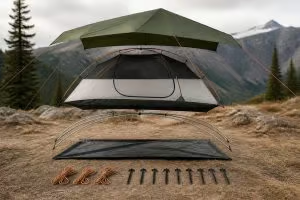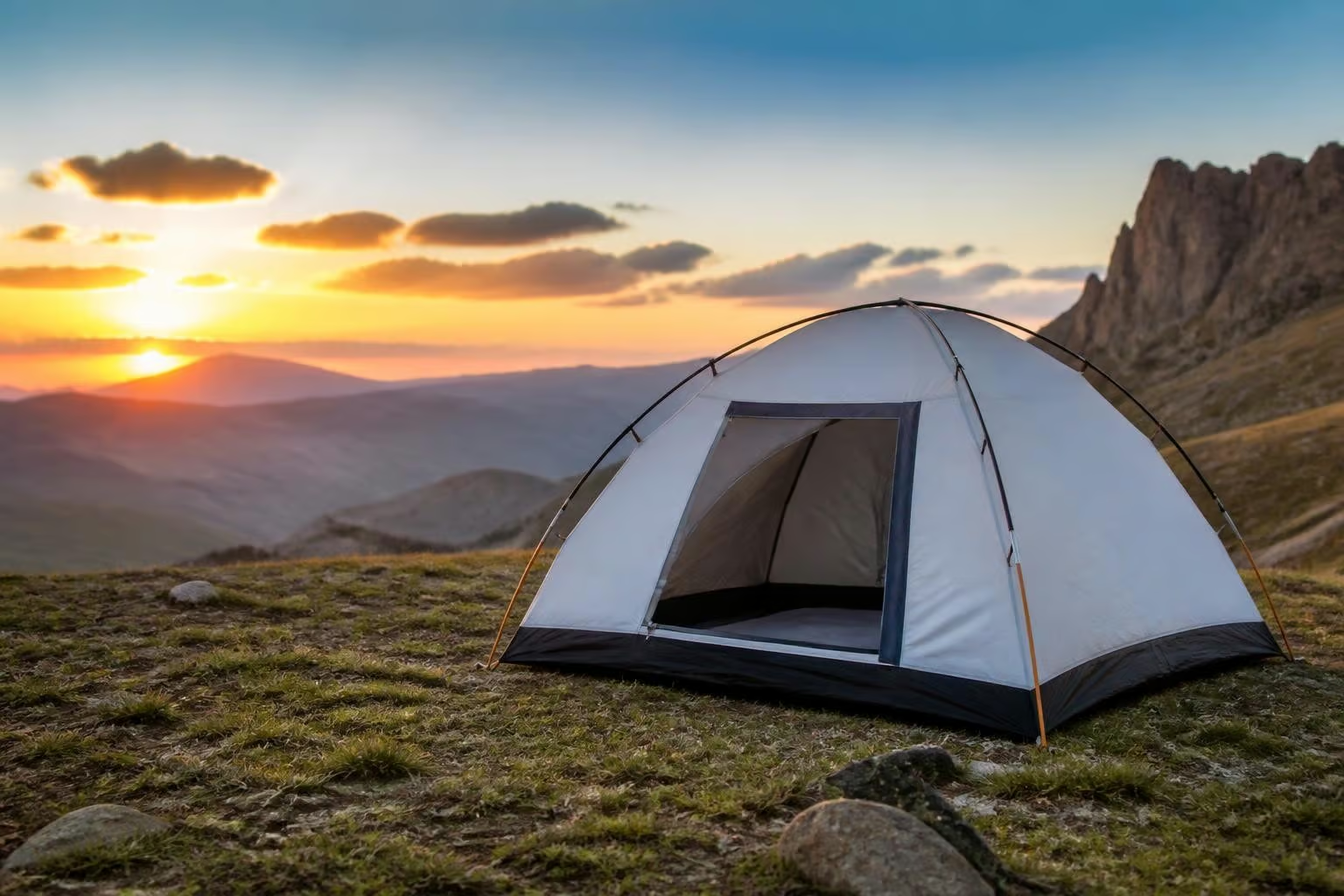
When it comes to choosing reliable shelter for outdoor adventures, the dome tent stands out as one of the most popular and versatile designs available today. This classic structure combines aerodynamic efficiency with practical setup advantages, making it a preferred choice for campers, hikers, and outdoor enthusiasts across South Africa and beyond. Whether you're planning a weekend camping trip in the Drakensberg or setting up base camp for a multi-day trail, understanding what makes dome tents unique can help you make an informed decision about your outdoor shelter needs.
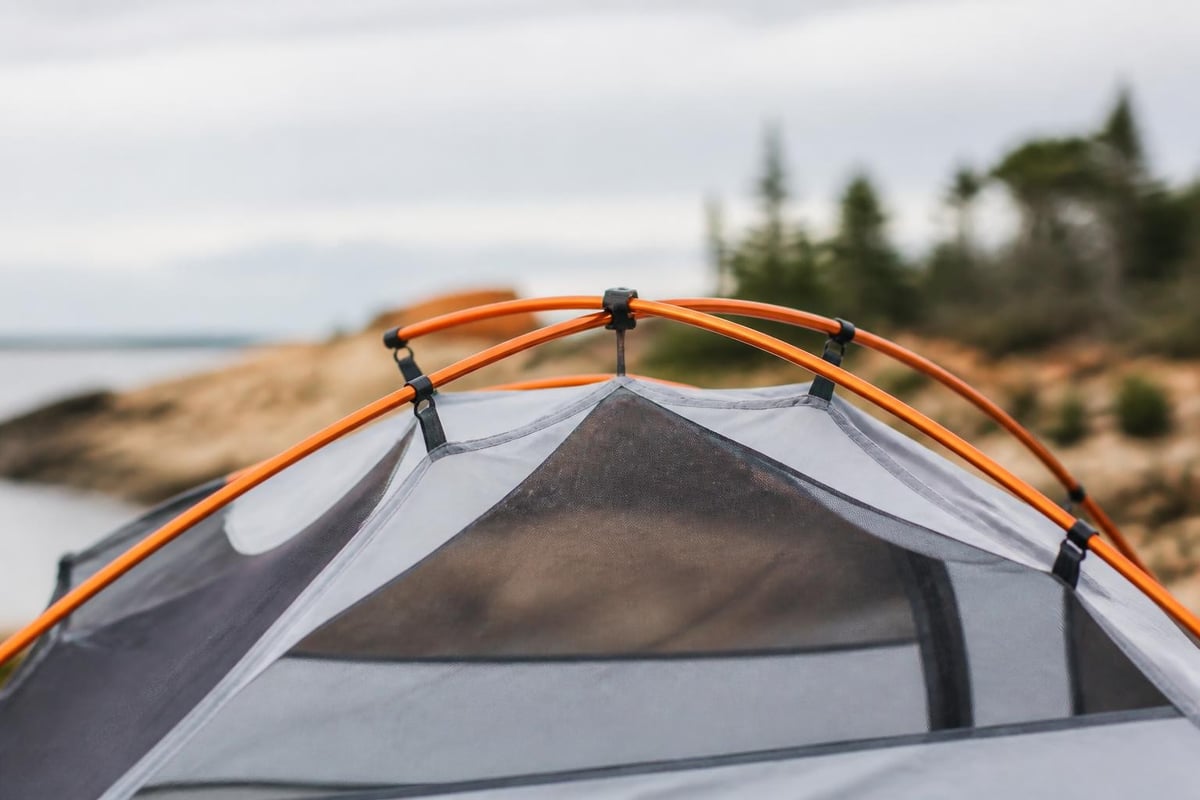
The defining characteristic of a dome tent lies in its curved pole structure. Unlike traditional A-frame or cabin designs, dome tents utilize flexible poles that cross over the top to create a freestanding, self-supporting framework. This architectural approach distributes tension evenly across the fabric, creating a stable structure that can withstand varying weather conditions.
Most dome tent designs incorporate two or more poles that intersect at the apex. The poles typically thread through sleeves or attach via clips to the tent body, creating the characteristic rounded shape. This design allows the tent to stand on its own without requiring stakes, though anchoring remains essential for stability in windy conditions.
The anatomy of a dome tent includes several critical elements:
The curved design naturally sheds wind and precipitation, reducing the surface area exposed to direct force. This makes dome tents particularly effective in exposed locations where wind protection is essential.
The widespread adoption of dome tent designs stems from several practical benefits that appeal to different types of outdoor users. Understanding when to use a dome tent helps you maximize these advantages in appropriate conditions.
The aerodynamic profile of a dome tent allows wind to flow smoothly over the curved surface rather than creating resistance points. This characteristic makes dome tents exceptionally stable in exposed environments where cabin-style tents might struggle. The equal distribution of stress across the pole system prevents weak points that could fail under pressure.
| Feature | Dome Tent | Cabin Tent | A-Frame Tent |
|---|---|---|---|
| Wind Stability | Excellent | Moderate | Good |
| Setup Time | 5-10 minutes | 15-20 minutes | 5-8 minutes |
| Headroom | Moderate | Excellent | Limited |
| Weight | Lightweight | Heavy | Very Light |
| Interior Space | Good | Excellent | Limited |
Dome tents typically pack down to compact sizes, making them ideal for backpacking and situations where gear weight matters. The pole-and-sleeve design allows for efficient packing, with most components fitting into a single carry bag. For outdoor enthusiasts who need to balance shelter quality with pack weight, dome tents offer an optimal compromise.
Weight considerations include:
The Premium Heavy-Duty Canvas Dome Tent from Ejenti Outdoor demonstrates how dome tent principles can be applied to heavier-duty materials while maintaining the structural advantages of the curved design. Built specifically for African conditions, this canvas dome tent combines the wind-resistant dome architecture with durable ripstop canvas that stands up to harsh sun exposure and sudden weather changes.
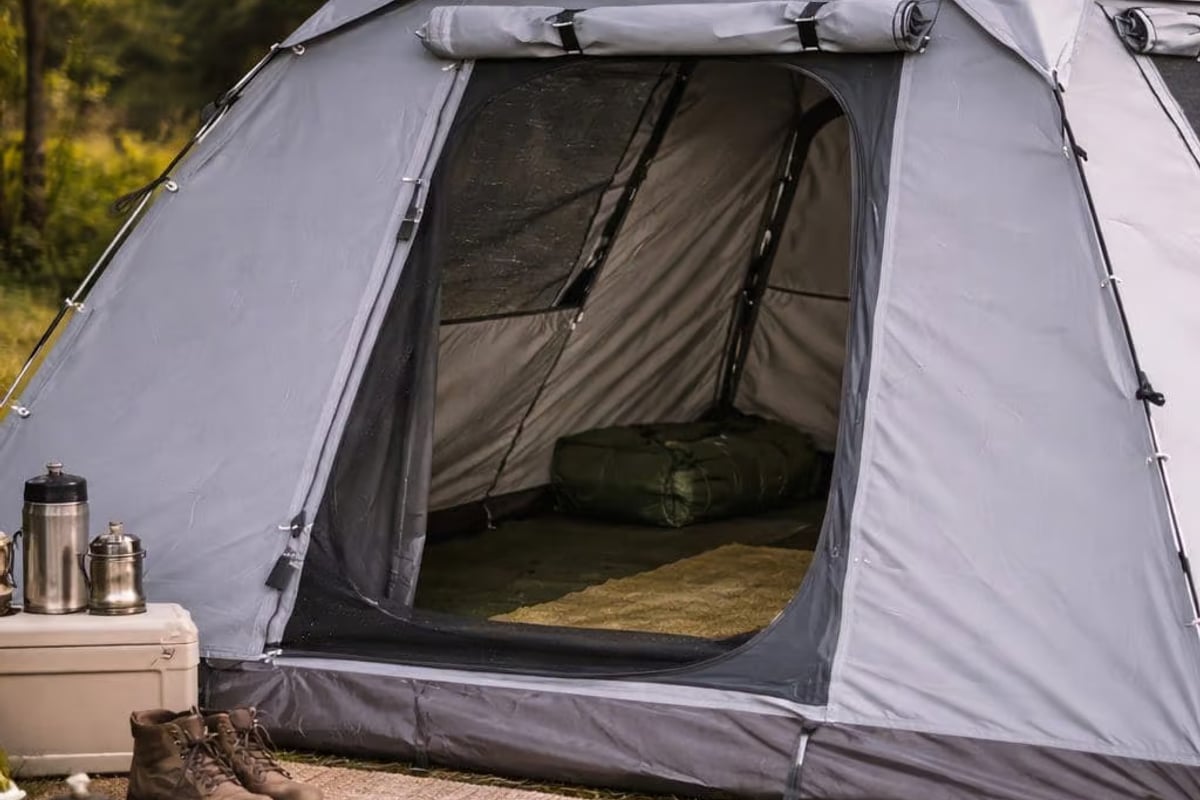
One of the most appreciated features of dome tent designs is the straightforward setup procedure. Learning the construction process typically takes just one or two practice sessions, after which most users can pitch their tent in under ten minutes.
Standard setup steps:
The freestanding nature means you can position the tent before staking, adjusting placement as needed. This flexibility proves particularly valuable when setting up on uneven ground or in crowded campgrounds where precise positioning matters.
While dome tents excel in many situations, understanding how they compare to other tent types helps you choose the right shelter for specific needs. The dome versus cabin tent debate highlights different priorities in tent selection.
Cabin tents feature nearly vertical walls that maximize usable floor space and headroom. A 3-meter by 3-meter cabin tent provides more standing area than a similar-footprint dome tent, where sloped walls reduce the space near the perimeter. However, this vertical design creates more wind resistance and requires more stakes for stability.
For outdoor enthusiasts who prioritize gear organization and living space during extended stays, cabin designs may offer advantages. Conversely, those who value quick setup, portability, and weather resistance often prefer the dome tent configuration.
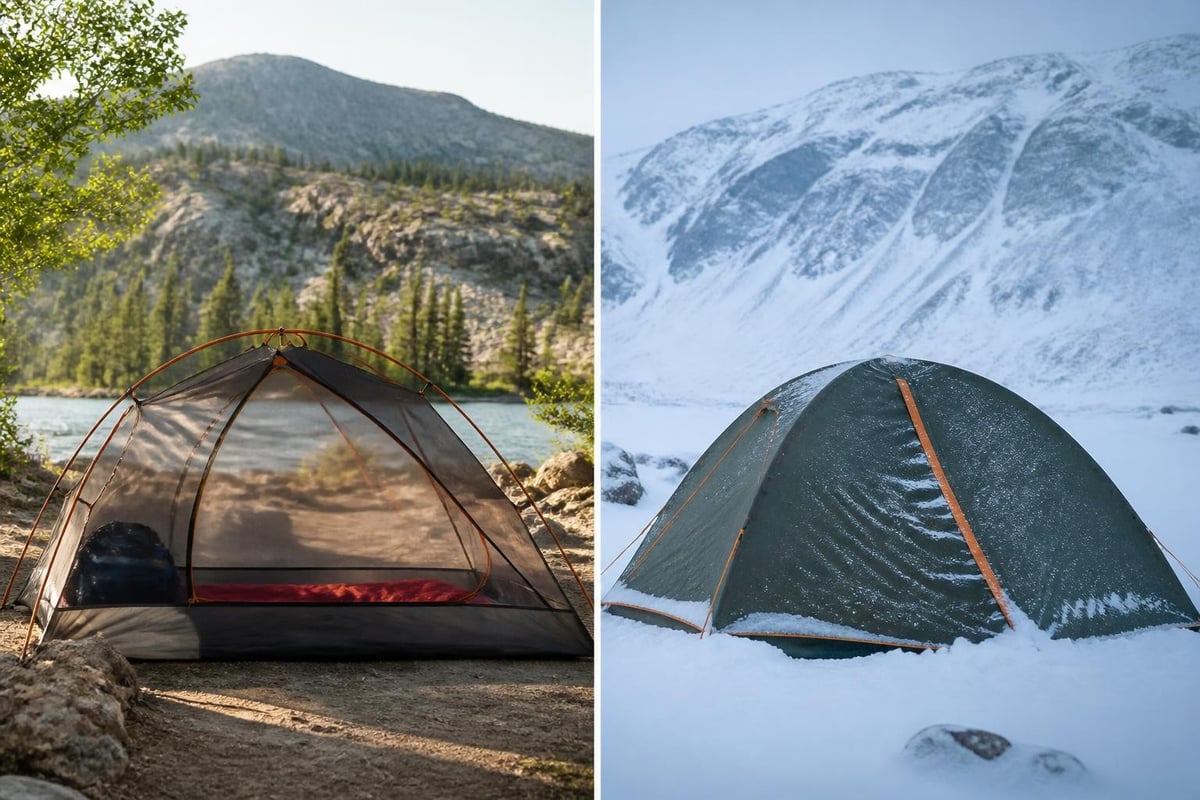
Spring and Summer Camping: Dome tents with extensive mesh panels provide excellent ventilation during warm weather. The curved design promotes air circulation while maintaining structural integrity. Many models include removable rainflies that allow stargazing while keeping the mesh inner tent in place for insect protection.
Autumn and Winter Use: Four-season dome tents incorporate heavier fabrics, reduced mesh areas, and reinforced pole systems to handle snow loads and extreme winds. The dome shape naturally sheds snow accumulation, preventing dangerous weight buildup that could collapse other tent designs.
The fabrics and materials used in dome tent manufacturing significantly impact performance, durability, and weight. South African conditions demand materials that withstand intense UV exposure, temperature fluctuations, and occasional heavy rains.
Nylon: Lightweight and packable, nylon is common in backpacking dome tents. It provides good strength-to-weight ratios but requires UV treatment to prevent degradation. Ripstop nylon incorporates reinforcing threads that prevent tears from spreading.
Polyester: More UV-resistant than nylon, polyester maintains strength longer under sun exposure. It absorbs less moisture and maintains dimensional stability better in varying humidity. Many car-camping dome tents use polyester for improved durability.
Canvas: Heavy-duty canvas dome tents offer superior breathability and durability for extended camping situations. Canvas naturally regulates temperature and humidity better than synthetic materials, creating a more comfortable interior environment. The material requires proper maintenance but can last decades with appropriate care.
Waterproof ratings measured in millimeters indicate how much water pressure the fabric can withstand before leaking. Quality dome tents typically feature:
The bathtub-style floor construction extends waterproof material several inches up the tent walls, creating a barrier against water pooling underneath. This design element proves especially valuable during heavy rains when water runoff accumulates around tent perimeters.
Dome tent versatility makes these shelters suitable for numerous outdoor scenarios. Matching tent specifications to intended use ensures optimal performance and user satisfaction.
Ultralight dome tents designed for backpacking prioritize weight reduction while maintaining essential weather protection. These minimalist designs often sacrifice vestibule space and extra features to achieve pack weights under 2 kilograms. Single-wall construction eliminates the separate rainfly, though this approach requires careful ventilation management to prevent condensation.
Backpacking dome tent features:
For those exploring less-traveled routes where weather can change rapidly, the stability benefits of dome tent construction provide peace of mind during exposed ridge camping or high-altitude sites.
Larger dome tents accommodate multiple occupants while maintaining the structural advantages of the curved design. Four to six-person models provide sleeping space for families while remaining manageable for setup by one or two people. Extended vestibules create covered areas for gear storage and cooking during inclement weather.
Quality family dome tents include features like:
The quick setup and freestanding design make dome tents popular for festival camping where space is limited and setup time matters. The ability to position the tent before staking allows precise placement in crowded festival grounds. Bright colors and unique designs help identify your tent among hundreds of similar shelters.
Proper care extends dome tent lifespan significantly, protecting your investment and ensuring reliable performance when you need shelter most. South African conditions, particularly intense UV exposure, require proactive maintenance approaches.
After each camping trip:
Never store a damp tent, as this promotes mold and mildew growth that can permanently damage fabrics and coatings. Even slight moisture can cause problems during extended storage periods.
Learning basic dome tent repairs enables quick fixes in the field and prevents minor issues from becoming major problems. Essential repair skills include:
Carrying a basic repair kit on camping trips allows immediate attention to problems before they compromise your shelter. Many outdoor enthusiasts find that quality fastening components like durable tent hooks and metal fasteners significantly reduce wear on attachment points that commonly fail on lower-quality tents.
Capacity ratings on dome tents often reflect maximum occupancy under tight conditions rather than comfortable sleeping arrangements. Understanding how manufacturers determine capacity helps you choose appropriate sizing for your needs.
A "two-person" dome tent typically measures approximately 2.1 to 2.4 meters in length and 1.3 to 1.5 meters in width. This provides enough floor space for two standard sleeping pads placed side by side with minimal additional room. For comfortable sleeping with gear storage inside, many experienced campers recommend adding one person to the intended occupancy.
| Rated Capacity | Actual Users | Floor Area | Best Use |
|---|---|---|---|
| 2-person | 1-2 people | 2.5-3.5 m² | Solo backpacking or couple |
| 3-person | 2-3 people | 4-5 m² | Couple with gear or 2 backpackers |
| 4-person | 3-4 people | 6-7 m² | Small family car camping |
| 6-person | 4-6 people | 9-11 m² | Family with children |
Due to the sloped walls inherent in dome tent design, peak height doesn't translate to usable standing room throughout the interior. A tent with a 1.5-meter peak height might only offer full standing room in the center area, with significant slope toward the perimeter.
For extended stays where interior comfort matters, consider comparing dome and cabin tent designs to determine which better suits your priorities. While cabin tents provide superior headroom, they sacrifice the dome tent's wind stability and quick setup advantages.
No tent design perfectly suits every situation. Understanding dome tent disadvantages helps you work within these limitations or choose alternative designs when appropriate.
The curved walls that provide aerodynamic benefits also reduce usable floor space near the tent perimeter. Items stored along the walls take up more room than they would in a cabin tent with vertical walls. This becomes particularly noticeable in smaller models where every square centimeter matters.
Space optimization strategies:
Single-wall dome tents and models with reduced ventilation can experience significant condensation buildup, particularly during cool nights following warm days. Moisture from breathing and body heat condenses on the cooler tent fabric, potentially dripping onto sleeping bags and gear.
Proper ventilation techniques include keeping vents open even during light rain, maintaining airflow with partially opened doors, and using absorbent cloths to wipe down condensation before it drips. Double-wall designs with separate rainflies and mesh inner tents significantly reduce condensation issues by creating an air gap that allows moisture to escape.
As outdoor enthusiasts increasingly prioritize environmental responsibility, considering the ecological impact of dome tent choices becomes important. Sustainable camping practices extend beyond tent selection to encompass the entire outdoor experience.
Investing in quality dome tents built from durable materials reduces the environmental impact of frequently replacing failed equipment. A well-constructed canvas or heavy-duty synthetic dome tent that lasts twenty years creates far less waste than multiple cheaper tents that fail after a few seasons.
Supporting manufacturers who prioritize durability and repairability aligns outdoor gear purchases with sustainability values. Companies producing repairable products with available replacement parts enable long-term use rather than disposal when individual components wear out.
After your camping adventures, sustainable practices continue at home. Just as outdoor enthusiasts seek durable equipment, many are adopting eco-friendly household solutions like compostable kitchen bags that reduce plastic waste. This mindfulness extends to other areas, from choosing sustainable athletic wear made with low carbon footprints to supporting brands that prioritize environmental responsibility across their operations.
Setting up dome tents following Leave No Trace principles protects natural environments for future users. These practices include:
The freestanding nature of dome tents supports these principles by allowing setup without driving stakes into sensitive ground, though staking remains necessary for stability in most conditions.
Contemporary dome tent engineering incorporates innovative features that enhance usability, comfort, and performance beyond basic shelter functions. These advancements address common camping challenges while maintaining the fundamental benefits of dome tent architecture.
Some modern dome tents combine the classic crossed-pole dome with additional structural elements. Hub systems where multiple poles connect at a central junction point create more vertical walls while maintaining dome tent stability. These hybrid designs offer improved interior space without sacrificing wind resistance.
Pre-bent poles create more usable headroom by pushing walls outward at sleeping height while maintaining the aerodynamic profile at the peak. This engineering approach addresses one of the primary dome tent limitations without converting to a full cabin design.
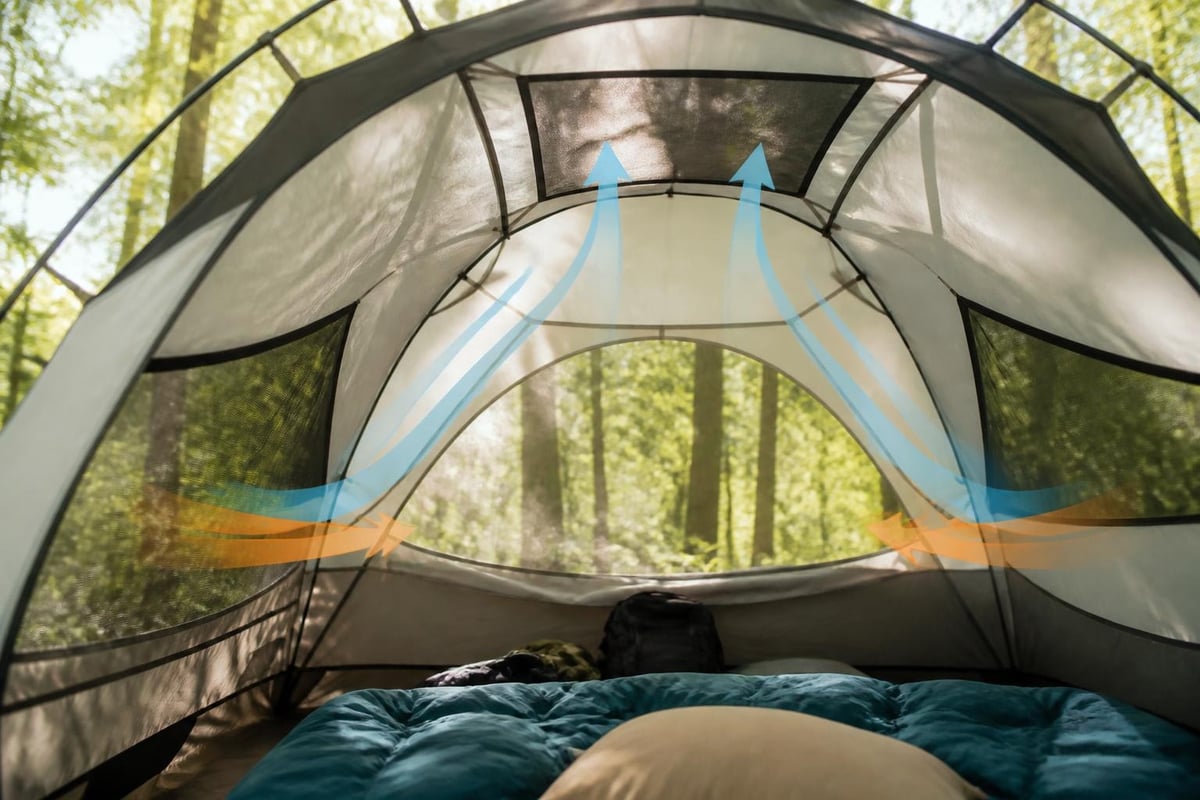
Advanced dome tents incorporate multiple ventilation points strategically positioned to promote airflow while maintaining weather protection. Adjustable vents near the peak allow hot air to escape while low-level mesh panels draw cooler air inward, creating natural circulation.
Ventilation features include:
These systems significantly reduce condensation issues and improve interior comfort during warm weather camping.
Camping environments across South Africa present unique challenges that influence dome tent selection and usage. From coastal humidity to highveld sun exposure, regional factors impact tent performance and longevity.
Intense South African sun rapidly degrades unprotected tent fabrics, particularly synthetics without UV stabilization. Dome tents intended for regular use in sunny conditions benefit from UV-resistant treatments and materials designed to withstand prolonged sun exposure. Canvas options naturally provide better UV resistance than many synthetic alternatives.
Positioning dome tents with rainflies fully deployed even during clear weather provides an extra layer of protection, extending fabric life while creating shaded vestibule areas. This practice also maintains cooler interior temperatures during hot days.
South Africa's diverse climates, from Mediterranean coastal regions to subtropical lowveld areas, demand versatile tent designs. A dome tent suitable for year-round use should accommodate both summer heat and winter cold, adapting to rapidly changing conditions.
Three-season dome tents serve most South African camping needs, providing adequate protection without the weight and expense of four-season expedition models. These versatile designs handle typical weather variations while remaining practical for car camping and short backpacking trips.
For those seeking reliable outdoor equipment designed specifically for local conditions, exploring specialized outdoor solutions ensures gear that performs well in African environments.
Dome tent pricing varies dramatically based on materials, construction quality, brand reputation, and included features. Understanding what drives cost differences helps identify genuine value rather than simply purchasing the cheapest option available.
Budget tier (R500-R1,500): Entry-level dome tents suitable for occasional fair-weather camping. These models typically feature basic materials, simplified designs, and minimal features. Appropriate for testing camping interest before investing in higher-quality equipment.
Mid-range (R1,500-R5,000): Quality dome tents with improved materials, better waterproofing, and enhanced durability. This category offers the best value for regular campers seeking reliable performance without premium pricing. Most recreational campers find their needs well-met within this range.
Premium tier (R5,000-R15,000+): High-performance dome tents with advanced materials, superior construction, and specialized features. Ultralight backpacking models and four-season expedition tents occupy this category. The investment makes sense for frequent users or those facing demanding conditions.
Assessing dome tent value requires considering the total cost of ownership rather than just initial purchase price. A R3,000 tent that lasts fifteen years with proper maintenance represents better value than a R800 tent requiring replacement every two years.
Factors affecting long-term value:
Quality outdoor equipment retailers provide guidance on selecting appropriate tents for specific needs, helping match features and construction to intended use patterns.
Maximizing your dome tent's effectiveness requires understanding proper setup techniques, site selection, and adjustment strategies for varying conditions. These skills develop through experience but can be accelerated by learning from established best practices.
Evaluate the ground surface carefully before setting up:
The freestanding nature of dome tents allows test positioning before committing to final placement. Take advantage of this flexibility to optimize your site within available space.
While dome tents can stand without stakes, proper guy line setup dramatically improves stability and weather resistance. Tension applied through guy lines transfers stress away from the tent body onto the anchor points, reducing fabric strain and preventing pole flexing during wind events.
Angle guy lines approximately 45 degrees from attachment points for optimal load distribution. Use adjustable line tensioners to maintain proper tension as conditions change. In sandy or loose soil, consider using larger stakes or creating deadman anchors by burying objects tied to guy lines.
For securing your dome tent effectively, robust fastening systems make a significant difference. Heavy-duty tent hooks and metal fasteners provide reliable attachment points that withstand repeated use and significant tension without failing.
A dome tent represents just one component of a comprehensive camping setup. Understanding how your shelter integrates with other equipment creates a cohesive system that enhances overall outdoor comfort and efficiency.
Organizing camping equipment around dome tent limitations requires creative approaches. Vestibules created by extended rainflies provide covered storage for boots, cooking equipment, and other items you want protected but don't need inside the sleeping area. Some campers supplement tent storage with separate gear tarps or small storage tents for longer trips.
Organizational approaches:
Enhancing dome tent comfort in extreme temperatures involves supplementary equipment. Ground pads create insulation barriers in cold conditions, while reflective emergency blankets can be positioned above sleeping areas to reflect body heat downward. During hot weather, battery-powered fans improve air circulation when natural ventilation proves insufficient.
For those pursuing diverse outdoor activities year-round, comfort extends beyond camping gear. Athletes training in varied conditions appreciate performance equestrian clothing designed to regulate temperature and allow freedom of movement, similar principles that inform quality outdoor apparel choices.
Maximizing dome tent benefits requires developing practical skills that extend beyond reading instructions. Hands-on experience combined with knowledge acquisition creates competent campers who handle varying situations confidently.
Attempting your first dome tent setup at a dark, rainy campsite after a long drive creates unnecessary stress. Practice at home in daylight conditions allows you to familiarize yourself with the specific tent design, identify any missing components, and develop efficient setup routines.
Effective practice approaches:
This preparation pays dividends when facing actual field conditions where quick, confident setup might be necessary before weather deteriorates.
Adapting dome tent configuration to changing weather requires understanding how different conditions affect tent performance. Strong winds demand additional stake points and guy line tension. Heavy rain benefits from positioning rainflies for maximum coverage while maintaining necessary ventilation. Knowing how to make these adjustments quickly and effectively keeps you comfortable regardless of weather changes.
For families introducing children to outdoor activities, developing camping skills parallels teaching any new competency. Just as youth sports programs like soccer academies focus on building fundamental skills progressively, camping education benefits from structured skill development that builds confidence through successful experiences.
Understanding dome tent design, capabilities, and limitations enables informed decisions that match shelter characteristics to your specific outdoor needs. Whether you prioritize lightweight portability for backpacking adventures, quick setup for weekend getaways, or reliable weather protection for extended camping trips, the versatile dome tent architecture offers solutions worth considering. For quality outdoor equipment built to withstand South African conditions, explore the comprehensive range of tents and camping solutions available at Ejenti Outdoor.