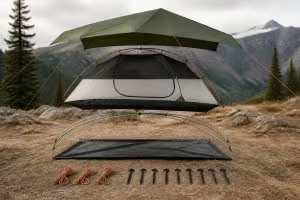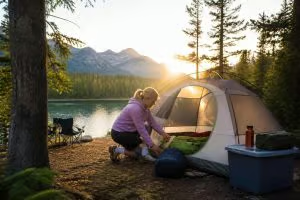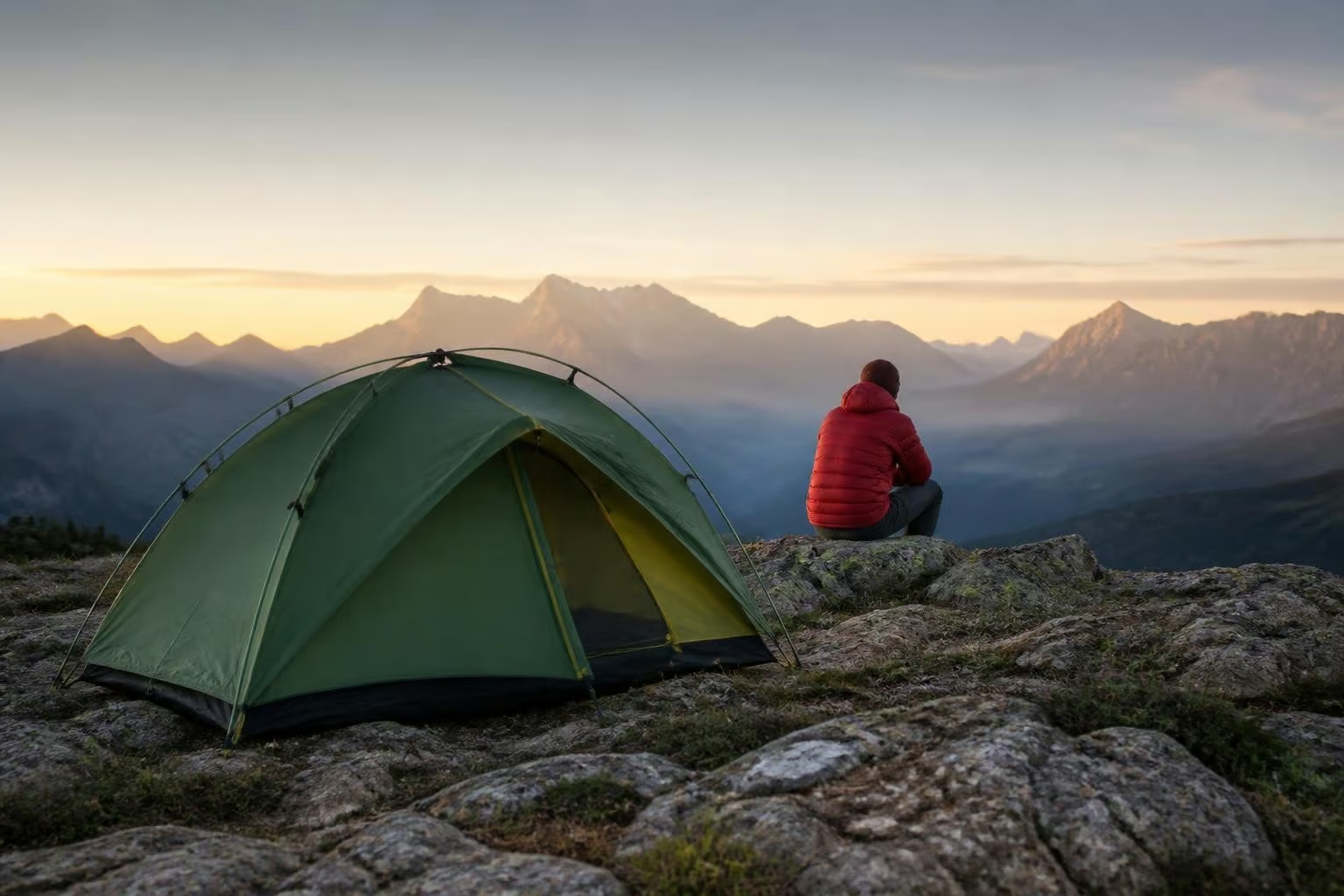
Choosing the right tents to camp in transforms your outdoor experience from uncomfortable to unforgettable. Whether you're planning a weekend getaway in the mountains, a multi-day safari adventure, or a family camping trip, understanding tent options helps you make informed decisions. The camping industry has evolved significantly, offering diverse shelter solutions tailored to specific environments and user needs. With the right knowledge, you'll select tents to camp in that match your adventure style, budget, and environmental conditions.
The fabric and construction of your camping shelter directly impact durability, weather resistance, and longevity. Modern tents to camp in use various materials, each with distinct advantages.
Canvas tents represent traditional camping excellence. These natural fiber shelters offer superior breathability, reducing condensation buildup during humid nights. Canvas withstands harsh UV exposure better than many synthetic alternatives, making it ideal for extended African sun conditions.
Key benefits of canvas tents:
Synthetic materials like polyester and nylon provide lightweight alternatives. These fabrics excel in backpacking scenarios where weight matters. PVC-coated fabrics offer exceptional waterproofing for event tents and semi-permanent structures.
Ripstop weaving patterns prevent tears from spreading across fabric. This construction technique uses reinforced threads in crosshatch patterns, creating a grid that stops damage progression. Quality tents to camp in incorporate ripstop technology in canvas and synthetic materials alike.
Waterproofing measurements use GSM (grams per square meter) ratings. Higher GSM indicates thicker, more robust fabric. A 300 GSM canvas provides reliable weather protection for regular camping, while 550 GSM PVC suits heavy-duty commercial applications.
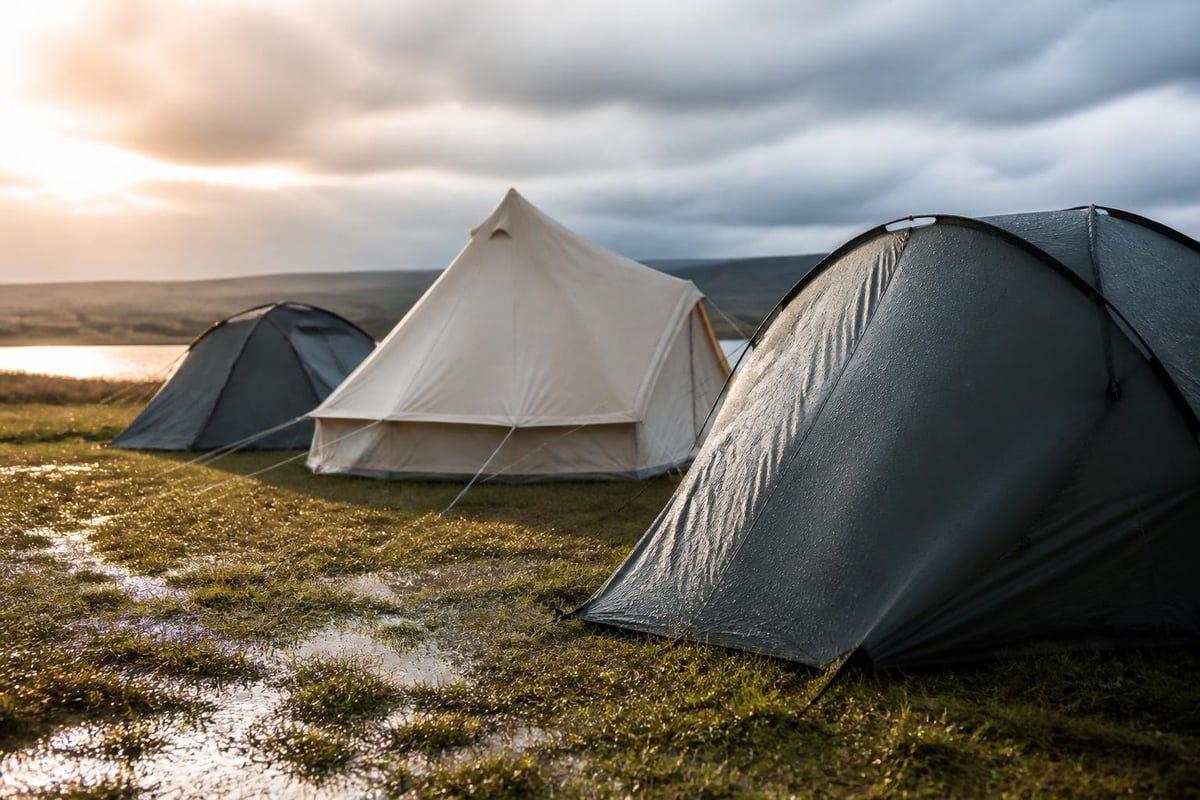
Different camping scenarios demand specific tent designs. Understanding setup styles helps you choose tents to camp in that match your skill level and intended use.
Dome tents feature curved poles creating a rounded structure. This geometry provides excellent wind resistance and maximizes interior headroom. The design allows rainwater to shed naturally rather than pooling on flat surfaces.
Setup typically requires threading poles through sleeves or clips. Most dome tents accommodate two to four people comfortably. Their freestanding nature means you can position them anywhere before staking down.
Safari-style tents offer vertical walls and substantial floor space. These tents to camp in suit extended outdoor stays where comfort matters. The two-room configurations provide privacy and organization impossible in single-room designs.
| Feature | Dome Tent | Safari Lodge Tent |
|---|---|---|
| Setup Time | 10-15 minutes | 20-30 minutes |
| Headroom | Limited at edges | Full height throughout |
| Weather Resistance | Excellent in wind | Best in moderate conditions |
| Interior Space | Compact | Spacious with storage |
| Weight | Lightweight | Heavier construction |
Large marquee structures accommodate gatherings, markets, and temporary event spaces. These commercial-grade tents to camp in feature reinforced frames and heavy-duty waterproof materials. Setup requires multiple people but provides substantial covered area.
Proper tent sizing prevents cramped quarters and ensures adequate gear storage. When manufacturers rate tents to camp in by person capacity, they assume minimal gear and tight spacing.
A practical approach adds one to the stated capacity. A four-person tent realistically accommodates three adults with gear. This extra room allows for equipment storage, nighttime movement, and general comfort.
Consider these space factors:
Interior layout affects livability during extended camping trips. Look for tents to camp in with clearly defined sleeping and storage areas. Some designs incorporate interior dividers, creating separate rooms within one structure.
Peak height determines whether you can stand upright. Vertical-wall designs maximize usable space compared to sloped-wall constructions. For family camping, prioritize tents offering standing room throughout most of the interior.
Beyond basic shelter, specific features enhance camping comfort and safety. Quality tents to camp in incorporate thoughtful design elements addressing real-world camping challenges.
Proper airflow prevents condensation buildup and maintains comfortable interior temperatures. Mesh panels, adjustable vents, and chimney-style roof openings facilitate air circulation. Sleeping comfortably in tents requires managing both temperature and humidity through adequate ventilation.
Ground-level vents draw cool air inside while roof vents allow warm, moist air to escape. This natural convection reduces condensation on interior walls and creates more pleasant sleeping conditions.
Multiple doors improve convenience in multi-person tents. Each occupant can enter and exit without disturbing others. D-shaped doors offer easier access than tunnel-style openings.
Vestibule areas create covered zones outside the main sleeping area. These spaces protect gear from weather while keeping mud and moisture out of interior living space. When selecting tents to camp in, prioritize designs with adequate vestibule coverage.
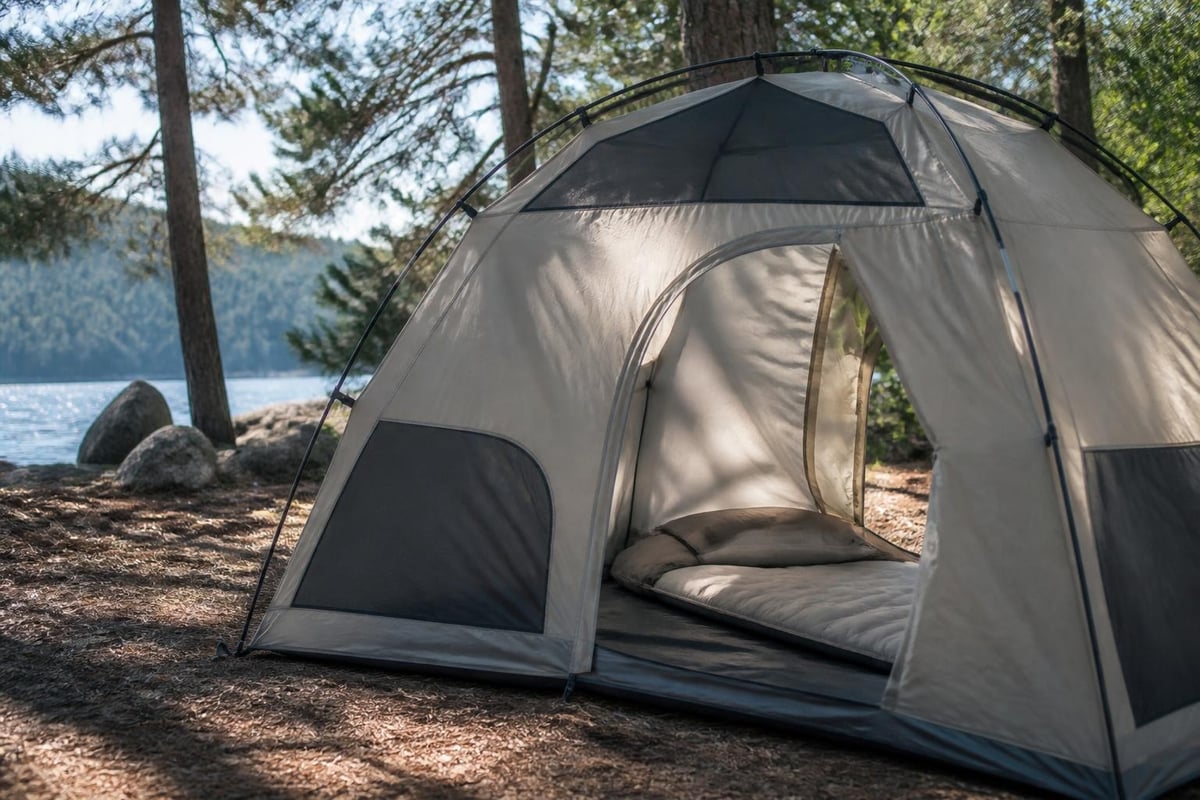
Frame materials determine structural integrity and weight. Aluminum poles offer strength with minimal weight. Steel frames provide maximum stability for semi-permanent installations and commercial applications.
Frame comparison:
Pole sleeve systems distribute stress evenly across fabric. Clip systems allow faster setup but may create pressure points. Quality tents to camp in combine both methods for optimal performance.
Understanding how tents perform in various conditions ensures you select appropriate shelter for your environment. The South African climate presents unique challenges requiring specific considerations.
Three-season tents handle spring, summer, and fall conditions. These designs prioritize ventilation and typically feature more mesh panels. They shed rain effectively but lack insulation for extreme cold.
Four-season tents withstand winter weather, high winds, and heavy snow loads. Reduced mesh areas retain warmth while reinforced pole structures resist wind pressure. However, most camping in moderate climates doesn't require four-season specifications.
Waterproof ratings measure how much water pressure fabric withstands before leaking. A rating of 1,500mm handles light rain, while 3,000mm or higher indicates serious weather protection.
Seam sealing prevents water intrusion at stitched joints. Factory-sealed seams offer convenience, though field sealing remains possible with specialized tape. When choosing tents to camp in for rainy regions, verify both fabric rating and seam treatment.
The National Park Service emphasizes camping safety considerations including weather protection. Selecting weather-appropriate shelters prevents dangerous exposure situations.
Even the best-designed tents require proper setup for optimal performance. Mastering pitching techniques ensures your tents to camp in function as intended.
Choose level ground free from rocks, roots, and depressions where water might pool. Slight slopes encourage drainage away from your tent. Avoid low-lying areas where cold air settles overnight.
Consider natural windbreaks like trees or rock formations, but maintain safe distances from potential hazards. Position doors away from prevailing winds when possible. Test the ground by lying down before committing to a spot.
Proper tensioning prevents fabric from sagging or flapping in wind. Loose fabric creates noise and accelerates wear. When setting up tents to camp in, take extra minutes ensuring taught, even tension across all surfaces.
Many beginners struggle with tent setup, making avoidable errors that compromise performance. Common tent camping mistakes often relate to inadequate staking and poor site selection.
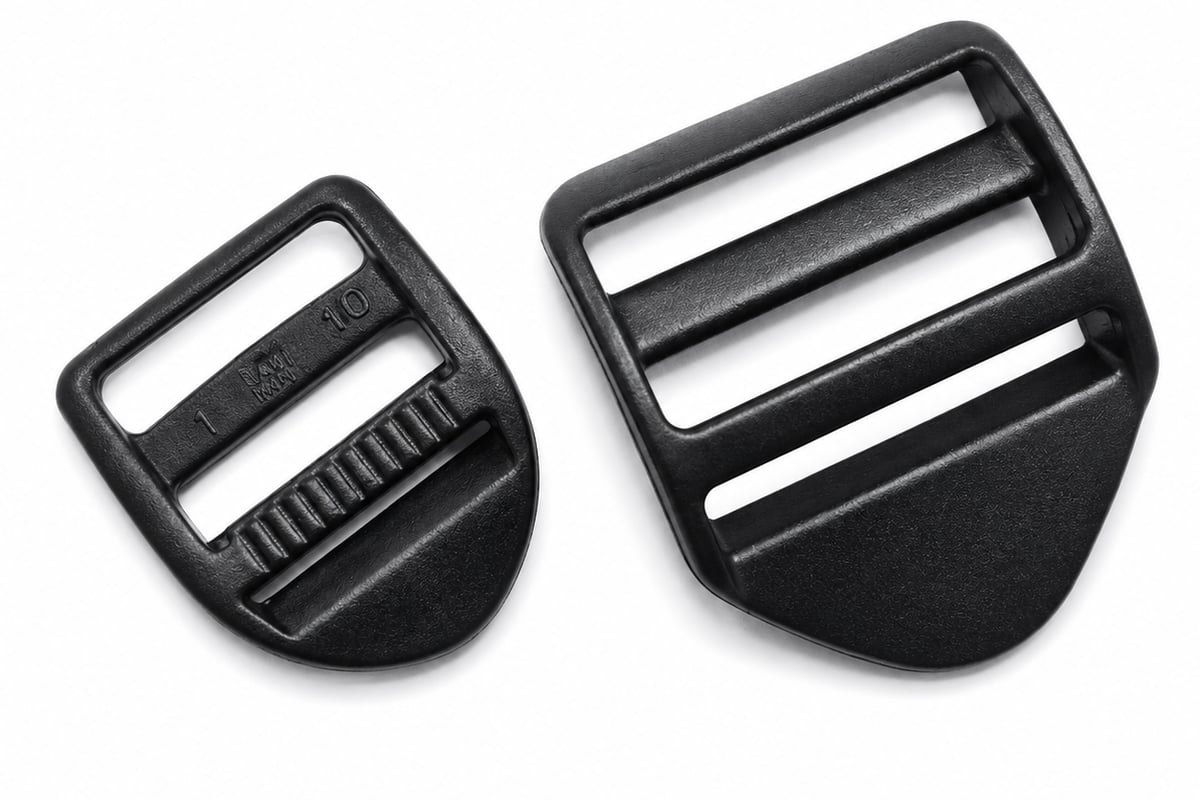
Insufficient staking allows tents to shift during windy conditions. Use all provided stakes, even in calm weather. Afternoon breezes can strengthen unexpectedly overnight. The ladder lock buckle system on quality camping gear allows quick strap adjustments, securing guy lines efficiently without complicated knots.
Skipping the rainfly during clear weather leaves you vulnerable to unexpected precipitation. Morning dew alone can soak an unprotected tent. Always deploy full weather protection regardless of forecasts.
Proper care extends tent lifespan significantly. Quality tents to camp in represent substantial investments deserving careful maintenance.
Never store tents while damp or dirty. Moisture trapped during storage promotes mildew growth and fabric degradation. After each trip, air-dry your tent completely before packing.
Cleaning steps:
Avoid machine washing, which stresses seams and coatings. Hand-cleaning with specialized tent cleaners preserves waterproof treatments. UV exposure during drying should be minimal since direct sunlight degrades fabrics over time.
Carry basic repair supplies on every camping trip. Small tears become major problems when left unaddressed. Repair kits should include:
Canvas tents allow traditional sewing repairs. Synthetic fabrics often require adhesive patches designed for specific materials. Address damage immediately rather than waiting until your next outing.
Different outdoor pursuits demand specialized shelter solutions. Understanding activity-specific requirements helps you select ideal tents to camp in.
Weight and pack size dominate backpacking tent selection. Every gram matters when you're carrying shelter for kilometers. Ultralight tents sacrifice some comfort for portability, using minimalist designs and thin materials.
Freestanding designs offer flexibility in rocky terrain where staking proves difficult. However, non-freestanding tents weigh less by using trekking poles as structural support. Balance your priorities between weight, space, and setup complexity.
Large family tents prioritize space and comfort over weight. These tents to camp in often feature multiple rooms, allowing parents and children separate sleeping areas. Standing height throughout makes extended stays more comfortable.
Look for tents with storage pockets, electrical cord access ports, and wide doors for easy entry with children. Darker interior fabrics promote later morning sleep, appreciated by families with young campers.
Semi-permanent safari setups require robust construction withstanding weeks or months of continuous use. Canvas materials excel in these applications, breathing naturally while protecting from intense sun and periodic storms.
Ejenti Outdoor’s specialized tents serve African safari operations, designed specifically for challenging bush conditions. These professional-grade structures balance durability with comfort, creating authentic outdoor experiences without compromising safety.
Commercial tents serve markets, exhibitions, and outdoor gatherings. These structures prioritize weather protection, quick setup, and impressive aesthetics. Heavy-duty materials withstand frequent assembly and disassembly.
Frame strength becomes critical when accommodating crowds. Commercial tents to camp in utilize reinforced pole systems and upgraded fabric specifications. Many feature modular designs, allowing multiple units to connect for expanded coverage.
Camping safety extends beyond shelter selection. Understanding potential hazards and preventive measures protects your outdoor adventures.
Cooking inside tents creates carbon monoxide risks and fire hazards. Always cook in well-ventilated areas away from tent fabric. Hot tent safety practices apply to specialized winter camping shelters with integrated stove systems.
Keep flammable materials away from lanterns and heaters. Battery-powered lighting eliminates open flame risks entirely. Modern LED options provide excellent illumination without heat or combustion concerns.
Tents offer no lightning protection. During electrical storms, avoid touching tent poles and metal components. If camping in exposed areas prone to lightning, KOA’s safety recommendations suggest seeking substantial shelter or remaining in vehicles until storms pass.
Secure all loose items before storms arrive. High winds transform unsecured gear into dangerous projectiles. Proper staking and guy line tensioning keeps tents to camp in grounded during severe weather.
Store food in bear-resistant containers or suspended from trees away from sleeping areas. Never keep food, toiletries, or scented items inside tents. Wildlife attracted to smells may damage tents while investigating.
Zip all doors and windows when leaving camp. This prevents curious animals from exploring interiors and potentially becoming trapped or destructive. Mesh screening protects against insects while maintaining ventilation.
The camping industry continues evolving, incorporating new materials and design concepts. Recent innovations enhance the performance of tents to camp in across various applications.
Advanced waterproof coatings combine superior protection with environmental responsibility. Water-based treatments replace harmful chemicals while maintaining effectiveness. Some modern fabrics incorporate phase-change materials that regulate temperature actively.
Reflective coatings on tent flies reduce solar heat gain. This technology proves particularly valuable in hot climates where afternoon temperatures inside tents can become uncomfortable. The coating reflects infrared radiation while allowing visible light transmission.
Pre-attached pole systems and color-coded components accelerate setup dramatically. Easy-pitch tent designs appeal to beginners and experienced campers valuing convenience.
Inflatable beam technology replaces traditional poles entirely in some designs. Air beams deploy in minutes using manual or electric pumps. While heavier than conventional poles, inflatable structures eliminate the most frustrating aspects of tent setup.
Environmental consciousness influences modern tent production. Manufacturers increasingly source recycled materials and implement responsible manufacturing processes. Durable construction that extends product lifespan represents the most significant sustainability contribution.
Repairable designs reduce waste by allowing component replacement rather than complete tent disposal. Companies offering spare parts support and repair guides demonstrate commitment to longevity over planned obsolescence.
South Africa's diverse landscapes and climates demand specific tent considerations. Choosing appropriate tents to camp in requires understanding regional environmental factors.
Coastal areas experience salt air, high humidity, and strong winds. Corrosion-resistant hardware becomes essential. Galvanized steel frames and stainless steel components withstand maritime conditions better than untreated metals.
Inland regions feature greater temperature extremes and intense UV exposure. Canvas materials prove advantageous, naturally regulating temperature while resisting sun damage. Adequate ventilation manages heat during summer months.
The bushveld presents unique challenges including thorny vegetation, dust, and wildlife. Heavy-duty floor materials resist punctures from thorns and sharp stones. Robust zippers withstand fine dust infiltration without jamming.
Ground clearance and elevated floors protect against moisture, insects, and small wildlife. Safari lodge tents often incorporate these features, creating comfortable bush accommodations. These specialized tents to camp in balance authenticity with practical protection.
Higher elevations bring colder temperatures, stronger winds, and increased precipitation. Four-season capabilities become necessary above certain altitudes. Reinforced pole structures resist sustained wind pressure common in mountain environments.
Snow loading capacity matters during winter expeditions. Steep roof angles shed snow effectively, preventing dangerous accumulation. Guy line attachment points should accommodate severe weather anchoring requirements.
Selecting the right tents to camp in transforms outdoor experiences from challenging to enjoyable, providing reliable shelter that matches your specific needs and environment. Whether you're planning family camping trips, extended safari adventures, or commercial outdoor events, understanding materials, features, and regional considerations guides informed decisions. Ejenti Outdoor specializes in durable canvas tents and outdoor solutions engineered for South African conditions, offering quality shelters that withstand demanding environments while delivering lasting value for your camping adventures.