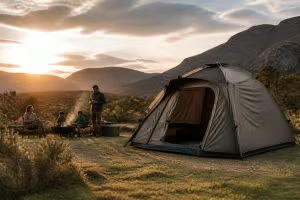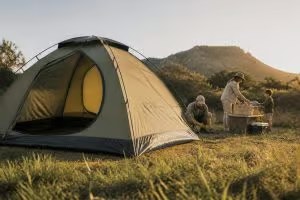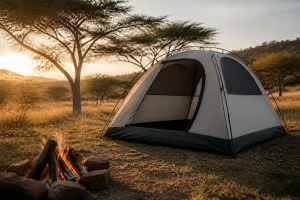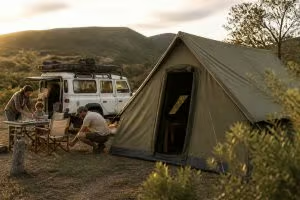

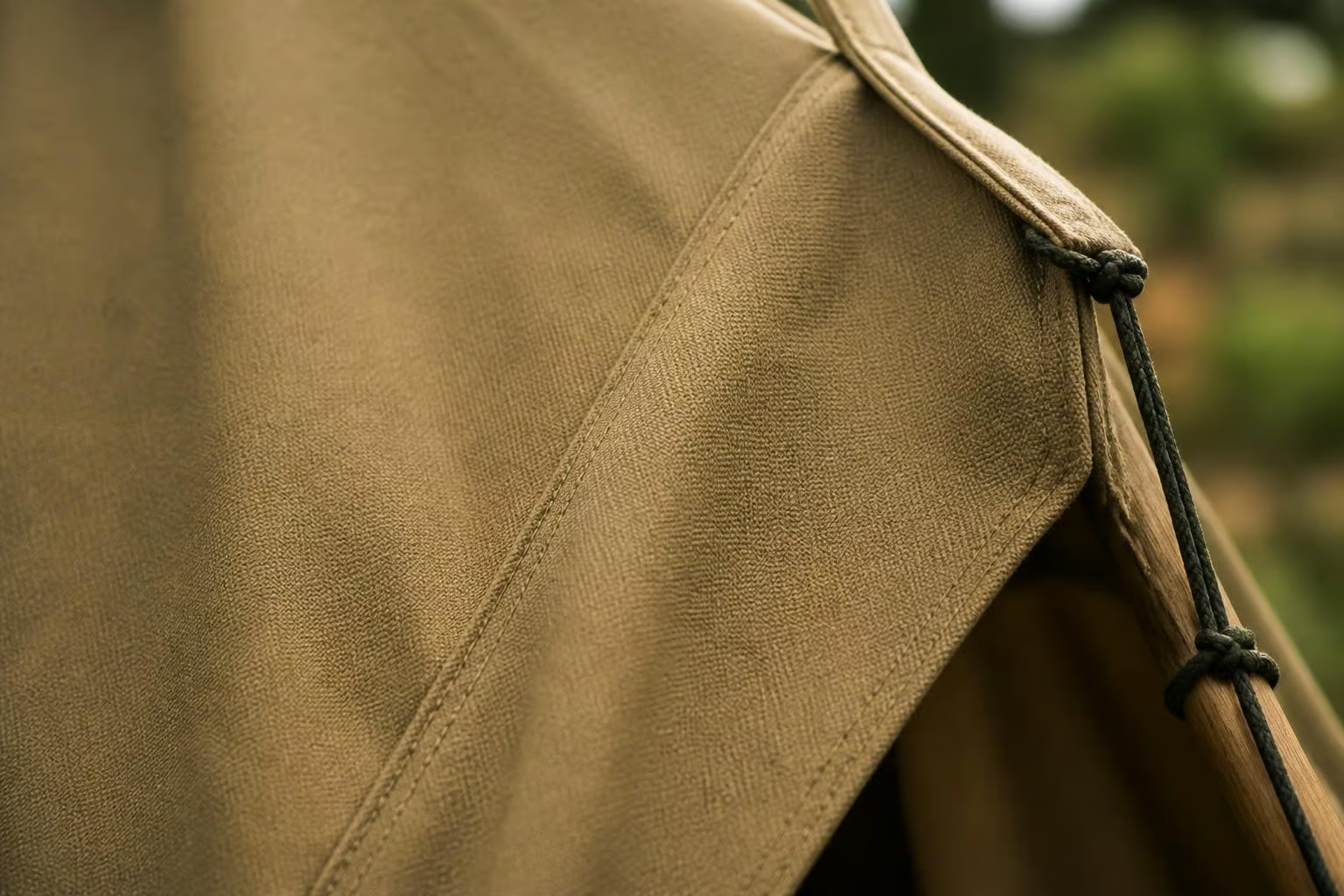
When choosing outdoor shelter, the material matters more than any other single factor. A canvas material tent represents centuries of proven performance combined with modern manufacturing techniques that deliver unmatched durability and comfort in challenging environments. Unlike synthetic alternatives that trap moisture and degrade under UV exposure, canvas breathes naturally while protecting occupants from rain, wind, and harsh sunlight. For adventurers, event organizers, and outdoor enthusiasts across South Africa, understanding what makes canvas superior helps ensure you invest in shelter that performs reliably for years.
Canvas tent fabric differs fundamentally from polyester, nylon, and other synthetic materials in both composition and performance. The base material is tightly woven cotton or a cotton-polyester blend that creates a dense, breathable barrier.
Traditional canvas uses 100% cotton fibers woven in a plain weave pattern. Modern manufacturers often specify ripstop weave construction, which incorporates reinforcement threads at regular intervals to prevent tears from spreading. The fabric weight, measured in grams per square meter (GSM), directly indicates durability and weather resistance.
Canvas material tent options typically range from 250 GSM to 600 GSM, with heavier weights providing greater longevity and weather protection. A 300 GSM canvas offers excellent all-around performance for seasonal camping, while 400-600 GSM grades suit permanent or semi-permanent installations in extreme climates.
| Fabric Weight | Best Applications | Expected Lifespan | Weather Resistance |
|---|---|---|---|
| 250-300 GSM | Seasonal camping, short-term events | 3-5 years | Good |
| 350-400 GSM | Extended camping, safari lodges | 5-8 years | Excellent |
| 450-600 GSM | Permanent installations, harsh climates | 8-12+ years | Outstanding |
The weave density determines how tightly fibers interlock. Higher thread counts create smaller gaps between fibers, improving waterproofing and wind resistance. Quality canvas material tent products feature thread counts between 10×10 and 14×14 threads per inch.
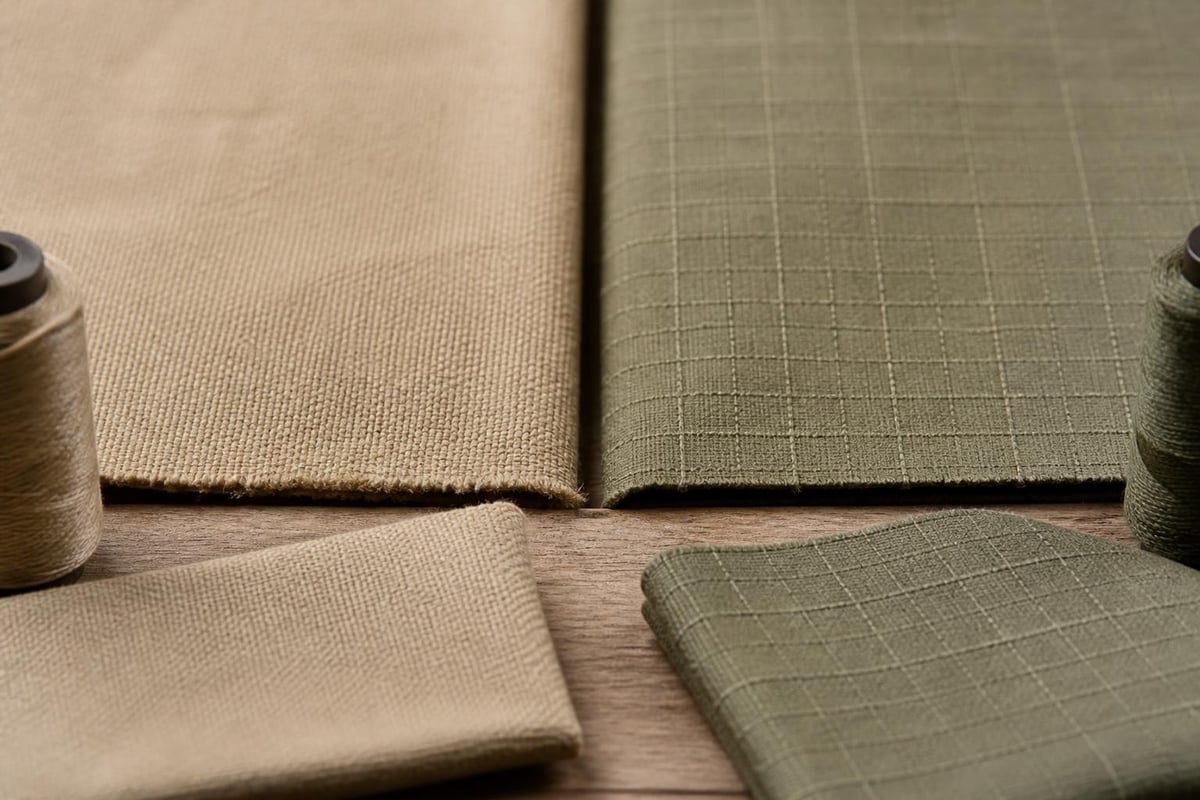
Cotton fibers naturally swell when wet, causing the weave to tighten and block water penetration. This self-sealing property, combined with proper waterproofing treatments, makes canvas exceptionally weather-resistant without sacrificing breathability.
One critical advantage of a canvas material tent over synthetic alternatives lies in moisture management and interior climate regulation. Canvas allows water vapor to escape through the fabric while blocking liquid water from entering.
Condensation plagues synthetic tents because waterproof coatings trap moisture inside. Occupants exhale approximately one liter of water vapor per person per night through breathing alone. In sealed synthetic tents, this moisture condenses on interior surfaces, dripping onto sleeping bags and gear.
The cotton fibers in canvas provide natural insulation that moderates temperature extremes. In hot conditions, the breathable fabric allows hot air to escape while reflecting radiant heat. During cold weather, canvas retains warmth better than thin synthetic materials.
Research published in technical fabrication studies demonstrates that canvas tents maintain more stable interior temperatures compared to polyester equivalents, with temperature swings reduced by 30-40% in side-by-side testing.
For extended stays in variable climates, this breathability translates directly to comfort and health. Reduced condensation means dry gear, better sleep quality, and lower risk of mold or mildew developing inside your shelter.
A properly treated canvas material tent sheds rain effectively while maintaining breathability. This dual performance requires careful selection of waterproofing treatments and attention to construction details.
Canvas receives waterproofing through several methods. Traditional treatments use wax-based compounds that fill gaps in the weave. Modern treatments often apply fluoropolymer or silicone coatings that bond to fibers without blocking airflow.
Wax-based treatments penetrate deep into cotton fibers and create a hydrophobic barrier. Paraffin or beeswax formulations require periodic reapplication but preserve canvas breathability exceptionally well.
Acrylic waterproofing forms a flexible coating on fabric surfaces. These treatments last longer than wax but slightly reduce breathability. They work particularly well in moderate climates where extreme condensation isn't a concern.
Silicone-based treatments bond at the molecular level with cotton fibers. They offer superior water repellency and UV protection while maintaining good vapor transmission. Premium canvas material tent products often specify factory silicone treatment.
Seam waterproofing presents a unique challenge. Stitching creates thousands of needle holes where water can penetrate. Quality manufacturers use several strategies to seal seams, including double-stitched fell seams, heat-taped seam reinforcement, and specialized seam-sealing compounds. The AMANN knowledge hub provides detailed guidance on professional seam waterproofing techniques that ensure stitch lines don't become weak points.
| Treatment Type | Durability | Breathability | Reapplication Frequency | Best For |
|---|---|---|---|---|
| Wax-based | 1-2 seasons | Excellent | Annually | Frequent users |
| Acrylic | 2-4 seasons | Good | Every 2 years | Moderate climates |
| Silicone | 4-6 seasons | Very Good | Every 3-4 years | Premium applications |
The UNHCR family tent specifications outline rigorous waterproofing standards developed for humanitarian deployments, including hydrostatic head ratings above 350mm and specific seam-sealing requirements that inform best practices across the industry.
A canvas material tent outlasts synthetic alternatives by substantial margins when properly maintained. The natural strength of cotton fibers, combined with UV-resistant treatments, creates shelter that withstands years of exposure.
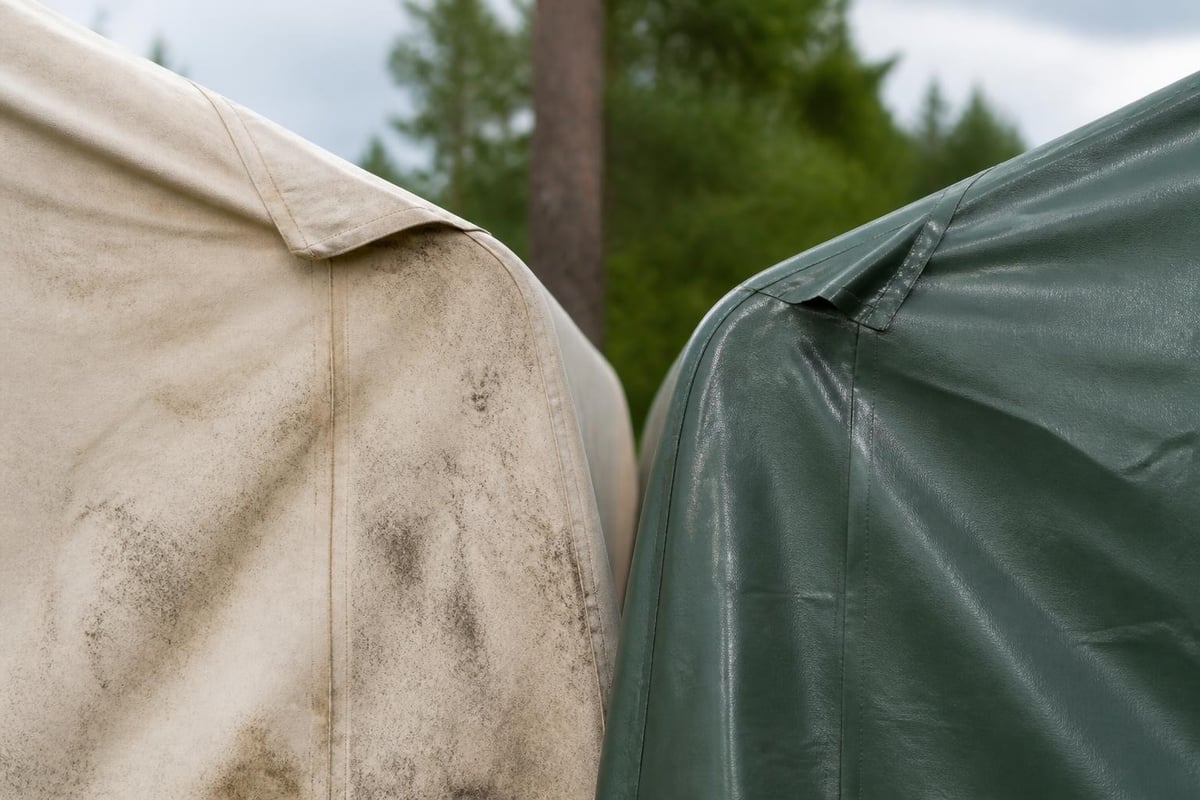
Cotton fibers resist UV degradation far better than polyester or nylon. While synthetic fabrics become brittle and weak after 2-3 seasons of sun exposure, treated canvas maintains structural integrity for 5-10 years or longer.
UV exposure represents the primary enemy of fabric durability. Direct sunlight breaks down chemical bonds in both natural and synthetic fibers. Canvas receives protection through UV-inhibitor treatments that absorb or reflect harmful wavelengths.
Abrasion resistance determines how well fabric withstands rubbing, scraping, and physical contact. Canvas's tight weave and thick fibers resist damage from branches, rocks, and general handling. Ripstop construction prevents small tears from spreading into major failures.
Mold and mildew develop when organic materials remain damp in warm conditions. Proper ventilation and periodic drying prevent biological growth. Many manufacturers apply antimicrobial treatments that inhibit mold without affecting breathability.
Frame stress points experience concentrated loads where poles contact fabric. Quality canvas material tent designs incorporate reinforced patches, grommets, and stress distribution systems that prevent localized wear.
For those seeking proven durability in South African conditions, the Premium Heavy-Duty Canvas Dome Tent demonstrates how proper engineering and material selection create shelter that withstands the demanding African climate season after season.
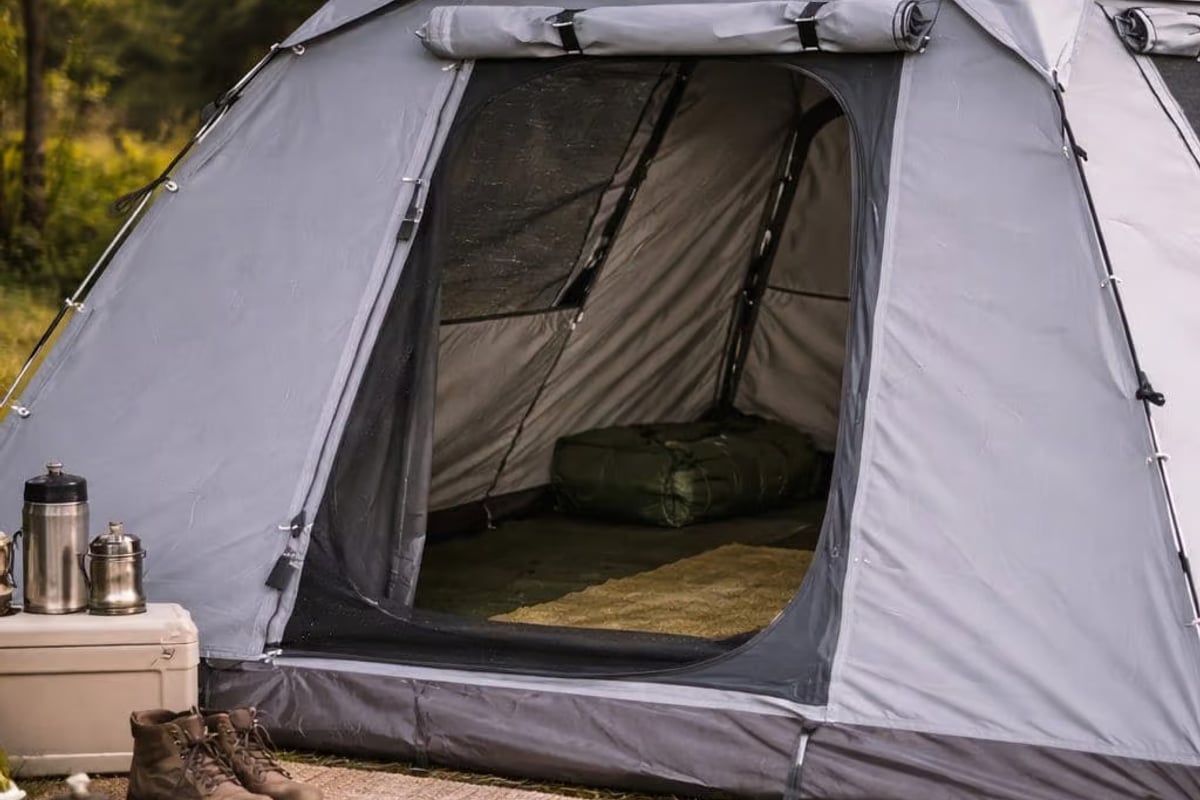
Repair accessibility significantly extends canvas tent life. Unlike synthetic fabrics that require heat sealing or specialized patches, canvas accepts traditional needle-and-thread repairs. Field repairs using basic sewing kits restore full functionality, making canvas ideal for remote deployments.
Canvas material tent installation differs from synthetic tent setup in several important ways. The heavier fabric and more substantial construction require different techniques but reward users with superior stability.
Canvas weighs considerably more than equivalent synthetic shelters. A 4-person canvas tent typically weighs 15-25 kg compared to 3-5 kg for polyester alternatives. This weight difference affects transportation and setup logistics.
For vehicle-based camping, the weight presents minimal concern. The durability and comfort benefits far outweigh portability costs when you're not carrying shelter on your back. For backpacking applications, canvas rarely makes sense unless using base-camp setups with minimal moves.
Setup time increases slightly due to heavier materials and more robust pole systems. Expect to spend 15-30 minutes erecting a canvas material tent compared to 5-15 minutes for lightweight synthetic options. The tradeoff delivers dramatically better stability in wind and weather.
Proper tension ensures canvas performs optimally. Unlike stretchy synthetic fabrics, canvas requires initial setup tension plus adjustment as humidity changes affect fiber dimensions.
Canvas naturally loosens slightly when wet and tightens as it dries. This characteristic requires periodic guy line adjustment during extended setups. The self-tightening effect actually improves weatherproofing as wet fibers swell to seal gaps.
Preserving canvas material tent performance requires regular maintenance, but the tasks are straightforward and reward diligence with exceptional longevity.
Field cleaning involves brushing off dirt and debris after each use. Avoid aggressive scrubbing that might damage waterproofing treatments. For stubborn stains, use mild soap and lukewarm water, then rinse thoroughly.
Deep cleaning should occur annually or when visible soiling accumulates. Set up the tent completely, spray with water, apply canvas-specific cleaner, scrub gently with a soft brush, and rinse until water runs clear. Allow complete drying before storage.
Storage preparation critically affects mold prevention. Never pack wet canvas. If weather forces takedown in wet conditions, dry the tent completely within 48 hours. Store in a cool, dry location with adequate air circulation.
Even quality factory treatments degrade over time. Reapply waterproofing when water no longer beads on fabric surfaces or when you notice increased interior moisture.
Test waterproofing by spraying fabric with a hose. Water should form beads that roll off rather than soaking in. If fabric darkens and absorbs water, retreatment is needed.
Application process requires clean, dry fabric. Apply treatment according to manufacturer instructions, ensuring even coverage. Pay special attention to seams and high-wear areas. Some treatments require heat activation or curing time before exposure to moisture.
The UNHCR family tent specifications include detailed maintenance protocols developed through extensive field experience, offering valuable guidance on extending canvas shelter life in demanding conditions.
Fire safety represents a critical consideration for any canvas material tent, particularly in commercial, event, or regulated applications. Natural cotton burns readily unless treated with flame-retardant chemicals.
Most jurisdictions require flame-retardant (FR) treatment for tents used in public gatherings, commercial campgrounds, or events. These chemical treatments significantly slow ignition and reduce flame spread.
CPAI-84 certification indicates compliance with the Canvas Products Association International standard for flame resistance in camping tentage. This specification requires fabric to self-extinguish when flame source is removed and limits char length and afterglow duration.
The International Fire Code establishes permit requirements and safety standards for temporary membrane structures including canvas tents in many jurisdictions. Event organizers and commercial operators should verify local requirements before installation.
Canadian flammability and labelling requirements provide additional regulatory framework that many manufacturers reference when developing compliant products.
Proper ventilation prevents carbon monoxide buildup when using heating devices inside canvas shelters. While canvas breathes better than synthetic materials, adequate airflow remains essential.
Never operate unvented combustion devices in enclosed spaces. Use only equipment specifically rated for indoor use, maintain adequate ventilation openings, and install battery-operated CO detectors.
Canvas material tent versatility serves diverse applications from family camping to semi-permanent accommodations. Understanding optimal use cases helps match shelter to need.
Family camping benefits enormously from canvas comfort and durability. The spacious interiors, standing height, and pleasant interior climate make extended stays enjoyable. Overlanding enthusiasts appreciate how canvas withstands rough roads, harsh sun, and variable weather encountered on remote trails.
Safari and bush camping put canvas characteristics to excellent use. The neutral colors blend with natural surroundings, breathability prevents condensation in humid climates, and durability handles thorny vegetation without damage.
Canvas creates inviting event spaces for weddings, markets, and gatherings. The natural aesthetic appeals to clients seeking authentic or rustic ambiance. Proper FR treatment and permitting ensure regulatory compliance.
Glamping operations increasingly specify canvas for guest accommodations. The premium feel, temperature regulation, and durability justify higher investment costs while reducing replacement frequency.
| Application | Key Benefits | Typical Tent Size | Recommended GSM |
|---|---|---|---|
| Family camping | Comfort, space, climate control | 3m x 4m to 4m x 6m | 300-350 GSM |
| Overlanding | Durability, compact storage | 2m x 3m to 3m x 4m | 350-400 GSM |
| Safari lodge | Aesthetics, breathability | 3m x 6m to 5m x 8m | 350-450 GSM |
| Event venue | Fire safety, appearance | 5m x 10m and larger | 400-550 GSM |
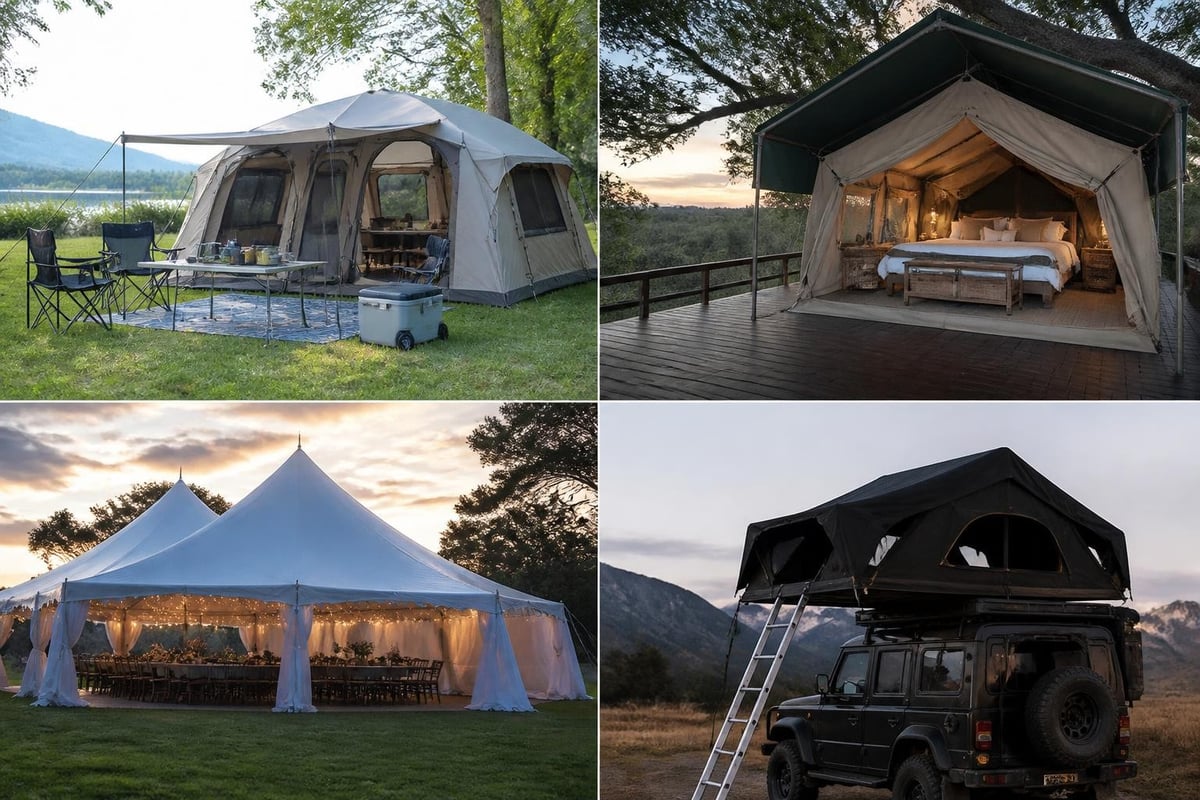
Canvas performs exceptionally well in hunting camps, research stations, and seasonal work sites. The durability justifies investment when shelters remain in place for months at a time. Unlike temporary synthetic tents, canvas withstands extended UV exposure without degrading.
For those exploring canvas options, Ejenti Outdoor offers a comprehensive range designed specifically for South African conditions, from compact camping tents to large safari lodge configurations.
Canvas material tent pricing exceeds synthetic alternatives significantly, but total cost of ownership tells a different story. Understanding the financial equation helps justify investment.
Entry-level canvas tents start around R3,000-R5,000 for small two-person models. Family-sized tents range from R8,000-R20,000 depending on size and features. Premium safari or lodge tents command R25,000-R60,000 or more.
Comparable synthetic tents cost 40-60% less initially. A family tent that costs R12,000 in canvas might cost R5,000-R7,000 in polyester construction.
Canvas lasts 3-5 times longer than synthetic equivalents under similar conditions. A quality canvas material tent providing 8-10 years of service compares favorably to replacing synthetic tents every 2-3 years.
Total cost calculation example:
The canvas option costs less annually despite higher upfront investment. Factor in superior comfort, better resale value, and environmental considerations, and value proposition strengthens further.
Canvas accepts economical repairs that restore full functionality. A professionally repaired tear costs R200-R500 compared to R800-R1,500 for synthetic fabric replacement panels that require specialized heat-sealing equipment.
Budget R300-R800 annually for waterproofing retreatment and basic maintenance supplies. This modest investment preserves performance and extends lifespan significantly.
Sustainability increasingly influences purchasing decisions. Canvas material tent production and disposal create different environmental impacts than synthetic alternatives.
Cotton cultivation requires significant water and may involve pesticide use, though organic cotton options reduce chemical inputs. The natural fiber biodegrades completely at end of life, unlike polyester that persists for decades.
Manufacturing canvas involves less energy-intensive processes than petrochemical-based synthetic production. The carbon footprint of cotton fabric production typically registers 30-50% lower than equivalent polyester manufacturing.
Extended lifespan represents canvas's strongest environmental advantage. One tent lasting 10 years prevents 3-4 synthetic replacements from reaching landfills. The repair-friendly nature further extends usable life.
When canvas finally reaches end of service, the natural fibers decompose within months in proper conditions. Synthetic tents release microplastics during use and persist indefinitely in waste streams.
Matching tent specifications to intended use ensures satisfaction and optimal performance. Several factors deserve careful consideration during selection.
Manufacturers rate capacity by how many sleeping pads fit inside. Add 1-2 persons to rated capacity for comfortable spacing with gear storage. A "4-person" tent comfortably sleeps 2-3 with equipment.
Vertical space matters significantly in canvas tents where you'll spend extended time. Sidewall height and peak height determine whether you can stand, change clothes comfortably, and move around freely.
Pole material affects weight, strength, and cost. Steel poles provide maximum strength and wind resistance but add weight. Aluminum poles reduce mass while maintaining good performance. Fiberglass represents the budget option with adequate strength for moderate conditions.
Frame geometry determines stability in wind. Geodesic and semi-geodesic designs distribute loads efficiently. Traditional A-frame or cabin designs offer more interior space but require guy lines for stability.
Proper anchoring systems prove critical in canvas tents' heavier weight. Look for substantial stake loops, reinforced grommet placement, and adequate guy line attachment points. The anchoring strategy should match anticipated wind loads and soil conditions.
Canvas material tents deliver unmatched durability, comfort, and value for serious outdoor enthusiasts who demand shelter that performs reliably across seasons and conditions. The breathability, weather resistance, and exceptional lifespan justify investment costs while providing camping experiences that synthetic alternatives simply cannot match. Whether you need reliable family camping shelter, durable safari accommodation, or event spaces that withstand South African conditions, Ejenti Outdoor manufactures canvas tents engineered specifically for local climates with the quality materials and construction that ensure years of dependable service.