
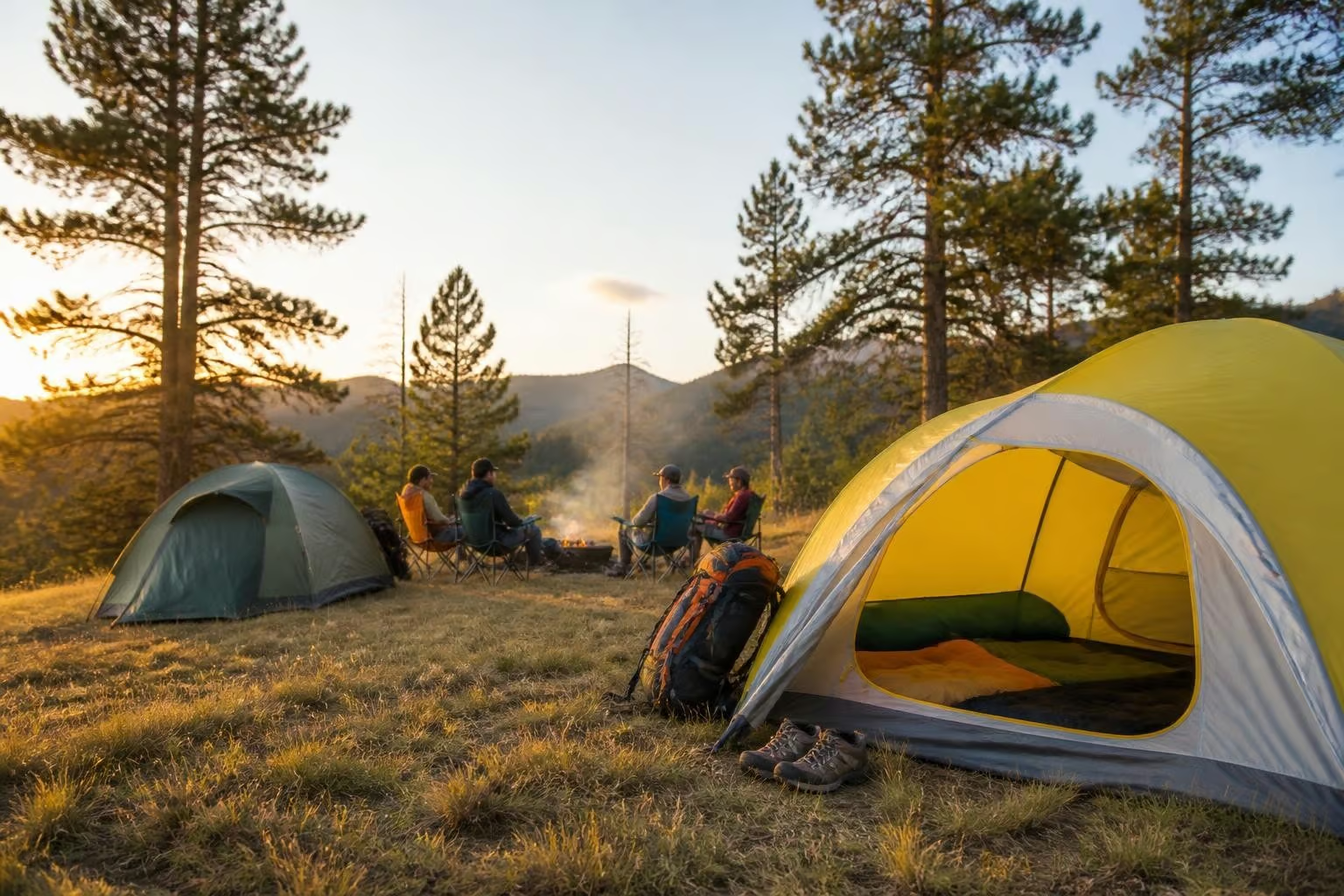
Choosing the right tent in camping determines whether your outdoor adventure becomes a memorable experience or a challenging ordeal. From weekend family getaways to extended bush expeditions, the tent you select serves as your primary shelter, protecting you from weather, insects, and the elements. Understanding how different tent styles, materials, and features perform in real-world conditions helps you make informed decisions that match your specific camping needs.
The tent in camping serves multiple critical functions beyond basic shelter. It creates a private space in shared campgrounds, stores your gear safely, and provides protection against unpredictable weather conditions common across South Africa's diverse climate zones.
Your tent acts as the first line of defense against environmental challenges. Rain protection keeps you and your equipment dry during sudden downpours, while UV-resistant fabrics shield you from intense African sun exposure. Wind resistance becomes particularly important when camping in exposed areas or coastal regions where gusts can reach significant speeds.
Key protection features include:
Temperature regulation inside your tent depends heavily on fabric choice and design. Canvas tents breathe naturally, allowing air circulation that prevents the greenhouse effect common in synthetic materials. During winter camping, this same breathability works with proper insulation to maintain comfortable interior conditions.
The tent in camping must balance portability with livable space. A cramped tent makes extended stays uncomfortable, while an oversized shelter adds unnecessary weight and setup complexity. Consider peak height for sitting comfort, floor area for sleeping arrangements, and vestibule space for gear storage when evaluating tent dimensions.
| Tent Capacity | Floor Area (approx) | Peak Height | Best Use Case |
|---|---|---|---|
| 2-person | 2.5m x 1.5m | 1.0-1.2m | Backpacking, minimalist camping |
| 4-person | 3m x 2m | 1.4-1.6m | Family weekends, car camping |
| 6-person | 3m x 4m | 1.8-2.0m | Group camping, extended stays |
| Safari Lodge | 3m x 6m | 2.0-2.5m | Semi-permanent, luxury camping |
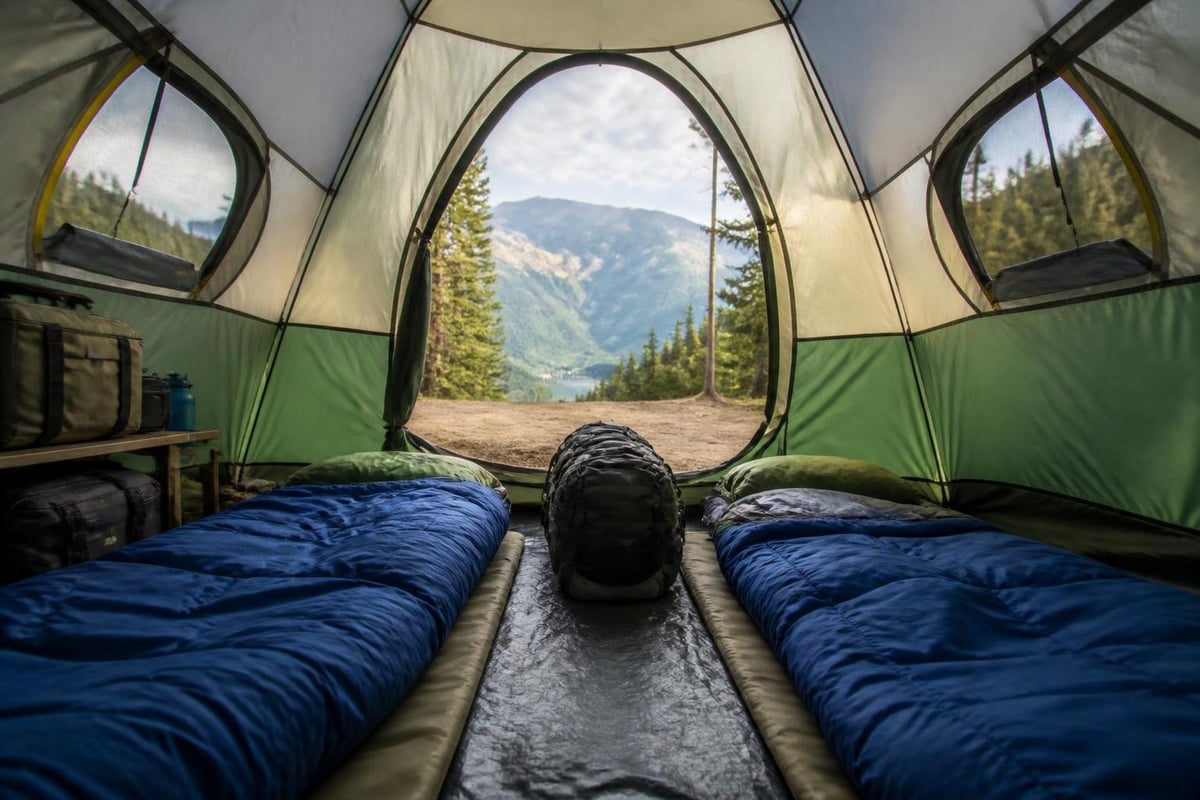
The fabric and construction materials used in tent in camping equipment directly impact durability, weather resistance, and long-term performance. South African conditions demand materials that withstand intense UV exposure, sudden temperature swings, and occasional heavy rain.
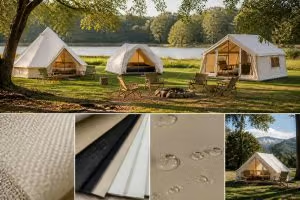
Canvas remains the gold standard for tent in camping durability and comfort. The natural cotton fibers expand when wet, creating a waterproof barrier while maintaining breathability. This makes canvas ideal for extended camping trips where condensation management becomes critical. Canvas tents typically use 300gsm to 400gsm ripstop fabric, offering excellent tear resistance and longevity.
Synthetic materials like polyester and nylon provide lightweight alternatives with different performance characteristics. These fabrics require waterproof coatings (polyurethane or silicone) since they don't naturally repel water. Synthetic tents pack smaller and weigh less, making them suitable for backpacking and mobile camping where weight matters.
Material comparison:
Understanding waterproof ratings helps you match tent in camping equipment to expected conditions. Hydrostatic head measurements indicate how much water pressure fabric withstands before leaking. For South African camping, minimum 1500mm ratings work for fair weather, while 3000mm or higher suits regions with frequent rain.
The outdoor materials and coatings you choose impact environmental sustainability alongside performance. DWR (Durable Water Repellent) treatments wear over time and require reapplication. Canvas naturally develops better waterproofing through seasoning-the process where fibers swell and seal during initial exposure to moisture.
When selecting a tent in camping contexts where extreme weather is common, look for reinforced stress points, double-stitched seams, and factory-sealed construction. These features prevent failure at pole attachment points and along seam lines where water typically infiltrates.
Different tent in camping designs excel in specific scenarios. Matching tent architecture to your camping style ensures optimal performance and user satisfaction.
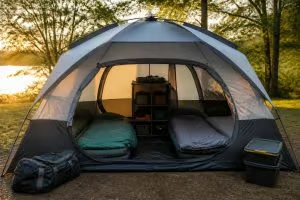
Dome tents offer excellent wind resistance through their curved profile, which deflects gusts rather than catching them. The tent in camping applications using dome architecture typically features two or more poles that cross at the center, creating a freestanding structure. This design allows repositioning without complete disassembly-useful when adjusting for shade or drainage.
Tunnel tents maximize interior space by using parallel hoops that create longer, more rectangular floor plans. These work exceptionally well for family camping where headroom and storage matter more than wind performance. However, tunnel designs require proper staking and orientation to handle crosswinds effectively.
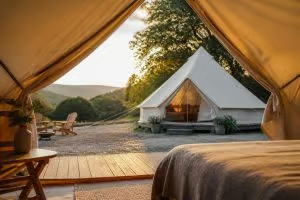
The classic bell tent brings both aesthetic appeal and practical benefits to tent in camping setups. Center-pole construction creates a spacious circular interior with vertical walls that maximize usable space. Bell tents excel in semi-permanent installations like glamping sites, extended safari camps, or base-camp scenarios.
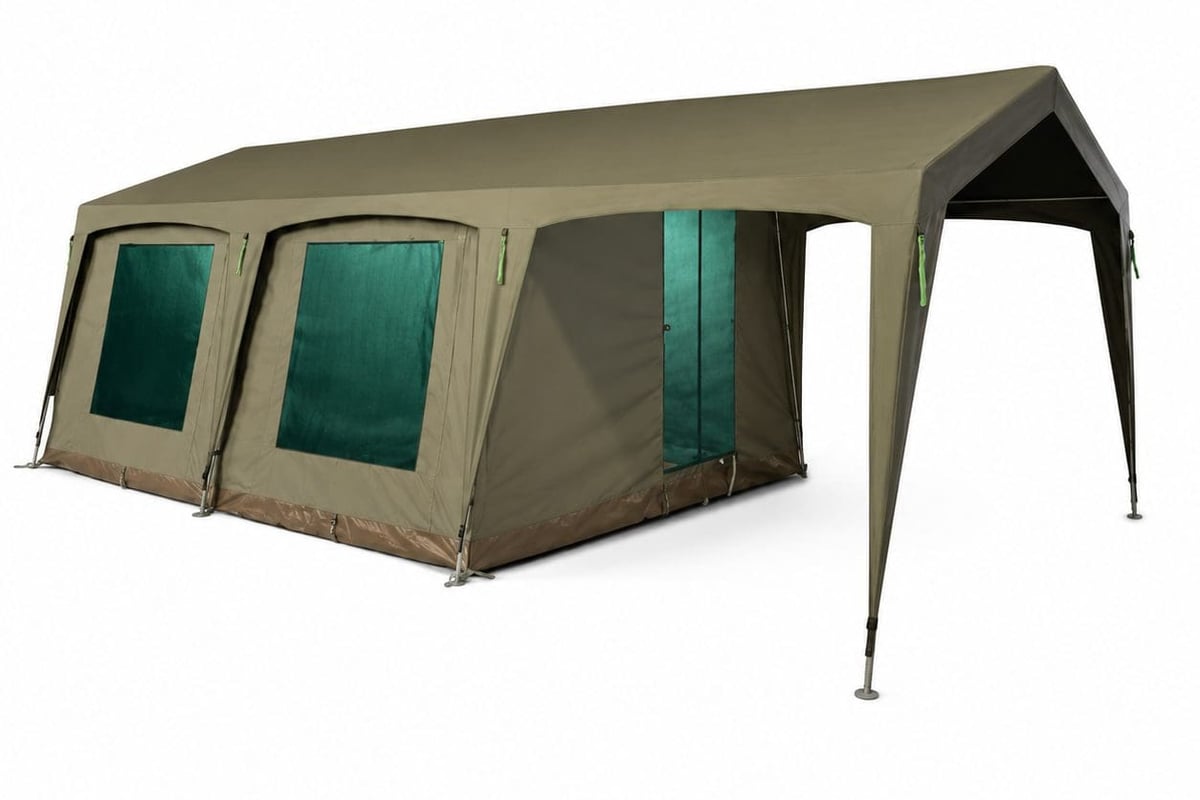
Safari lodge tents, such as the 3m x 6m Safari Lodge Tent Two Room Waterproof Canvas Tent South Africa, provide structured accommodation for longer stays. These tents often include separate rooms, standing height throughout, and features like windows with screens and zippered doors. The two-room layout offers privacy and organization that single-space tents cannot match, making them ideal for families or couples on extended camping trips.
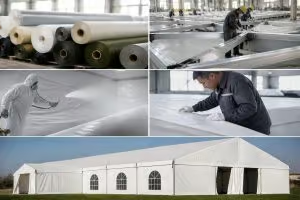
Beyond recreational camping, tent in camping contexts extends to events, markets, and temporary structures. Marquee and gazebo-style tents provide overhead protection for gatherings while maintaining open sides for airflow and access. These structures use heavier-duty frames and fabrics designed for repeated setup and public use.
When evaluating camping gear for specific applications, consider setup complexity alongside performance features. Event tents prioritize quick assembly and weather protection over weight, while backpacking tents make opposite trade-offs.
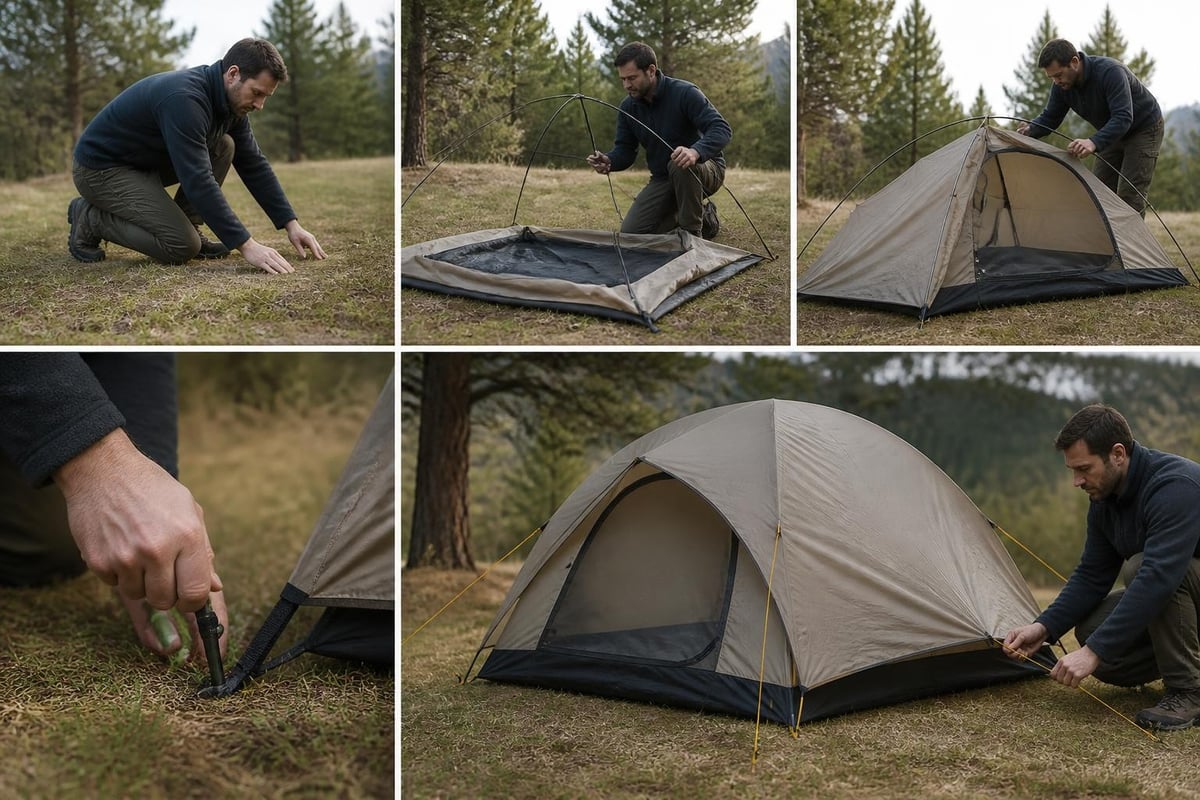
Proper tent in camping installation protects your investment and ensures reliable performance. The setup process varies by tent type, but fundamental principles apply across all designs.
Choose your tent location carefully before unpacking equipment. According to National Park Service guidelines, campers should use designated tent pads when available and avoid creating new sites that damage vegetation. Look for level ground with natural drainage that directs water away from your tent footprint.
Site preparation checklist:
The tent in camping performance improves dramatically with proper ground preparation. A footprint or ground cloth adds an extra barrier against moisture and abrasion. This separate layer extends tent floor life and provides easier cleanup when packing up camp.
Modern tent poles typically use shock-cord assembly that keeps sections connected. Feed poles through sleeves or attach to clips in the sequence specified by your manufacturer. The tent in camping stability depends on even tension across all pole attachment points.
Stake out corners first, pulling fabric taut without over-stressing seams. Work systematically around the tent, securing guy lines at recommended angles (typically 45 degrees from anchor points). Proper tensioning prevents fabric flapping that causes noise and accelerates wear. In windy conditions, additional guy lines and stakes transform tent performance from marginal to secure.
For canvas tents requiring seasoning, expect some leakage during first rains. The fibers need moisture exposure to swell and seal properly. Some manufacturers recommend pre-wetting new canvas to accelerate this process before your first camping trip.
The tent in camping equipment represents a significant investment that rewards proper maintenance with years of reliable service. Regular care prevents minor issues from becoming expensive failures.
Clean your tent after each trip, even if it appears minimally soiled. Dirt and organic matter trapped in fabric weave promote mold growth and accelerate UV degradation. Use mild soap and lukewarm water for spot cleaning, avoiding harsh detergents that strip waterproof coatings.
Post-trip maintenance routine:
Never store a tent in camping gear wet or damp. Mold and mildew damage canvas irreparably and create unpleasant odors in synthetic fabrics. If you must pack wet due to weather or departure schedules, unpack and dry within 24-48 hours to prevent permanent damage.
Minor tent in camping repairs extend equipment life significantly. Carry a repair kit with fabric patches, seam sealer, and pole repair sleeves on trips. Small tears in mesh or fabric respond well to adhesive patches applied to both sides of the damage.
Canvas tents benefit from periodic reproofing treatments that restore water repellency. These products penetrate fabric and renew the waterproof barrier without blocking breathability. For synthetic tents, reapply DWR coatings when you notice water absorption rather than beading on the fly fabric.
Pole sections sometimes crack or split, especially aluminum poles in cold conditions. Temporary field repairs using duct tape or pole splints allow completion of your trip. Permanent solutions involve replacing damaged sections or entire pole sets depending on the damage location and extent.
The tent in camping safety extends beyond weatherproofing to include fire safety, ventilation, and regulatory compliance. Understanding these factors protects both campers and equipment.
Tent flammability varies significantly by material and treatment. The ASTM F3431-21 standard establishes testing protocols and labeling requirements for recreational tents, helping consumers understand fire performance. Canvas naturally resists ignition better than untreated synthetic materials, though both benefit from flame-retardant treatments.
Maintain proper spacing between tents and open flames. NFPA guidelines recommend minimum 3-meter separation between tents and another 3 meters from cooking equipment or campfires. These spacing requirements become particularly important in organized campgrounds where multiple tents cluster together.
| Safety Distance | Requirement | Reason |
|---|---|---|
| Tent to tent | 3 meters minimum | Fire spread prevention |
| Tent to cooking fire | 3 meters minimum | Spark and heat protection |
| Tent to vehicle | 2 meters recommended | Exhaust and heat hazard |
| Tent to overhead power | 5+ meters | Electrical safety |
Proper airflow in tent in camping setups prevents carbon monoxide accumulation and reduces condensation. Never use fuel-burning devices (stoves, heaters, lanterns) inside closed tents. Carbon monoxide poisoning occurs silently and can be fatal even with partial ventilation.
Open vents and mesh panels facilitate air exchange while maintaining insect protection. In cold weather, resist the temptation to seal every opening. Condensation from breathing and body heat creates moisture that dampens sleeping bags and reduces insulation effectiveness.
When camping in areas requiring specific etiquette and safety protocols, familiarize yourself with local regulations before arrival. Some parks restrict tent types, require specific setups, or designate particular camping zones for different equipment categories.
The tent in camping selection for South African environments must account for unique regional challenges. From the highveld's intense summer sun to the Western Cape's winter rains, different areas demand specific tent capabilities.
Coastal camping faces salt air, high humidity, and strong winds that challenge tent materials and construction. Rinse tents after coastal trips to remove salt deposits that corrode metal components and degrade fabrics. UV exposure along the coast accelerates fabric breakdown, making UV-resistant materials and coatings essential.
Inland highveld camping deals with dramatic temperature swings, intense UV at elevation, and sudden summer thunderstorms. The tent in camping equipment for these conditions should offer excellent ventilation for hot days, weather resistance for afternoon storms, and enough insulation properties to handle cool nights.
Regional tent requirements:
Your camping approach determines ideal tent characteristics. Weekend car campers can choose larger, heavier tents that offer more comfort since portability matters less. Browse specialized camping equipment designed for different camping styles to find the right match.
Backpackers and hikers prioritize weight and pack size, accepting reduced space and features in exchange for portability. The tent in camping weight for backpacking should stay under 2kg per person for reasonable carrying comfort. Compare this to car-camping tents that might weigh 15-20kg but provide standing room and separate compartments.
Safari and overland travelers benefit from quick-setup designs that allow rapid camp establishment after long driving days. Roof-top tents and instant-setup ground tents save energy and time when you arrive at camp exhausted. These systems trade some weather performance for convenience, making them ideal for fair-weather travel.
Modern tent in camping equipment includes numerous features that enhance comfort, convenience, and performance. Understanding which features provide real value versus marketing appeal helps focus your budget effectively.
Vestibules extend covered space beyond the sleeping area, creating protected zones for gear storage and cooking during rain. Double-vestibule designs provide entry options from both sides and separate storage from sleeping quarters. The tent in camping functionality expands significantly with well-designed vestibule space.
Internal pockets and gear lofts organize small items and keep them accessible. Headlamp hooks, phone pockets, and equipment loops prevent the clutter that makes small tents feel cramped. These organizational features seem minor but significantly impact daily camping comfort during extended trips.
Bathtub-style floors extend waterproof material up the tent walls several inches, preventing water infiltration where floor meets wall. This design element proves critical during heavy rain when ground saturation sends water flowing across the surface. The tent in camping waterproofing depends heavily on proper floor-to-wall integration.
Removable groundsheets allow floor cleaning and replacement without replacing the entire tent. This modular approach extends tent life since floors wear faster than walls and roof sections. Some premium tents include multiple groundsheet materials matched to different seasons or camping environments.
Your tent works as part of a larger camping system. When planning equipment purchases, consider how components integrate. Explore outdoor solutions that work together seamlessly rather than mixing incompatible brands and systems.
Pole diameter and sleeve design affect compatibility with replacement parts. Standardized components make field repairs easier and replacement parts more accessible. The tent in camping market includes various proprietary systems that complicate repairs and limit upgrade options.
Responsible tent in camping practices minimize environmental impact while maintaining outdoor access for future generations. Sustainable choices benefit both the environment and your long-term camping experience.
Set up tents in designated areas when available. Creating new tent sites damages vegetation and accelerates erosion. Pack out all waste, including tent stake debris and broken cord. The tent in camping impact multiplies when each camper creates new disturbances rather than using established sites.
Choose durable equipment that lasts years rather than disposable gear requiring frequent replacement. Quality tents withstand hundreds of camping nights while cheap alternatives fail after a season or two. This durability principle applies across camping equipment-invest in fewer, better items rather than accumulating disposable gear.
Materials selection affects both performance and environmental footprint. Industry sustainability initiatives promote recycled fabrics, safer waterproofing technologies, and responsible sourcing. Canvas from sustainable cotton or recycled synthetics reduces virgin material consumption.
Local manufacturing, such as South African-made outdoor fabrics, reduces transportation emissions and supports regional economies. The tent in camping equipment produced domestically often adapts better to local conditions since designers understand regional weather patterns and user requirements.
Waterproofing treatments transition from PFC-based coatings toward safer alternatives. While these newer treatments sometimes require more frequent reapplication, they reduce environmental persistence and bioaccumulation of harmful chemicals. Balance performance needs against environmental impact when selecting and maintaining tent coatings.
The tent in camping versatility increases when equipment adapts to different seasons. Understanding how to modify tent setups for varying conditions extends your camping season and increases equipment value.
Hot weather demands maximum ventilation and shade management. Open all vents and mesh panels to promote airflow. The tent in camping heat buildup comes primarily from solar radiation heating the rainfly and trapped air inside. Some campers remove the fly entirely during clear weather, using only the mesh inner for bug protection.
Position your tent to catch breezes while avoiding afternoon sun exposure. Natural shade from trees helps, though be aware of overhead hazards. Light-colored tents reflect more solar radiation than dark fabrics, significantly impacting interior temperature during midday hours.
Four-season tents feature stronger poles, lower ventilation, and fabrics designed for wind and snow. The tent in camping performance during winter depends on condensation management as much as warmth retention. Warm air from breathing and body heat rises and condenses on cold tent walls, creating interior moisture problems.
Maintain slight ventilation even in cold weather. Crack vents or leave vestibule doors partially unzipped to allow moisture escape. Use properly rated sleeping bags and insulated pads rather than relying on tent insulation. Tents primarily block wind and precipitation-they don't provide meaningful warmth themselves.
Extended rain tests tent waterproofing and setup skills. Pitch rainflies with maximum tautness to prevent sagging that creates water pools. Ensure guy lines maintain proper angles to shed water effectively. The tent in camping reliability during multi-day rain depends on proper initial setup and ongoing adjustment as stakes shift or soil softens.
Dig small drainage channels uphill from your tent if natural slope doesn't direct water away. These shallow trenches prevent runoff from flowing under your tent floor. Never dig trenches in protected areas or leave them when departing-fill and restore ground to natural contours.
Selecting the right tent in camping equipment requires balancing durability, weather protection, weight, and budget across diverse South African conditions. From weekend family adventures to extended bush expeditions, matching tent features to your specific camping style ensures years of reliable outdoor enjoyment. Whether you need heavy-duty canvas for semi-permanent setups or lightweight synthetic shelters for mobile camping, Ejenti Outdoor provides quality South African-made tents and outdoor solutions engineered for local conditions, backed by expert guidance to help you choose equipment that meets your exact requirements.