
Finding the right shelter for your family or small group camping trip can feel overwhelming with so many options available. 5 person tents strike a balance between spacious comfort and manageable portability, making them one of the most popular tent sizes for weekend getaways, family camping, and outdoor adventures. Whether you're planning a week-long safari in Kruger, a coastal camping trip along the Garden Route, or a mountain retreat in the Drakensberg, understanding what makes a quality 5 person tent and how to choose the right one will transform your outdoor experience from merely adequate to genuinely comfortable.
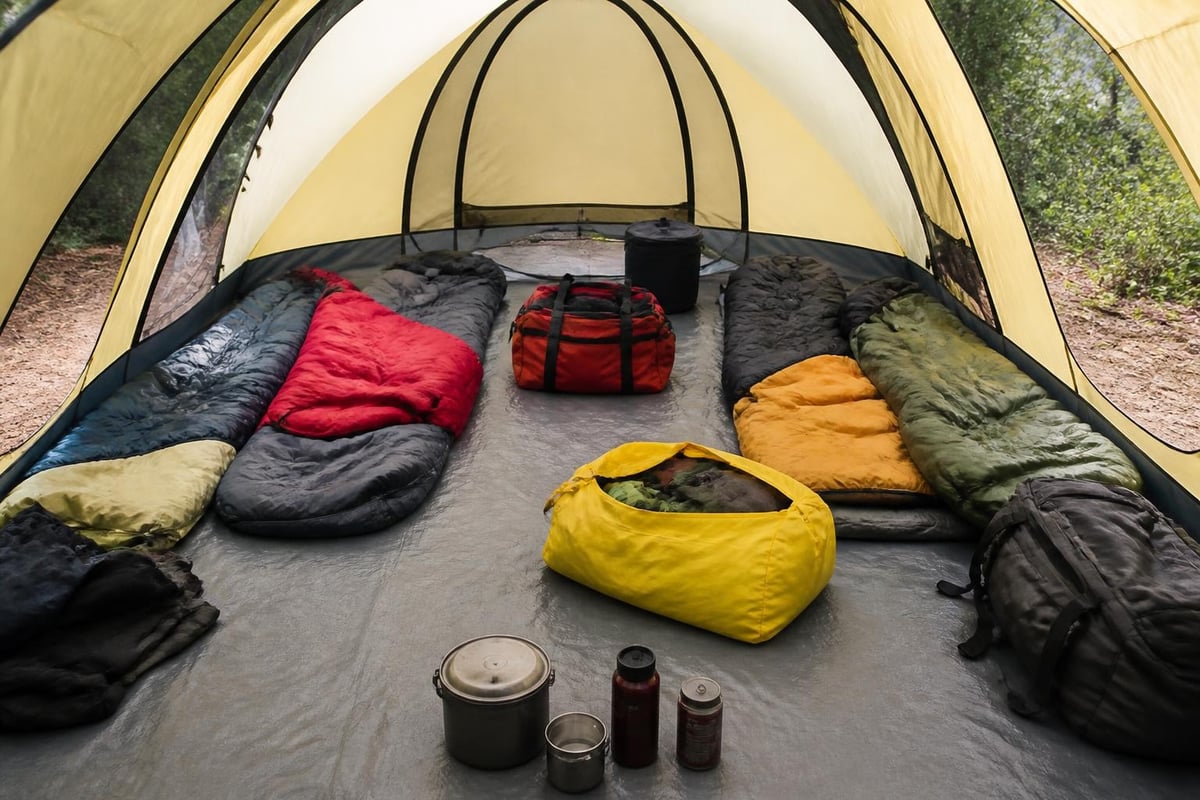
The "5 person" label on tents can be misleading if you take it literally. Manufacturers typically calculate capacity based on the number of standard sleeping bags that can fit shoulder-to-shoulder on the floor, with no room for gear, movement, or personal space.
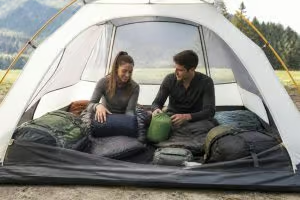
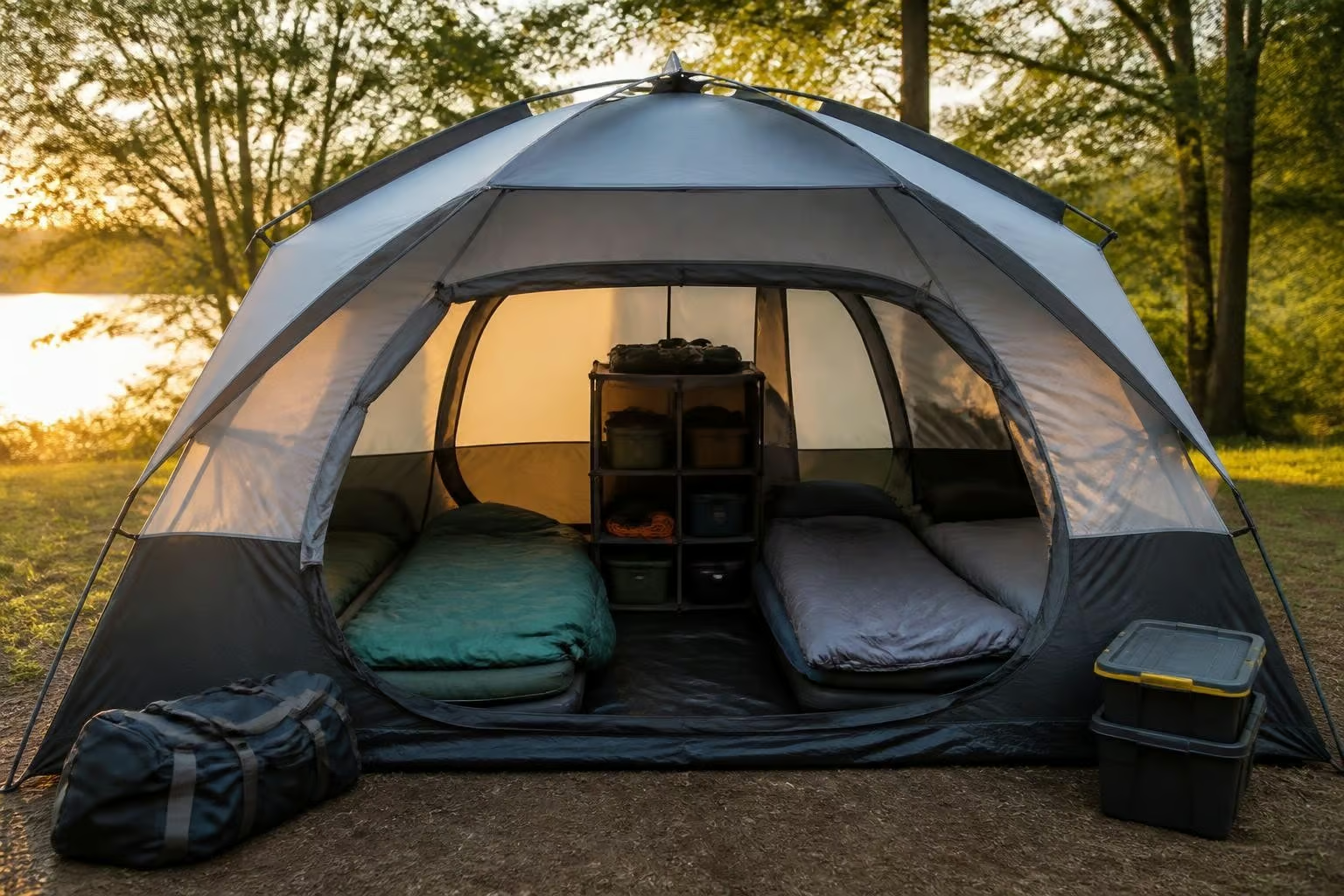
In reality, a 5 person tent comfortably sleeps three to four adults or two adults with two to three children when you account for gear storage, sitting room, and the space needed to move around without disturbing everyone. The National Park Service guidance on campsite setup recommends choosing a tent one size larger than your group count for extended trips.
Most 5 person tents offer between 75 and 100 square feet of floor space, with peak heights ranging from 1.5 to 1.8 meters. This vertical space matters significantly for comfort, especially during bad weather when everyone is confined inside.
Key space considerations include:
When evaluating floor plans, consider how the tent's shape affects usable space. Dome-style 5 person tents typically offer more consistent headroom, while cabin-style designs maximize vertical walls for better storage options.
The difference between a frustrating camping experience and a comfortable one often comes down to specific design features. Not all 5 person tents are created equal, and understanding which features matter most helps you invest wisely.
Waterproofing stands as the most critical feature for any tent. Look for ripstop canvas or polyester with a minimum hydrostatic head rating of 3,000mm for the fly and 5,000mm for the floor. South African conditions demand robust materials that handle both intense UV exposure and sudden thunderstorms.
Canvas tents manufactured from 300 GSM or heavier ripstop fabric offer superior breathability and durability compared to synthetic alternatives. The ripstop weave prevents small tears from spreading, extending the tent's usable life significantly.
| Feature | Minimum Standard | Premium Option |
|---|---|---|
| Fly waterproofing | 3,000mm HH | 5,000mm+ HH |
| Floor waterproofing | 5,000mm HH | 10,000mm HH |
| Fabric weight | 68D polyester | 300 GSM canvas |
| Seam treatment | Taped critical seams | Fully sealed |
Poor ventilation creates condensation, which leads to damp sleeping bags and uncomfortable nights. Quality 5 person tents incorporate multiple ventilation points including mesh windows, adjustable vents near the peak, and ground-level air intakes.
Effective ventilation requires:
The Outside Online gear coverage emphasizes that condensation management separates budget tents from premium designs, particularly in humid coastal environments or high-altitude settings where temperature swings are dramatic.
A tent's pole system determines how well it handles wind and how easily you can set it up after a long day of hiking. 5 person tents use either freestanding dome designs with crossing poles or semi-freestanding configurations that require staking.
Modern tent poles typically come in three materials: fiberglass, aluminum, and steel. Fiberglass poles are economical but prone to splintering and failure. Aluminum poles offer the best strength-to-weight ratio for backpacking, while galvanized steel provides maximum durability for vehicle-based camping.
For family camping in South Africa where wind can be relentless, steel-framed tents deliver peace of mind. A well-designed pole system for a 5 person tent should include:
Some premium designs incorporate multiple room dividers supported by the frame system, allowing families to create private sleeping areas within the larger space.
Storm-worthy 5 person tents feature reinforced stake loops at each corner plus additional guy-out points along the sides and rainfly. U.S. Forest Service campsite design guidance recommends at least eight stake points for tents in this size category when used in developed recreation areas.
Heavy-duty steel or aluminum stakes work better than the thin wire stakes included with many tents. In rocky South African soil, carrying a variety of stake types ensures you can secure your shelter regardless of ground conditions.
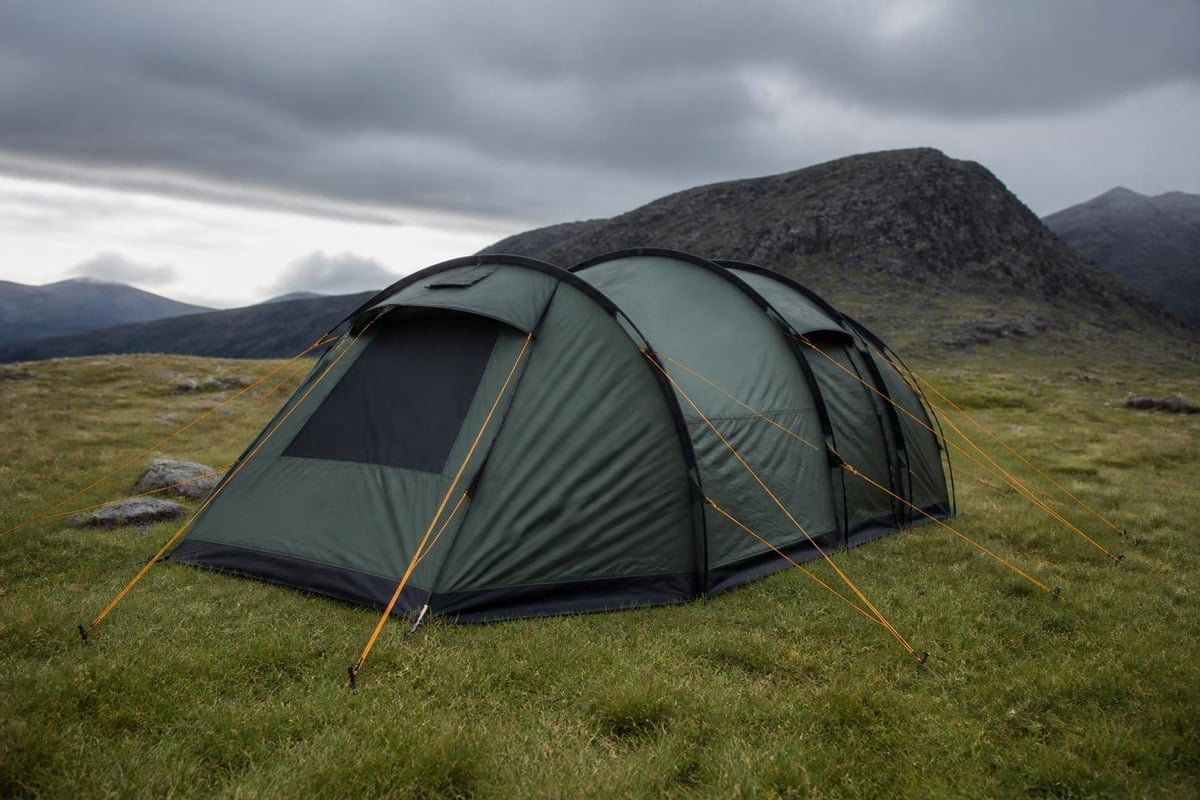
Even the best 5 person tent performs poorly if set up incorrectly or placed in an unsuitable location. Proper site selection and setup technique protect your investment and ensure comfortable nights.
Before unpacking your tent, spend time evaluating potential sites. The Appalachian Trail Conservancy campsite selection guidance emphasizes choosing established sites to minimize environmental impact while maximizing safety.
Priority factors for tent placement:
Clear the site of rocks, sticks, and pinecones that could damage the floor or create uncomfortable sleeping surfaces. A groundsheet or footprint cut slightly smaller than your tent floor adds protection and extends the tent's life.
Efficient setup becomes crucial when weather threatens or darkness approaches. Practice in your backyard before heading into the field.
Many camping-related issues stem from rushing setup. Taking an extra ten minutes to properly tension your 5 person tent prevents sagging, pooling water, and pole stress.
Your investment in a quality 5 person tent deserves proper maintenance to deliver years of reliable service. Canvas and synthetic tents require slightly different care approaches, but all benefit from regular attention.
Never store a tent wet or damp. Mold and mildew damage tent fabrics irreparably and create health hazards. After each trip, set up your tent in a shaded area and allow it to dry completely before packing.
For canvas tents specifically, brush off loose dirt and debris before storage. Stubborn stains respond well to mild soap solutions applied with a soft brush. Avoid harsh detergents that strip waterproof treatments.
Storage best practices include:
Ejenti Outdoor manufactures heavy-duty canvas tents and outdoor shelters specifically designed for South African conditions, using materials that resist UV degradation and handle temperature extremes. When you invest in quality outdoor gear, proper maintenance ensures you get maximum value from products built to last.
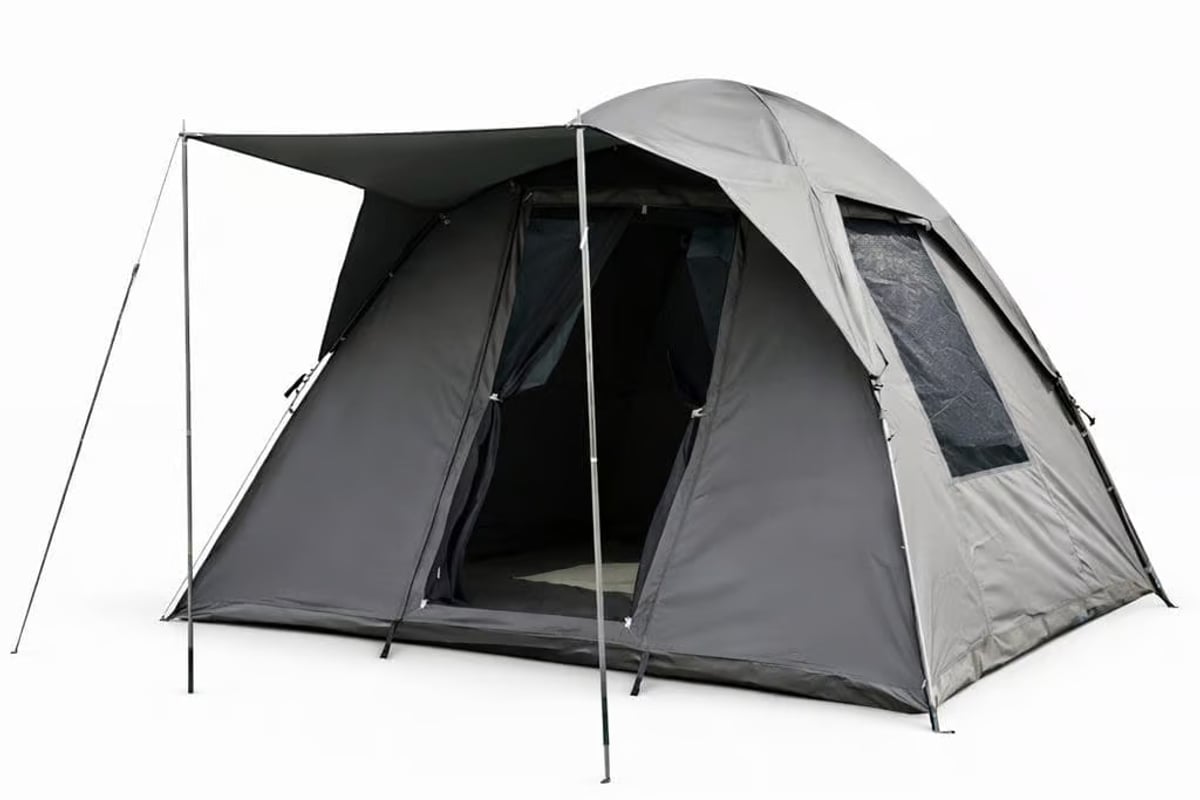
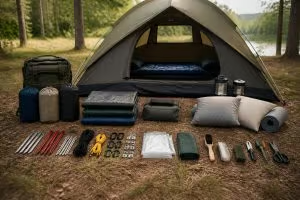
Small tears or punctures caught early prevent major failures. Carry a tent repair kit containing fabric patches, seam sealer, and pole splints. Canvas tents accept patches more readily than synthetic fabrics, creating nearly invisible repairs.
Waterproofing treatments wear off over time, especially on tent floors and high-wear areas. Reapply waterproofing products annually for tents used frequently, every 2-3 years for occasional use. Follow manufacturer guidelines for compatible treatments, as some products designed for synthetic tents damage canvas.
South Africa's diverse climate zones demand different approaches to tent selection and use. A 5 person tent that works perfectly in the summer Karoo might struggle in winter Drakensberg conditions.
Most 5 person tents fall into the three-season category, designed for spring through autumn use. These tents balance weather protection with ventilation, featuring large mesh panels and lighter fabrics.
Four-season tents prioritize weather resistance over ventilation, using heavier fabrics, stronger poles, and minimal mesh. While they handle winter mountain conditions, they become uncomfortably hot in summer lowveld environments.
| Condition | Three-Season Tent | Four-Season Tent |
|---|---|---|
| Summer coast | Excellent | Too hot |
| Summer highlands | Excellent | Adequate |
| Winter coast | Adequate | Overkill |
| Winter mountains | Marginal | Excellent |
| Wind resistance | Good | Superior |
| Condensation control | Better | Challenging |
South African summer temperatures often exceed 35°C, making tent selection crucial for comfort. Light-colored tents reflect heat better than dark colors. Position your tent to catch morning sun for warmth but afternoon shade for cooling.
During winter trips, condensation becomes the primary challenge. Maximize ventilation even in cold weather, and consider using a tent footprint that extends beyond the tent floor to create a moisture barrier.
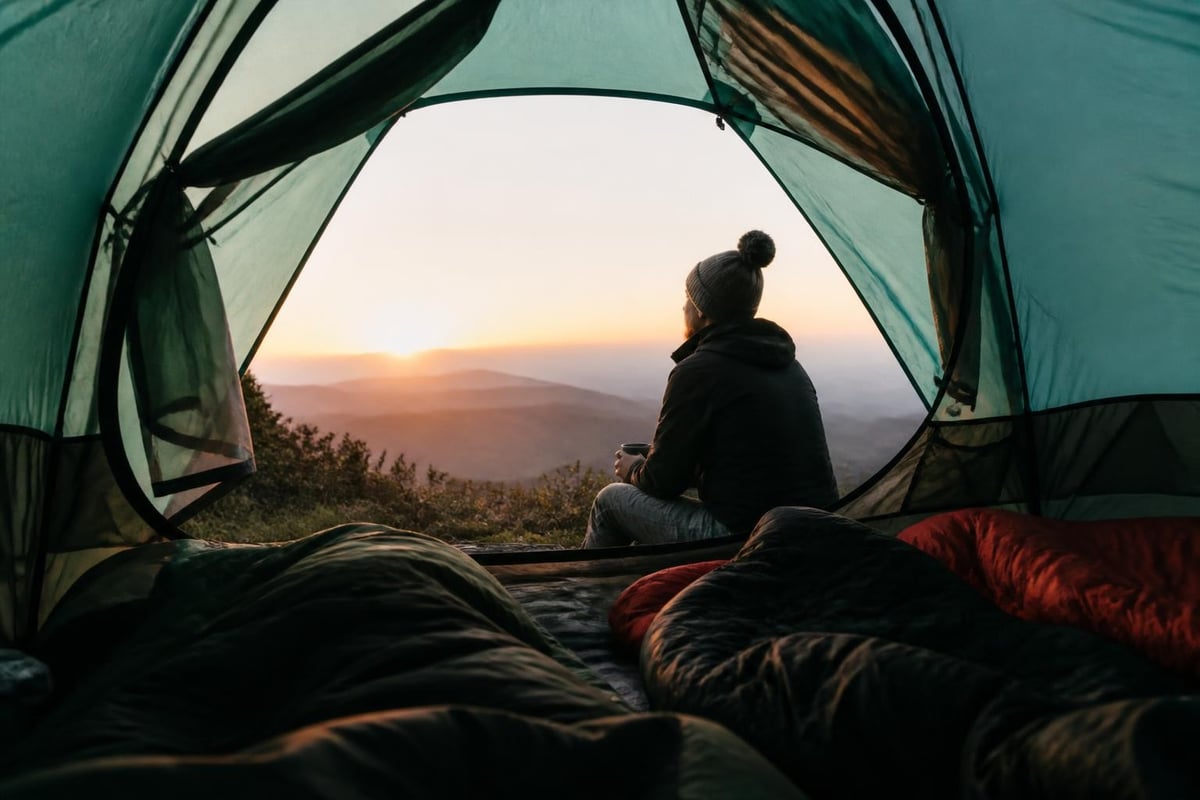
The versatility of 5 person tents makes them suitable for various group compositions. Understanding how different configurations work helps you plan better trips.
Two adults with three young children fit comfortably in a 5 person tent with room for gear. As children grow into teenagers, space becomes tighter and privacy concerns emerge. Some families solve this by using room dividers or graduating to two smaller tents.
Effective family layouts include:
Five adults sharing a tent works for overnight trips with minimal gear. For multi-day adventures, consider four adults maximum to accommodate clothing, food, and equipment. Consumer Reports’ camping gear guidance suggests the "minus one" rule: use a tent rated for one more person than your actual group size.
Establishing tent etiquette before trips prevents conflicts. Discuss sleeping arrangements, gear organization, and nighttime bathroom protocols. Designated spots for each person's gear maintain order in the limited space.
Camping safely goes beyond choosing a quality tent. Understanding regulations and safety protocols protects both your group and the environment.
The National Park Service fire code requirements specify minimum clearances between tents and campfires. For 5 person tents, maintain at least a 4.5-meter radius from any open flame.
Canvas tents, while naturally more fire-resistant than synthetic materials, still require careful flame management. Never cook inside tents, and ensure all guy lines are clearly marked to prevent tripping hazards around camp stoves.
Essential safety equipment includes:
South African camping brings you into contact with diverse wildlife. Store all food, toiletries, and scented items in sealed containers away from your tent. In areas with baboons or monkeys, never leave the tent unattended with food inside.
Snakes occasionally seek warmth under tents during cool nights. Zip all doors completely and inspect footwear before wearing. Most snake encounters result from accidental contact rather than aggression.
5 person tents range from budget options under R2,000 to premium canvas models exceeding R15,000. Understanding where to invest and where to economize helps you get the best value for your specific needs.
A quality 5 person tent from a reputable South African manufacturer lasts 10-15 years with proper care, while budget imports might survive two or three seasons. Calculate cost-per-trip rather than upfront price.
Budget tents compromise on materials, waterproofing, and construction quality. They work adequately for occasional fair-weather camping but fail when conditions deteriorate. Mid-range and premium tents justify higher costs through superior materials, better design, and manufacturer support.
Value indicators include:
The tent purchase represents only part of total shelter costs. Factor in a quality footprint, replacement stakes, seam sealer, and waterproofing treatments. A repair kit prevents field failures, and proper storage bags protect your investment.
If choosing between tent sizes, the incremental cost from a 4 person to a 5 person tent rarely exceeds 20%, but the comfort gain can be substantial. Similarly, upgrading from basic to mid-tier materials within the 5 person category often adds minimal cost but significant performance improvement.
When you explore options at Ejenti Outdoor, you'll find that locally manufactured tents designed specifically for South African conditions often provide better value than imported alternatives, with the added benefit of supporting local industry and easier warranty service.
Selecting the right 5 person tent transforms camping from an endurance test into genuinely enjoyable outdoor experiences. By focusing on appropriate sizing, weather-resistant construction, and features that match your specific camping style, you'll create a comfortable base camp for years of adventures. Whether you're tackling weekend getaways or extended expeditions, Ejenti Outdoor offers durable, locally manufactured tents and outdoor solutions engineered for South African conditions. Visit Ejenti Outdoor today to explore their full range of canvas tents, camping gear, and outdoor equipment designed to perform when it matters most.