
When you're planning an outdoor adventure in demanding conditions, choosing the right shelter can mean the difference between comfort and catastrophe. A heavy duty tent is engineered specifically to withstand harsh weather, intense UV exposure, and the rigors of extended outdoor use. Whether you're setting up a semi-permanent camp in the African bush, hosting an outdoor event, or establishing a base camp for a multi-week expedition, understanding what separates a heavy duty tent from standard camping gear is essential for making an informed decision.
The foundation of any heavy duty tent lies in its construction methodology and material selection. Unlike lightweight backpacking tents designed for portability, these robust shelters prioritize durability and weather resistance above all else.
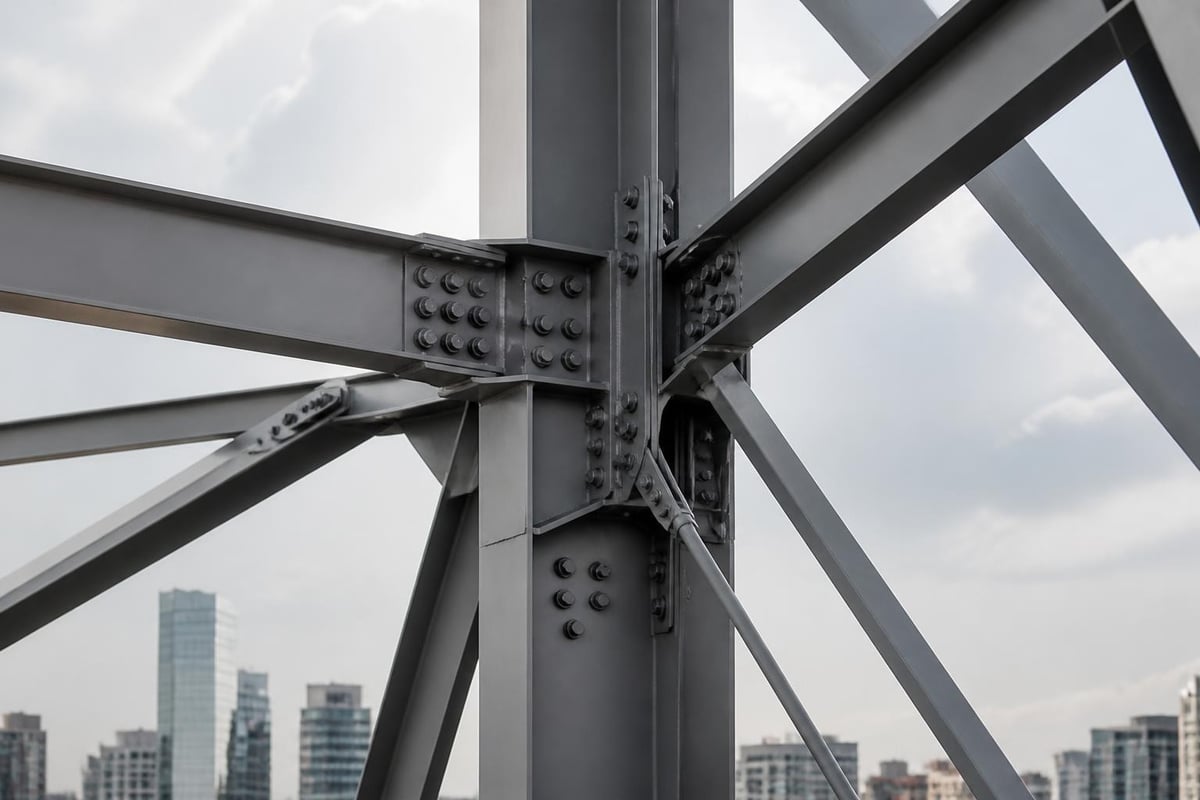
The frame system determines how well a tent handles wind loads and environmental stress. Heavy duty tents typically use galvanized steel or aluminum alloy poles with significantly larger diameters than recreational tents. Steel frames offer superior strength and rigidity, making them ideal for permanent or semi-permanent installations where weight is less of a concern.
Key frame characteristics include:
Engineering standards like ASCE 7 provide guidelines for calculating wind and snow loads on temporary structures, which manufacturers reference when designing heavy duty tent frames for commercial and expedition use.
The fabric envelope forms the primary barrier against weather elements. A true heavy duty tent uses technical fabrics measured in GSM (grams per square meter), with higher values indicating thicker, more durable materials.
| Fabric Type | Weight Range | Primary Benefits | Typical Applications |
|---|---|---|---|
| Ripstop Canvas | 280-400 GSM | Breathable, natural feel, puncture-resistant | Safari tents, expedition base camps |
| PVC-Coated Polyester | 450-650 GSM | Waterproof, UV-resistant, easy to clean | Event tents, commercial installations |
| Polyester-Cotton Blends | 300-350 GSM | Balanced breathability and water resistance | Extended camping, military applications |
South African outdoor conditions demand materials that can handle intense UV radiation and temperature fluctuations. The outdoor fabric selection process should account for local climate factors and intended use patterns.
Research into thermal aging of PVC-coated fabrics demonstrates how accelerated weathering tests help manufacturers predict long-term performance under UV exposure and temperature stress.
Beyond basic construction, specific features separate ordinary tents from truly heavy duty solutions designed for demanding environments.
Complete waterproofing requires more than just water-resistant fabric. Heavy duty tents incorporate multiple layers of protection:
Modern manufacturing techniques like ultrasonic sealing for tent seams create stronger, more durable waterproof joints compared to traditional sewn-and-sealed methods.
When evaluating PVC tents, look for fully welded seams rather than stitched construction. Welded seams eliminate needle holes that can become water entry points over time.
Proper ventilation prevents condensation buildup that can lead to mold, discomfort, and material degradation. A well-designed heavy duty tent includes:
The balance between waterproofing and breathability is particularly critical in humid climates. Canvas tents naturally regulate moisture better than synthetic alternatives, while PVC tents require strategic vent placement to achieve adequate air circulation.
Different outdoor scenarios demand specific heavy duty tent configurations tailored to their unique requirements.
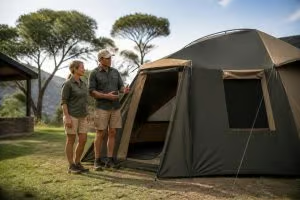
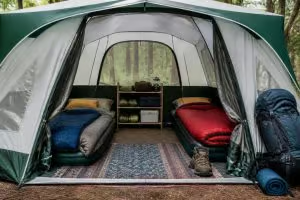
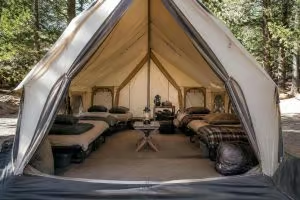
Extended wilderness stays require shelters that function as temporary homes rather than overnight bivouacs. Safari-style heavy duty tents typically feature:
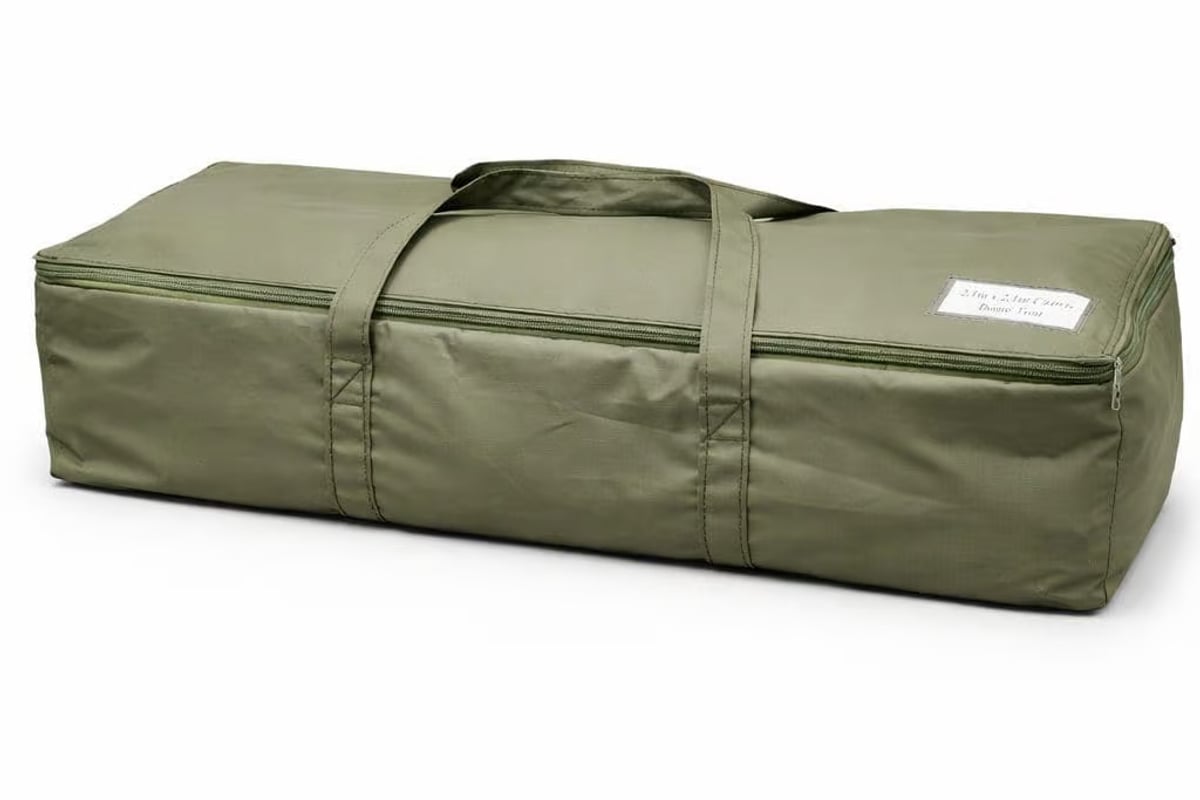
The Premium Heavy-Duty Canvas Dome Tent exemplifies this category with its 300 GSM ripstop canvas construction specifically engineered for the harsh African climate, offering families and groups a reliable shelter for both SANParks campsite stays and remote 4×4 trail adventures.
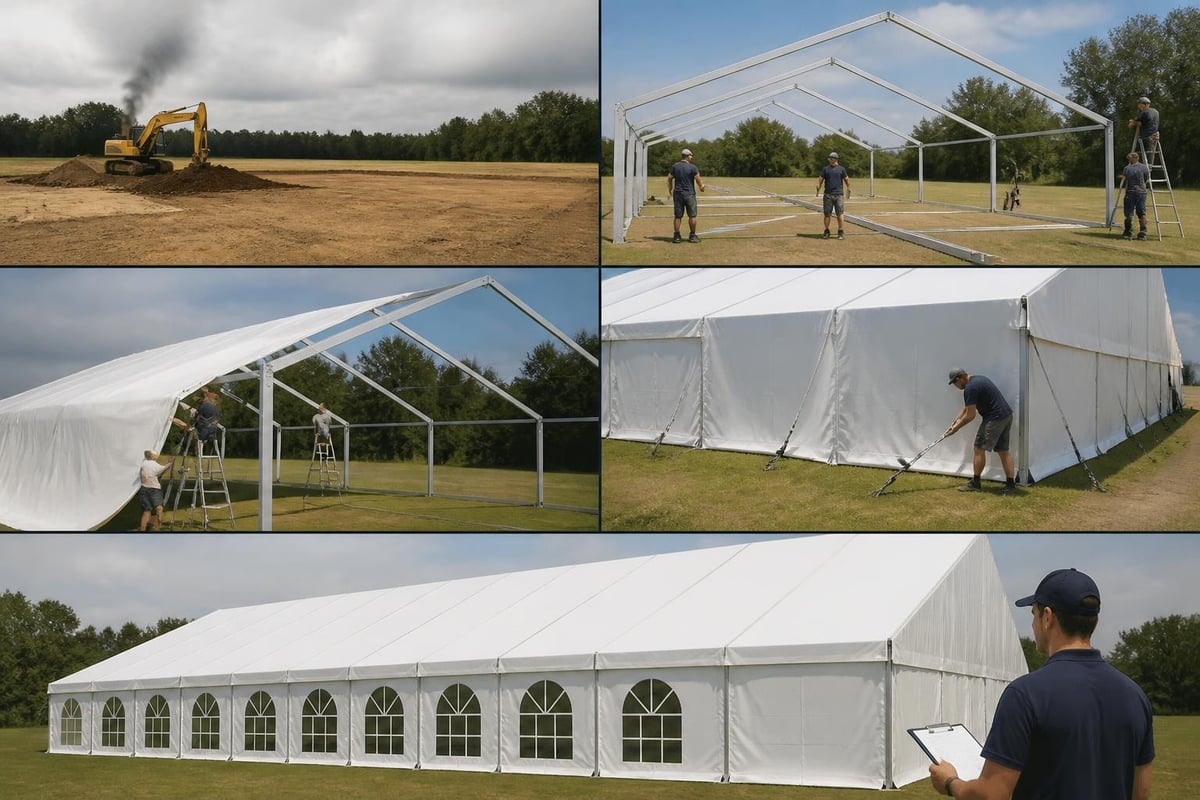
Outdoor events, markets, and temporary commercial spaces need structures that combine durability with professional appearance. Event-grade heavy duty tents often incorporate:
Commercial tent specifications:
The Government of Canada’s tent regulations provide insight into international safety standards, including flammability requirements that many commercial operators adopt voluntarily even outside Canada.
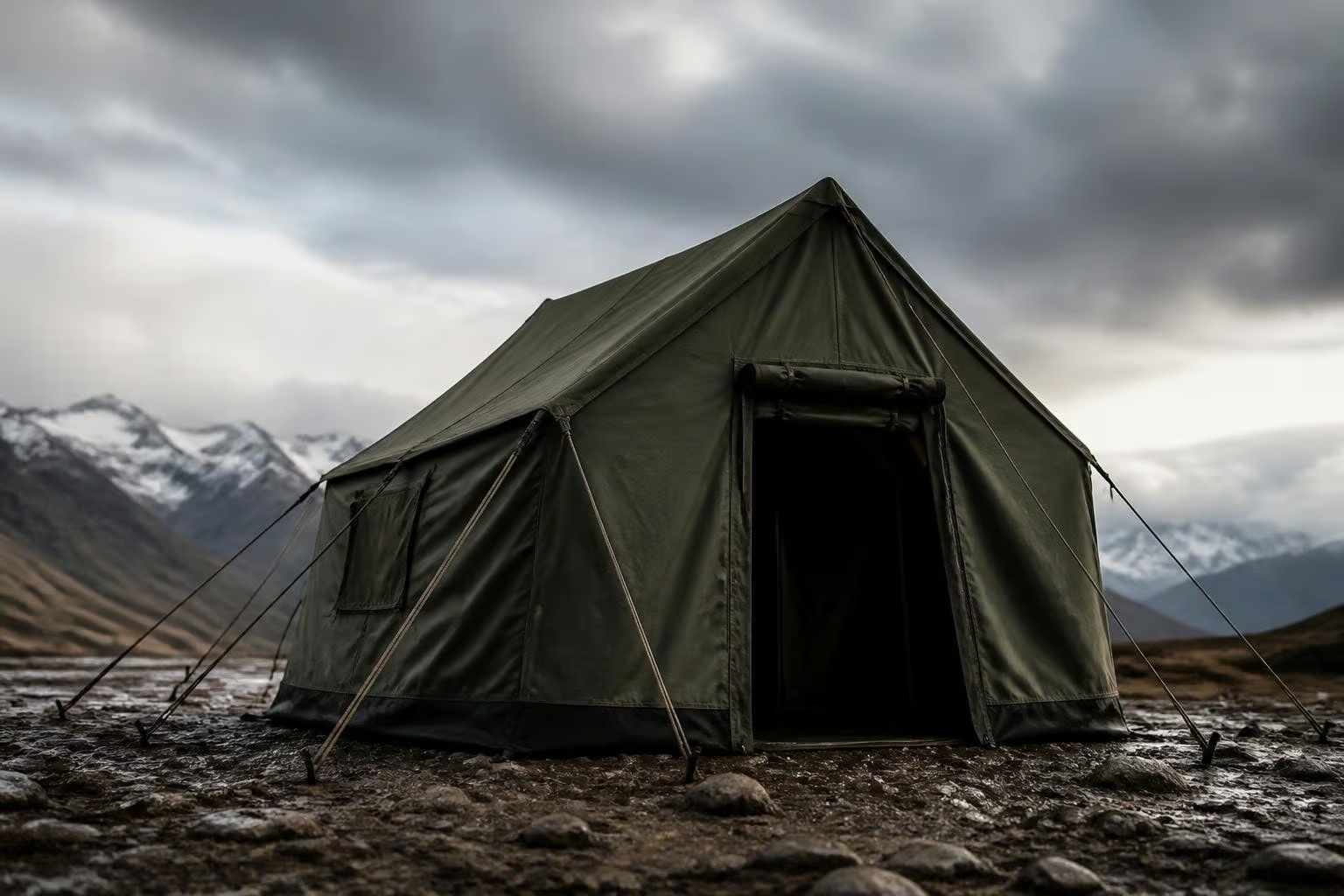
The most demanding applications require tents built to military specifications. These heavy duty tents prioritize:
Military-grade heavy duty tents often use specialized hardware including heavy duty tent hooks and metal fasteners designed for secure anchoring in varied soil conditions.
Proper care extends the service life of a heavy duty tent from years to decades, protecting your investment and ensuring reliable performance.
Different fabric types require specific maintenance approaches:
| Maintenance Task | Canvas Tents | PVC Tents | Frequency |
|---|---|---|---|
| Brush off debris | Soft brush, dry | Soft cloth, mild detergent | After each use |
| Deep cleaning | Specialized canvas cleaner | Soap and water | Seasonally |
| UV treatment | Re-proofing spray | Built-in protection | As needed |
| Storage preparation | Completely dry, loosely folded | Clean and dry, avoid creases | Before storage |
Never store a heavy duty tent wet or damp. Canvas materials are particularly susceptible to mildew and rot when stored with trapped moisture. PVC materials can develop permanent creases and weakened areas if folded tightly while dirty or damp.
Regular inspections catch small problems before they become structural failures:
Minor repairs like patching small tears or replacing webbing straps can be performed in the field with proper materials. Major structural repairs should be handled by professionals who understand the specific construction methods used in heavy duty tents.
Geographic location and seasonal conditions significantly influence which heavy duty tent configuration performs best for your needs.
Desert and savanna conditions present unique challenges:
Desert-optimized features:
South African bushveld conditions combine intense UV, temperature extremes, and seasonal rain. Canvas gazebos and similar heavy duty structures need materials that breathe during hot days yet provide complete weather protection during sudden storms.
High-altitude and winter camping require different priorities:
The pitch angle of a heavy duty tent roof affects snow shedding. Steeper pitches prevent dangerous snow accumulation but may compromise wind resistance. Manufacturers balance these competing demands based on intended use environments.
The difference between adequate and exceptional performance often lies in the quality of supporting hardware and accessories.
Proper anchoring transforms a heavy duty tent from a temporary shelter into a stable structure. Professional installations use:
PVC tarpaulin materials work well for custom groundsheets and protective underlayments that extend the life of tent floors in high-traffic installations.
Heavy duty tents benefit from thoughtful interior organization:
Interior enhancement options:
The camping accessories ecosystem extends tent functionality beyond basic shelter to create fully functional outdoor living spaces.
Understanding the economics of heavy duty tent ownership helps justify the initial investment versus ongoing costs.
A quality heavy duty tent represents a significant upfront expense compared to recreational camping gear. Price factors include:
| Cost Factor | Impact Level | Considerations |
|---|---|---|
| Fabric quality | High | Directly affects lifespan and weather performance |
| Frame construction | High | Determines structural integrity and wind rating |
| Manufacturing method | Medium | Hand-crafted vs. mass-produced affects quality consistency |
| Size and capacity | High | Larger tents require proportionally more material and engineering |
| Certification and testing | Medium | Third-party testing adds cost but ensures performance claims |
The bow or dome tent category offers various price points depending on size, materials, and construction quality. Evaluating total cost of ownership rather than purchase price alone provides a more accurate value assessment.
A well-maintained heavy duty tent can provide decades of service. Calculate value by considering:
Quality construction using proven materials from established suppliers like Ejenti Outdoor ensures that your investment delivers consistent performance throughout its service life. The durability of properly specified heavy duty tents often makes them more economical than repeatedly replacing cheaper alternatives.
Selecting the right heavy duty tent requires balancing material quality, construction standards, and specific application requirements against budget constraints and maintenance capabilities. Whether you need expedition-grade shelter for extended wilderness stays, commercial event space, or industrial field operations, understanding the engineering principles and material science behind heavy duty tent design ensures you choose a solution that performs reliably in your specific conditions. Ejenti Outdoor specializes in manufacturing durable tents, gazebos, and outdoor solutions specifically engineered for South African conditions, offering expert guidance and quality products to meet your demanding outdoor shelter needs. Visit Ejenti Outdoor to explore their full range of heavy duty tent solutions and find the perfect shelter for your next outdoor challenge.