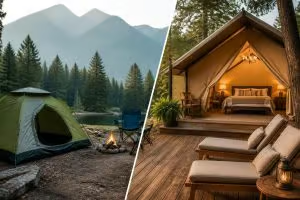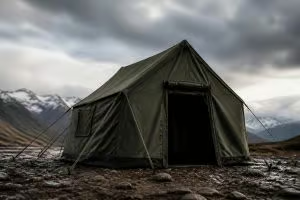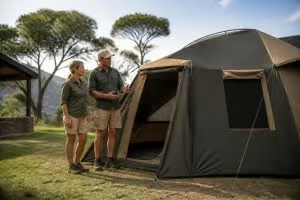

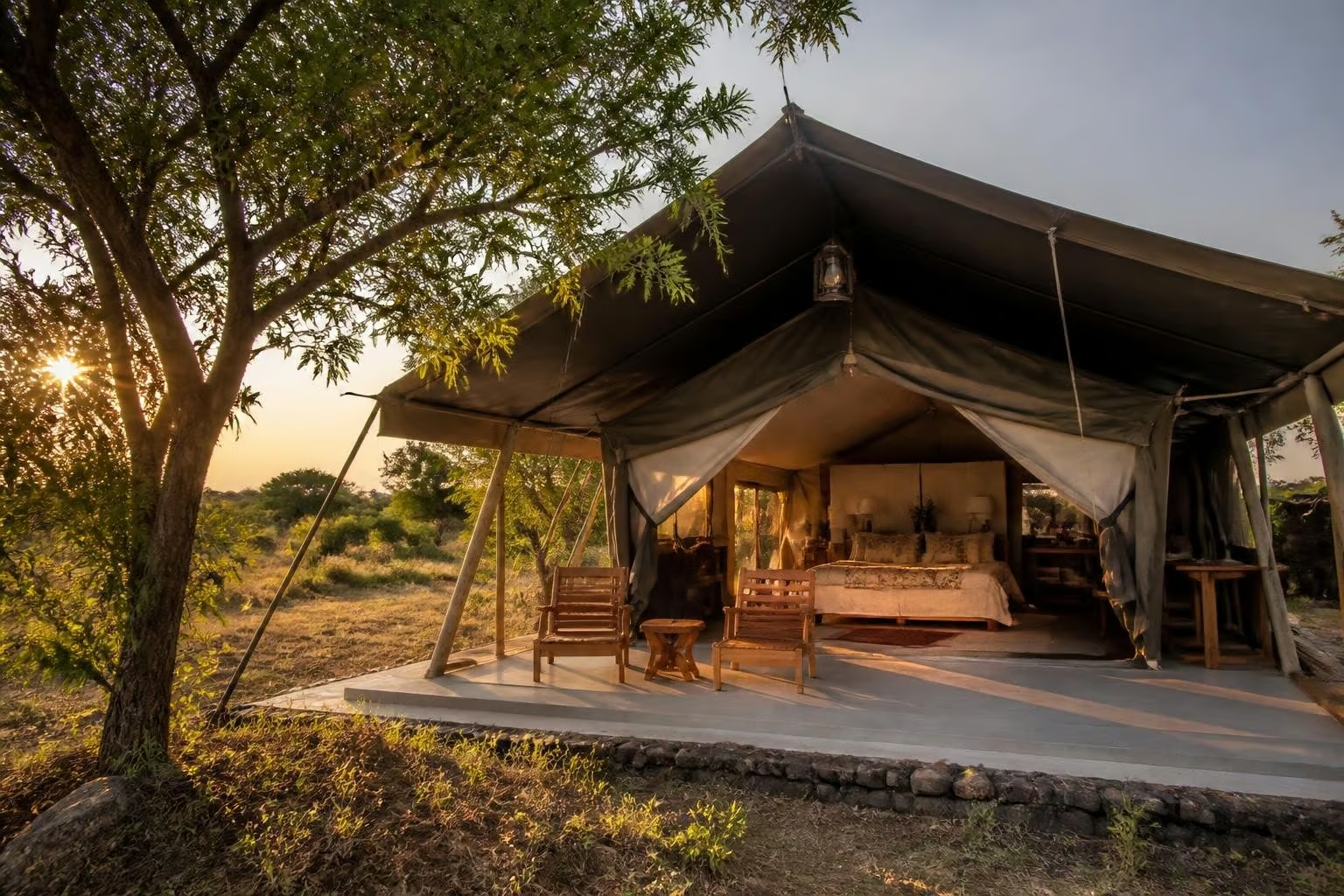
A lodge tent represents the evolution of traditional camping into a more permanent, comfortable outdoor living solution. These structures bridge the gap between conventional camping tents and fixed buildings, offering the versatility of portable accommodation with the durability and comfort of semi-permanent structures. Whether you're planning a safari camp, establishing a glamping resort, or creating comfortable outdoor event spaces, understanding the unique characteristics of a lodge tent helps you make informed decisions for your outdoor accommodation needs.
A lodge tent differs from standard camping equipment through its construction quality, size, and intended use duration. These tents are engineered for extended deployment rather than weekend camping trips.
The structural framework typically consists of heavy-duty galvanized steel or aluminum poles capable of withstanding continuous exposure to weather elements. Unlike lightweight backpacking shelters, a lodge tent prioritizes stability and longevity over portability.
Key characteristics include:
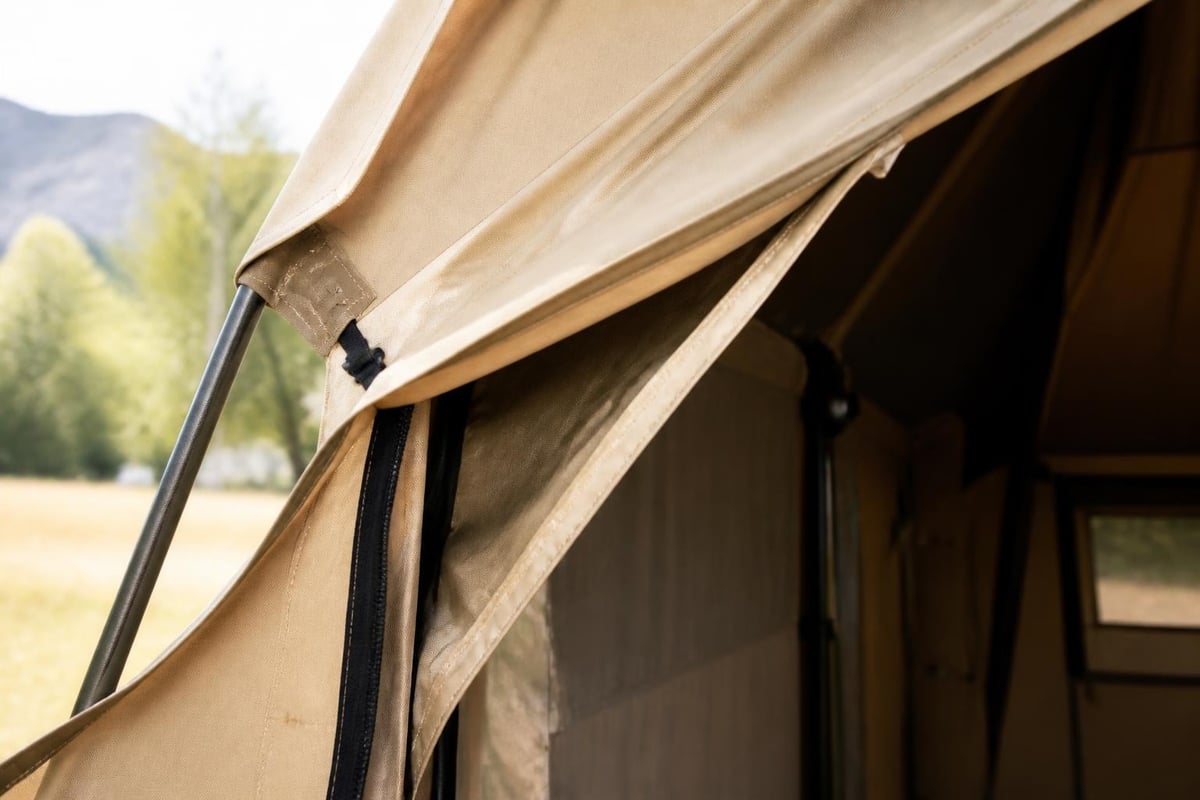
The fabric composition determines how well your lodge tent performs across seasons. Canvas remains the premium choice for African conditions due to its breathability and thermal properties.
Ripstop canvas fabrics incorporate reinforcement threads at regular intervals, preventing small tears from spreading across larger areas. This construction method significantly extends the service life when tents face thorny vegetation or sharp objects common in bush environments.
| Fabric Type | Weight (GSM) | Best Application | Lifespan |
|---|---|---|---|
| Ripstop Canvas | 280-320 | Semi-permanent camps, seasonal use | 5-8 years |
| Heavy Canvas | 340-400 | Year-round safari lodges | 8-12 years |
| Polycotton Blend | 250-300 | Mobile camping, temporary setups | 3-5 years |
| PVC-Coated Polyester | 450-600 | Event spaces, short-term installations | 4-6 years |
The fabric selection guide from Sailrite provides comprehensive technical details on coating types and maintenance requirements for different outdoor fabric applications.
Modern lodge tent designs accommodate various accommodation needs from single-room shelters to multi-room family units.
The basic lodge tent configuration provides one open living space typically ranging from 3m x 3m to 5m x 5m. This layout works well for couples or as individual guest units in larger safari operations.
Most single-room designs incorporate a covered veranda or porch area created by an extended roof section. This protected outdoor space adds functional square footage without requiring additional structural complexity.
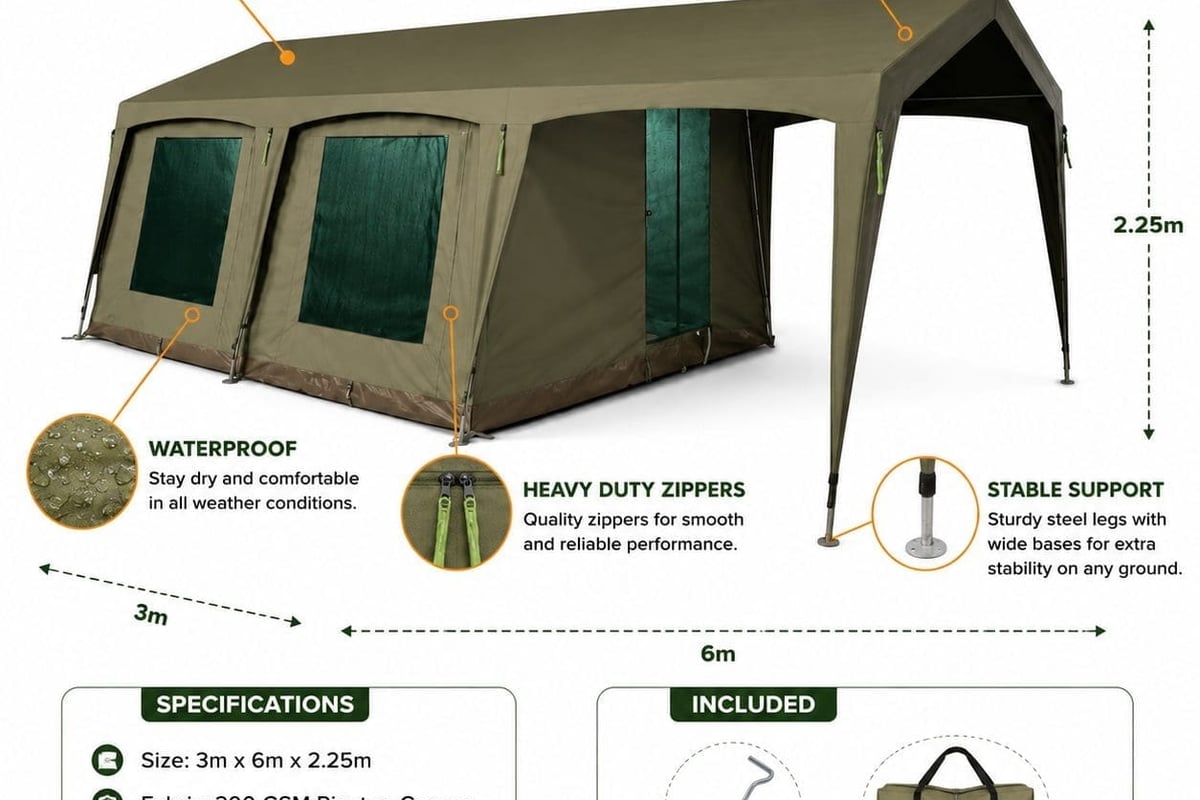
For families or longer-stay guests, two-room configurations divide the interior with a vertical canvas partition. One section serves as a sleeping area while the second functions as a living or storage space. The 3m x 6m safari lodge tent manufactured by Ejenti Outdoor exemplifies this practical design approach, using a sturdy two-room layout that provides privacy and organization during extended outdoor stays.
This separation creates privacy and allows better organization of sleeping quarters versus daytime activities. Many operators prefer this configuration because it accommodates families without requiring multiple separate structures.
Safari camps and glamping resorts often connect multiple lodge tent units through covered walkways or shared communal spaces. This modular approach allows operators to scale capacity while maintaining the intimate character individual tents provide.
Common complex configurations include:
Proper installation determines whether your lodge tent survives years of service or fails within months.
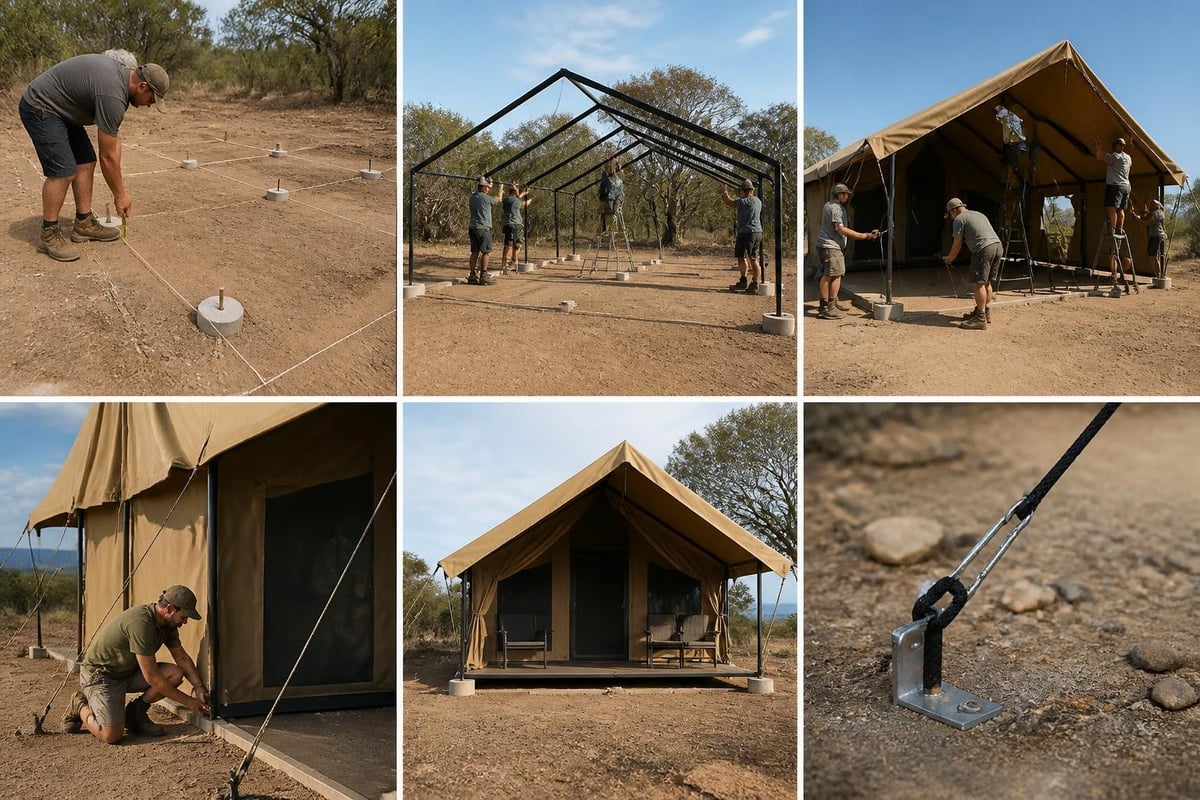
Unlike temporary camping where stakes alone suffice, semi-permanent lodge tent installations require engineered foundation systems. The tent's weight and wind load demand secure anchoring that won't degrade over time.
Concrete footings offer the most stability, particularly in sandy or loose soil conditions. Standard practice involves pouring 30cm x 30cm x 40cm deep concrete pads at each primary pole position. Galvanized steel anchor plates embed in the concrete during pouring, providing secure attachment points.
In rocky terrain where excavation proves difficult, engineers often specify surface-mounted anchor systems using chemical anchors or expansion bolts drilled into bedrock. These installations require professional assessment to ensure adequate holding strength.
The framework supports tremendous stress from wind loading, material tension, and accumulated precipitation weight. Each connection point represents a potential failure location requiring attention during assembly.
Begin pole assembly by laying out all components and verifying you have the correct quantities before inserting any connections. Progressive assembly from one end to the other prevents the awkward repositioning of partially completed sections.
Once the frame stands, proper canvas tensioning becomes critical. Start from the peak and work downward, ensuring fabric pulls evenly across the frame without creating stress concentrations. Wrinkles indicate uneven tension that will accelerate wear at fold lines.
When deploying lodge tent structures for commercial use or public assembly, building codes and fire safety regulations apply. The International Code Council specifications address membrane structures under sections 3102 and 3103, establishing requirements for structural adequacy and fire resistance.
Most jurisdictions classify tents larger than 20 square meters used for public assembly as temporary structures requiring permits. The approval process typically demands:
The NFPA research on flame-spread testing provides detailed guidance on fire safety requirements for tents and membrane structures used in assembly applications.
A well-designed lodge tent must handle the extreme temperature swings, intense UV exposure, and variable precipitation patterns characteristic of African environments.
Canvas naturally swells when wet, closing the weave gaps and creating a water-resistant barrier. However, modern lodge tent applications typically enhance this natural property with additional treatments.
Silicone-based waterproofing allows canvas to breathe while shedding water effectively. Unlike acrylic coatings that create an impermeable layer, silicone treatments penetrate the fiber structure and maintain the fabric's breathability. This distinction matters significantly in humid climates where condensation buildup becomes problematic.
Seam sealing represents another critical waterproofing consideration. Even perfectly waterproof fabric fails if stitched seams allow water penetration. Quality manufacturers use double or triple-stitched seams with heavy-duty thread, then seal these areas with waterproof tape or liquid sealant applied to both interior and exterior surfaces.
Canvas's breathability gives lodge tent structures a significant advantage over synthetic alternatives in hot climates. The material allows air circulation at the molecular level, releasing heat buildup while preventing rain penetration.
Strategic window placement creates cross-ventilation that moves air through the interior space. Operators in consistently hot regions often specify mesh window panels with external canvas flaps, allowing full ventilation during pleasant weather while maintaining storm-closure capability.
Roof peak vents provide the most effective heat exhaust, allowing hot air to escape from the highest interior point. Many safari-grade lodge tent designs incorporate adjustable peak vents that can be opened or closed depending on weather conditions.
Regular maintenance dramatically extends the functional lifespan of your lodge tent investment. Neglected tents deteriorate rapidly, while properly maintained structures provide decades of service.
Establish a monthly inspection routine examining these critical areas:
After significant weather events, conduct additional inspections focusing on areas most likely to sustain damage. High winds particularly stress connection points and can loosen anchoring systems.
Canvas requires periodic cleaning to remove accumulated dirt, organic matter, and mildew that degrade fabric integrity. Avoid pressure washers that force water deep into the weave where it promotes mildew growth in the fabric core.
Instead, use soft brushes with mild soap solutions, working in sections and rinsing thoroughly. The essential care guide for canvas tents offers detailed protocols for cleaning different types of soiling without damaging the waterproof treatments.
Re-waterproofing becomes necessary every 2-3 years depending on exposure intensity. Before applying new treatments, thoroughly clean the canvas and allow complete drying. Apply waterproofing products according to manufacturer specifications, ensuring even coverage across all surfaces.
If your operation closes seasonally, proper storage prevents unnecessary deterioration during idle periods. Never store canvas while damp, as trapped moisture guarantees mildew development that permanently stains and weakens fabric.
Before storage, clean all surfaces and allow thorough drying over several sunny days. Remove all organic matter from crevices where insects might nest during storage. Fold fabric loosely rather than tight creases that create permanent wear lines.
Matching tent specifications to your specific use case ensures satisfaction and appropriate return on investment.
Permanent or seasonal safari camps require the most robust lodge tent construction available. Guests expect hotel-like comfort in bush settings, demanding structures that isolate occupants from weather while maintaining the authentic outdoor experience.
Prioritize these features for hospitality applications:
The two-room configuration proves most popular for safari lodges, providing adequate space for a comfortable bed, seating area, and luggage storage while maintaining manageable construction costs.
Scientific operations value reliability and weather protection over luxury amenities. Research-oriented lodge tent applications typically emphasize:
Single-room designs often suffice for research applications where tents serve primarily as sleeping quarters while most activities occur in separate laboratory or communal facilities.
Temporary event installations require different priorities than permanent safari camps. Transportability becomes important alongside ease of setup and breakdown.
Event operators should consider:
| Application Type | Recommended Size | Setup Duration | Typical Lifespan |
|---|---|---|---|
| Safari Lodge Guest Unit | 3m x 6m to 5m x 8m | 2-3 days | 8-12 years |
| Glamping Resort Tent | 4m x 6m to 5m x 7m | 2-4 days | 6-10 years |
| Research Station Shelter | 3m x 4m to 4m x 6m | 1-2 days | 5-8 years |
| Festival Accommodation | 3m x 3m to 4m x 4m | 4-6 hours | 3-5 years |
Standard lodge tent configurations serve most applications well, but specific needs often benefit from customization.
Lining installation creates a second fabric layer inside the primary canvas shell. This air gap provides insulation reducing heat transfer during hot days and cold nights. Linings also create a finished aesthetic more appropriate for hospitality applications.
Built-in furniture systems integrate beds, storage, and seating directly into the tent structure. This approach prevents furniture movement and optimizes space utilization in smaller units.
Electrical systems require careful planning in canvas structures. Conduit routing must avoid creating puncture points that compromise waterproofing. Many operators run power through floor systems rather than wall penetrations.
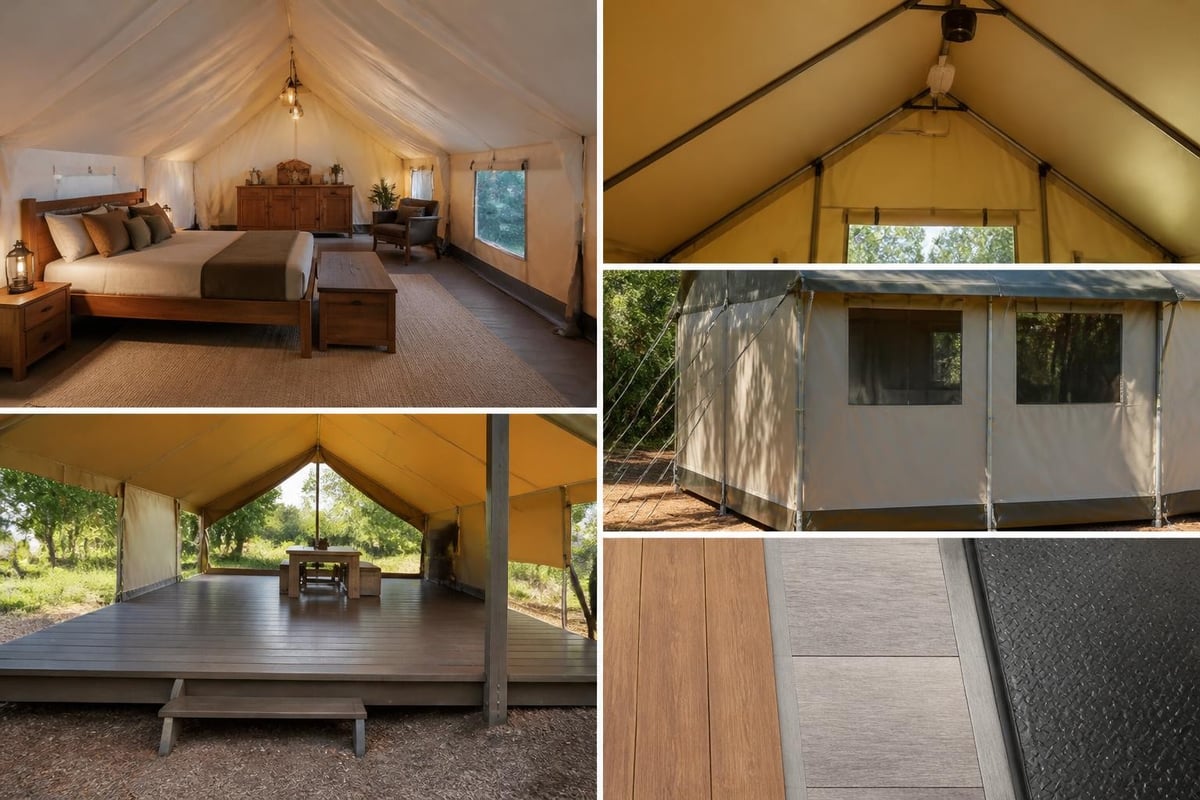
Veranda expansions extend covered outdoor space significantly. Extended roof sections supported by additional poles create shaded areas perfect for outdoor seating or equipment storage.
Awning systems provide adjustable sun protection over windows and entrances. Roll-up designs allow complete opening during pleasant weather while closing provides storm protection and privacy.
Storm flaps protect zippers and door seams from direct rain exposure. These overlapping fabric panels shed water away from potential penetration points, significantly improving weather resistance during heavy precipitation events.
When establishing lodge tent camps on public lands or protected areas, additional regulations often apply beyond standard building codes.
The National Park Service guidance on camping establishes protocols for tent placement, environmental impact mitigation, and Leave No Trace principles relevant to semi-permanent lodge installations.
Protected area managers typically require:
These requirements vary significantly between jurisdictions, so consult local land management authorities early in your planning process.
Understanding the total cost of lodge tent deployment helps justify investments and plan budgets appropriately.
Basic single-room lodge tent units start around R15,000-25,000 for quality South African-manufactured products. Two-room configurations typically range R30,000-50,000 depending on size and specification.
Installation costs vary tremendously based on site accessibility and foundation requirements. Remote locations requiring concrete delivery by helicopter obviously cost more than accessible sites near established infrastructure.
Budget these additional components:
Annual maintenance for properly installed lodge tent structures typically runs 3-5% of initial capital costs. This includes:
Safari lodge operations charging premium rates recover lodge tent investments within 1-2 seasons. A single tent accommodating guests at R2,500 per night generates R912,500 annually at 365-night occupancy, though realistic occupancy typically runs 60-75% (R547,500-684,375 annually).
Research stations and field camps measure ROI differently, comparing lodge tent costs against alternative accommodation options. Permanent buildings cost 3-5 times more while offering less flexibility for site relocation if research focus shifts.
Understanding how lodge tent designs evolved provides perspective on why modern configurations work as they do.
The Field Museum’s scholarly treatment of indigenous tent technology documents traditional tipi construction principles that inform contemporary conical lodge tent designs, particularly regarding ventilation systems and weather shedding.
Early safari operations in the 1920s-1930s used military surplus canvas tents that proved inadequate for extended hospitality use. These evolved into purpose-built designs incorporating standing height, multiple rooms, and integrated flooring systems.
Modern lodge tent engineering applies computational modeling to optimize pole placement, canvas tension distribution, and wind-load resistance. These advances produce structures dramatically more durable than their historical predecessors while maintaining the authentic safari aesthetic guests expect.
Selecting and properly installing a lodge tent requires balancing durability, comfort, and cost considerations specific to your application needs. Whether you're establishing a safari camp, research station, or seasonal glamping operation, the right tent configuration combined with professional installation provides years of reliable service. Ejenti Outdoor manufactures premium lodge tent solutions specifically engineered for South African conditions, offering expert guidance on specifications, installation, and maintenance to ensure your outdoor accommodation investment delivers lasting value and guest satisfaction.