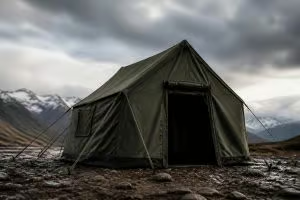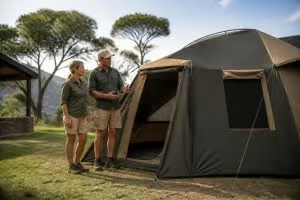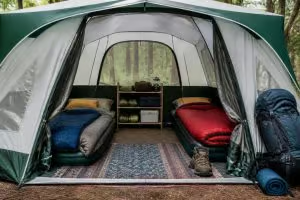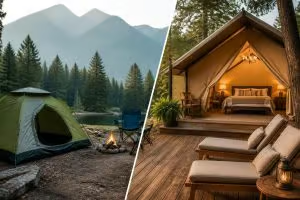

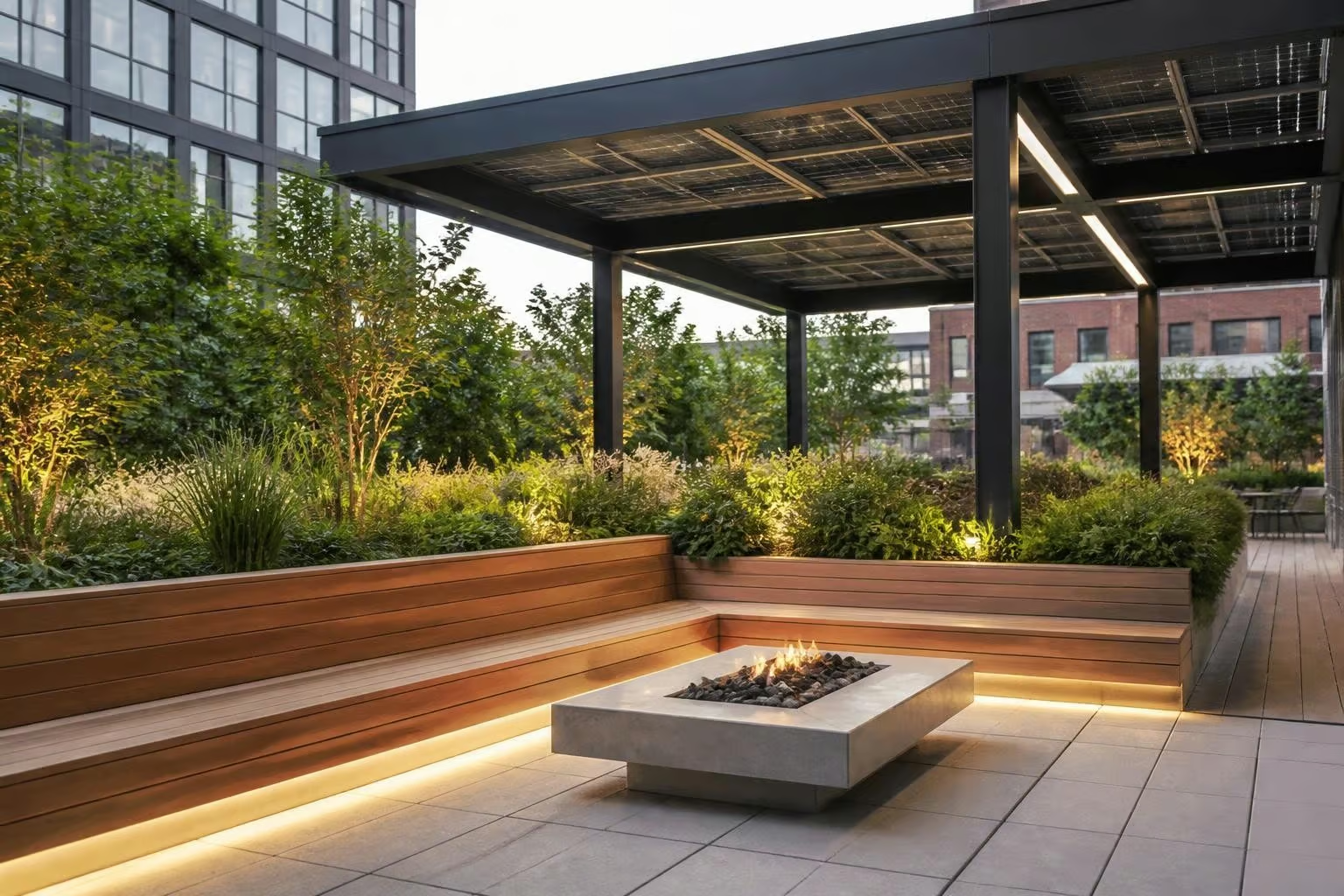
The outdoor solutions landscape has transformed dramatically over the past decade, driven by advances in materials technology, growing environmental awareness, and changing consumer expectations. Today's outdoor spaces demand more than aesthetic appeal-they must deliver durability, functionality, and environmental responsibility while withstanding harsh weather conditions. Whether you're planning a commercial event space, residential outdoor living area, or temporary shelter installation, understanding the current outdoor solutions landscape is essential for making informed decisions that balance performance, longevity, and value.
The outdoor solutions landscape in 2026 encompasses a diverse range of products, materials, and technologies designed to create functional outdoor environments. This field has evolved from basic shelter and shade solutions to sophisticated systems that integrate weather resistance, modularity, and sustainable design principles.
Key components shaping today's outdoor solutions landscape include:
The American Society of Landscape Architects reports that landscape architecture practices are increasingly incorporating temporary and semi-permanent structures into their designs, reflecting the growing demand for flexible outdoor spaces. This trend has significant implications for manufacturers and suppliers serving both residential and commercial markets.
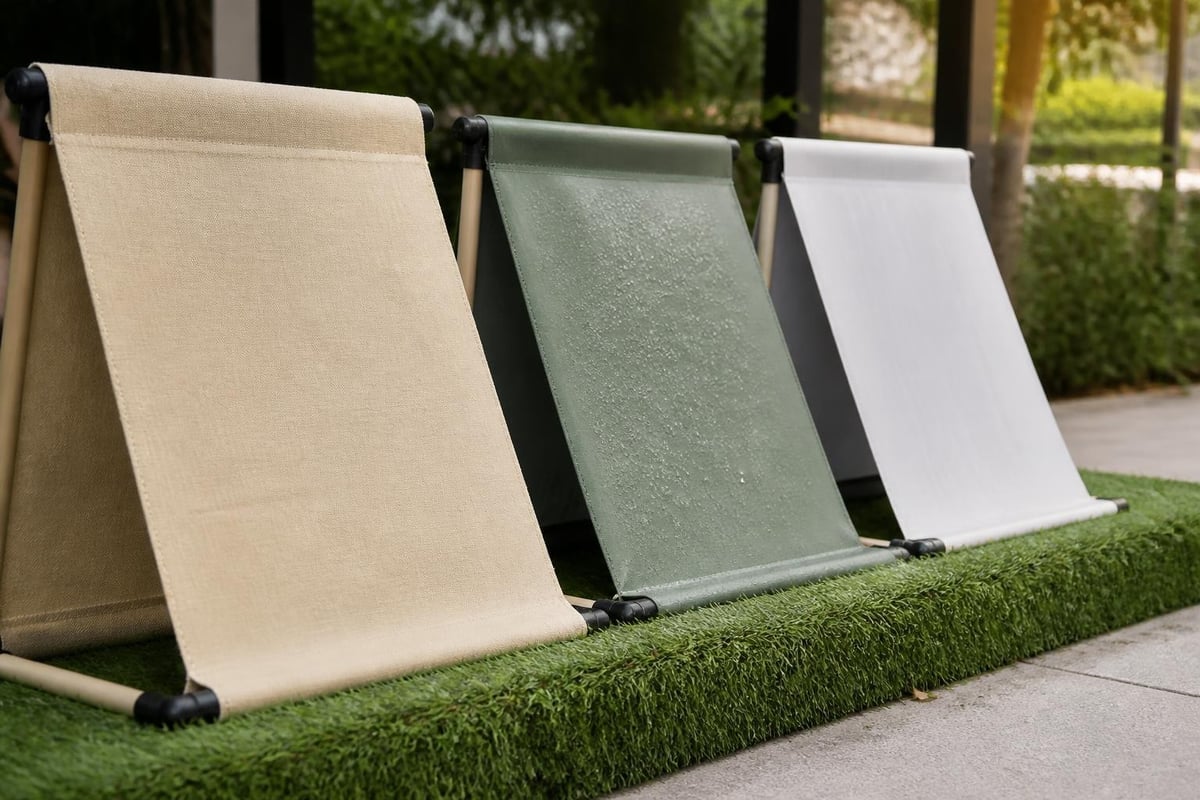
Modern outdoor fabrics have revolutionized what's possible in the outdoor solutions landscape. Gone are the days when canvas meant heavy, difficult-to-maintain materials that degraded quickly under UV exposure. Today's fabrics combine natural fibers with synthetic treatments or use entirely engineered materials to deliver exceptional performance.
Canvas fabrics now feature ripstop weaves that prevent tear propagation, waterproof coatings that maintain breathability, and UV inhibitors that extend service life. These improvements make canvas an excellent choice for applications requiring durability without sacrificing comfort-particularly important for camping and safari tents where interior climate control matters.
PVC-coated fabrics offer maximum weather protection for marquee tents, event structures, and commercial installations. With weights ranging from 450 GSM to 650 GSM, these materials provide complete waterproofing while maintaining flexibility across temperature ranges typical in Southern African climates.
Successful outdoor installations begin with thorough planning that considers site conditions, intended use, regulatory requirements, and long-term maintenance needs. The outdoor solutions landscape offers numerous options, making a structured planning approach essential.
Before selecting materials or structures, conduct a comprehensive site assessment. South African conditions present unique challenges including intense UV radiation, dramatic temperature swings, seasonal rainfall patterns, and occasionally severe wind events.
Critical assessment factors:
The EPA’s green infrastructure planning guidance provides valuable frameworks for integrating outdoor structures with natural site features, particularly when planning installations that complement rather than compete with landscape elements.
Different outdoor applications demand different approaches within the outdoor solutions landscape. A residential shade structure prioritizes aesthetics and comfort, while a commercial event tent emphasizes quick setup, weather protection, and capacity.
| Application Type | Primary Requirements | Recommended Solutions |
|---|---|---|
| Residential camping | Comfort, breathability, portability | Canvas dome tents, lightweight frames |
| Safari accommodation | Durability, insect protection, ventilation | Heavy-duty canvas lodge tents, treated fabrics |
| Commercial events | Weather protection, capacity, professional appearance | PVC marquee tents, reinforced frames |
| Market stalls | Quick setup, visibility, rain protection | Canvas gazebos, modular systems |
| Temporary storage | Security, complete weather sealing | Heavy-gauge PVC structures, lockable entries |
At Ejenti Outdoor, the product range reflects these diverse requirements, offering specialized solutions for each category rather than one-size-fits-all approaches.
The outdoor solutions landscape extends beyond fabrics and frames to include the critical hardware components that ensure structural integrity and operational convenience. Quality fasteners, tensioners, and connection points distinguish professional installations from amateur attempts.
Modern outdoor structures rely on specialized hardware engineered for specific functions. Understanding these components helps you specify appropriate solutions and avoid common installation failures.
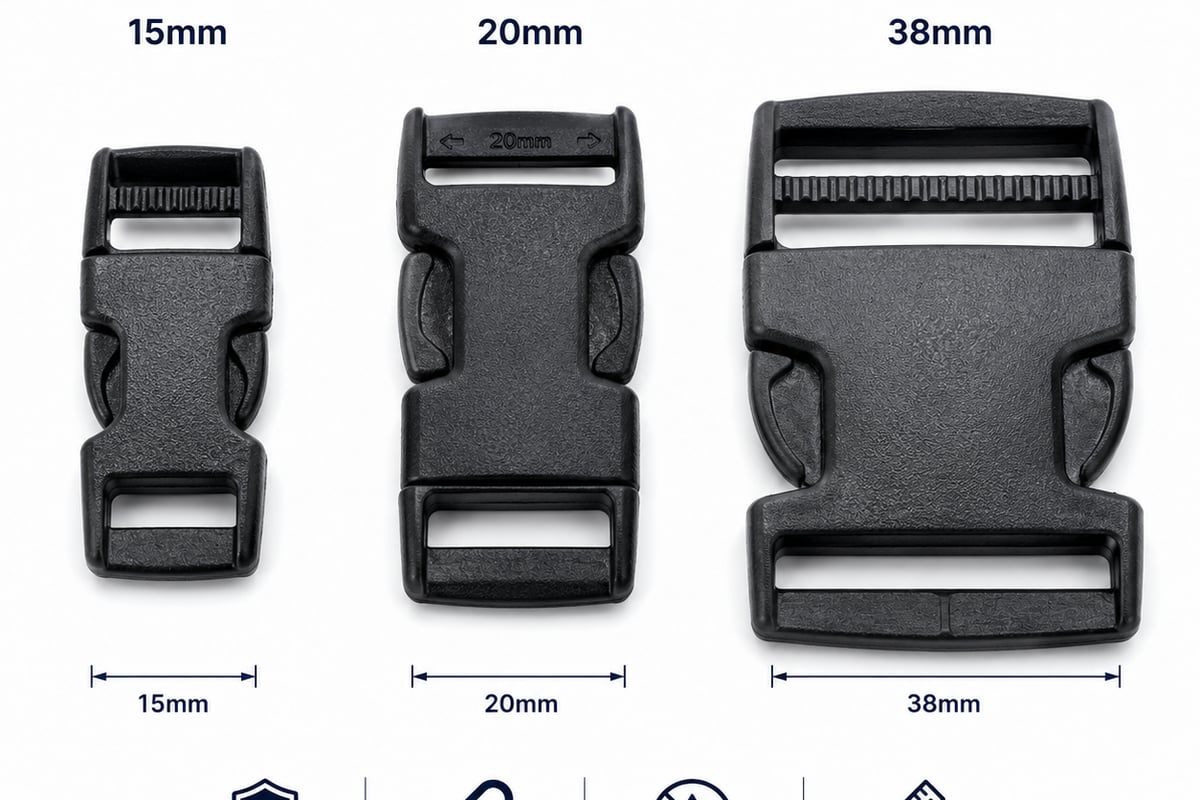
Buckles and adjusters enable precise tension control along strap lines and guy ropes. Quick-release mechanisms allow rapid adjustment during setup or in response to changing conditions. When working with backpacks, camping equipment, or any application requiring adjustable straps, quick-release buckles provide reliable performance and user-friendly operation across the 20mm to 50mm strap width range commonly used in outdoor applications.
Anchor points and hooks form the critical connection between tensioned fabric systems and ground anchors or frame members. J-hooks, S-hooks, D-rings, and triangular fasteners each serve specific functions, and selecting the wrong type compromises structural performance.
Pulleys and tensioning systems distribute loads efficiently while allowing dynamic adjustment. In larger installations, pulley blocks reduce the force required to achieve proper tension, enabling single-person setup of structures that would otherwise require teams.
Professional installations in the outdoor solutions landscape account for multiple load types:
Wind loading particularly affects the outdoor solutions landscape in South Africa, where berg winds and thunderstorm downdrafts can generate extreme localized forces. Frame designs must distribute these loads to adequately sized and spaced anchor points.
The FHWA technical guidance on permeable pavements offers relevant insights for hardscape elements surrounding outdoor structures, particularly when planning semi-permanent installations that integrate paved access areas with fabric structures.
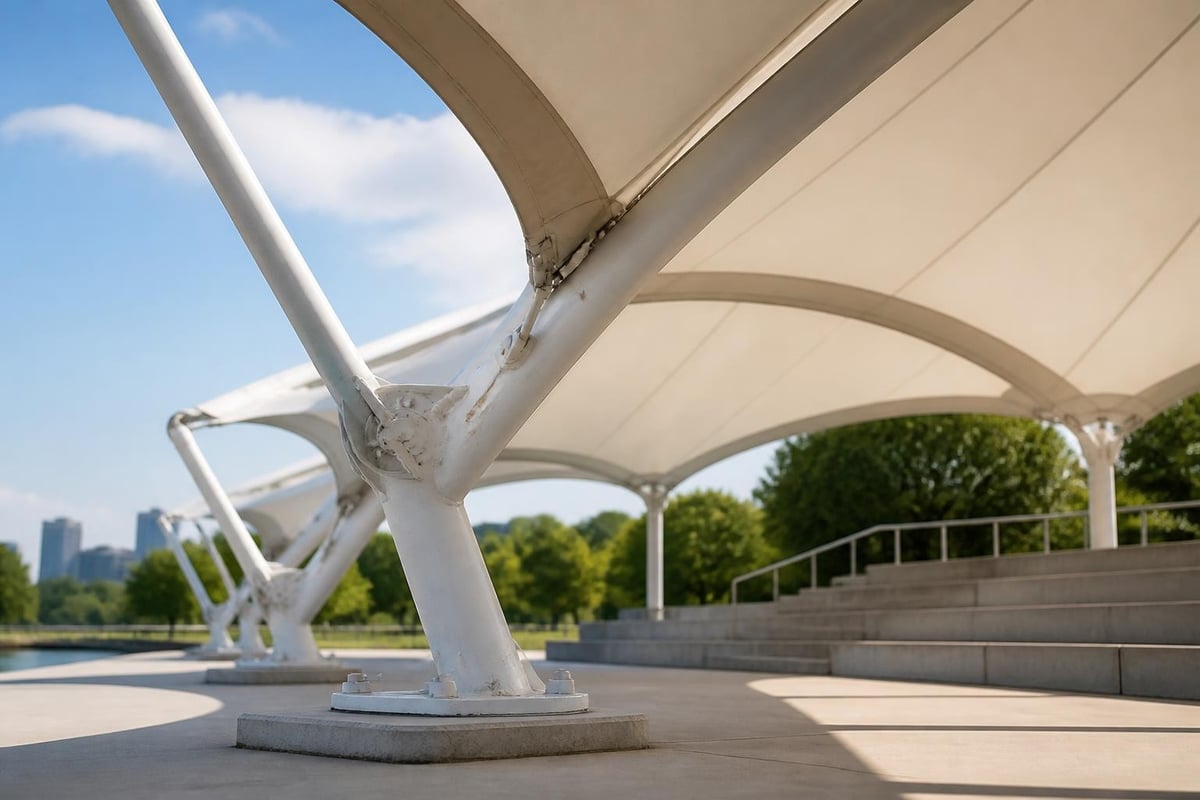
The outdoor solutions landscape increasingly emphasizes total cost of ownership rather than just initial purchase price. Structures that require frequent replacement or extensive maintenance ultimately cost more than quality products with higher upfront investment but extended service lives.
Canvas and PVC fabrics require different maintenance approaches. Canvas benefits from periodic cleaning to remove organic matter that can harbor mildew, while PVC needs UV protectant treatments to maintain flexibility and prevent surface degradation.
Canvas maintenance schedule:
PVC fabric care:
The essential care guide for canvas tents provides detailed protocols specific to Southern African conditions, addressing the unique challenges of high UV exposure combined with seasonal moisture.
Metal components in the outdoor solutions landscape face corrosion challenges from rain, condensation, and salt exposure in coastal areas. Galvanized steel frames offer good corrosion resistance, while aluminum components trade some strength for superior corrosion immunity and reduced weight.
Frame maintenance priorities:
Hardware replacement schedules depend on usage intensity. Commercial installations with frequent setup/teardown cycles wear hardware faster than permanent or semi-permanent residential structures.
The outdoor solutions landscape in 2026 reflects growing environmental consciousness among consumers and businesses. Sustainable practices now extend throughout the product lifecycle from material sourcing through end-of-life disposal or recycling.
Natural vs. synthetic materials present different environmental profiles. Canvas made from cotton or cotton-poly blends offers biodegradability and lower production energy requirements but demands more intensive farming inputs. Synthetic PVC delivers superior durability and lower maintenance requirements but poses recycling challenges at end-of-life.
Manufacturing location affects environmental impact significantly. Locally manufactured products in South Africa reduce transportation emissions while supporting domestic employment. The outdoor solutions landscape increasingly favors regional production as businesses recognize the total environmental cost of global supply chains.
Research from the US Forest Service on urban forest values demonstrates how integrating outdoor structures with existing vegetation rather than clearing sites completely provides measurable benefits including temperature moderation, air quality improvement, and carbon sequestration.
Outdoor living spaces increasingly incorporate landscaping that requires irrigation management. The outdoor solutions landscape intersects with water conservation technology through integrated design approaches.
The EPA WaterSense program guidance on soil-moisture irrigation controllers provides specifications for smart irrigation technology that reduces water consumption by 20-50% compared to conventional timer-based systems. These technologies are particularly relevant for commercial installations combining marquee structures with surrounding landscape elements.
Water-conscious design strategies:
The outdoor solutions landscape now encompasses technological integration that enhances functionality, safety, and user experience. While fabric structures remain fundamentally mechanical systems, peripheral technologies add significant value.
Outdoor structures benefit enormously from proper lighting design. Modern LED technology delivers excellent illumination efficiency while generating minimal heat-important when working with fabric enclosures.
The Department of Energy guidance on energy-efficient exterior lighting establishes performance standards and acquisition best practices for outdoor lighting systems. LED fixtures now offer 50,000+ hour service lives with color temperatures optimized for various applications from warm ambient lighting to bright task illumination.
Lighting system considerations:
Enclosed outdoor structures can become uncomfortably hot in direct sun or inadequately ventilated during occupied use. The outdoor solutions landscape addresses these challenges through both passive design features and active climate control systems.
Passive ventilation strategies include roof vents, screened windows, adjustable sidewalls, and breathable fabric panels that allow air circulation while maintaining insect protection. These features add minimal weight and complexity while significantly improving comfort.
Active systems such as portable air conditioning or evaporative coolers suit high-value applications like luxury safari tents or executive event spaces where comfort justifies the additional equipment and power requirements.
The outdoor solutions landscape serves substantial commercial markets beyond residential camping and leisure use. Event venues, hospitality businesses, retail operations, and institutional facilities all rely on outdoor structures for various functions.
Professional event applications demand structures that project quality while delivering reliable performance. A wedding marquee failure or restaurant patio collapse creates liability nightmares and reputational damage far exceeding the cost of proper equipment.
Commercial specification priorities:
| Structure Type | Typical Capacity | Setup Time | Lifespan (Commercial Use) |
|---|---|---|---|
| 3×3m gazebo | 8-12 people | 15-30 minutes | 3-5 years |
| 5×10m marquee | 80-100 people | 2-4 hours | 5-7 years |
| Safari lodge tent | 2-4 people | 1-2 hours | 7-10 years |
| Custom event structure | Variable | 4-8 hours | 10-15 years |
The WHO technical report on urban green and blue spaces establishes connections between outdoor access and public health outcomes, providing evidence-based support for investments in quality outdoor hospitality infrastructure.
Street markets, craft fairs, and outdoor retail operations rely on the outdoor solutions landscape for vendor booth structures. These applications prioritize quick setup, visual appeal, and weather protection while meeting budget constraints typical of small business operations.
Vendor booth considerations include:
Weather monitoring becomes critical for market operators, as sudden storms can threaten multiple vendor structures simultaneously. Establishing protocols for weather watches and having designated severe weather shelter locations protects both people and merchandise.
The outdoor solutions landscape must adapt to specific regional conditions. Southern Africa presents unique challenges that inform product design, material selection, and usage protocols.
South Africa experiences some of the world's highest UV radiation levels, particularly in higher-altitude regions. This intense solar exposure degrades organic materials and plastics faster than in temperate climates, directly affecting fabric and hardware service life.
UV protection strategies:
Temperature management addresses both daytime heat and nighttime cold, particularly in interior regions experiencing 30°C+ daily temperature swings. Fabric selection balances thermal mass, breathability, and insulation properties to moderate interior conditions.
Outdoor installations in safari, bush, and rural settings must account for wildlife interactions ranging from curious small mammals to potentially dangerous larger animals. The outdoor solutions landscape incorporates design features addressing these regional challenges.
Wildlife-resistant features include:
The outdoor solutions landscape in 2026 offers sophisticated options for creating durable, functional outdoor spaces tailored to specific requirements and regional conditions. Success depends on understanding the interplay between materials, design, installation quality, and ongoing maintenance while recognizing that initial investment in quality components pays dividends through extended service life and reliable performance. Whether you're outfitting a commercial safari operation, planning event infrastructure, or creating residential outdoor living space, Ejenti Outdoor provides the specialized knowledge and quality products needed to bring your vision to life with confidence it will perform under demanding Southern African conditions.