
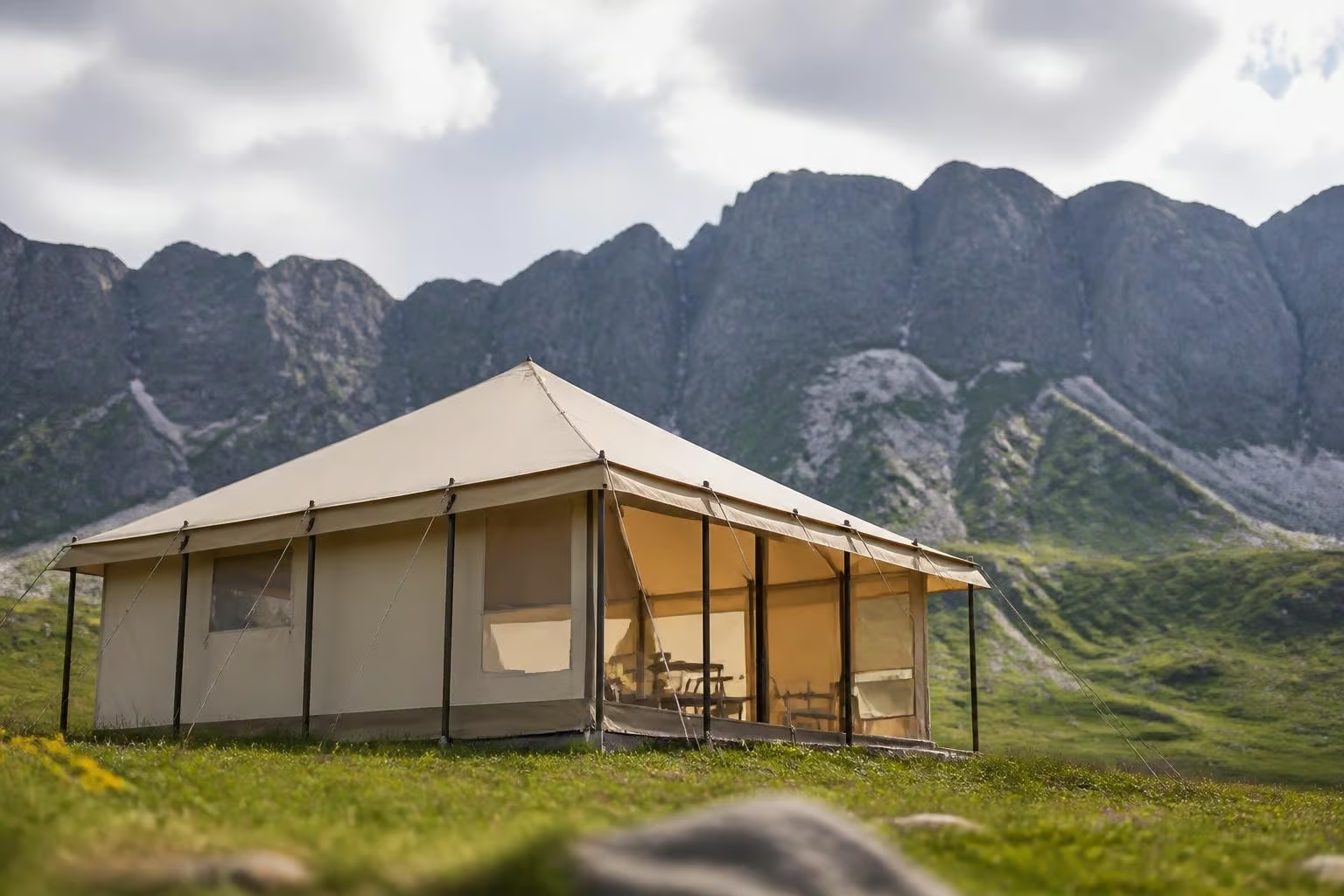
When you invest in outdoor shelter, whether for camping, events, or commercial use, understanding what distinguishes high quality tents from budget alternatives can save you money and frustration in the long run. The South African outdoor market offers countless options, but knowing which features truly matter helps you make informed decisions that match your specific needs and environment.
High quality tents share several fundamental characteristics that set them apart from mass-market alternatives. These features work together to create a shelter that performs reliably across different weather conditions and withstands years of regular use.
Material selection forms the foundation of any quality tent. Premium fabrics such as ripstop canvas, heavy-duty PVC, and technical polyester blends offer superior durability compared to thin nylon commonly found in budget options. According to independent lab-based testing from Consumer Reports, fabric weight, weave density, and coating quality directly correlate with long-term performance.
The construction methods used in manufacturing reveal quality immediately upon inspection. Double-stitched seams with reinforced stress points, taped or welded waterproof joints, and robust corner gussets indicate professional manufacturing standards.
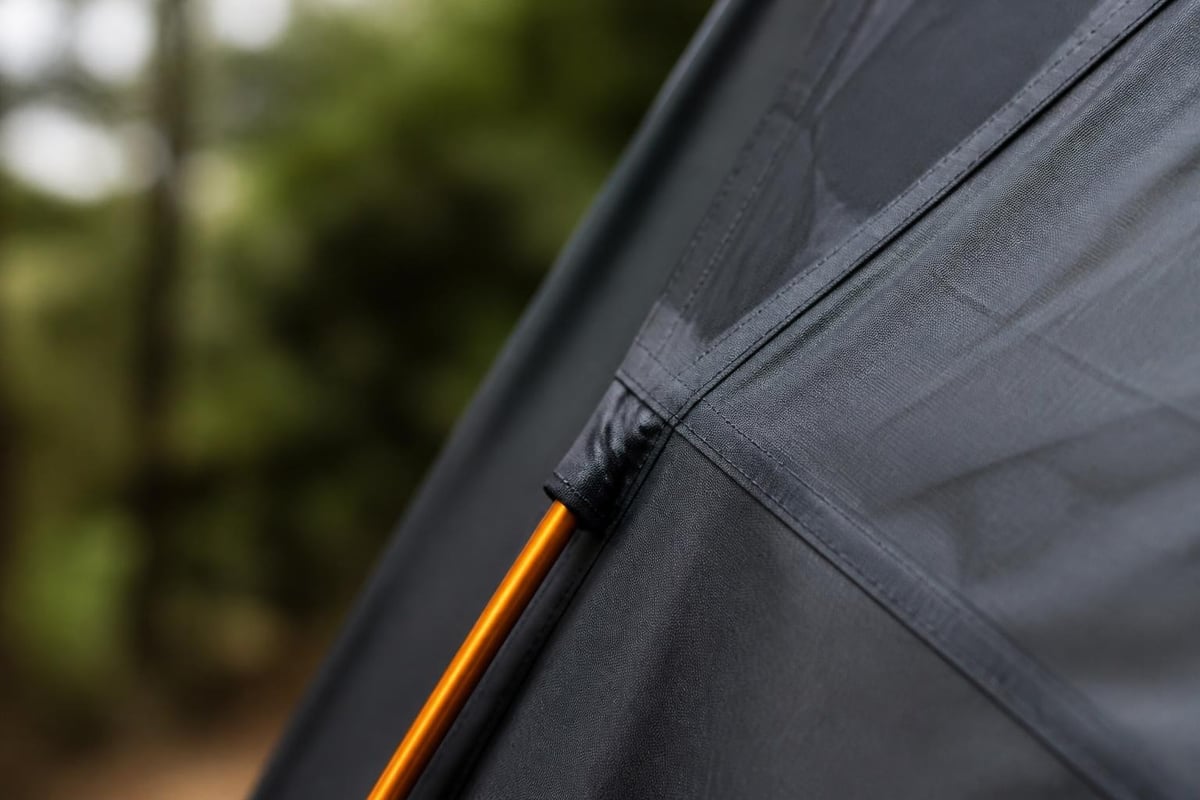
Understanding tent fabrics helps you match materials to your intended use. Different materials excel in specific environments and applications, making material knowledge essential for selecting the right shelter.
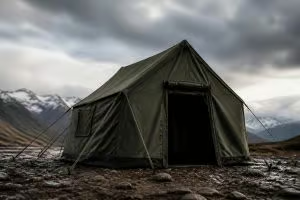
Canvas remains the gold standard for long-term camping and safari applications in African conditions. Ripstop canvas at 300 GSM or higher offers exceptional breathability while providing natural insulation properties. The material becomes more water-resistant over time as the fibers swell when wet, creating a tighter weave.
| Material Type | Weight Range | Best Applications | Lifespan Expectation |
|---|---|---|---|
| Ripstop Canvas | 280-400 GSM | Safari, long-term camping, base camps | 10-15 years |
| PVC Coated Fabric | 450-650 GSM | Events, commercial use, extreme weather | 8-12 years |
| Polyester Oxford | 150-300D | Backpacking, recreational camping | 3-7 years |
| Polycotton Blends | 250-350 GSM | Family camping, weekend use | 5-10 years |
PVC-coated fabrics deliver complete waterproofing and exceptional wind resistance. At 550 GSM and above, these materials handle commercial event requirements and harsh weather exposure. Ejenti Outdoor’s outdoor fabric solutions demonstrate how proper material selection impacts performance in demanding South African conditions.
The outdoor industry increasingly addresses sustainability concerns around tent materials. The Outdoor Industry Association’s sustainability guidance highlights growing efforts to reduce PFAS (per- and polyfluoroalkyl substances) in waterproofing treatments and incorporate recycled content.
High quality tents now often feature:
Manufacturing quality separates tents that last decades from those requiring replacement after a few seasons. Professional construction incorporates specific techniques that dramatically improve durability and weather resistance.
Seam construction deserves careful examination. High quality tents feature flat-felled seams or French seams at critical stress points. These seam types distribute tension across wider fabric areas compared to simple overlapped stitching. Quality manufacturers use UV-resistant thread that won't degrade in harsh sunlight.
Waterproofing methods vary significantly between quality levels. Budget tents often use thin polyurethane coatings that flake and peel within months. Premium alternatives include heat-welded seams, fully taped construction, or silicone-based treatments that bond with fabric fibers.
The supporting structure determines how well your shelter handles wind loads and maintains shape over time. High quality tents incorporate engineering principles that ensure stability without excessive weight.
Galvanized steel frames resist corrosion in humid coastal environments and provide superior strength-to-weight ratios for larger structures. Frame tube diameter and wall thickness matter considerably – thicker gauge materials handle higher stress loads without bending.
Connection points between frame components represent critical failure zones. Quality designs use:
The National Park Service guidance on campsite selection emphasizes proper tent setup and anchoring, particularly relevant when using high quality tents in designated camping areas where wind exposure varies.
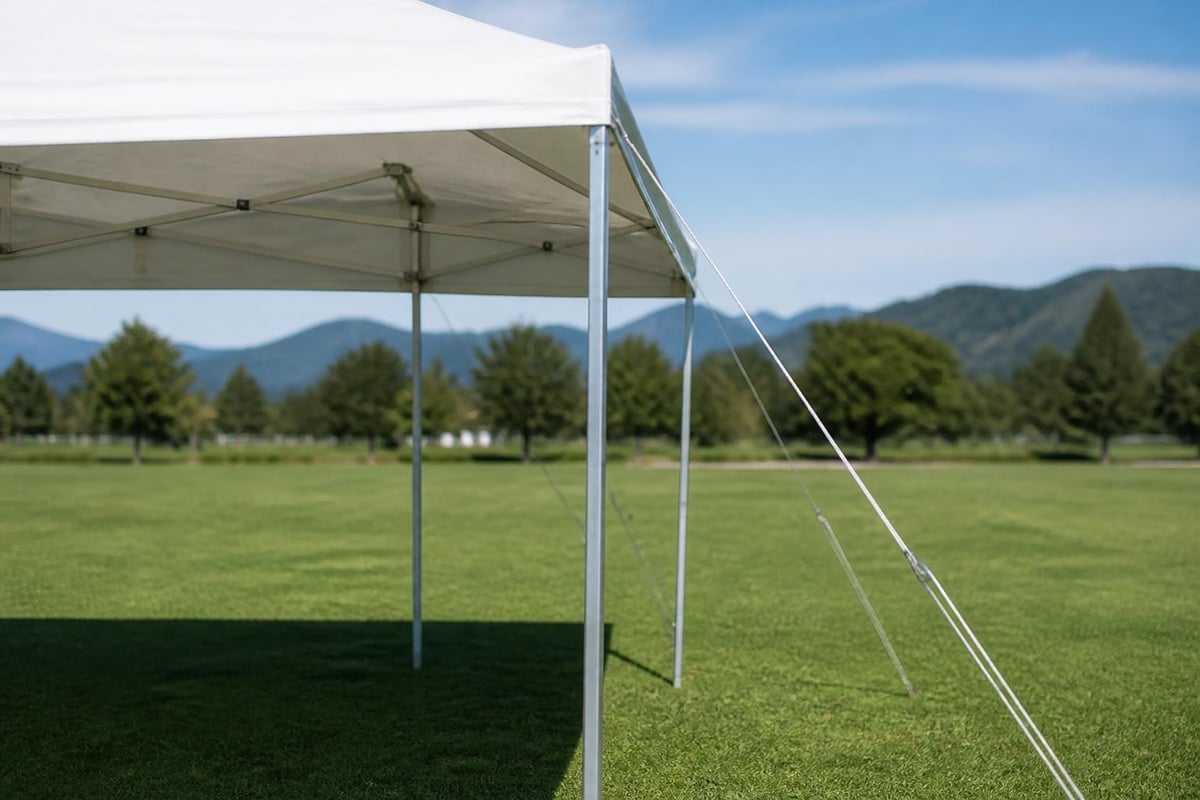
Water resistance represents one of the most critical performance characteristics for any outdoor shelter. Understanding how waterproofing works and what specifications mean helps you select appropriate protection for your environment.
Hydrostatic head ratings measure water column pressure fabric can withstand before leaking. Ratings above 1,500mm handle moderate rain, while 3,000mm and higher perform in heavy downpours. Quality canvas and PVC tents often exceed 5,000mm through combination of material density and coating treatments.
Testing methods vary across manufacturers, making independent verification valuable. Reputable producers subject products to standardized testing protocols measuring:
Laboratory ratings don't always translate directly to field performance. Several factors affect actual waterproofing:
High quality tents incorporate multi-layer weather protection systems. Rain flies create air gaps preventing condensation transfer. Bathtub-style floors extend several inches up walls, blocking splashback. Ventilation panels with closeable covers balance airflow against weather protection.
Fire safety considerations become particularly important for event tents, commercial applications, and any setup near open flames. Quality manufacturers address these concerns through material selection and treatment processes.
The International Fire Code guidance on tents establishes minimum safety standards for temporary membrane structures used in events and gatherings. These regulations specify flame-resistance requirements, spacing from ignition sources, and permitting processes for commercial installations.
Flame-retardant treatments applied to tent fabrics slow ignition and limit flame spread. The NFPA standards for fabric flammability provide testing protocols ensuring materials meet safety thresholds. High quality tents often carry certifications demonstrating compliance with these safety benchmarks.
| Fire Rating | Typical Materials | Permitted Uses | Renewal Requirements |
|---|---|---|---|
| NFPA 701 Small Scale | Treated polyester, canvas | General camping, small events | Annual re-treatment |
| NFPA 701 Large Scale | Heavy PVC, treated canvas | Large events, commercial | Permanent for PVC, annual for canvas |
| Inherently FR | Modacrylic blends, PVC | High-risk environments | None, permanent property |
Proper flame treatment doesn't compromise other tent performance characteristics. Modern treatments penetrate fiber structures without significantly affecting breathability, water resistance, or material hand-feel.
Different outdoor activities demand specific tent characteristics. Matching shelter specifications to use-case ensures optimal performance and value.
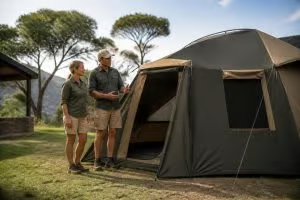
Multi-week stays in remote locations require shelters offering home-like comfort and reliability. High quality tents for safari applications feature:
Canvas materials excel in these applications through natural temperature regulation and condensation management. The breathable fabric creates more comfortable interior environments compared to fully synthetic alternatives during hot African days.
Event tents face demanding conditions including frequent setup/teardown cycles, exposure to diverse weather, and regulatory scrutiny. Commercial-grade specifications include:
When securing larger structures for events, quality hardware becomes critical. Heavy-duty tent hooks and metal fasteners designed specifically for outdoor applications ensure reliable anchoring in variable ground conditions. These components handle the increased wind loads on larger tent surfaces while allowing efficient setup and breakdown.
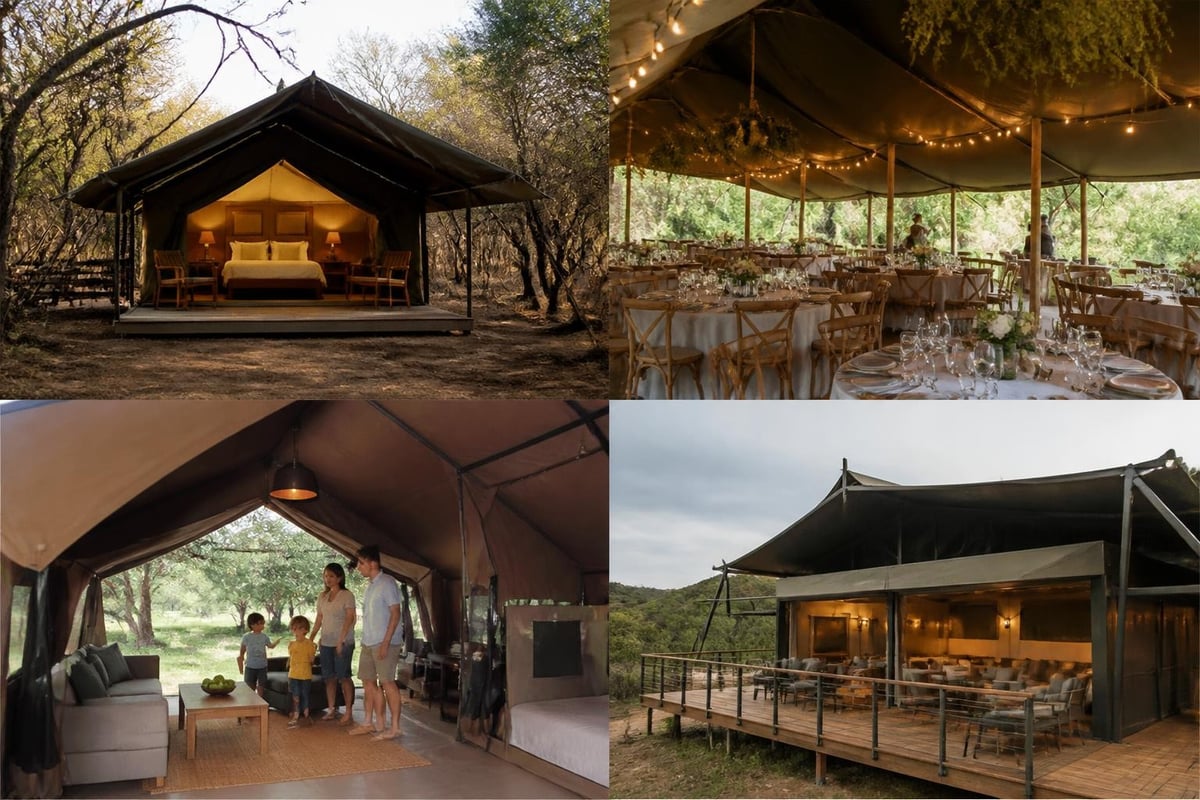
Temperature and humidity management separate comfortable shelters from oppressive ones. High quality tents incorporate engineered ventilation that adapts to changing conditions without compromising weather protection.
Cross-ventilation design positions intake and exhaust openings to maximize airflow. Low vents near the floor admit cool air while high vents or roof panels release warm air, creating natural convection currents. Adjustable closures allow you to regulate flow based on weather.
Mesh panels provide insect protection while maintaining airflow. Quality tents use fine-weave mesh resistant to mosquitoes and small insects common in African environments. Reinforced edges prevent tearing around high-stress areas.
Condensation management requires particular attention in canvas tents. While the material naturally breathes better than synthetics, proper ventilation prevents moisture buildup on interior surfaces. Strategic vent placement creates air movement without creating drafts in sleeping areas.
Tent dimensions and interior configuration dramatically affect comfort and usability. High quality tents maximize usable space while maintaining structural integrity and portability.
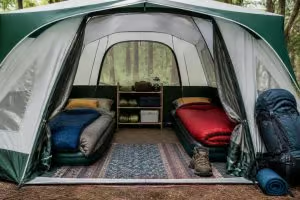
Floor dimensions should accommodate sleeping arrangements plus additional space for gear storage and movement. A nominal 3-person tent barely fits three adults comfortably – sizing up ensures adequate room. Peak height affects whether you can stand, dress, and move naturally inside.
Layout features distinguishing quality designs:
Wall angles affect usable floor space significantly. Near-vertical walls maximize interior volume compared to traditional dome shapes where sloping sides reduce usable area. Quality manufacturers optimize geometry balancing space efficiency against structural stability.
Proper maintenance dramatically extends tent life and maintains performance. High quality tents reward care with decades of reliable service, while neglect shortens even premium products' useful life.
Cleaning procedures vary by material. Canvas requires gentle cleaning with mild soap and cool water, avoiding harsh detergents that strip natural oils. PVC tolerates more aggressive cleaning but shouldn't be scrubbed with abrasive materials that damage coating. Always ensure complete drying before storage preventing mold and mildew.
Storage conditions matter considerably. Tents should be stored clean, dry, and loosely rolled or folded in breathable bags. Compressed storage in humid conditions invites mildew growth and fabric degradation. Climate-controlled storage extends material life, particularly for canvas which can dry-rot in hot, dry conditions.
Regular inspections catch small issues before they become major failures:
Quality manufacturers often provide repair services or offer replacement components extending product life beyond what's possible with budget alternatives. Ejenti Outdoor supports their products with replacement parts and repair guidance helping customers maximize their investment.
Price comparisons focusing solely on initial purchase cost overlook critical ownership factors. High quality tents deliver superior value through longevity, performance, and reduced replacement frequency.
Calculating total cost of ownership requires considering:
A quality canvas tent costing three times a budget alternative but lasting ten times longer represents superior value. Additionally, better performance during use – staying dry in storms, remaining comfortable in heat, withstanding wind – provides intangible benefits difficult to quantify.
| Feature Category | Budget Option | Quality Option | Value Difference |
|---|---|---|---|
| Initial Cost | R2,500 | R8,500 | 3.4x higher |
| Expected Lifespan | 2-3 years | 12-15 years | 5x longer |
| Annual Cost | R833-R1,250 | R567-R708 | 40% lower |
| Weather Performance | Fair | Excellent | Significant comfort gain |
| Resale Value | None | 30-40% original | Recovers investment |
The Higg Materials Sustainability Index provides frameworks for assessing environmental impacts across materials' lifecycles, helping evaluate long-term sustainability alongside economic factors.
South African outdoor environments present unique challenges requiring specific tent characteristics. Understanding regional conditions helps select appropriate specifications.
Coastal regions experience high humidity, salt air, and strong winds requiring corrosion-resistant frames and robust anchoring systems. Ventilation becomes critical managing condensation from warm, moisture-laden air.
Highveld areas face intense UV exposure at altitude, extreme temperature swings, and occasional severe thunderstorms. UV-resistant materials and excellent waterproofing prove essential. The dry climate suits canvas tents well, though proper storage remains important.
Bushveld and safari regions demand pest protection alongside heat management. Fine-mesh screens, floor protection from thorns and sharp grasses, and superior ventilation ensure comfort during extended stays.
Summer camping requires maximum ventilation and UV protection. Large mesh panels, light-colored fabrics reflecting heat, and rain flies creating shaded vestibules improve comfort during hot months.
Winter camping, particularly in mountainous regions, benefits from insulating properties of heavier canvas, smaller vent openings allowing closure during cold nights, and robust waterproofing handling snow loads.
High quality tents accommodate seasonal variation through adjustable ventilation systems, removable rain flies, and modular components adapting to conditions.
Matching tent characteristics to user experience and requirements ensures satisfaction and appropriate investment levels.
Weekend camping families prioritize ease of setup, spacious interiors, and reasonable weather protection. Quality family tents feature:
Investment in quality pays dividends through years of reliable family adventures without constant replacement or weather-related discomfort.
Experienced campers and safari participants demand maximum performance and durability. These users benefit from premium specifications:
The camping gear selection complements quality tents, creating complete outdoor systems supporting extended adventures.
Professional applications require consistent performance, regulatory compliance, and brand representation. Commercial users prioritize:
Recent advances improve tent performance while addressing sustainability and user experience. Quality manufacturers incorporate meaningful innovations rather than gimmicks.
Smart material treatments now provide waterproofing without harmful PFAS chemicals, addressing environmental concerns while maintaining performance. These treatments bond at molecular levels, lasting longer than traditional coatings.
Hybrid material systems combine benefits of different fabrics. Breathable cotton roofs pair with waterproof PVC floors and walls, balancing comfort against weather protection in single structures.
Modular connector systems allow tent expansion, creating linked spaces for larger groups or events. Quality designs maintain structural integrity across connected units while providing flexibility for different space requirements.
Leading manufacturers adopt practices reducing environmental impact:
These practices don't compromise quality – they often indicate manufacturers' commitment to long-term thinking and responsible production.
Selecting high quality tents requires balancing immediate budget against long-term value, matching specifications to intended use, and understanding how materials and construction affect performance. Whether you need reliable family camping shelter, professional event infrastructure, or extended safari accommodation, investing in quality delivers superior experiences and lower total ownership costs. Ejenti Outdoor manufactures and supplies premium tents, outdoor fabrics, and camping solutions designed specifically for South African conditions, backed by expertise helping customers choose the right shelter for their specific requirements.