
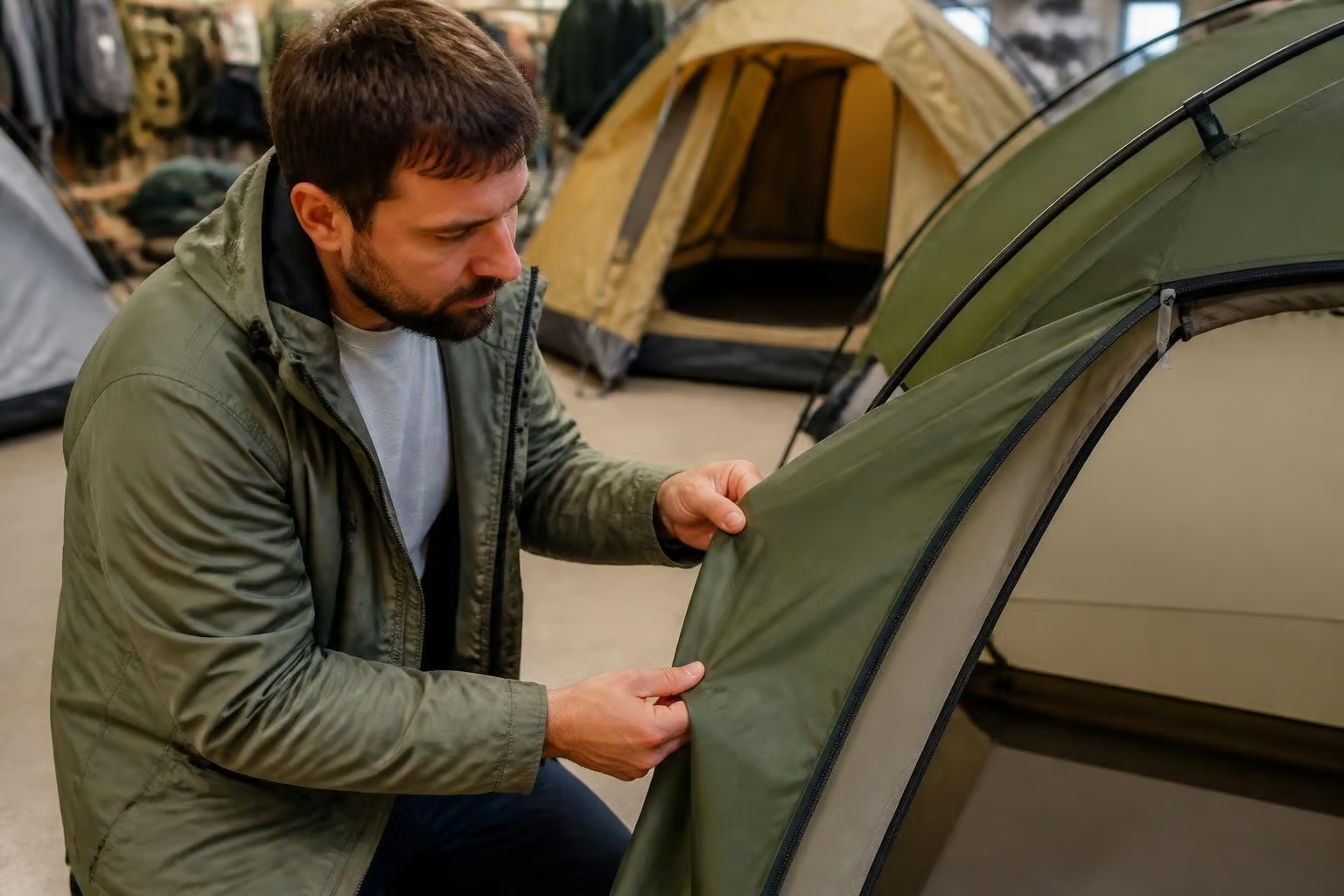
Shopping for tents near me in store offers distinct advantages that online shopping simply cannot match. You can physically inspect fabric quality, test zippers and poles, assess interior space by stepping inside, and get immediate answers from knowledgeable staff. In South Africa's diverse climate conditions, from coastal humidity to highveld sun exposure, choosing the right tent requires hands-on evaluation. This guide walks you through everything you need to know about finding, inspecting, and purchasing tents from local retailers in 2026.
The tactile experience of shopping for tents near me in store transforms how you make purchasing decisions. When you can touch waterproof canvas, examine stitching quality, and physically test pole connections, you gain confidence that product photos and descriptions alone cannot provide.
Local tent shopping offers immediate benefits:
Retailers specializing in outdoor equipment typically employ staff with real camping experience. They understand South African conditions and can recommend tents based on your specific requirements, whether you're heading to Kruger National Park or setting up a family gathering in your backyard.
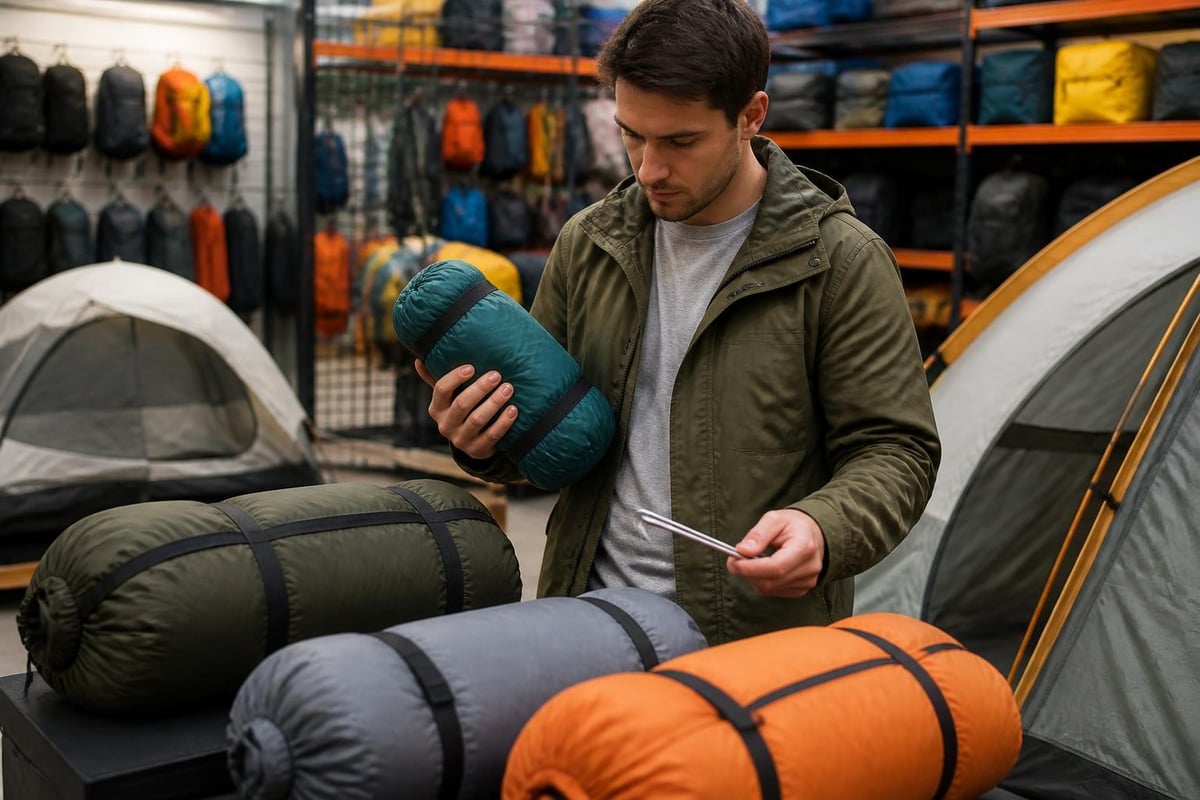
When searching for tents near me in store, the ability to conduct thorough physical inspections proves invaluable. You can unzip every door, extend poles to check for smooth joints, and examine seam sealing under bright lighting. This hands-on approach reveals quality differences that specifications alone might hide.
The Better Business Bureau recommends testing tent setup in-store whenever possible. Many outdoor retailers have floor models or display areas where you can practice assembly. This trial run helps you understand whether the tent's complexity matches your skill level and patience.
| Inspection Point | What to Check | Why It Matters |
|---|---|---|
| Fabric quality | Weight, ripstop pattern, waterproof coating | Determines durability and weather resistance |
| Pole construction | Material type, joint design, elasticity | Affects setup ease and wind stability |
| Zipper operation | Smoothness, two-way function, protective flaps | Prevents frustration during actual use |
| Floor material | Thickness, bathtub design, seam height | Guards against moisture and punctures |
When you walk into stores looking for tents near me in store, you'll encounter several distinct categories. Each type serves different purposes, and understanding these differences helps you navigate options efficiently.
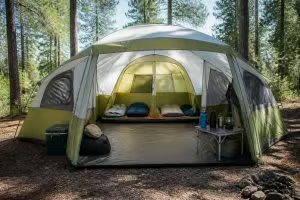
These spacious shelters prioritize comfort and livability. Family tents typically feature multiple rooms, standing height, and storage pockets. In South Africa, look for models with good ventilation to handle summer heat while maintaining weather protection during sudden storms.
Manufacturers like Ejenti Outdoor design tents specifically for South African conditions, using heavy-duty canvas and ripstop fabrics that withstand intense UV exposure and seasonal rains.
Dome tents offer excellent wind resistance through their curved structure, making them ideal for exposed highveld campsites. Tunnel tents provide more interior space but require proper staking. When examining these tents near me in store, pay attention to pole sleeve quality and stake anchor points.
Key construction features to evaluate:
Canvas tents excel in breathability and temperature regulation, particularly important for extended stays or warmer climates. Synthetic materials typically weigh less and pack smaller, better suited for hiking or motorcycle camping. The National Park Service provides guidance on matching tent types to specific camping environments and regulations.
Fire safety standards have evolved significantly in recent years. The U.S. Consumer Product Safety Commission published findings in August 2023 examining tent flammability testing protocols. While shopping for tents near me in store, ask retailers about compliance with CPAI-84 standards.
The CPAI-84 flammability test measures how quickly tent fabric ignites and burns. Compliant tents carry specific labeling indicating they meet recognized safety benchmarks. This becomes especially important if you plan to use camp stoves or heat sources near your tent.
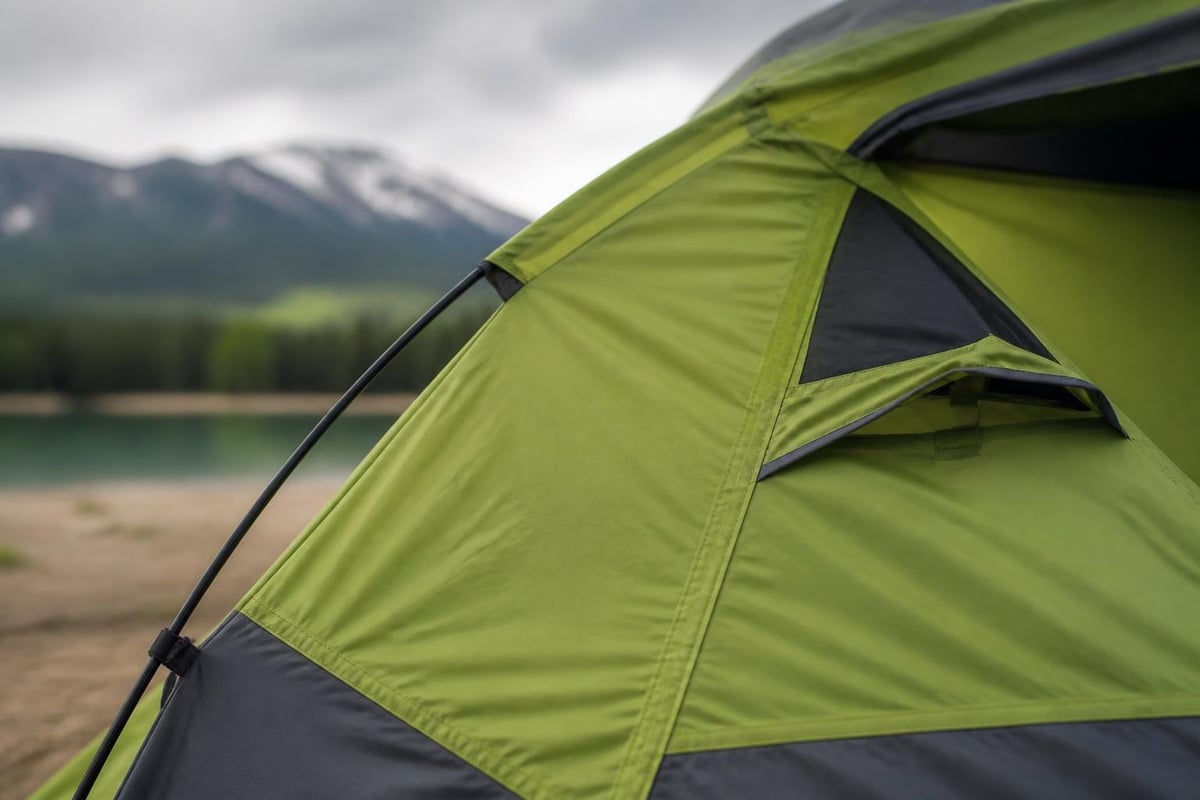
Waterproof ratings measure fabric resistance in millimeters of water column pressure. When examining tents near me in store, look for these benchmark numbers:
South African weather varies dramatically by region. Coastal campers need higher waterproof ratings due to humidity and ocean storms, while inland areas might prioritize UV resistance over extreme waterproofing.
Most specialty outdoor retailers encourage customers to practice tent setup on their premises. This hands-on experience reveals whether pole color coding makes sense, stake insertion requires excessive force, or rainfly attachment creates confusion.
Good Housekeeping’s testing methodology includes setup ease as a primary evaluation criterion. Their reviewers note that manufacturer time estimates often assume experienced users, so first-time setup typically takes longer.
Knowledgeable staff can provide insights beyond product specifications. When shopping for tents near me in store, prepare these questions:
Price comparison extends beyond the sticker amount. When evaluating tents near me in store, consider the complete ownership cost including accessories, potential repairs, and expected lifespan.
| Price Range | Expected Features | Best For |
|---|---|---|
| R800 – R2,000 | Basic synthetic, 2-3 person, fair weather | Occasional use, festivals |
| R2,000 – R5,000 | Quality materials, 4-6 person, good weather resistance | Regular family camping |
| R5,000 – R15,000 | Premium canvas, multi-room, excellent durability | Frequent use, extended trips |
| R15,000+ | Professional grade, specialized features, warranties | Safari operations, serious enthusiasts |
Some retailers offer price matching or seasonal sales. Shopping for tents near me in store during off-peak months (April through July in South Africa) often yields better negotiating opportunities.
Premium tents bundle valuable accessories that budget models charge extra for. Check whether your tent includes quality stakes, guy lines, repair kits, and storage bags. Lower-priced options might require immediate additional purchases that erase apparent savings.
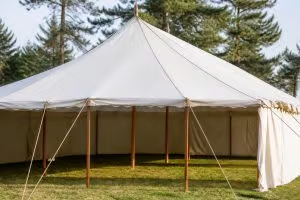
For events and gatherings requiring weather-protected space, many South Africans find that investing in durable outdoor shelters pays long-term dividends. When you need reliable coverage for multiple occasions, products engineered for South African conditions deliver better performance than imported budget alternatives.
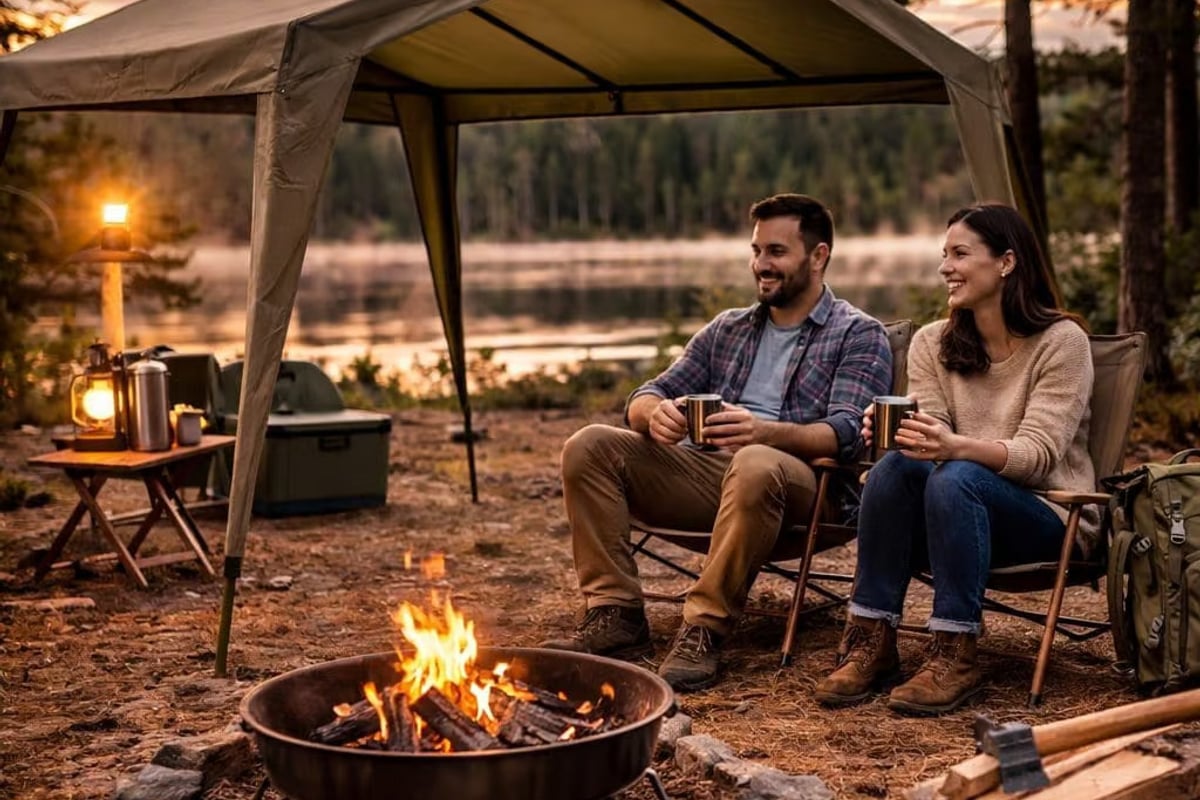
South Africa's reversed seasons compared to the Northern Hemisphere mean peak camping months differ from international tent marketing cycles. When searching for tents near me in store during September through November 2026, you're shopping during spring buildup to summer camping season.
Summer camping priorities (November – February):
Winter camping needs (June – August):
Retailers adjust inventory based on these cycles. Shopping for tents near me in store during transition months sometimes reveals clearance pricing on previous season stock.
Coastal regions experience higher humidity and salt air exposure. Tents used near the ocean require corrosion-resistant poles and frequent rinsing after trips. The Highveld's intense sun and sudden afternoon thunderstorms demand different fabric treatments. Knowledgeable local retailers understand these regional differences and stock appropriate models.
The Outdoor Industry Association tracks sustainability trends affecting tent manufacturing, including regional material sourcing that reduces environmental impact while supporting local economies.
Warranty coverage varies dramatically between brands and retailers. When purchasing tents near me in store, review warranty terms carefully:
Local retailers who honor warranties in-store save you shipping hassles and delays. Some South African outdoor specialists maintain repair services, replacing poles, patching tears, or re-waterproofing older tents at reasonable costs.
Progressive retailers offer satisfaction guarantees allowing you to test your tent on an actual camping trip. If issues emerge during normal use, you can return or exchange the product. When shopping for tents near me in store, specifically ask about trial camping policies and what condition the tent must maintain for acceptance.
Modern tents incorporate clever features that significantly improve camping experiences. While shopping for tents near me in store, evaluate whether these extras justify price differences:
Some features matter more depending on your camping style. Car campers might prioritize interior organization, while backpackers focus on weight savings and compact packing.
Manufacturers rate tents by how many sleeping pads fit inside. The "6-person" tent comfortably sleeps four adults with gear. When examining tents near me in store, physically enter display models and imagine your family's actual requirements including air mattresses, clothing bags, and personal space preferences.
Bring a measuring tape to verify advertised dimensions. Peak height determines whether adults can stand comfortably or must crouch constantly. Floor dimensions affect furniture like camp chairs or coolers that you might want protected inside during rain.
Environmentally conscious campers increasingly seek tents manufactured with reduced environmental impact. When shopping for tents near me in store in 2026, look for brands using:
South African manufacturers who source materials locally reduce transportation emissions while supporting domestic textile industries. Companies transparent about their supply chains and manufacturing processes typically produce higher quality, more durable products that avoid disposable camping gear cycles.
Canvas tents, when properly maintained, last decades compared to synthetic alternatives requiring replacement every few seasons. This longevity often outweighs initial price differences from a total cost and environmental perspective.
After researching, inspecting, and comparing options while shopping for tents near me in store, trust the combination of objective evaluation and personal preference. The "best" tent balances your specific requirements against your budget reality.
Final decision checklist:
Don't let sales pressure rush your decision. Quality outdoor retailers understand that satisfied customers return for accessories, upgrades, and recommendations to friends. If something feels uncertain, visiting additional stores searching for tents near me in store often clarifies preferences through comparison.
Some retailers offer installment plans or outdoor gear financing for premium purchases. While shopping for tents near me in store, ask about payment flexibility if upfront cost creates barriers. Quality tents represent multi-year investments that often justify spreading payments.
Before leaving the store with your new tent, ask staff about proper care procedures. Most tent damage results from improper storage, not manufacturing defects. Basic maintenance extends tent life significantly:
Many retailers sell waterproofing treatments, seam sealers, and repair patches. Purchasing these maintenance supplies when buying tents near me in store ensures you have them ready when needed.
Retail staff often share insider tips about extending specific model lifespans. They've heard customer feedback about common issues and can recommend preventive measures. For instance, certain pole connection points might benefit from extra lubrication, or specific fabrics might need more frequent waterproofing renewal.
Shopping for tents near me in store empowers you to make informed decisions based on hands-on evaluation rather than reviews and specifications alone. The immediate access to knowledgeable staff, physical inspection opportunities, and same-day availability create purchasing confidence that online shopping cannot replicate. When you need reliable outdoor shelter designed specifically for South African conditions, Ejenti Outdoor manufactures durable canvas tents, gazebos, and camping solutions built to withstand our unique climate challenges. Explore their range of locally produced outdoor equipment engineered for performance and longevity.