
Camping tent camping remains one of the most accessible and rewarding ways to experience the outdoors in 2026. Whether you're planning a weekend escape to a national park or embarking on a multi-day wilderness adventure, understanding the fundamentals of tent camping ensures comfort, safety, and memorable experiences. This comprehensive guide covers everything from selecting the right gear to mastering campsite setup, helping both beginners and experienced campers make the most of their outdoor adventures. With proper preparation and quality equipment, camping tent camping opens doors to natural landscapes, starlit nights, and the simple pleasure of living outdoors.
Selecting the appropriate tent forms the foundation of successful camping tent camping. Your choice depends on several critical factors including group size, season, destination, and personal preferences.
Manufacturers rate tents by the number of people they accommodate, but real-world comfort often requires sizing up. A four-person tent typically provides comfortable sleeping space for three adults with gear, while a two-person tent works well for solo campers who value extra room.
Peak height matters significantly for livability. Tents with center heights of 1.5 meters or more allow adults to change clothes standing up, while lower-profile designs offer better wind resistance but require crouching.
Tents fall into three main categories based on seasonal capabilities. Three-season tents handle spring, summer, and fall conditions with excellent ventilation and weather protection for most camping tent camping scenarios. Four-season tents withstand winter storms and heavy snow loads with reinforced poles and minimal mesh.
| Season Type | Best For | Ventilation | Weight | Weather Resistance |
|---|---|---|---|---|
| 3-Season | Spring-Fall | High | Light-Medium | Rain, moderate wind |
| 4-Season | Winter/Alpine | Low | Heavy | Snow, extreme wind |
| Convertible | Year-round | Adjustable | Medium-Heavy | All conditions |
Canvas tents deserve special mention for their durability and breathability. Unlike synthetic materials, quality canvas naturally regulates moisture and temperature while providing exceptional longevity when properly maintained.
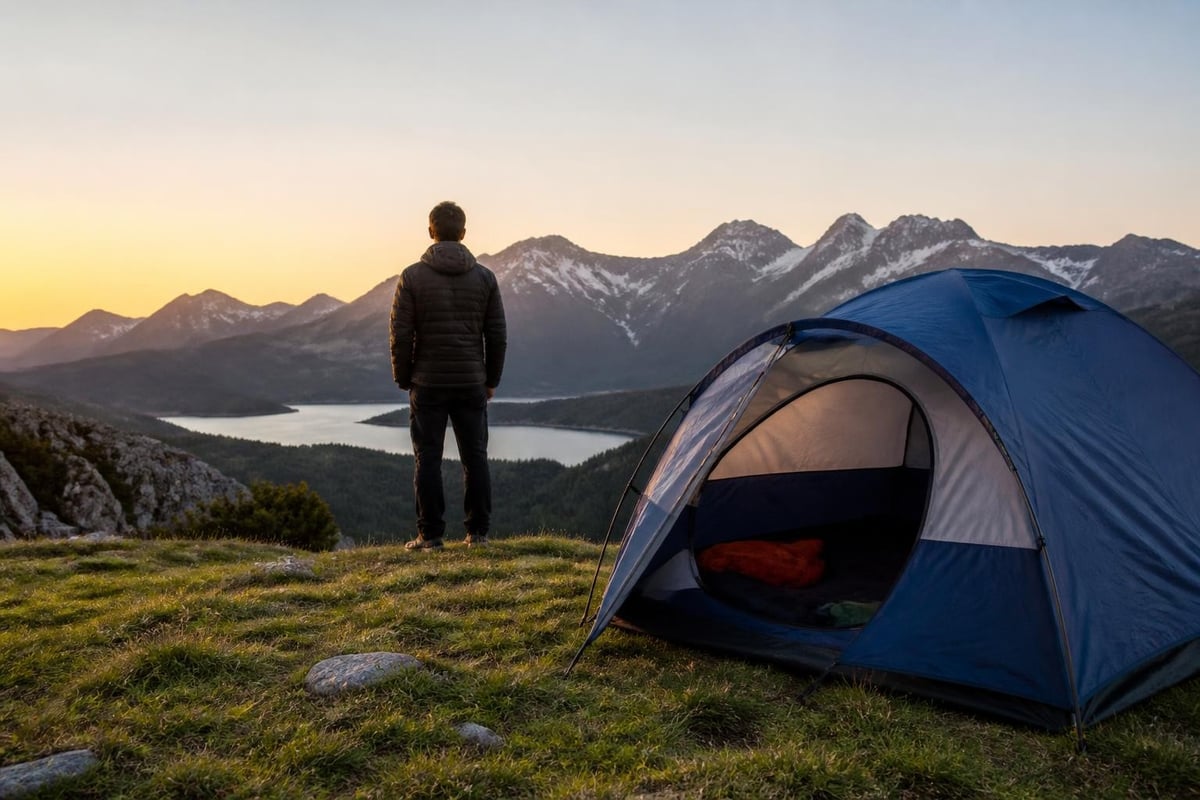
Successful camping tent camping requires more than just shelter. Building a comprehensive gear kit ensures comfort and preparedness for various situations.
Your sleep system consists of three critical components working together. Sleeping bags rated for temperatures 10 degrees lower than expected nighttime lows provide a safety margin. Sleeping pads serve dual purposes: insulation from cold ground and cushioning for comfort.
R-values measure pad insulation effectiveness:
Pillows significantly improve sleep quality. Compressible camping pillows or stuff sacks filled with soft clothing offer simple solutions.
Camp kitchens range from minimalist single-burner setups to elaborate multi-course cooking systems. Most camping tent camping trips benefit from a moderate approach including a two-burner stove, basic cookware set, utensils, and cleaning supplies.
Proper food storage protects both your supplies and local wildlife. Bear-aware practices and food storage requirements vary by location, with some parks mandating bear-resistant containers or designated storage lockers.
Headlamps provide hands-free illumination for camp tasks after dark. Lanterns create ambient lighting for group areas. Solar-powered or rechargeable options reduce battery waste and ensure reliable power throughout your trip.
Modern camping includes staying connected when necessary. Portable battery banks keep essential devices charged, while solar panels extend power availability during longer stays.
Proper campsite selection and tent setup directly impact your camping tent camping experience. Thoughtful preparation prevents common problems and maximizes comfort.
Established campgrounds offer designated sites with level ground and defined boundaries. Backcountry camping requires more careful site assessment. Look for naturally level areas at least 60 meters from water sources to protect riparian ecosystems.
Avoid these locations:
Morning sun exposure helps dry condensation quickly, while afternoon shade keeps tents cooler during hot weather. Wind direction matters-position tent doors away from prevailing winds while ensuring adequate ventilation.
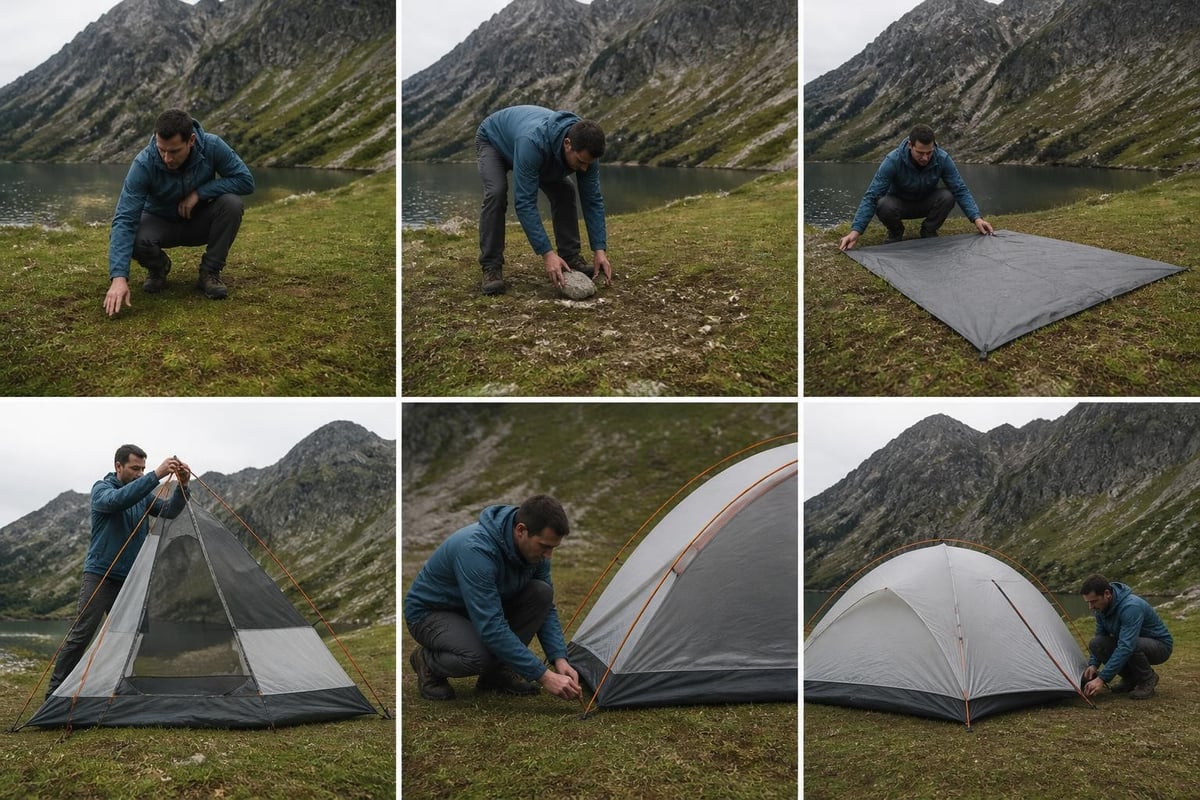
Clear the ground of rocks, sticks, and pinecones before laying out your groundsheet or footprint. This protective layer prevents punctures and extends tent floor life.
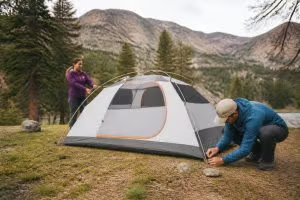
Quality stakes and proper tensioning create a taut pitch that sheds rain efficiently and resists wind. When setting up tents on various terrains, having reliable heavy duty tent hooks and metal fasteners ensures your shelter remains securely anchored through changing weather conditions.

Weather conditions dramatically affect camping tent camping comfort and safety. Preparing for various scenarios ensures enjoyable trips regardless of what nature delivers.
Condensation forms inside tents when warm, humid air contacts cooler tent fabric. This natural process intensifies during rain or in humid climates. Combat condensation through ventilation-open vents and position doors to create airflow while maintaining rain protection.
Moisture management checklist:
Waterproof ratings indicate fabric performance under pressure. Quality tent fabrics withstand 1,500mm to 3,000mm water columns, with floors rated higher due to ground contact and occupant weight.
Summer camping tent camping requires strategies to manage heat buildup. Light-colored tents reflect more solar radiation than dark colors. Mesh panels maximize airflow when weather permits.
Create shade over your tent using tarps or natural canopy when possible. Set up in shaded areas during hot months, prioritizing afternoon shade when temperatures peak. Morning sun helps with condensation drying without excessive afternoon heat.
Winter camping tent camping demands additional preparation. Four-season tents with minimal mesh and snow-ready designs handle harsh conditions. Inside the tent, close all vents during extreme cold to retain heat, opening them periodically to manage condensation.
Cold-weather sleep systems require higher R-value pads and temperature-appropriate sleeping bags. Many campers use two pads stacked for additional insulation and comfort during winter trips.
Safe camping tent camping practices protect both participants and natural environments for future generations. Understanding potential hazards and practicing Leave No Trace principles ensures sustainable outdoor recreation.
Campfire regulations vary by location and season. Forest Service restrictions may prohibit fires during high fire danger periods. When fires are permitted, use established fire rings and keep fires small and manageable.
Position tents at least 4 meters from fire pits and cooking areas. Embers from campfires can burn holes in tent fabric and create serious fire hazards. Never use stoves or create flames inside tents-carbon monoxide buildup and fire risk make this extremely dangerous.
During wildfire season, monitor air quality through EPA wildfire smoke resources and adjust outdoor activities accordingly. Poor air quality may require postponing trips or relocating to areas with better conditions.
Proper food storage prevents wildlife encounters that endanger both animals and campers. Store all scented items-food, toiletries, trash-in approved containers or hung from designated bear poles.
| Wildlife | Prevention Strategy | Storage Method |
|---|---|---|
| Bears | All food secured | Bear canisters or lockers |
| Raccoons | Sealed containers | Locked coolers |
| Rodents | Hung or sealed items | Dry bags elevated |
| Birds | Covered food | Screened storage |
Research wildlife common to your destination before departure. Understanding local species and their behaviors helps you prepare appropriately and respond correctly to encounters.
The seven Leave No Trace principles guide responsible camping tent camping practices:
Pack out everything you pack in, including micro-trash like fruit peels and toilet paper. Catholes for human waste should be 15-20 cm deep and at least 60 meters from water sources.
Regular equipment maintenance and thorough trip planning extend gear life and improve camping tent camping experiences. Establishing good habits pays dividends across many adventures.
Create a comprehensive gear list based on trip duration, group size, and destination. Cross-reference your list with official NPS camping guidance to ensure you haven't overlooked critical items.
Two weeks before departure:
Final 24 hours:
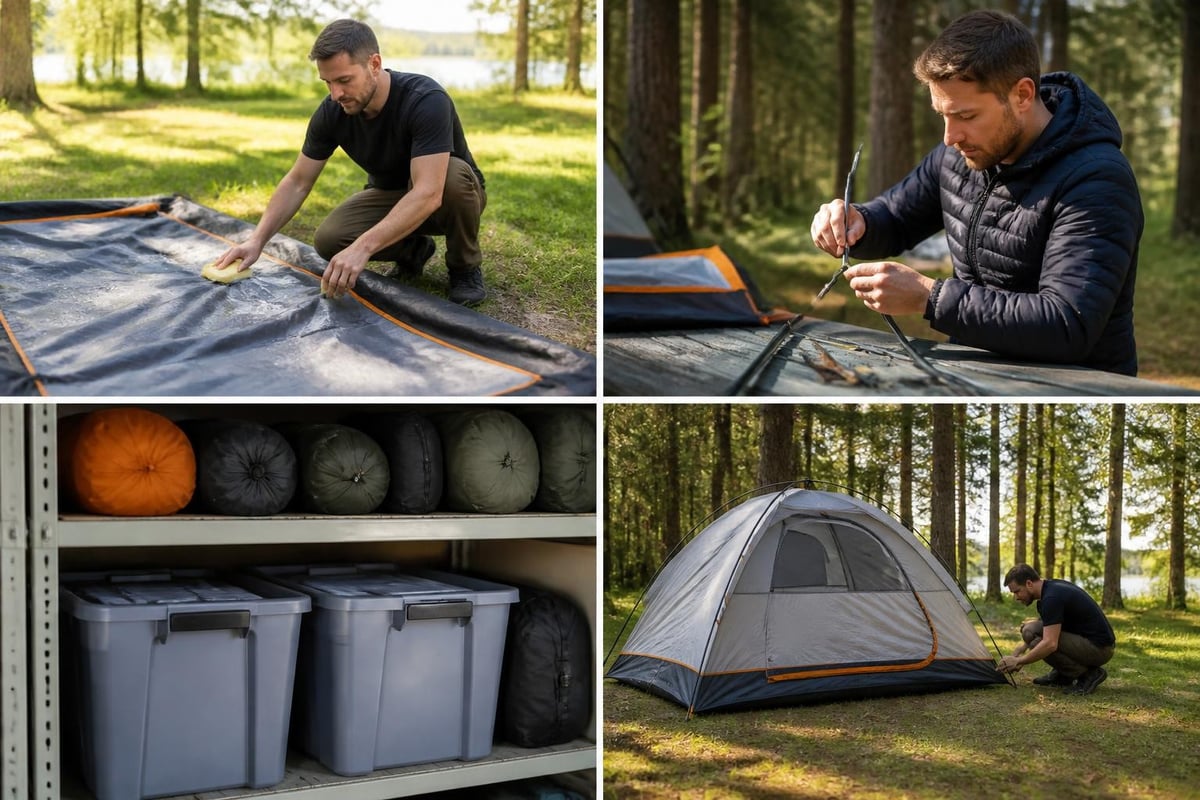
Proper cleaning and storage dramatically extend tent lifespan. Pitch your tent at home after each trip to dry completely before storage. Moisture trapped during storage leads to mildew and fabric degradation.
Clean tent floors and remove debris using a soft brush or damp sponge with mild soap. Never machine wash tents or use harsh detergents that damage waterproof coatings. Spot-clean stubborn stains and allow complete air drying.
Store tents loosely in a large mesh bag or cotton storage sack. Compression damages fabric and coatings over time. Keep stored tents in cool, dry locations away from direct sunlight.
New campers benefit from gradual gear acquisition rather than expensive initial investments. Consumer Reports camping gear testing provides evidence-based recommendations for quality equipment at various price points.
Borrow or rent specialized gear for first trips while identifying must-have items through actual use. Invest in quality fundamentals-tent, sleeping bag, pad-that match your camping style and climate.
Browse options for camping accessories and tent-related gear to identify items that enhance your specific camping tent camping setup without unnecessary purchases.
Even experienced campers encounter difficulties during camping tent camping adventures. Recognizing common problems and knowing effective solutions improves outcomes when challenges arise.
Rocky or hard ground makes staking tents challenging. Carry heavier-duty stakes than those included with most tents. Rock stakes with T-handles penetrate hard soil better than standard wire stakes.
When stakes won't hold, use natural anchors like rocks or logs. Guy lines attached to heavy objects provide stability without ground penetration. In sandy conditions, bury stuff sacks filled with sand as anchors.
Mountain weather changes rapidly, catching unprepared campers off-guard. Always pack for conditions worse than forecast. Extra guylines and stakes reinforce tent stability when winds increase unexpectedly.
Lightning safety requires lowering your profile. Avoid hilltops and isolated trees. If caught in an electrical storm while camping, stay inside your tent (which offers no lightning protection) only as a last resort-seek shelter in a substantial building or hard-topped vehicle when possible.
High humidity causes persistent condensation issues. Maximize ventilation even during rain by using protected vents and strategic door positioning. Microfiber towels absorb significant moisture-wipe tent walls and ceiling regularly.
Vapor barriers under sleeping pads prevent ground moisture from entering your sleep system. Space blankets or closed-cell foam pads serve this purpose effectively in humid environments.
Poor sleep undermines camping tent camping enjoyment. Address common sleep disruptors systematically. Pad placement prevents sliding-rough-texture tent floors grip pads better than smooth surfaces.
Insulate yourself from ground cold adequately. R-values lower than conditions require result in cold, restless nights. Layer pads when single pads prove insufficient.
Noise from other campers or wildlife disrupts sleep. Quality earplugs block most disturbances while still allowing you to hear important sounds like weather changes or safety concerns.
Developing camping tent camping expertise continues throughout your outdoor journey. Engaging with communities and educational resources accelerates skill development and opens new opportunities.
National organizations promote responsible recreation and maintain trail systems. American Hiking Society resources provide trip planning guidance and connect campers with volunteer opportunities supporting outdoor access.
Local hiking and camping clubs offer mentorship, group trips, and skill-building workshops. Many welcome beginners and provide equipment libraries where members borrow gear for trial periods.
Digital communities share trip reports, gear reviews, and location-specific beta. Active participation helps you learn from experienced campers while contributing your own insights as skills develop.
Focus on communities aligned with your camping style-ultralight backpacking forums differ significantly from family car-camping groups. Multiple community perspectives provide balanced information.
Formal outdoor education builds competence and confidence. Wilderness first aid courses teach medical response skills applicable beyond camping. Navigation classes using map and compass complement GPS technology.
Organizations like NOLS and Outward Bound offer multi-day immersive courses covering comprehensive camping tent camping skills. While expensive, intensive courses compress years of trial-and-error learning into focused instruction.
Local outdoor retailers frequently host free or low-cost workshops on specific skills like tent repair, meal planning, or weather forecasting. These accessible sessions provide valuable knowledge without significant time or financial commitment.
As skills develop, many campers explore specialized approaches that align with specific interests or environments. Understanding different camping tent camping styles helps you identify directions for growth.
Weight-conscious backpackers carry everything in a pack, hiking to remote locations inaccessible by vehicle. Ultralight camping emphasizes minimizing pack weight while maintaining safety and reasonable comfort.
Gear selection focuses on weight-to-function ratios. Single-wall tents reduce weight but require careful condensation management. Quilts replace sleeping bags for active sleepers who value weight savings.
Vehicle-accessible camping removes weight restrictions, enabling comfortable base camps with substantial amenities. Larger tents, full cooking setups, and comfort items transform camping tent camping into outdoor living.
Multi-room tents provide privacy for families. Camp kitchens with prep tables and organized storage systems support elaborate meal preparation. Portable power stations run lights, devices, and small appliances.
Overlanding combines camping tent camping with vehicle-based travel across remote regions. Roof-top tents or ground systems deploy quickly at day's end and pack efficiently for next-day travel.
Extended expeditions require durable gear withstanding continuous use across varied conditions. Canvas tents excel in overlanding scenarios due to superior longevity and livability during extended deployments.
For those seeking quality outdoor equipment built for South African conditions, exploring the full range of products available at Ejenti Outdoor reveals options designed for durability and real-world performance.
Cold-weather camping tent camping demands specialized skills and equipment. Four-season tents with geodesic designs resist snow loading and extreme winds. Extensive snow anchoring systems replace traditional stakes.
Cold-weather challenges include managing moisture inside tents, preventing gear from freezing, and maintaining adequate warmth throughout long winter nights. Dedicated winter campers develop systematic approaches to these unique demands.
Successful camping tent camping combines quality equipment, practical skills, and respect for natural environments. From selecting appropriate tents and establishing efficient campsites to managing weather challenges and practicing environmental stewardship, each element contributes to memorable outdoor experiences. Whether you're planning your first camping trip or refining techniques developed over years, continuous learning and adaptation improve outcomes. Ejenti Outdoor provides South African adventurers with durable tents, camping gear, and outdoor solutions engineered for demanding conditions, helping you explore with confidence and comfort across diverse landscapes.