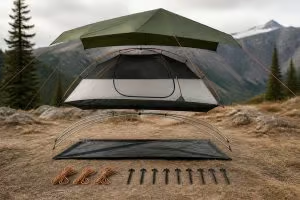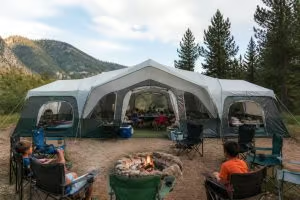

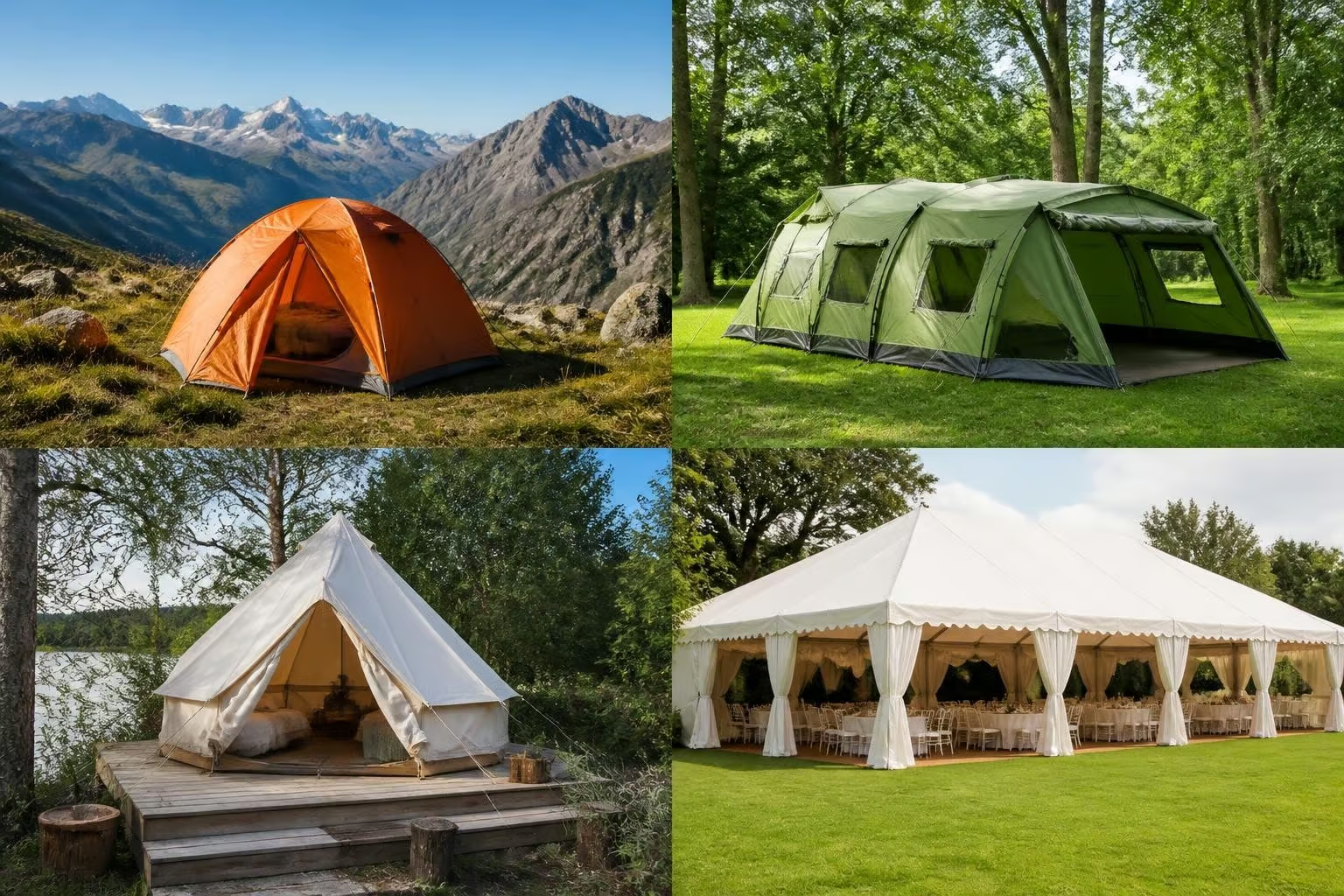
Choosing the right shelter for your outdoor adventure or event depends entirely on understanding the different kinds of tent available today. From lightweight backpacking solutions to heavy-duty canvas structures built for months in the bush, each tent type serves specific needs and environments. Whether you're planning a weekend family camping trip, setting up a semi-permanent safari camp, or organizing an outdoor event, knowing which tent design matches your requirements ensures comfort, safety, and value for money. This comprehensive guide explores the major tent categories, their construction features, ideal uses, and what makes each design unique in the South African outdoor context.
Dome tents represent one of the most popular kinds of tent for recreational camping worldwide. Their distinctive curved structure uses flexible poles that cross at the top, creating a self-supporting framework that maximizes interior space while minimizing weight.
The dome configuration typically employs two or more poles that cross in an X-pattern at the tent's apex. This creates natural tension that holds the fabric taut without requiring external anchoring, though guy lines still improve stability in wind. Most dome tents feature:
The National Park Service recognizes dome tents as appropriate for frontcountry camping in designated campgrounds, where their ease of setup and versatility suit family and casual campers.
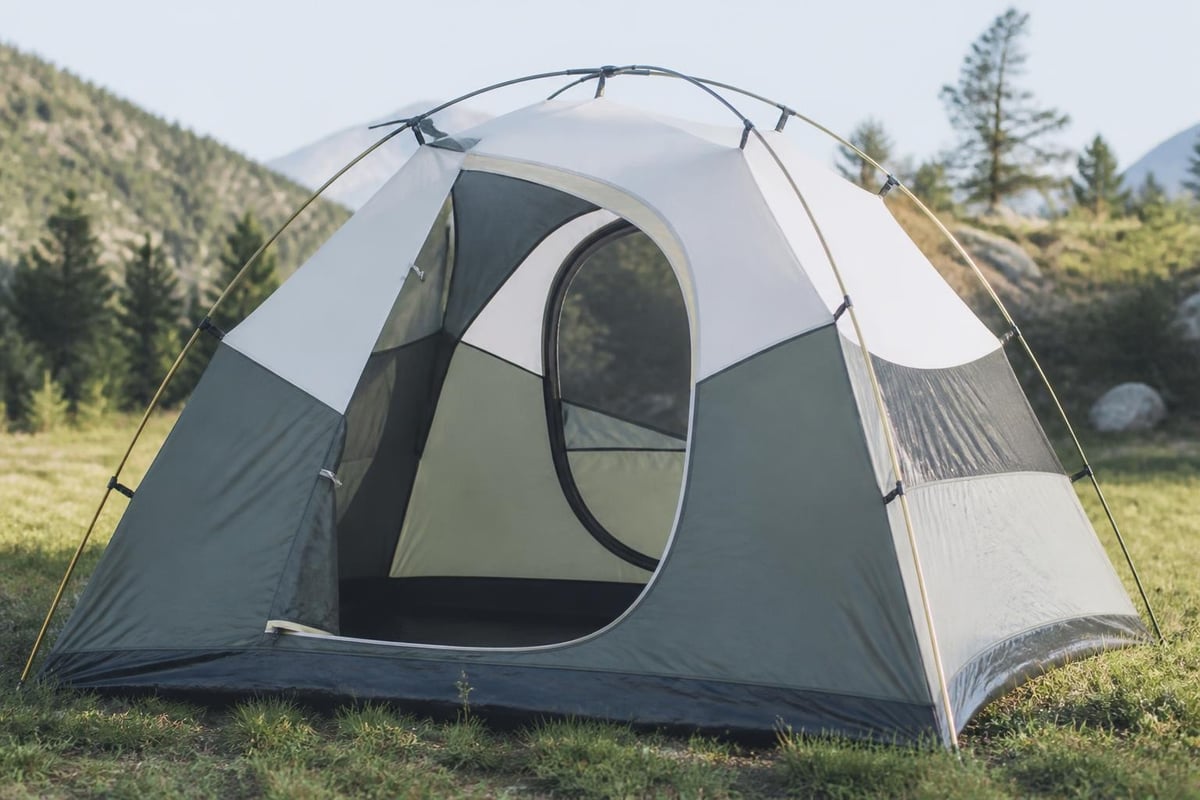
Dome tents excel in three-season camping where portability matters more than extreme weather protection. Weekend campers appreciate the balance between interior space, weight, and weather resistance. These tents work particularly well for:
While dome tents offer good general performance, they're not ideal for extended stays or harsh conditions where more robust kinds of tent provide better long-term comfort.
Tunnel tents use a series of parallel hoops or arches to create an elongated, tunnel-like shape. This design prioritizes interior volume and headroom over other considerations, making them excellent group and family shelters.
Unlike self-supporting dome designs, tunnel tents require staking at both ends to maintain their shape. The parallel pole arrangement creates near-vertical walls along much of the tent's length, significantly increasing usable floor space compared to dome tents of similar footprint.
| Feature | Dome Tent | Tunnel Tent |
|---|---|---|
| Setup Complexity | Simple | Moderate |
| Interior Space | Good | Excellent |
| Wind Resistance | Good from all angles | Best when oriented correctly |
| Freestanding | Yes | No |
| Weight (comparable size) | Lighter | Heavier |
The extended shape allows for separate sleeping and living areas in larger models. According to research from the Outdoor Industry Association, family camping represents a growing market segment where spacious tent designs are increasingly valued.
Tunnel tents shine in semi-permanent setups where space and comfort outweigh portability concerns. Base camp situations, family camping holidays, and group expeditions benefit most from this tent style. The design does have directional wind vulnerability-the broad side panels catch wind unless the tent is oriented with its narrow end facing prevailing winds.
Canvas tents represent one of the most durable and breathable kinds of tent, particularly suited to extended stays and harsh African conditions. These traditional-style shelters use heavy cotton canvas fabric instead of synthetic materials, offering unique advantages for safari camps, hunting expeditions, and semi-permanent installations.
Quality canvas fabric, typically ranging from 300 to 400 GSM (grams per square meter), provides exceptional breathability that reduces condensation compared to synthetic tents. The natural fiber swells when wet, creating a tight weave that becomes increasingly waterproof with use. Canvas tents also offer:
When you're setting up an extended outdoor camp in the South African bush, choosing the right shelter material makes all the difference in comfort and longevity. Ejenti Outdoor manufactures the 3m x 6m Safari Lodge Tent, which uses 300 GSM ripstop canvas specifically designed for demanding outdoor conditions where durability and weather protection are essential.
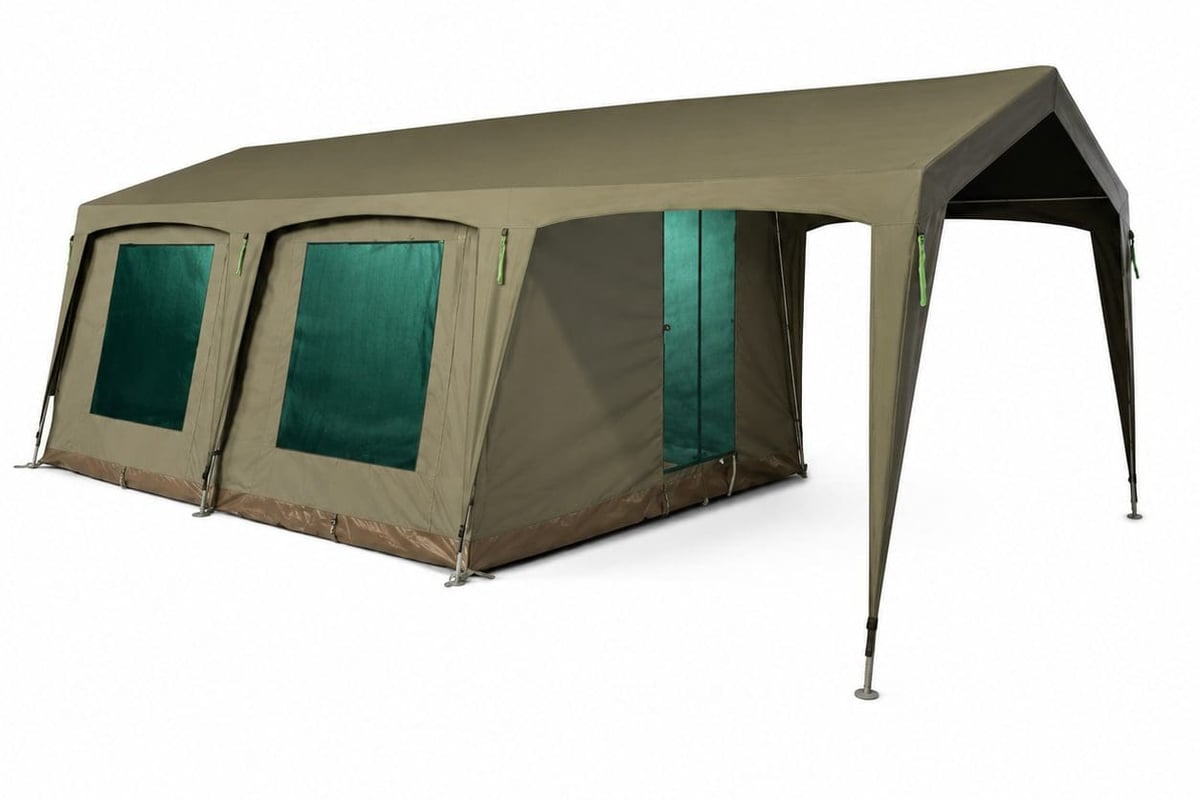
Canvas tents suit situations where durability and comfort justify the additional weight and setup complexity. Safari operators, hunting outfitters, and serious overlanders prefer canvas for multi-week expeditions. The material's breathability becomes increasingly valuable in warm climates where synthetic tents can become uncomfortable greenhouses. Canvas works particularly well for:
The USDA Forest Service's sustainable recreation design guidelines acknowledge that tent selection impacts campsite durability, with heavier tents often creating more established sites suitable for repeated long-term use.
Bell tents and tipi designs represent a specialized category among the various kinds of tent, offering unique aesthetics and practical benefits for certain applications. These circular or conical tents use a central pole system that creates impressive interior volume relative to their footprint.
Bell tents employ a single central pole with the canvas draped outward in a cone or bell shape, while tipis use multiple poles that converge at the apex. Both designs create circular floor plans with maximum headroom at the center. The setup process differs significantly from modern camping tents:
These tent styles work best for glamping operations, event spaces, and situations where aesthetics and interior social space matter more than packability. The circular layout naturally creates communal space perfect for groups gathering around a central stove or fire pit. Bell tents have seen renewed popularity in the boutique camping and outdoor hospitality sectors, though they remain niche options for most recreational campers.
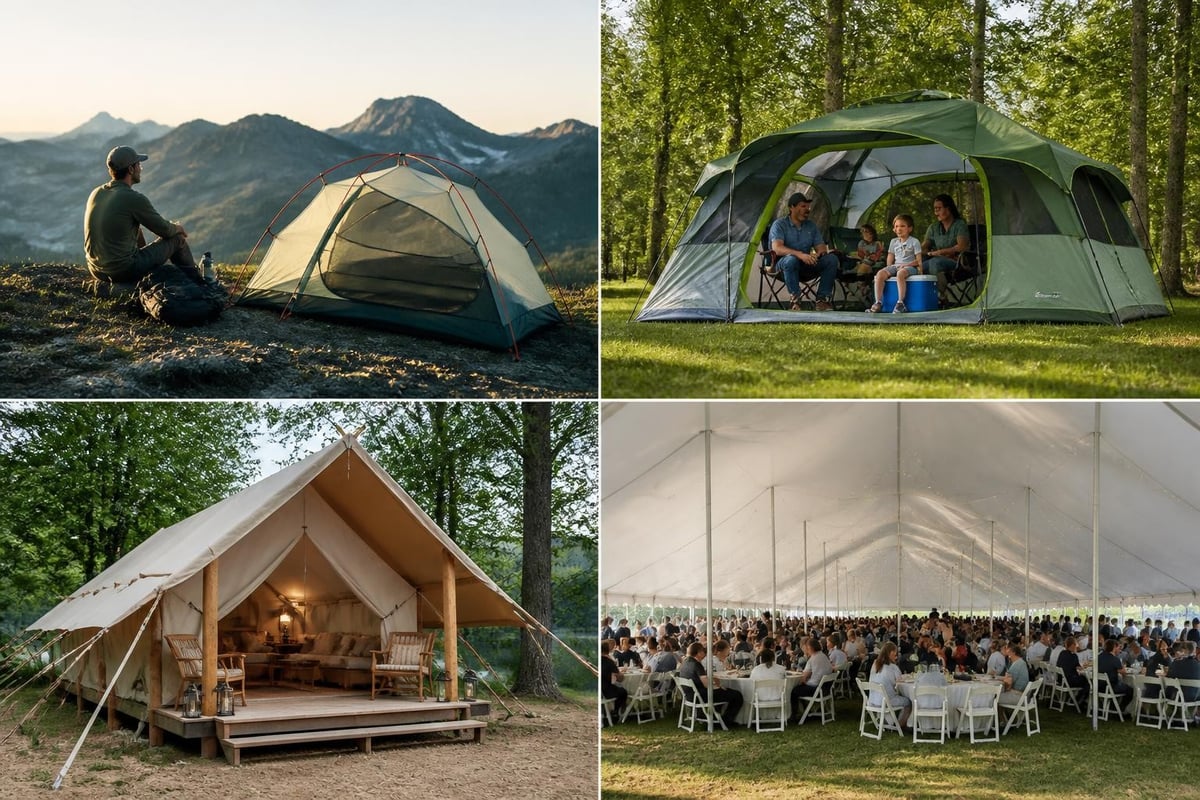
Event tents represent the largest kinds of tent designed for gatherings, celebrations, and commercial applications rather than overnight accommodation. These structures prioritize weather protection for crowds while providing open, flexible interior spaces.
Modern marquee tents use either pole-supported or frame-supported designs. Frame tents employ aluminum or steel frameworks that support the fabric canopy without requiring internal poles that would obstruct interior space. Key characteristics include:
The size flexibility of frame tents makes them suitable for everything from small market stalls to wedding receptions accommodating hundreds of guests.
Event tents serve distinct purposes from camping shelters. Market vendors, festival organizers, wedding planners, and outdoor event coordinators rely on these structures. In South Africa's variable climate, having reliable weather protection for outdoor functions is essential. These tents commonly support:
The UNHCR’s shelter guidelines detail how large frame tents serve critical roles in emergency response, representing one of the most important humanitarian applications for this category of shelter.
For hikers and minimalist campers, ultralight tents represent a specialized category focused on reducing pack weight to absolute minimums. These kinds of tent sacrifice some comfort and durability features to achieve weights often under 1.5 kilograms for a complete shelter system.
Ultralight tent designers employ numerous techniques to reduce mass:
The tradeoff involves reduced durability, condensation challenges with single-wall designs, and less livable interior space. National Geographic's camping guide notes that tent choice significantly impacts hiking experiences, with weight being the primary concern for long-distance backpackers.
Ultralight tents suit experienced backpackers completing multi-day treks where every gram matters. Thru-hikers tackling long trails, alpine climbers approaching technical routes, and bikepacking adventurers benefit most from extreme weight reduction. These tents work best in:
For casual campers or those new to outdoor recreation, more robust kinds of tent provide better value and user experience despite additional weight.
Roof-top tents mount to vehicle roof racks, creating an elevated sleeping platform that combines the mobility of car camping with the convenience of an always-ready shelter. This growing category has gained substantial popularity among overlanders and 4×4 enthusiasts.
Two primary roof-top tent styles exist: hard-shell models that fold open like a clamshell, and soft-shell designs that unfold upward. Both mount to roof rack crossbars using specialized hardware. Benefits include:
The elevated sleeping position particularly appeals to campers in wildlife areas where ground-level camping raises safety concerns.
Roof-top tents excel for vehicle-based travel but impose notable constraints. The added roof weight (typically 50-80 kg) affects vehicle handling and fuel economy. Breaking camp requires complete tent stowage even for day trips, unlike ground tents that can remain pitched at base camp. These shelters work best for:
The combination of outdoor comfort and mobility makes roof-top tents increasingly relevant for South African adventurers exploring remote areas. When outfitting your overlanding setup, you might also benefit from quality outdoor furniture-Hong Kong Outdoor Furniture offers durable pieces designed for outdoor entertaining that complement a comprehensive camp setup.
Geodesic tents represent the most wind-resistant and structurally robust kinds of tent available, engineered specifically for extreme environments where failure isn't an option. These specialized shelters use complex pole geometries that create exceptionally strong frameworks.
Geodesic designs employ four or more poles that cross multiple times, creating a network of triangular panels that distribute loads evenly across the entire structure. This geometry, inspired by architectural geodesic domes, provides:
| Design Element | Standard Dome | Geodesic Dome |
|---|---|---|
| Pole crossings | 2-3 | 4-6+ |
| Triangle panels | Few | Many |
| Wind resistance | Moderate | Excellent |
| Setup complexity | Low | High |
| Price point | Moderate | Premium |
The multiple crossing poles create redundancy-if one pole fails, the structure maintains integrity through remaining supports. This engineering makes geodesic tents the choice for mountaineering expeditions, polar exploration, and research stations.
Geodesic tents command premium prices and increased weight, making them overkill for typical recreational camping. They justify their cost in genuinely hostile environments:
For most campers, simpler and lighter kinds of tent provide better value. Geodesic designs serve specialized applications where their exceptional strength becomes necessary rather than merely advantageous.
Pop-up tents prioritize setup speed above all else, using pre-assembled pole structures that allow deployment in seconds to minutes. These convenience-focused designs appeal to festival-goers, casual campers, and anyone who values simplicity over features.
True pop-up tents use continuous flexible hoops held in tension, coiled into a compact disc for storage. When released, the hoops spring into shape, automatically erecting the tent. Instant tents use pre-attached pole segments connected by cords or hinges that unfold together. Both approaches dramatically reduce setup time compared to traditional pole-and-sleeve systems.
The tradeoff involves increased packed size (pop-ups rarely compress as small as traditional tents) and reduced durability from complex hinge points and continuous stress on spring-loaded components.
These tent types work well for situations where convenience outweighs performance concerns:
For serious camping applications, the durability and weather performance limitations make other kinds of tent more appropriate choices. Ejenti Outdoor focuses on robust canvas and PVC solutions that prioritize long-term reliability over setup convenience.
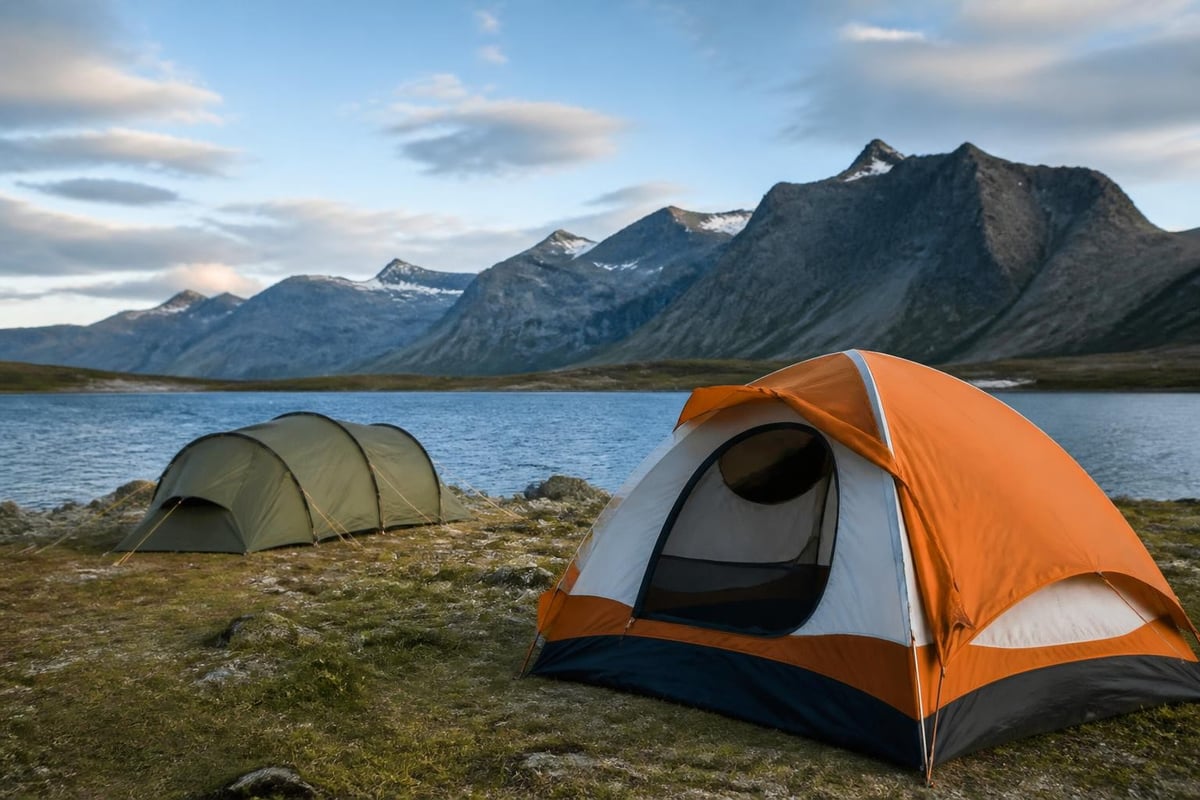
Beyond traditional tent categories exist alternative shelter systems that some outdoor enthusiasts prefer for weight savings, versatility, or specific activity compatibility.
Tarps represent the most minimalist approach to weather protection. These rectangular or shaped fabric sheets pitch using trekking poles, trees, or cordage in countless configurations. Skilled users create everything from simple lean-tos to complex multi-pitch shelters. Advantages include:
The lack of floor and insect protection limits tarp appeal for most campers, though dedicated enthusiasts appreciate the skill-based adaptability.
Bivy sacks (bivouac sacks) are waterproof covers pulled over sleeping bags, creating individual weatherproof cocoons. They offer excellent weight savings but claustrophobic interiors. Hammock camping eliminates ground contact entirely, suspending sleepers between anchor points using specialized hammocks with bug nets and rain tarps. Both systems serve niche users who prioritize specific benefits over the comprehensive protection provided by conventional kinds of tent.
Selecting among the many kinds of tent requires evaluating several key factors against your specific use case and conditions. No single tent excels at everything-the "best" tent is the one that best matches your actual requirements.
When evaluating tent options, prioritize these considerations:
The NPS campground design guidelines provide useful context on how tent size and type interact with campsite design, helping campers understand practical spatial requirements for different tent categories.
South African conditions present specific challenges that favor certain tent characteristics. The intense UV exposure at southern latitudes degrades fabrics faster than in northern climates, making material quality and UV-resistant coatings important. Seasonal rainfall patterns and occasional severe storms require good waterproofing and wind resistance. For extended stays in the bush, breathable canvas tents regulate temperature better than synthetic alternatives that can become uncomfortably hot.
Consider also your camping style and experience level. Beginners benefit from simple dome or tunnel tents with straightforward setup. Experienced campers might appreciate the weight savings of minimalist designs or the long-term durability of quality canvas construction.
Understanding the different kinds of tent available helps you choose shelter that matches your specific outdoor needs, whether that's weekend family camping, extended wilderness stays, or large outdoor events. When you're ready to invest in quality outdoor equipment built for South African conditions, Ejenti Outdoor manufactures durable canvas tents, event marquees, and outdoor solutions designed to perform reliably in demanding environments. Explore their range of locally-made products engineered for the unique challenges of outdoor living and events in South Africa.