
When planning outdoor adventures, camping expeditions, or event setups in 2026, one priority rises above all others: shelter security. Secure tents provide more than just a place to sleep; they offer protection from unpredictable weather, wildlife encounters, and environmental hazards while giving you peace of mind throughout your outdoor experience. Whether you're setting up camp in the rugged South African bushveld, hosting an outdoor event, or preparing for extended backcountry travel, understanding what makes a tent truly secure is essential for safety and comfort.
Secure tents are defined by multiple integrated features working together to protect occupants and belongings. The concept extends far beyond simple waterproofing or basic construction.
True shelter security encompasses:
The foundation of any secure tent system starts with material selection. Heavy-duty canvas, ripstop fabrics, and reinforced PVC materials provide the durability needed for demanding conditions. These materials resist punctures, tears, and degradation far better than lightweight alternatives.
Understanding fabric weights and construction methods helps you select genuinely secure tents rather than marketing claims.
| Material Type | Weight (GSM) | Best Use Case | Security Features |
|---|---|---|---|
| Canvas Ripstop | 300-400 | Extended camping, safari lodges | Tear resistance, breathability, weather protection |
| PVC Heavy Duty | 550-650 | Events, semi-permanent structures | Complete waterproofing, wind resistance, UV stability |
| Polycotton Blend | 250-350 | Family camping, recreational use | Balance of breathability and weather protection |
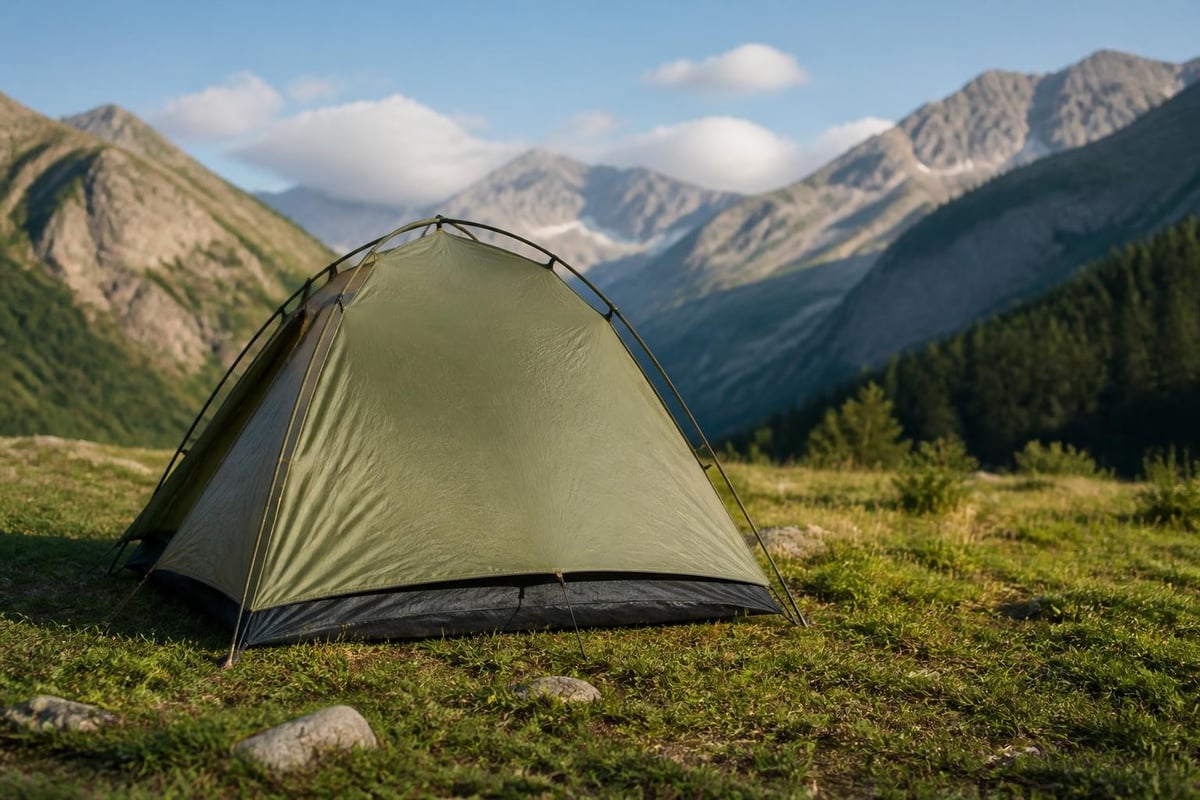
The ripstop weaving pattern visible in premium canvas creates a grid that stops tears from spreading. When combined with proper weight (measured in grams per square meter), these fabrics create genuinely secure shelter systems.
Even the strongest tent becomes a liability without proper anchoring. Secure tents require anchoring systems matched to soil conditions, weather forecasts, and tent size.
Different terrains demand specific anchor types. Rocky ground requires different solutions than sandy beaches or soft forest soil.
Standard anchor types include:
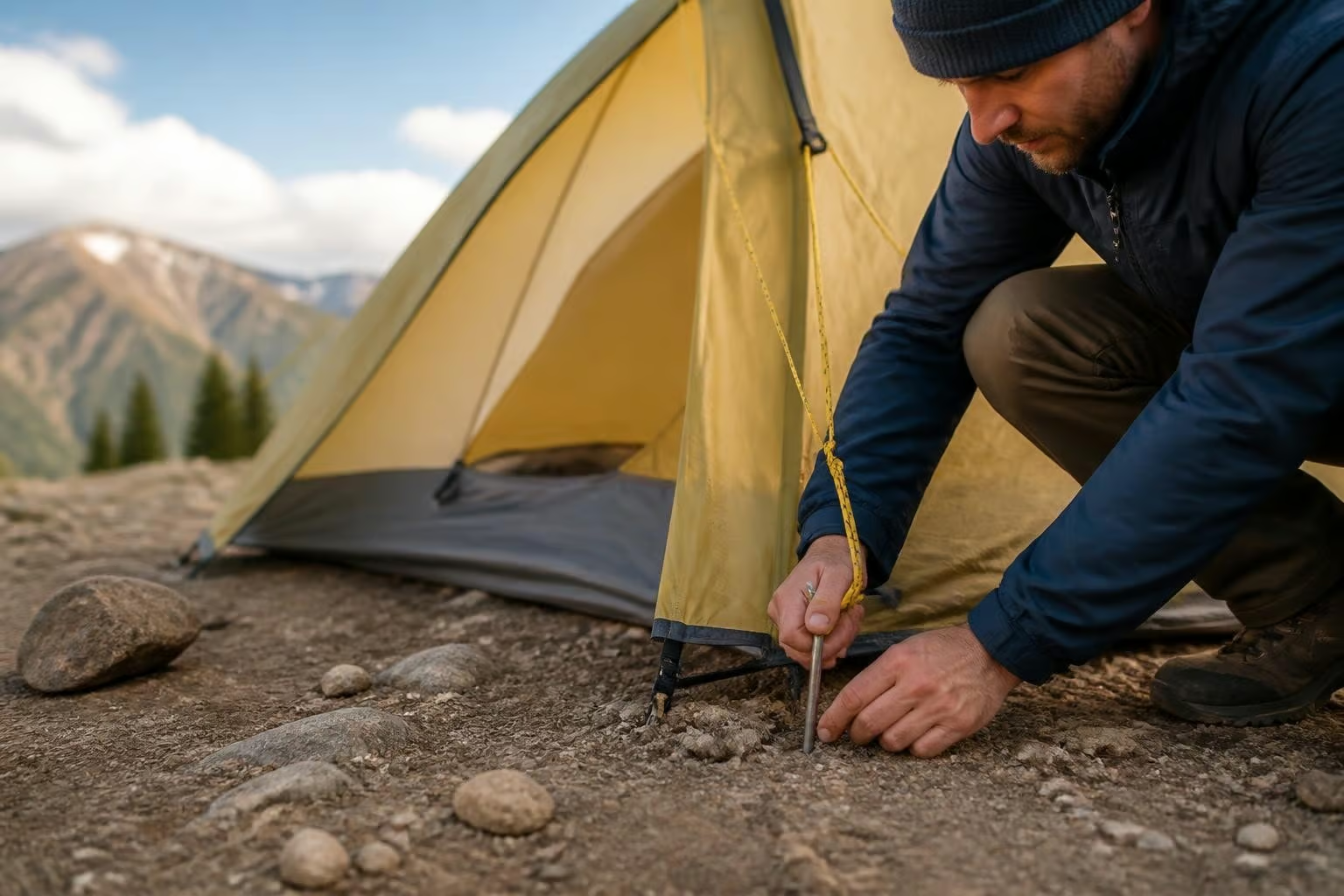
The National Park Service recommends placing anchors at 45-degree angles away from the tent, creating optimal holding power. Each guy line should maintain constant tension without over-stressing fabric attachment points.
Guy line arrangement matters as much as anchor selection. Secure tents typically feature guy line attachment points at each corner, midpoint along walls, and at peak stress areas. Using reflective guy lines with adjustable tensioners allows fine-tuning throughout your stay and prevents nighttime trip hazards.
Weather poses the most common threat to tent security. Proper preparation transforms your shelter from vulnerable to resilient.
Wind load calculations inform proper tent selection and setup. The ASCE provides technical guidance on loads for temporary structures, helping you understand forces at play during storms.
Wind resistance strategies:
For example, when camping in South Africa's highveld regions, afternoon thunderstorms can generate sudden wind gusts exceeding 60 km/h. Secure tents designed for these conditions feature double-stitched seams, reinforced corners, and guy line systems that accommodate rapid tension adjustment.
Complete waterproofing requires attention to seams, zippers, and fabric treatment. Even premium materials fail without proper seam sealing.
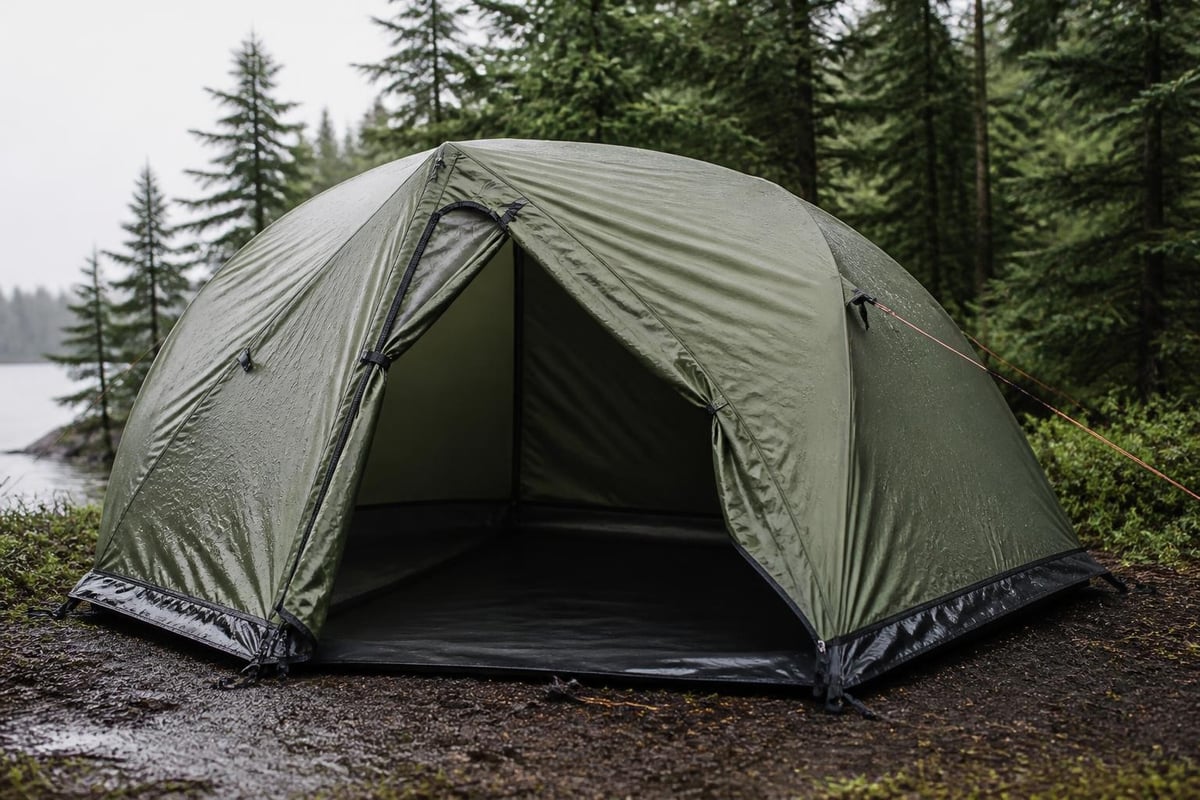
Modern secure tents employ taped seams, heat-sealed construction, or double-stitched and sealed joints. Bathtub-style floors extend waterproof material several inches up tent walls, preventing ground water infiltration during heavy rain.
Where you pitch your tent matters as much as the tent itself. Smart site selection eliminates many security threats before they materialize.
The U.S. Forest Service outdoor recreation guidance emphasizes site assessment as a critical safety practice. Look for level ground that doesn't collect water, avoiding natural drainage channels and depressions.
Ideal secure tent placement:
South African campers must consider additional factors like scorpion habitat (rocky outcrops), snake-prone areas (tall grass near water), and seasonal flood risks in riverine areas.
Tent placement relative to fire sources carries both safety and legal implications. The International Fire Code establishes minimum separation distances between tents and cooking fires, vehicles, and other tents.
For event tents and semi-permanent structures, secure tents must meet specific fire safety standards. The NFPA guidance on tents details flame-resistance requirements and safety clearances that protect occupants.
Physical security extends beyond weather protection. Secure tents incorporate features that deter theft and unauthorized access.
Modern tent security includes lockable zippers with metal sliders that accept small padlocks. While not impenetrable, these systems deter opportunistic theft at crowded campsites.
Access security features:
The Premium Heavy-Duty Canvas Dome Tent from Ejenti Outdoor integrates these security features with reinforced entry points and quality hardware designed for the African climate, providing both weather protection and peace of mind during extended bush camping.
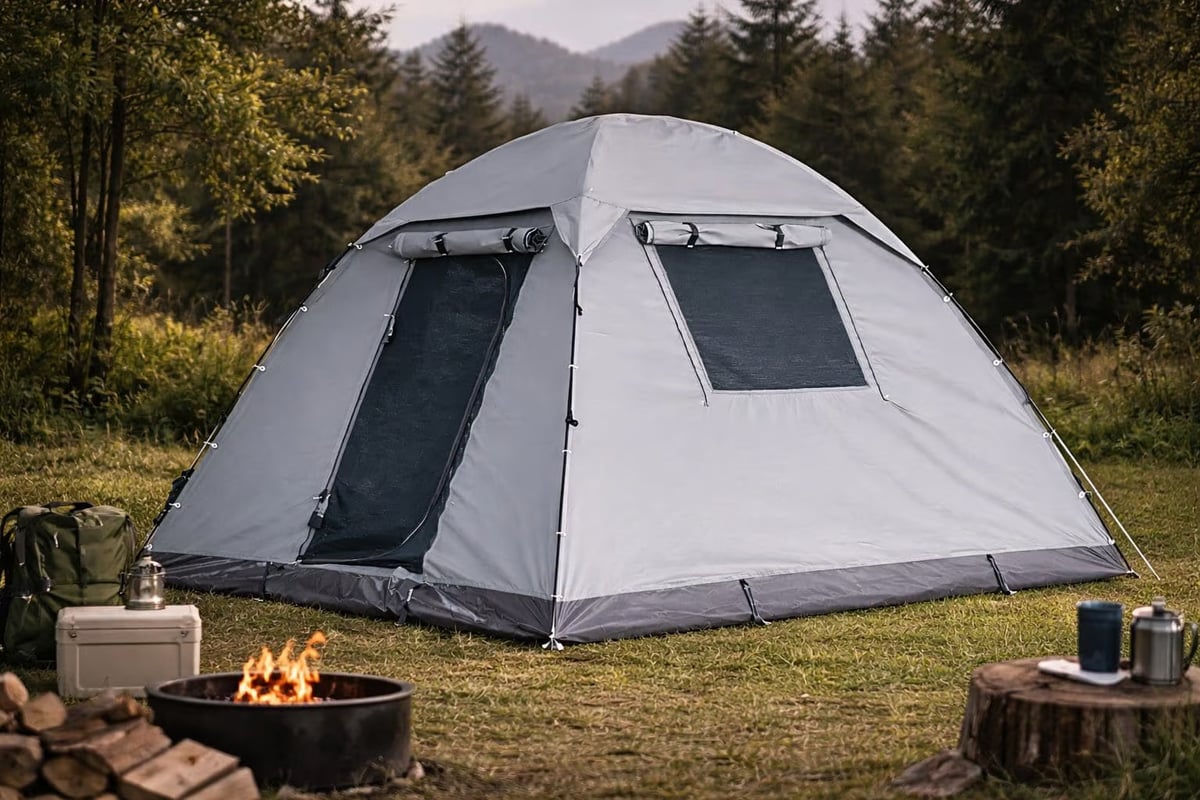
Secure tents balance privacy with environmental awareness. Mesh panels allow outward visibility while limiting inward viewing. Vestibule designs create buffer zones where you can store gear while maintaining quick access to the main shelter.
In regions with active wildlife, secure tents require additional considerations beyond standard camping setups.
| Wildlife Threat | Tent Security Measure | Additional Precautions |
|---|---|---|
| Large predators | Reinforced lower walls, no food storage inside | Electric fence perimeters, group camping |
| Scavenging animals | Secured entry points, elevated food storage | Bear-resistant containers, cooking away from tent |
| Insects/spiders | Fine mesh without gaps, sealed ground sheet | Permethrin treatment, elevated platforms |
| Snakes | Sealed perimeter, raised floors, vigilant site clearing | Regular area inspections, snake-proof bedding |
The NPS staying safe guidelines stress that food storage practices matter more than tent features alone. Even the most secure tents become dangerous when food odors attract wildlife.
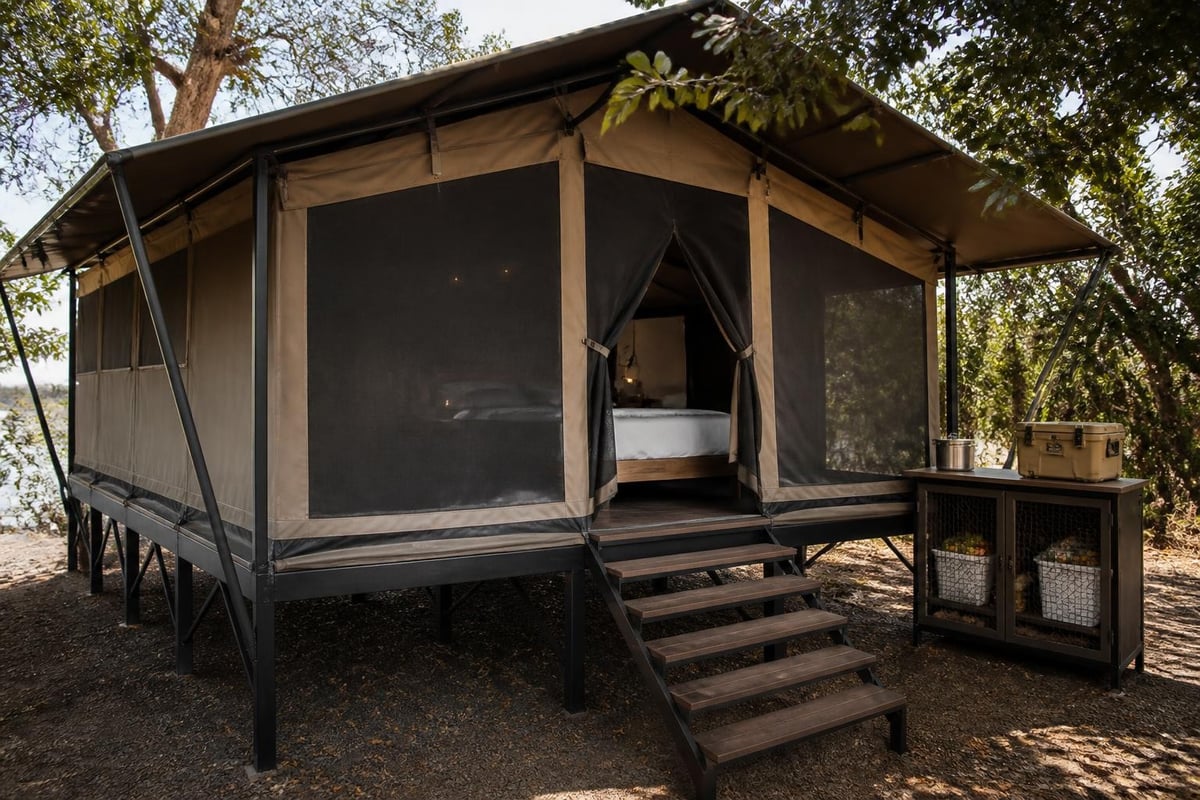
Scent control extends beyond food. Toiletries, cooking clothes, and trash must stay separate from sleeping areas. Secure tents with separate vestibules allow contaminated items to stay outside the main shelter while remaining protected from weather.
Secure tents require regular maintenance to remain reliable. Pre-trip inspections catch problems before they become dangerous.
Before each camping trip or event, systematic inspection ensures your tent remains secure:
Catching a small tear before deployment allows simple repair. Discovering it during a storm creates dangerous situations.
Carrying basic repair supplies transforms minor damage into manageable situations rather than trip-ending emergencies.
Essential tent repair kit:
Quality secure tents from manufacturers like Ejenti Outdoor often include repair patches and detailed care instructions that extend shelter lifespan significantly.
Secure tents extend beyond recreational camping into commercial events, temporary housing, and emergency shelter applications. These uses demand enhanced security features and regulatory compliance.
Commercial tent applications face stringent regulations. Understanding these requirements helps event planners and businesses maintain compliance while ensuring attendee safety.
Event tents typically require permits when they exceed specific size thresholds or accommodate public gatherings. Secure tents for commercial use must demonstrate:
The permitting process protects both operators and attendees by ensuring secure tents meet measurable safety standards rather than relying on guesswork.
Safari operations and semi-permanent camping facilities require secure tents that balance comfort with long-term durability. These applications face unique challenges including extended UV exposure, seasonal weather extremes, and regular occupancy turnover.
Quality canvas tents designed for safari use feature reinforced floor systems, integrated insect screening, and modular designs allowing expansion or reconfiguration. When properly maintained, these secure tents can provide reliable shelter for years rather than seasons.
The small components connecting your tent to the ground determine whether your shelter remains secure during storms. Quality hardware deserves as much attention as fabric selection.
Beyond basic stakes, secure tents benefit from specialized hardware designed for specific functions. Metal D-rings, triangle connections, and reinforced grommet systems distribute stress across wider areas than simple fabric loops.
Critical hardware components include:
Investing in quality hardware prevents the frustrating situation where a $2 component fails and compromises a $500 tent. The hardware carrying structural loads must match the quality of fabric and frame materials.
Secure tents must balance weatherproofing with breathability. Complete sealing creates condensation problems that damage gear and compromise comfort.
Strategic ventilation design allows moisture escape while maintaining weather protection and security. Quality tents feature multiple ventilation options you can adjust based on conditions:
Effective ventilation features:
During cold weather, ventilation becomes even more critical. Human respiration releases significant moisture. Without proper venting, this moisture condenses on tent walls and freezes, creating ice buildup that adds weight and damages fabric.
Properly storing and transporting secure tents extends their lifespan and ensures readiness for your next adventure.
Between camping seasons, proper storage prevents mold, mildew, and material degradation:
Canvas tents especially benefit from breathable storage bags rather than plastic containers that trap moisture. The investment in quality secure tents deserves equally careful storage practices.
Moving tents between locations creates opportunities for damage. Purpose-designed storage bags with reinforced seams and carrying handles protect your investment during transport. Separating poles, stakes, and fabric into dedicated compartments prevents punctures and reduces setup time at your destination.
For commercial operations moving tents frequently, investing in hard cases or vehicle-specific storage systems prevents the cumulative damage that shortens tent lifespan.
Secure tents represent significant investments. Understanding value versus cost helps you make informed purchasing decisions.
Rather than comparing sticker prices alone, consider expected usage and lifespan:
| Tent Type | Initial Cost | Expected Lifespan | Annual Use Days | Cost Per Night |
|---|---|---|---|---|
| Budget recreational | R2,000 | 2-3 years | 15 days | R44-67 |
| Quality canvas | R8,000 | 8-10 years | 25 days | R32-40 |
| Premium safari | R15,000 | 12-15 years | 40 days | R25-31 |
This analysis reveals that secure tents with higher initial costs often provide better long-term value through extended lifespan and more reliable performance. Failed cheap tents create safety risks that no price savings justify.
Reputable manufacturers stand behind their products with meaningful warranties and accessible customer support. When evaluating secure tents, investigate:
South African outdoor enthusiasts benefit from local manufacturers who understand regional conditions and provide accessible support without international shipping complications.
Beyond standard features, additional security measures address specific threats or provide extra peace of mind.
Modern technology offers security enhancements that complement traditional tent features:
Available security upgrades:
These additions make sense for extended stays, valuable equipment storage, or high-risk locations. For standard recreational camping, proper site selection and basic security features usually suffice.
When camping with groups, strategic tent placement creates collective security:
This approach leverages multiple secure tents into an integrated camp system providing enhanced safety through cooperation.
Different environments demand specific secure tent features. Understanding these requirements helps match shelter to conditions.
Desert and summer camping requires secure tents optimized for heat management:
Winter camping and high-altitude expeditions need secure tents engineered for snow loads and extreme cold:
Matching your tent to expected conditions prevents both discomfort and dangerous situations when weather exceeds your shelter's capabilities.
Secure tents provide essential protection whether you're camping in the bushveld, hosting outdoor events, or setting up semi-permanent accommodations. By understanding materials, anchoring systems, site selection, and proper maintenance, you can ensure reliable shelter that stands up to South African conditions year after year. When you're ready to invest in quality outdoor shelter built for durability and real-world performance, Ejenti Outdoor offers expertly manufactured tents and outdoor solutions designed specifically for the demands of the African climate and backed by local knowledge and support.