

A camping bell is a small acoustic device traditionally used by hikers and campers to alert wildlife to human presence. The concept emerged from the idea that making consistent noise while moving through wilderness areas would prevent surprise encounters with potentially dangerous animals. While this simple noisemaker has been a staple on outdoor gear lists for decades, understanding its actual effectiveness and alternative safety strategies helps outdoor enthusiasts make informed decisions about wilderness safety protocols.
The camping bell operates on a straightforward principle: attach a small bell to your backpack, clothing, or walking stick, and the repeated jingling sounds warn animals of your approach. The device typically consists of a metal bell mounted on a clip or loop, designed to produce a distinct ringing tone with each step or movement.
Traditional camping bells come in several varieties:
The theory suggests that wildlife, particularly bears and large mammals, will hear the consistent sound pattern and move away from the area, reducing the likelihood of a surprise encounter. This passive warning system appeals to many outdoor enthusiasts because it requires no conscious effort once attached.
The camping bell concept gained popularity in North American wilderness areas during the 1970s and 1980s as recreational hiking expanded into bear habitat. Outdoor retailers marketed these devices as essential safety equipment, particularly for areas known to support bear populations.
The fundamental assumption behind the camping bell is that most wildlife attacks occur during surprise encounters. By broadcasting your presence continuously, the reasoning goes, you eliminate the element of surprise and give animals time to avoid contact. This approach aligns with broader wilderness etiquette about making your presence known in wildlife habitat.

Despite their widespread marketing and use, camping bells face significant scrutiny when examined through evidence-based research. The National Park Service guidance on hiking in bear country notes that bear bells generally aren't effective for preventing encounters and summarizes more reliable safety practices.
A comprehensive study published in PLOS ONE examining aversive conditioning and acoustic treatments provides experimental evidence about how bears respond to sounds and reveals the limitations of acoustic deterrents. The research demonstrates that bears can quickly habituate to repetitive, non-threatening sounds, essentially learning to ignore the consistent jingling of a camping bell.
Several factors limit camping bell effectiveness in real-world conditions:
Environmental interference reduces sound propagation. Wind noise, running water, dense vegetation, and terrain features all absorb or deflect the relatively quiet sound of a small bell. In many wilderness settings, the effective range of a camping bell may extend only 10-15 meters under optimal conditions.
Habituation occurs when animals become accustomed to non-threatening sounds. In popular hiking areas where camping bells are common, wildlife may learn that the sound poses no danger and continue normal behavior patterns despite the noise.
Sound characteristics matter significantly. The high-pitched, repetitive tone of a camping bell differs substantially from the variable, loud vocalizations that genuinely alert and concern wildlife. Research suggests that irregular, loud human voices prove far more effective than mechanical bells.
| Factor | Camping Bell | Human Voice | Air Horn |
|---|---|---|---|
| Effective Range | 10-15m | 50-100m | 200m+ |
| Habituation Risk | High | Moderate | Low |
| Energy Required | None | Low | None |
| Wilderness Impact | Low | Low | High |
Rather than relying solely on a camping bell, implementing comprehensive wildlife safety protocols delivers better protection during outdoor adventures. These strategies combine awareness, preparation, and appropriate response techniques.
Making noise through conversation, singing, or periodic loud calls proves significantly more effective than passive bell systems. The variable nature of human voices and the irregular timing of calls reduces habituation while carrying farther through natural environments.
When hiking in groups, maintain conversation levels that project 50-100 meters ahead on the trail. When solo hiking, develop a habit of calling out "hey bear" or similar phrases when approaching blind corners, dense vegetation, or noisy water crossings where visibility and natural sound masking increase encounter risks.
Professional guides and experienced wilderness travelers often use these vocal patterns:
Understanding wildlife behavior patterns and choosing routes accordingly forms the foundation of encounter prevention. Research seasonal movement patterns, feeding areas, and activity times for species in your destination area.
When planning camping trips in South Africa's diverse wilderness areas, consider habitat types and the wildlife they support. Ejenti Outdoor provides equipment designed for varied terrain conditions, helping you prepare appropriately for different environments.

Beyond acoustic warning devices, proper equipment selection contributes significantly to wilderness safety and preparedness. The camping bell debate highlights a broader principle: no single piece of gear replaces comprehensive preparation and awareness.
Prioritize these items over or alongside any noise-making devices:
When assembling camping gear, focus on reliability and durability. Quality equipment from manufacturers specializing in outdoor solutions ensures performance when conditions deteriorate or unexpected situations arise.
Regardless of whether you choose to carry a camping bell, understanding proper attachment methods prevents gear loss and maintains accessibility. Many campers find that reliable fastening systems matter more than the specific items being carried.
Secure attachment becomes particularly important for items you may need to access quickly, such as water bottles, bear spray, or communication devices. The Quick Release Buckle Plastic for Straps provides a practical solution for fastening straps on backpacks and camping equipment, allowing quick access while maintaining secure hold during movement.
Quality fasteners reduce the risk of losing essential items during challenging terrain navigation or when moving quickly to avoid hazards.
An often-overlooked aspect of the camping bell discussion involves wilderness sound management and the broader environmental ethics of outdoor recreation. The National Park Service partnership with Leave No Trace developing soundscape guidelines highlights why artificial noise devices matter to protected-area management.
Continuous mechanical noise, whether from camping bells, radios, or other devices, impacts the wilderness experience for other visitors and potentially disrupts wildlife behavior patterns beyond immediate safety concerns. This creates a dilemma: how do you maintain personal safety without compromising wilderness character?
The solution involves strategic noise management rather than constant sound production:
Make noise when appropriate by vocalizing in high-risk areas and during reduced visibility conditions, then maintaining quiet during low-risk travel through open terrain or established campgrounds.
Use natural sound patterns that blend with wilderness acoustics rather than introducing obviously artificial tones. Human voices, hand claps, and similar organic sounds prove less intrusive while remaining effective.
Respect quiet zones in areas designated for solitude or wildlife protection, relying on heightened visual awareness and appropriate timing of activities rather than constant noise production.
Wildlife encounter protocols must adapt to local species and environmental conditions. South African wilderness areas present unique considerations that differ from the North American bear country context where camping bells originated.
Different wildlife species respond variably to acoustic warnings:
Large mammals including buffalo, elephant, and hippopotamus generally respond to loud human vocalizations but may become aggressive if startled at close range. Maintaining distance and awareness prevents most encounters more effectively than noise devices.
Big cats such as leopards rely primarily on visual and olfactory detection rather than acoustic cues. Noise production provides minimal deterrent value, while group travel and appropriate timing of activities reduce risk.
Primates including baboons may actually be attracted to consistent sounds associated with humans and potential food sources, making camping bells counterproductive in some regions.
South African landscapes range from dense coastal forests to open bushveld and mountainous regions. Each environment affects sound propagation differently:
| Environment Type | Sound Travel | Recommended Approach |
|---|---|---|
| Dense forest | Poor (10-20m) | Frequent loud calls |
| Open grassland | Excellent (100m+) | Visual awareness primary |
| Rocky terrain | Variable (echoes) | Combined vocal and visual |
| Near water | Poor (masked) | Extra vocal frequency |
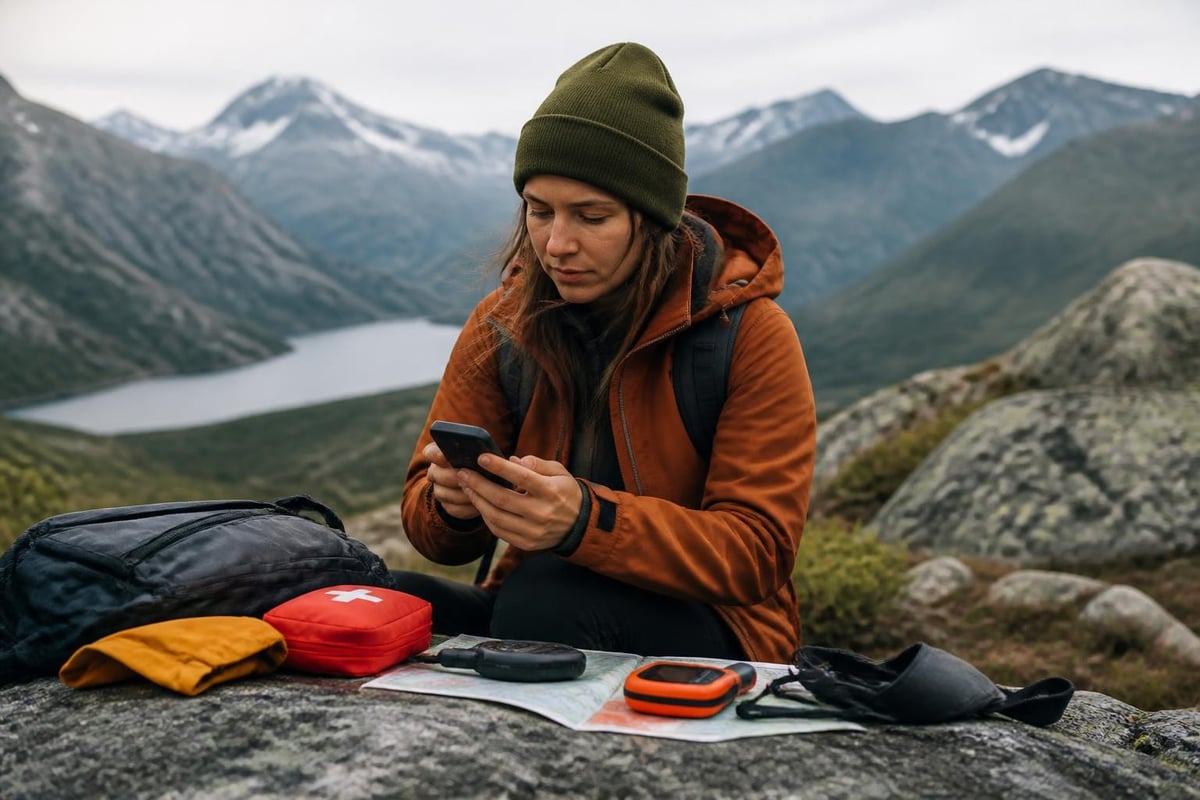
Understanding what to do when prevention fails matters as much as prevention itself. Comprehensive wilderness safety training addresses encounter scenarios that may occur despite best efforts at avoidance.
Different encounter types require specific responses:
Regular wilderness training refreshes essential skills and updates practices based on current research. Participate in outdoor education programs that address:
Quality outdoor equipment from specialized manufacturers supports skill development by providing reliable performance during training exercises and real-world applications. Organizations offering canvas tents and camping solutions understand how proper gear enhances both safety and learning.
After examining the evidence and alternatives, outdoor enthusiasts can make informed decisions about whether to carry a camping bell. The device shouldn't be viewed as a primary safety tool, but it may serve specific limited purposes.
Consider carrying a camping bell in these specific situations:
Skip the camping bell and focus on proven strategies when:
The camping bell represents a broader pattern in outdoor gear marketing: simple solutions to complex problems. Effective wilderness safety requires integrated approaches combining knowledge, skills, equipment, and awareness rather than reliance on single-purpose devices.
Successful wilderness travel depends on layered safety systems where multiple strategies and equipment types work together. Rather than seeking perfect solutions to individual concerns, experienced outdoor enthusiasts build redundancy and flexibility into their preparations.
A complete safety system includes:
Knowledge foundation: Understanding local wildlife, weather patterns, terrain challenges, and seasonal variations specific to your destination.
Physical preparation: Fitness levels appropriate for planned activities, skills practice before departure, and realistic assessment of personal limitations.
Equipment selection: Reliable gear chosen for actual conditions rather than hypothetical scenarios, maintained properly and tested before critical use.
Communication planning: Clear itineraries shared with responsible contacts, appropriate communication devices for area remoteness, established check-in protocols.
Emergency protocols: Rehearsed response procedures, accessible emergency contacts, knowledge of evacuation routes and procedures.
This integrated approach delivers far superior outcomes compared to relying on any single device or technique, including camping bells.
While the camping bell remains a recognizable symbol of wilderness safety, evidence demonstrates that active communication, situational awareness, and comprehensive preparation deliver superior protection during outdoor adventures. Understanding the limitations of passive noise devices while implementing proven wildlife safety strategies ensures better outcomes for both human safety and wildlife conservation. Whether you're planning weekend camping trips or extended wilderness expeditions, Ejenti Outdoor provides the durable tents, quality camping gear, and reliable outdoor solutions South African adventurers need to explore confidently and responsibly.