Women month represents a critical opportunity to celebrate achievements, address ongoing challenges, and create meaningful change for women worldwide. This annual observance has evolved beyond symbolic recognition into a catalyst for action, particularly in outdoor recreation, community leadership, and sustainable development. In South Africa and across the globe, women month serves as a platform to highlight women's contributions while building pathways for greater participation in traditionally male-dominated spaces like outdoor adventure, camping, and environmental stewardship.
Women month originated as a single day of recognition in the early 20th century and has expanded into a month-long celebration every March. The observance focuses on women's rights, achievements, and the ongoing work needed to achieve gender equality across all sectors of society.
According to the World Economic Forum’s Global Gender Gap Report 2024, progress toward gender parity continues at a slow pace, with economic participation and political empowerment remaining significant challenges. Women month provides a concentrated period to address these gaps through education, advocacy, and community action.
This year's women month celebrations center around several interconnected themes:
The UN Women Data Hub emphasizes the importance of measurement and data collection in driving meaningful change during women month and throughout the year.

The outdoor industry has traditionally catered to male participants, but women month offers an opportunity to reshape this narrative. Women are increasingly claiming space in camping, hiking, off-road adventures, and outdoor leadership roles.
Several factors have historically limited women's participation in outdoor activities:
Women month provides a focused time to address these challenges through targeted programs, partnerships, and community initiatives. Organizations across South Africa are hosting women-only camping trips, outdoor skills workshops, and leadership development programs throughout March.
Outdoor adventures offer unique opportunities for personal growth and empowerment. When women gather in nature, they build confidence, develop practical skills, and create supportive networks that extend beyond the campsite.
Skills developed through outdoor participation include:
These competencies translate directly into broader life skills and professional development, making outdoor education a powerful tool during women month celebrations.
Community gatherings and events form the backbone of women month activities. Outdoor venues provide ideal settings for these celebrations, offering space for large groups while connecting participants to nature.
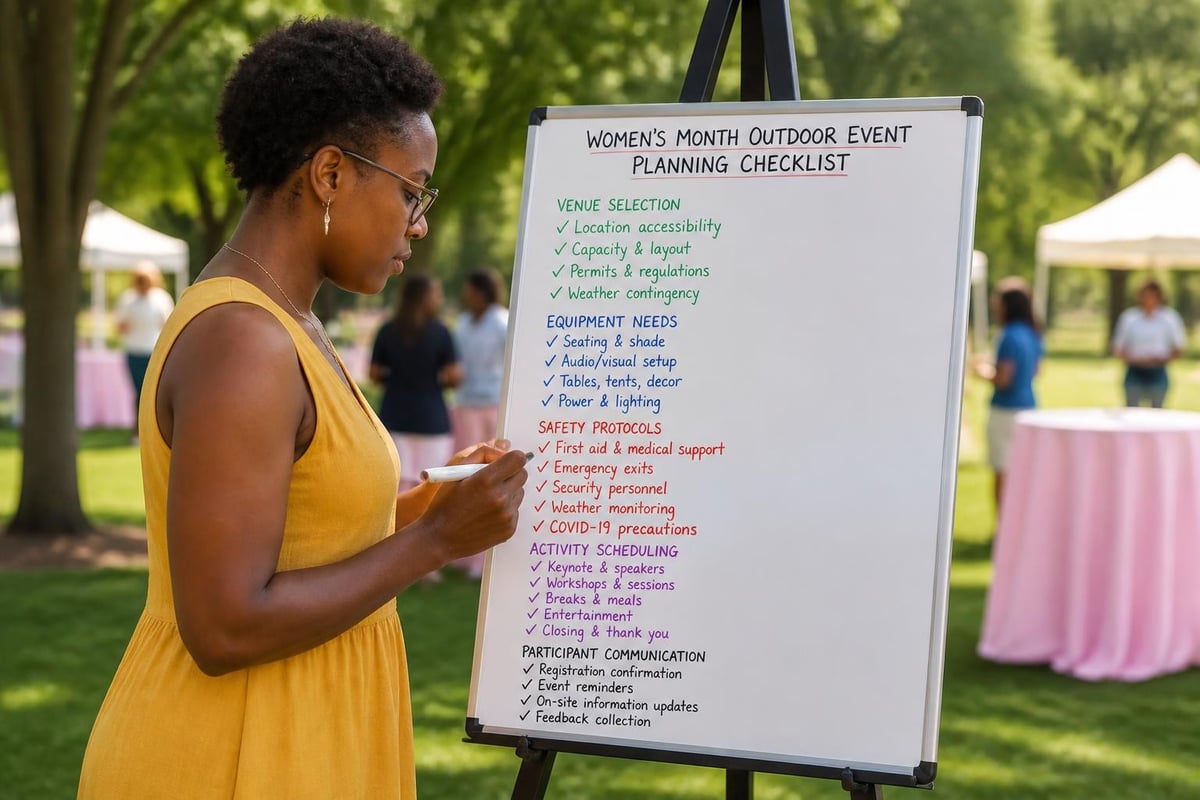
When organizing women month events in outdoor settings, several key factors ensure success and safety:
| Planning Element | Considerations | Best Practices |
|---|---|---|
| Venue Selection | Accessibility, facilities, weather protection | Choose sites with both shade and open areas |
| Safety Infrastructure | Lighting, security, emergency access | Establish clear safety protocols and communication plans |
| Weather Contingency | Shelter options, seasonal conditions | Always have waterproof covered areas available |
| Comfort Amenities | Seating, restrooms, food preparation areas | Prioritize participant comfort for longer events |
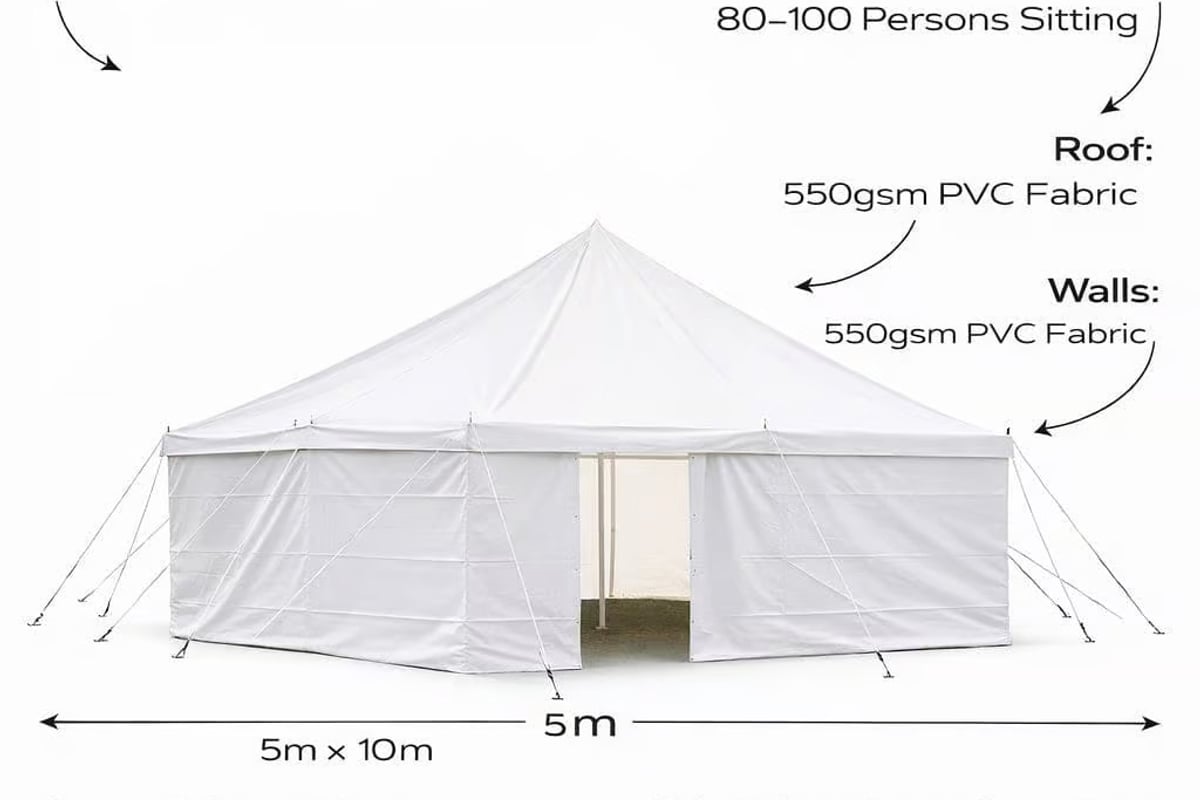
The right outdoor shelter makes a significant difference in event quality and participant experience. For women month gatherings ranging from intimate workshops to large community celebrations, having reliable weather protection ensures events proceed regardless of conditions. When planning outdoor events that bring women together for meaningful connection and learning, investing in quality shelter solutions demonstrates commitment to participant comfort and safety.
Women month events should prioritize inclusivity, ensuring women from all backgrounds feel welcome and valued. This means considering:
The World Health Organization’s women’s health guidance emphasizes that women's health extends far beyond reproductive health to encompass physical, mental, and social wellbeing across the entire life course.
Women month provides an excellent opportunity to promote outdoor activities as essential components of women's health strategies. Regular time in nature correlates with reduced stress, improved cardiovascular health, better sleep quality, and enhanced mental wellbeing.
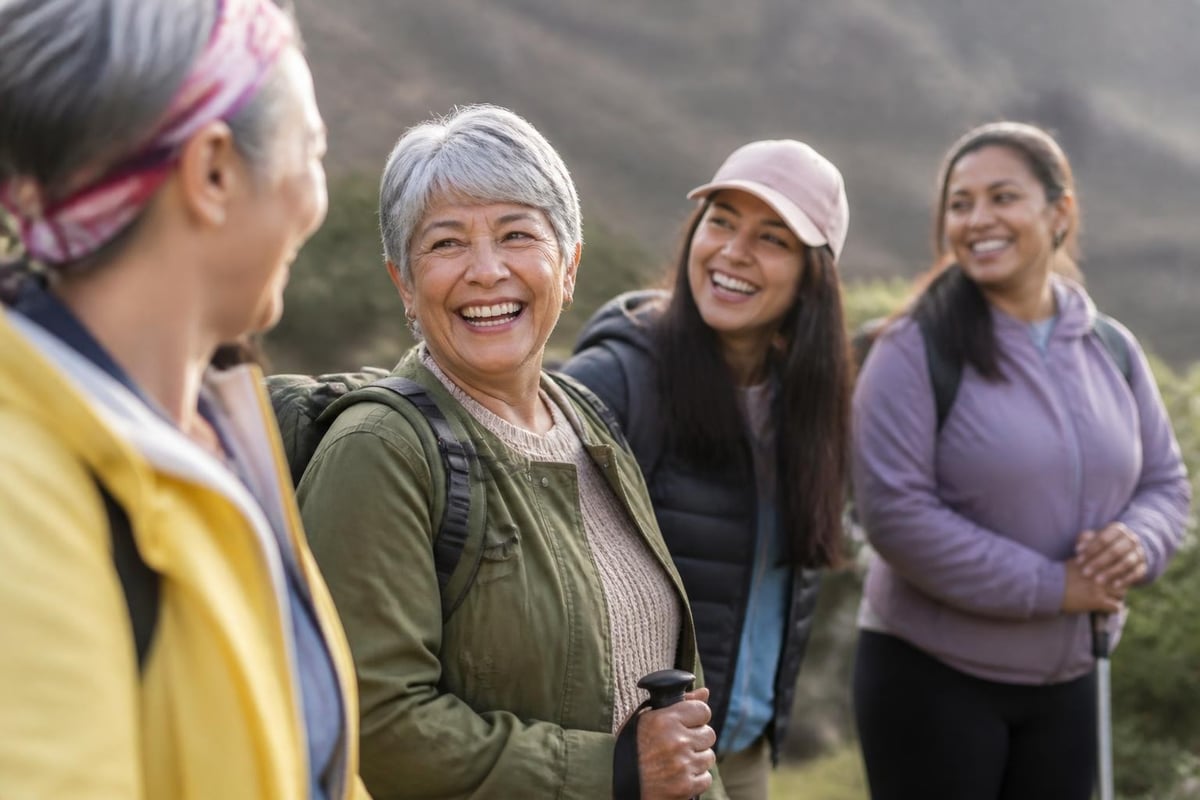
Women's outdoor participation and needs change throughout life. Women month programming should address this diversity:
Young women and girls benefit from confidence-building adventures that challenge stereotypes about physical capabilities and appropriate activities. Introduction to camping, hiking, and outdoor skills during formative years establishes lifelong patterns of outdoor engagement.
Women in midlife often juggle multiple responsibilities and may have stepped away from outdoor activities. Women month offers a re-entry point through supportive, women-only groups that accommodate varying fitness levels and experience.
Older women bring valuable knowledge and experience while sometimes facing physical limitations or safety concerns. Gentle outdoor activities, nature walks, and camping with appropriate support systems honor their participation and wisdom.
Women month celebrations increasingly recognize women's economic contributions and entrepreneurial potential. The outdoor sector offers unique opportunities for women-led businesses and enterprises.
Across South Africa, women are building successful businesses in outdoor-related fields:
Women month provides visibility for these entrepreneurs through special promotions, collaborative events, and media coverage that highlights women's contributions to the outdoor economy.
Organizations can support women's economic empowerment during women month through:
Women play crucial roles in environmental conservation and sustainable resource management. Women month offers opportunities to highlight these contributions while building capacity for greater environmental leadership.
Research consistently shows that women's participation in environmental decision-making leads to better conservation outcomes. During women month, environmental organizations can spotlight women's leadership through:
Women month activities that combine outdoor recreation with conservation education create powerful learning experiences. Clean-up camping trips, restoration projects, and nature stewardship programs build both outdoor skills and environmental awareness.
Participants develop deeper connections to natural spaces while contributing to their protection and improvement. This combination of recreation and conservation reflects the holistic approach many women bring to outdoor engagement.
The social dimension of women month extends beyond individual achievement to collective action and community building. Outdoor settings provide ideal environments for creating these connections.
Sustainable women's outdoor communities share several characteristics:
| Community Element | Description | Implementation Strategies |
|---|---|---|
| Regular Gatherings | Consistent meeting times and activities | Monthly camping trips, weekly hikes, seasonal events |
| Skill Sharing | Peer-to-peer learning and mentorship | Rotating leadership, workshop series, equipment demos |
| Inclusive Culture | Welcome for women at all experience levels | Beginner-friendly options, buddy systems, judgment-free zones |
| Clear Communication | Effective information sharing and coordination | Group messaging, shared calendars, activity libraries |
| Shared Resources | Equipment lending, carpooling, cost-sharing | Gear libraries, group purchases, shared transportation |
These networks extend women month's impact throughout the year, transforming a single month of celebration into sustained community engagement.
Women month events that bring together women across generations create valuable opportunities for knowledge sharing. Older women share traditional outdoor skills, historical context, and hard-won wisdom. Younger women contribute fresh perspectives, technological know-how, and innovative approaches.
This intergenerational exchange strengthens communities while ensuring valuable knowledge isn't lost. Camping trips with mixed age groups, storytelling events, and collaborative projects all facilitate this important connection.
Successful women month outdoor programming requires careful planning and attention to participant needs. Whether organizing a small group camping trip or a large community gathering, certain principles apply.
Start planning women month events at least two to three months in advance to secure venues, recruit participants, and handle logistics. The planning timeline should include:
Quality outdoor equipment makes the difference between enjoyable and miserable outdoor experiences. For women month events, consider:
Shelter and protection: Ensure adequate weatherproof coverage for all participants, including both activity areas and rest spaces. Durable ripstop canvas materials designed for African conditions provide reliable protection against sun, wind, and rain.
Comfort amenities: Provide seating, tables, lighting, and food preparation areas that accommodate diverse needs and preferences.
Safety equipment: First aid kits, communication devices, emergency lighting, and clearly marked emergency exits or evacuation routes.
Activity-specific gear: Whatever the planned activities, ensure sufficient quality equipment is available for all participants, including options for different sizes and abilities.
Women month should catalyze lasting change rather than serving as isolated annual celebration. Measuring impact and building on momentum ensures continued progress toward gender equality in outdoor spaces and beyond.
Organizations hosting women month events should collect data on:
This information guides future programming while documenting women month's broader impact on communities and individuals.
The most effective women month initiatives plant seeds for ongoing engagement. Consider:
Women month celebrations must reflect local cultural contexts while advancing universal principles of equality and empowerment. In South Africa, this means honoring diverse cultural traditions while creating space for all women to participate fully in outdoor recreation and leadership.
South African women month events should:
Climate, geography, and infrastructure vary widely across South Africa. Women month outdoor programming should adapt to local conditions:
Coastal regions might emphasize beach activities and marine conservation. Mountainous areas could focus on hiking and altitude skills. Urban settings might prioritize accessible parks and peri-urban nature areas. Rural communities could leverage existing outdoor traditions while introducing new opportunities.
The key is meeting women where they are, building on existing strengths while expanding possibilities.
Successful women month initiatives rarely happen in isolation. Strategic partnerships amplify impact and expand reach.
Consider collaborating with:
The strongest partnerships share clear goals, defined roles, and mutual benefits. Establish written agreements that specify:
Women month offers outdoor enthusiasts and organizations a powerful opportunity to advance gender equality while celebrating women's achievements in nature and adventure. By creating welcoming outdoor spaces, building supportive communities, and addressing systemic barriers, we can ensure women's full participation in outdoor recreation and environmental leadership extends far beyond March. Whether you're planning a small camping trip or a large community gathering, having the right outdoor equipment makes all the difference in creating safe, comfortable experiences that empower women and build lasting connections. Ejenti Outdoor provides the durable tents, shelters, and outdoor solutions that help bring your women month vision to life across South Africa's diverse landscapes.