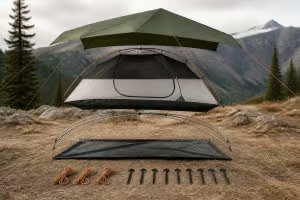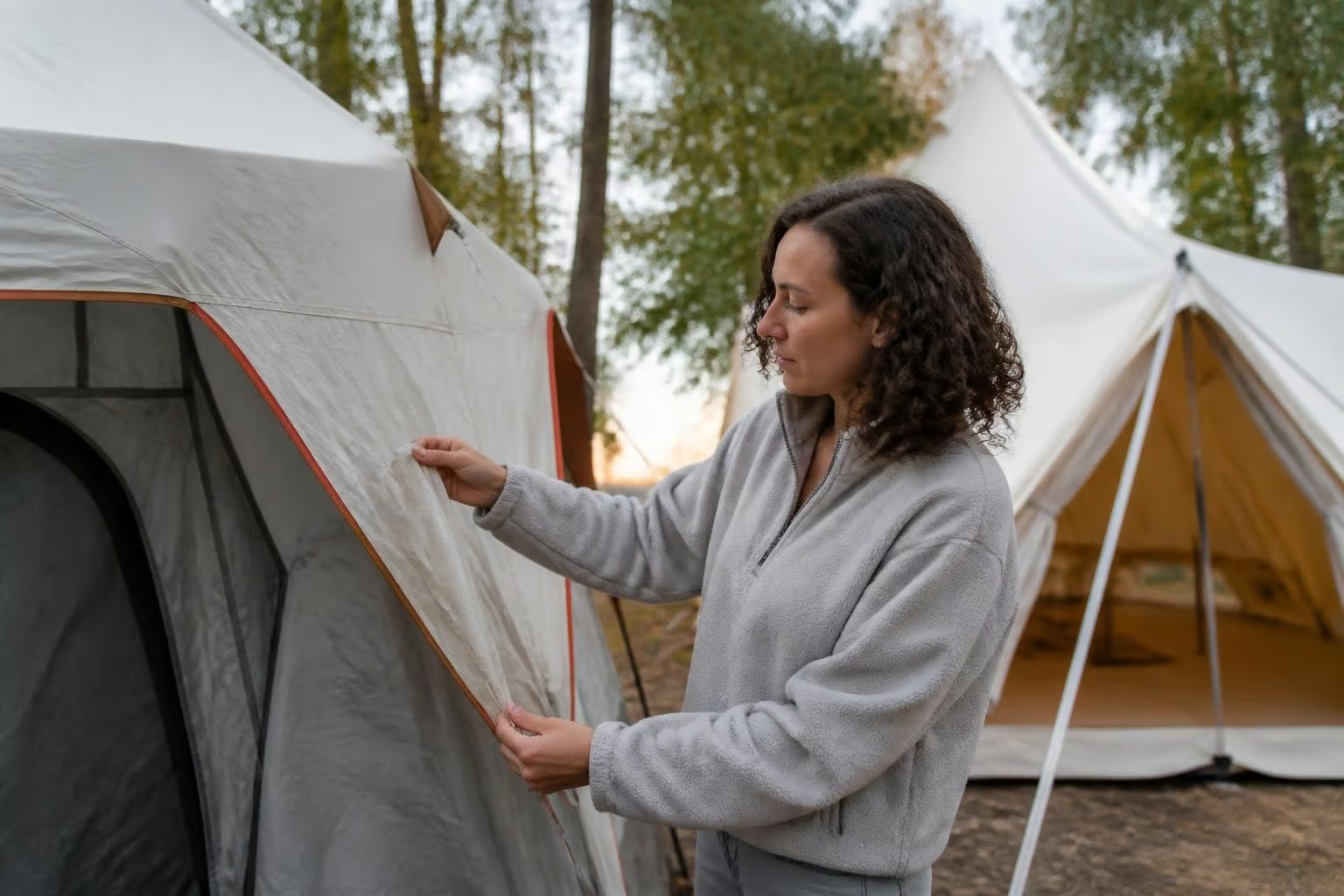
Finding the right tent from the countless tents for sale in the market requires understanding your specific needs, the environment you'll face, and the quality standards that ensure your investment lasts. Whether you're planning weekend camping trips, establishing a semi-permanent safari camp, or hosting outdoor events, the tent you choose becomes your shelter against the elements. This comprehensive guide walks you through the essential factors to consider, from fabric types and waterproof ratings to frame construction and seasonal suitability, helping you make an informed decision when comparing tents for sale.
The tents for sale today fall into several distinct categories, each designed for specific applications and environments. Recognizing these categories helps narrow your search significantly.
Recreational camping tents represent the most common category among tents for sale. These structures prioritize portability, ease of setup, and weather protection for short-term outdoor stays. Modern camping tents range from lightweight backpacking models weighing just a few kilograms to spacious family tents accommodating six or more people.
Key features to evaluate include:
The tent buying guide from Ellis Brigham offers detailed insights into season ratings and materials that help match camping tents to specific adventure types.
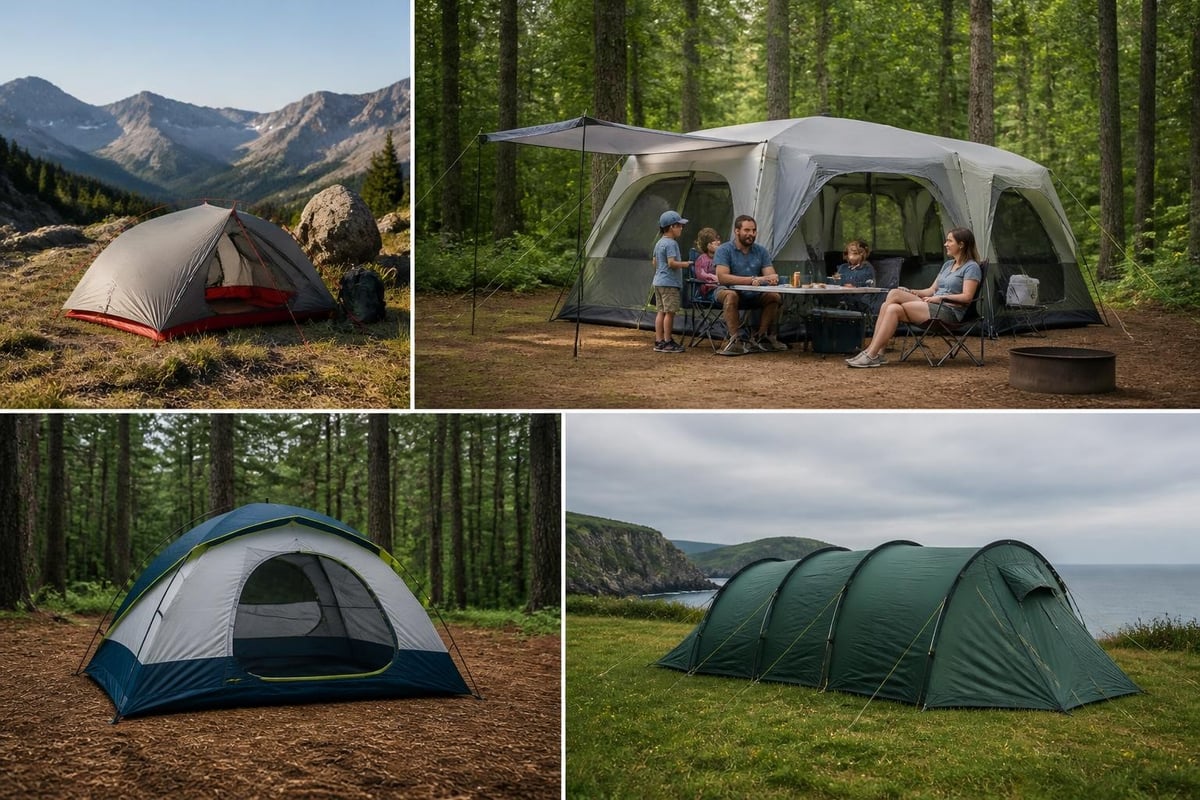
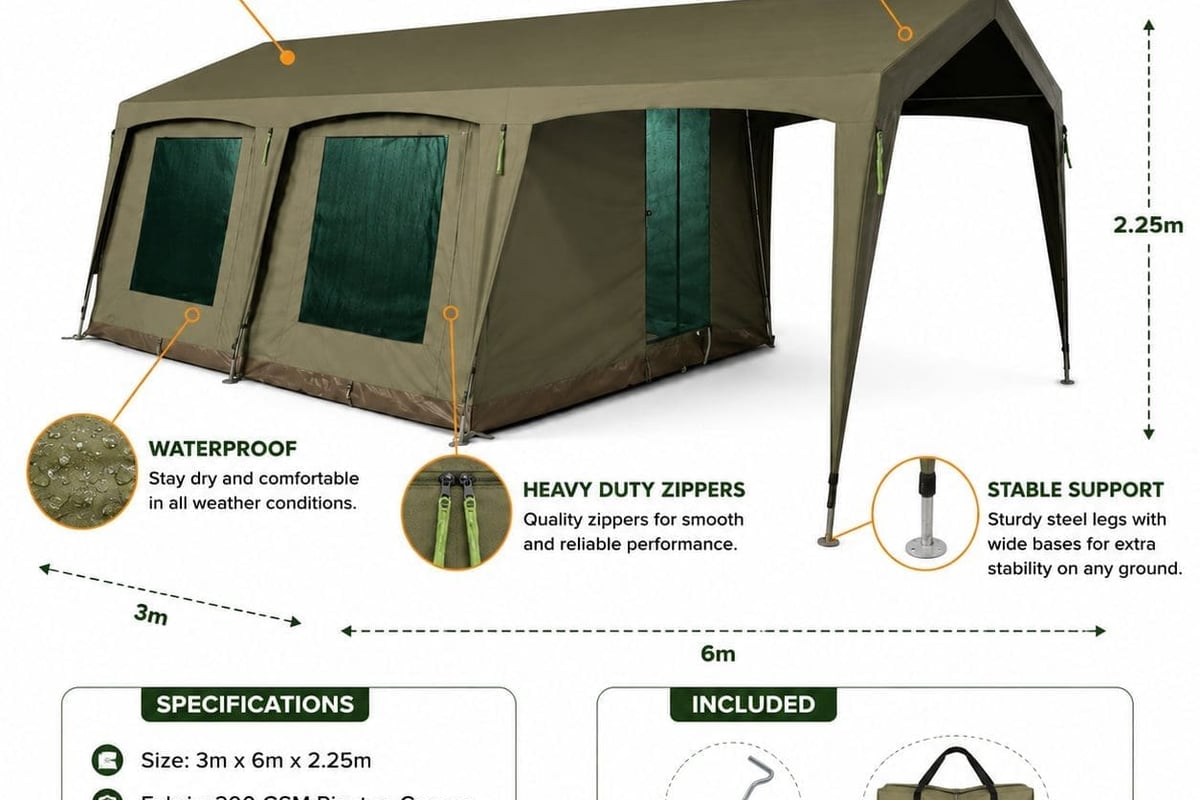
Safari-style tents provide more substantial accommodation for extended stays in natural environments. These tents typically feature thicker canvas construction, multiple rooms, and enhanced durability compared to standard camping models.
Safari tents excel in these applications:
Safari tents often incorporate heavy-duty canvas fabrics that regulate temperature better than synthetic materials. For those requiring privacy and organized living space during safari setups, the two-room configuration provides practical separation between sleeping and living areas while maintaining the authentic outdoor experience.
Commercial event tents represent another major category among tents for sale, designed for gatherings, celebrations, and temporary business operations. These structures prioritize coverage area, professional appearance, and quick installation.
Event tent applications include:
The fabric choice fundamentally determines a tent's performance, lifespan, and suitability for different conditions. Understanding common tent materials helps you assess quality when comparing tents for sale.
Canvas remains the gold standard for durability and comfort in demanding environments. Quality canvas tents use cotton or cotton-blend fabrics that breathe naturally, reducing internal condensation while providing excellent UV protection.
| Canvas Advantages | Canvas Considerations |
|---|---|
| Superior breathability | Heavier than synthetics |
| Natural temperature regulation | Requires proper drying |
| High UV resistance | Higher initial cost |
| Excellent tear strength | Needs waterproof treatment |
| Long lifespan (10-20 years) | Bulkier when packed |
Canvas construction typically measures 300-450 GSM (grams per square meter) for quality outdoor tents. The ripstop weave pattern adds tear resistance, preventing small punctures from spreading into larger damage.
Polyester and nylon dominate the lightweight camping tent market. These materials offer different performance characteristics worth understanding.
Polyester provides:
Nylon characteristics include:
The waterproof coating type matters significantly. Polyurethane (PU) coatings offer good waterproofing at lower cost, while silicone treatments provide superior durability and won't delaminate over time.
Heavy-duty PVC fabrics serve commercial applications requiring maximum waterproofing and longevity. These materials appear frequently among event tents for sale, particularly marquees and festival shelters.
PVC fabric benefits:
Professional-grade PVC typically ranges from 550-650 GSM for outdoor structures. The heavier weight provides wind resistance and structural stability essential for larger tents.
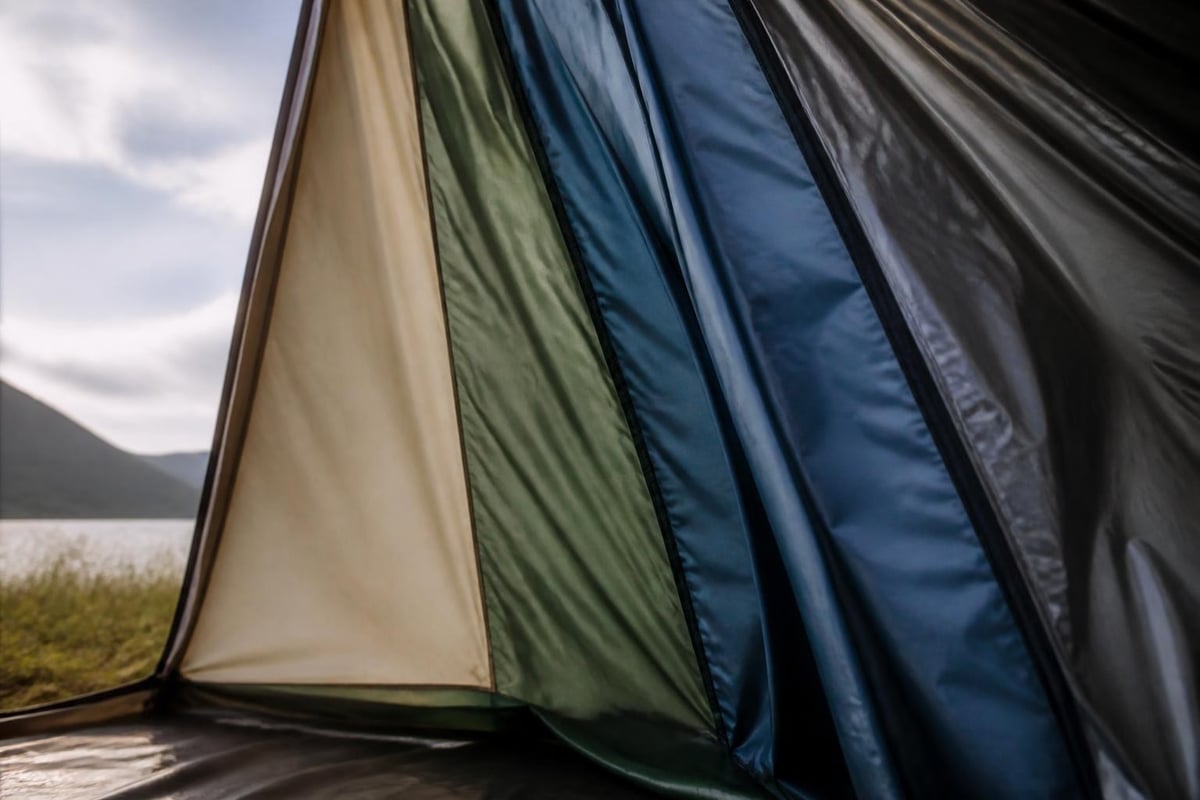
Understanding waterproof specifications helps you evaluate the weather protection level when reviewing tents for sale. The tent buying guide from Mountain Warehouse explains how these ratings translate to real-world performance.
Hydrostatic head (HH) measures fabric waterproofing by determining how much water pressure the material withstands before leaking. The rating appears in millimeters.
| Hydrostatic Head | Weather Protection Level | Suitable Conditions |
|---|---|---|
| 1000-1500mm | Basic protection | Light rain, dry climates |
| 2000-3000mm | Good protection | Moderate rain, general camping |
| 3000-5000mm | Excellent protection | Heavy rain, extended exposure |
| 5000mm+ | Maximum protection | Severe weather, permanent installation |
Quality tents for sale in South Africa should meet at least 2000mm HH rating for reliable rain protection during typical camping conditions.
Sealed seams prevent water infiltration at stitch lines where needle holes create potential leak points. Professional tent manufacturers use:
Always verify seam treatment when comparing tents for sale, especially for event or commercial applications where weather protection cannot fail.
The frame system determines tent stability, setup ease, and long-term reliability. Different designs serve different purposes among the various tents for sale.
Aluminum poles dominate quality tent construction, offering excellent strength-to-weight ratios and corrosion resistance. Look for:
Steel frames provide superior strength for larger structures but add significant weight. Galvanized steel resists rust in humid environments, making it ideal for semi-permanent installations and commercial tents.
Fiberglass poles appear in budget tents for sale but lack the durability and flexibility of metal alternatives. They become brittle over time and can shatter under stress.
Different frame geometries create distinct internal spaces and structural characteristics:
Dome structures use crossing poles creating freestanding shapes with good wind resistance and efficient use of fabric. They're popular for camping applications requiring quick setup.
Tunnel designs maximize interior volume using parallel hooped poles. These need proper staking but provide excellent headroom and living space for family camping.
A-frame configurations offer traditional shelter shapes with simple construction. They work well for smaller tents and specialty applications like motorcycle camping.
Box-frame marquees create vertical walls and maximum usable space for events. The framework supports larger dimensions without interior poles obstructing the covered area.
Selecting appropriate tent dimensions ensures comfort and functionality. Manufacturers rate capacity differently, so understanding actual dimensions helps when evaluating tents for sale.
Advertised sleeping capacity typically assumes minimal gear and close sleeping arrangements. For comfortable camping, consider these adjustments:
A tent marketed for four people realistically accommodates three adults with backpacks comfortably.
Measure your specific requirements before shopping:
Safari and event tents measure in meters, with common sizes including 3m x 3m, 3m x 6m, 5m x 10m, and larger custom dimensions.
The seasonal rating system helps match tents for sale to intended use conditions.
One-season tents suit summer camping in mild climates with minimal rain exposure. These lightweight structures prioritize ventilation over insulation.
Two-season tents handle spring through autumn conditions with moderate rainfall and cooler temperatures. They balance weather protection with breathability.
Three-season tents serve most camping needs, protecting against rain, wind, and light snow. This category represents the majority of recreational tents for sale.
Four-season tents withstand winter conditions including heavy snow loads and extreme winds. They feature robust construction, minimal mesh, and reinforced poles.
South African conditions typically require three-season ratings for year-round use, with four-season specifications necessary only for high-altitude mountain environments.
Proper airflow prevents interior moisture buildup that creates uncomfortable, damp conditions. Quality tents for sale incorporate multiple ventilation strategies.
Effective ventilation features include:
Double-wall tent designs separate the waterproof outer fly from an inner breathable layer, creating an air gap that manages condensation effectively. Single-wall tents combine these layers, reducing weight but requiring excellent fabric breathability.
Door configuration impacts daily convenience and emergency egress. Consider these factors when reviewing tents for sale:
Multiple doors provide:
Door types include:
Secure anchoring prevents tent damage and ensures safety during adverse weather. Professional tents for sale include comprehensive securing systems.
Different ground conditions require specific stake designs:
| Ground Type | Recommended Stake | Characteristics |
|---|---|---|
| Soft soil | Long V-stakes | Deep penetration, high hold |
| Hard ground | Rock pegs | Durable, hammered insertion |
| Sand | Wide sand anchors | Large surface area prevents pulling |
| Mixed terrain | Screw stakes | Versatile, adjustable depth |
Steel stakes provide maximum strength for permanent installations and large tents. Aluminum stakes reduce weight for backpacking but may bend in rocky ground.
Proper guy lines distribute wind loads across the tent structure. Quality systems include:
Several features enhance functionality when comparing tents for sale for specific applications.
Built-in groundsheets create waterproof floors and prevent ground moisture infiltration. Look for:
Interior organization includes pockets, gear lofts, and loops for hanging equipment. These small details significantly improve living comfort during extended stays.
Cable ports and electrical access appear in glamping and commercial tents for sale, allowing lighting and power distribution while maintaining weather protection.
Beyond general camping and events, certain applications require specialized tents for sale with unique features.
Temporary workspace tents protect equipment and workers during outdoor operations. These structures need:
Field hospital and triage tents meet specific regulatory requirements including sterilization capability and biohazard containment. These specialized tents for sale incorporate medical-grade materials and expandable designs.
Farming operations use portable shelters for animal protection, crop storage, and equipment coverage. Agricultural tents prioritize:
Proper care extends tent lifespan significantly. When investing in quality tents for sale, understand maintenance requirements:
Canvas tent care:
Synthetic tent maintenance:
Price ranges for tents for sale vary dramatically based on materials, construction quality, and intended use. Understanding value helps justify investments.
Budget camping tents (R500-R2,000) typically use:
Mid-range options (R2,000-R8,000) offer:
Premium tents (R8,000-R25,000+) include:
Commercial and safari tents (R15,000-R100,000+) provide:
You can explore current deals and promotions at Ejenti Outdoor’s specials page for competitive pricing on quality outdoor solutions.
Purchasing from reputable suppliers ensures product quality and after-sale support. When searching for reliable tents for sale:
Look for retailers offering:
Local South African manufacturers understand regional climate challenges and design accordingly. Products manufactured domestically often provide better value through reduced shipping costs and customs complexity.

Tents for sale often require additional equipment for optimal performance and comfort.
Essential accessories include:
For larger installations, consider:
Understanding how to choose the right tent involves considering these complete system requirements rather than just the tent structure itself.
South Africa's diverse climate zones require different tent specifications depending on deployment location.
Coastal regions need:
Highveld conditions require:
Bushveld environments benefit from:
Those establishing luxury outdoor living spaces might find inspiration from companies like Cotswold Cooking Company, which demonstrates how thoughtfully designed outdoor structures create refined all-season spaces, a principle equally applicable to premium tent installations.
Proper installation maximizes performance and prevents damage to your investment in tents for sale.
Pre-setup preparation:
Setup best practices:
For commercial and event applications, professional installation services ensure proper setup and reduce damage risks from improper assembly.
Commercial tents for sale often support customization for business applications.
Available customization includes:
Custom tents require longer lead times but provide unique solutions for specific business needs, particularly in tourism, events, and retail operations.
Sustainable tent choices minimize environmental footprint while maintaining performance.
Eco-conscious considerations when reviewing tents for sale:
Canvas tents offer environmental advantages through biodegradable natural fibers and exceptional longevity, often lasting decades with proper maintenance compared to 5-10 years for synthetic alternatives.
Quality tents for sale meet various industry standards ensuring safety and performance.
Relevant certifications include:
Commercial applications may require specific certifications, particularly for public gatherings, temporary structures in urban areas, or tourism operations.
Contemporary tents for sale increasingly incorporate technological features enhancing functionality.
Modern innovations include:
These features appear primarily in premium safari tents and commercial applications where extended use justifies the additional investment.
South African-made tents for sale offer specific advantages over imported alternatives.
Local manufacturing benefits:
International brands provide:
The tent buying guide from Outwell demonstrates the comprehensive approach international manufacturers take, though local suppliers often better understand African environmental challenges.
Selecting from the many tents for sale requires balancing your specific needs against available features, materials, and construction quality. Whether you need portable camping shelter, durable safari accommodation, or professional event coverage, understanding fabric specifications, frame construction, and weatherproofing ensures your investment delivers reliable performance for years. Ejenti Outdoor manufactures quality tents and outdoor solutions designed specifically for South African conditions, using durable materials and proven construction methods. Explore the complete range of camping tents, safari shelters, and event structures at Ejenti Outdoor to find the perfect solution for your outdoor requirements.