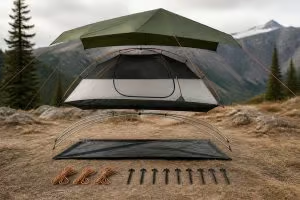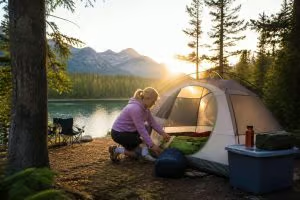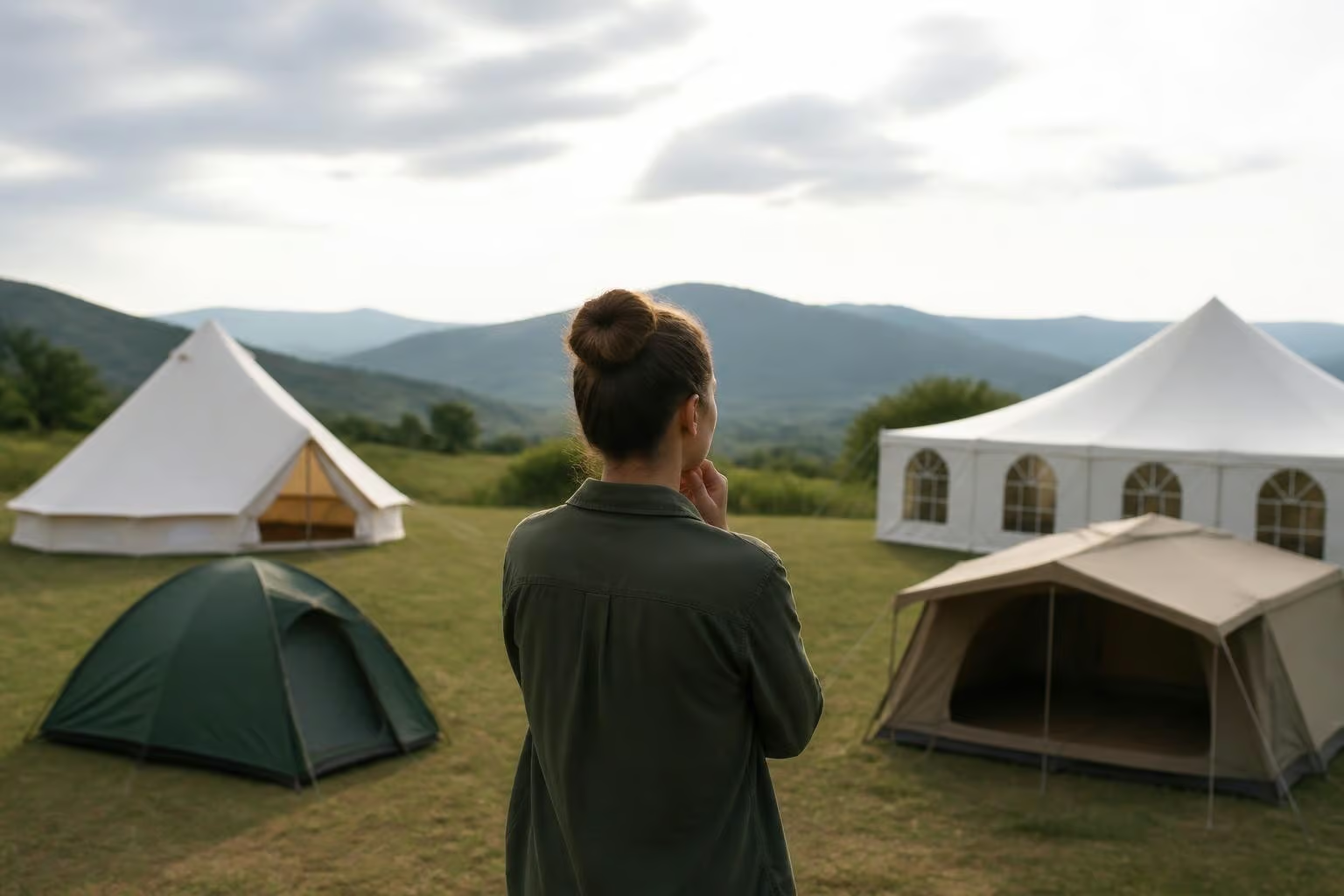
Finding the right tent for your outdoor needs starts with understanding what's available in your area. Whether you're planning a camping trip, organizing an outdoor event, or setting up semi-permanent accommodation, searching for "tents near" your location is often the first step. The proximity of suppliers affects delivery times, installation support, and the ability to inspect products before purchase. This guide explores how to locate quality tents, what to consider when choosing local suppliers, and how to match tent specifications to your specific requirements.
When searching for tents near your area, you'll encounter several distinct categories designed for different purposes. Each type serves specific needs and comes with unique construction features.
Canvas tents represent a traditional choice for longer camping trips and semi-permanent setups. These structures use natural or blended fabric that breathes well, reducing condensation buildup during extended stays. The history of tent design shows how canvas became a preferred material for durability and comfort.
Key benefits of canvas construction:
Canvas options typically feature ripstop weaving patterns that prevent tears from spreading. When evaluating tents near your region, examine the GSM (grams per square meter) rating, as higher numbers indicate thicker, more durable fabric.
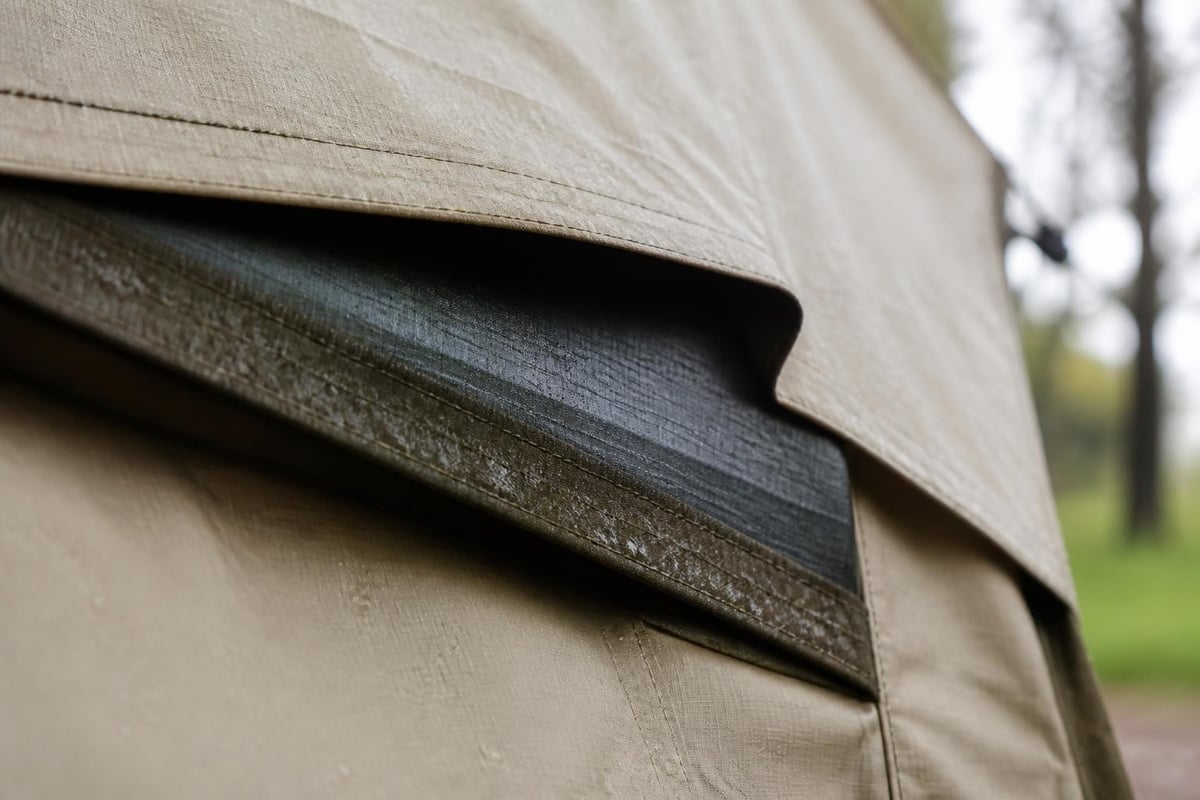
PVC marquee tents serve commercial events, weddings, and temporary installations where complete waterproofing is essential. These structures use coated synthetic materials that block water entirely while providing UV protection.
| Tent Type | Primary Use | Typical Lifespan | Weather Resistance |
|---|---|---|---|
| Canvas | Camping, Safari | 10-15 years | Excellent in varied conditions |
| PVC Marquee | Events, Markets | 7-10 years | Complete waterproofing |
| Dome Tent | Recreational camping | 3-5 years | Good for moderate conditions |
| Safari Lodge | Extended accommodation | 12-20 years | Superior durability |
PVC tents often feature modular designs that allow for size customization. When sourcing tents near your event venue, consider the fabric weight (measured in GSM) and whether the supplier offers setup services.
Finding reliable sources for tents near your location requires research across multiple channels. The landscape includes manufacturers, retailers, and rental specialists.
Working directly with manufacturers provides access to customization options and technical expertise. Ejenti Outdoor manufactures tents specifically designed for South African conditions, offering direct-to-customer sales that eliminate middleman markups.
Advantages of manufacturer-direct purchasing:
Retail networks offer convenience through widespread availability and immediate product access. When searching for tents near metropolitan areas, retailers provide showroom experiences where you can inspect materials and construction quality firsthand.
Rental companies serve short-term requirements for events, festivals, and temporary projects. Platforms like Campspot help users discover camping locations, while TentFinders compares rental companies across different regions.
Rental considerations include:
The tent rental directory provides comprehensive listings of local companies with sizing calculators and planning resources.
Quality assessment requires examining both materials and construction techniques. Not all tents near your price point deliver equivalent performance.
Fabric quality determines how well a tent performs across different weather conditions. Waterproofing treatments, UV resistance, and tear strength vary significantly between products.
Critical fabric specifications:
South African conditions demand fabrics that handle intense UV exposure and occasional heavy rainfall. Testing standards from reputable manufacturers ensure materials meet performance claims.
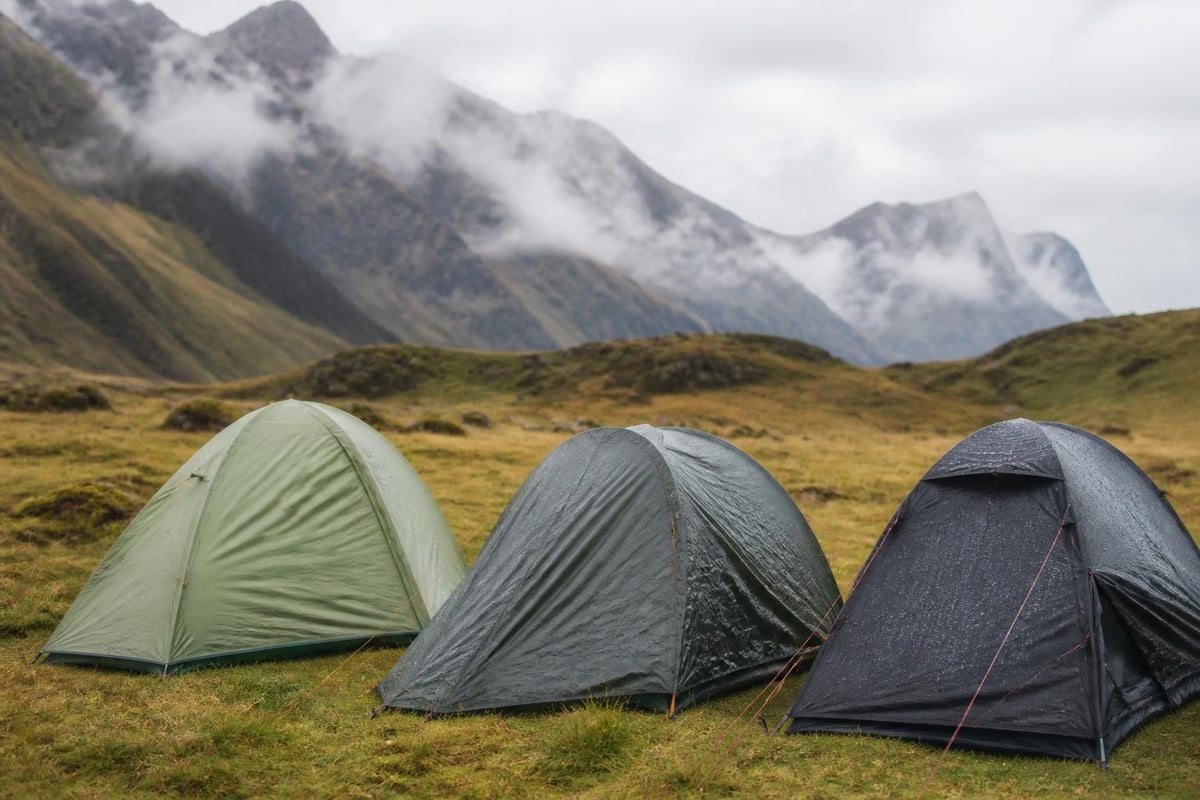
The frame system determines structural integrity during wind and storm conditions. Steel frames offer maximum strength but increase weight, while aluminum provides portability with moderate durability.
When inspecting tents near your purchase location, examine:
Frame materials should include galvanized or powder-coated finishes that prevent rust in humid environments. Installation hardware quality often reveals overall product standards.
Different outdoor activities require specific tent configurations. Understanding these requirements helps narrow searches for tents near your intended use location.
Recreational camping demands balance between portability and livability. Weekend trips require less robust construction than month-long expeditions.
Camping tent priorities:
Dome tents offer efficient space utilization and wind resistance for general camping. Safari-style tents provide standing room and separation between sleeping and living areas during extended stays.
Commercial use introduces higher performance standards. Event tents face multiple setup cycles, diverse weather exposure, and safety regulations.
For events requiring substantial covered space, the 5m x 10m PVC Marquee Tent manufactured by Ejenti Outdoor delivers reliable protection with 550gsm PVC fabric engineered for South African conditions. This structure accommodates approximately 80 people comfortably, making it suitable for weddings, corporate functions, and market stalls.
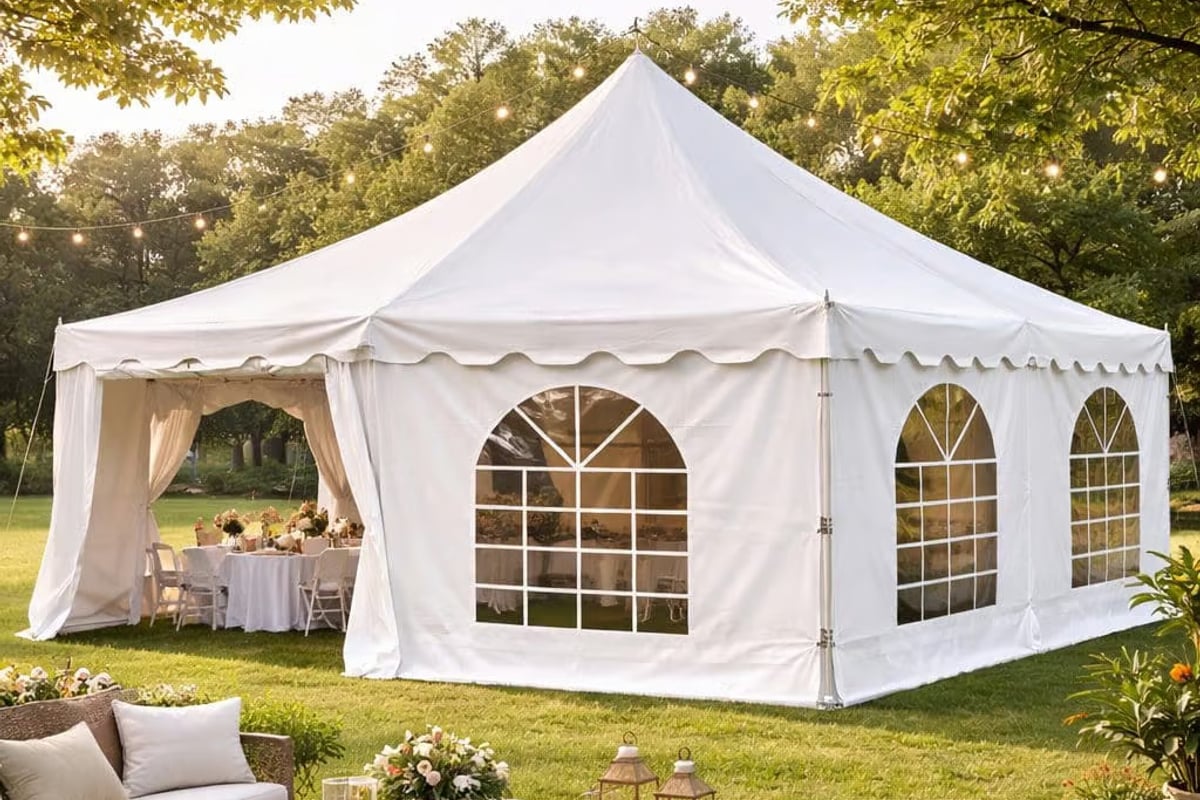
Event tent considerations include:
Commercial applications often require fire-retardant certifications. Verify that tents near your event location meet local safety codes.
Long-term installations prioritize durability and comfort features. Safari operations, glamping sites, and temporary worker housing need tents that function as habitable structures.
| Application | Recommended Type | Key Features | Typical Size Range |
|---|---|---|---|
| Weekend camping | Dome tent | Lightweight, quick setup | 2m x 2m to 3m x 3m |
| Extended safari | Canvas lodge tent | Room dividers, ventilation | 3m x 6m to 5m x 8m |
| Event hosting | PVC marquee | Modular expansion, sidewalls | 3m x 3m to 10m x 20m |
| Glamping | Canvas dome | Standing room, furniture-ready | 4m x 4m to 6m x 6m |
Semi-permanent structures benefit from enhanced ventilation systems, reinforced anchor points, and built-in organizational features like pockets and hanging loops.
Modern camping and event setups increasingly require electrical power for lighting, devices, and climate control. When planning tents near remote locations, power independence becomes crucial.
Portable power stations provide reliable electricity without generator noise or fuel requirements. Solutions from Pecron deliver silent, dependable power through battery technology with solar panel charging capability, making them ideal companions for tent-based operations where grid access isn't available.
Power station applications for tent setups:
Solar charging extends power availability during multi-day events or camping trips. Calculate your power needs by totaling wattage for all devices and selecting capacity accordingly.
Proper installation directly impacts tent performance and longevity. Whether handling setup yourself or hiring professionals, understanding the process helps ensure optimal results.
Ground conditions affect stability and drainage. Survey your tent site for:
Rocky soil may prevent stake penetration, requiring weighted anchors instead. Sandy conditions need longer stakes or specialized ground screws for adequate hold.
Complex structures benefit from professional installation. Large marquees, multi-room safari tents, and commercial setups involve intricate frame assembly and precise tensioning.
When to hire professionals:
Self-installation works well for familiar designs and smaller recreational tents. Manufacturer instructions should include detailed diagrams and step-by-step processes. The Ejenti Outdoor product range includes installation guidance specific to each tent model.
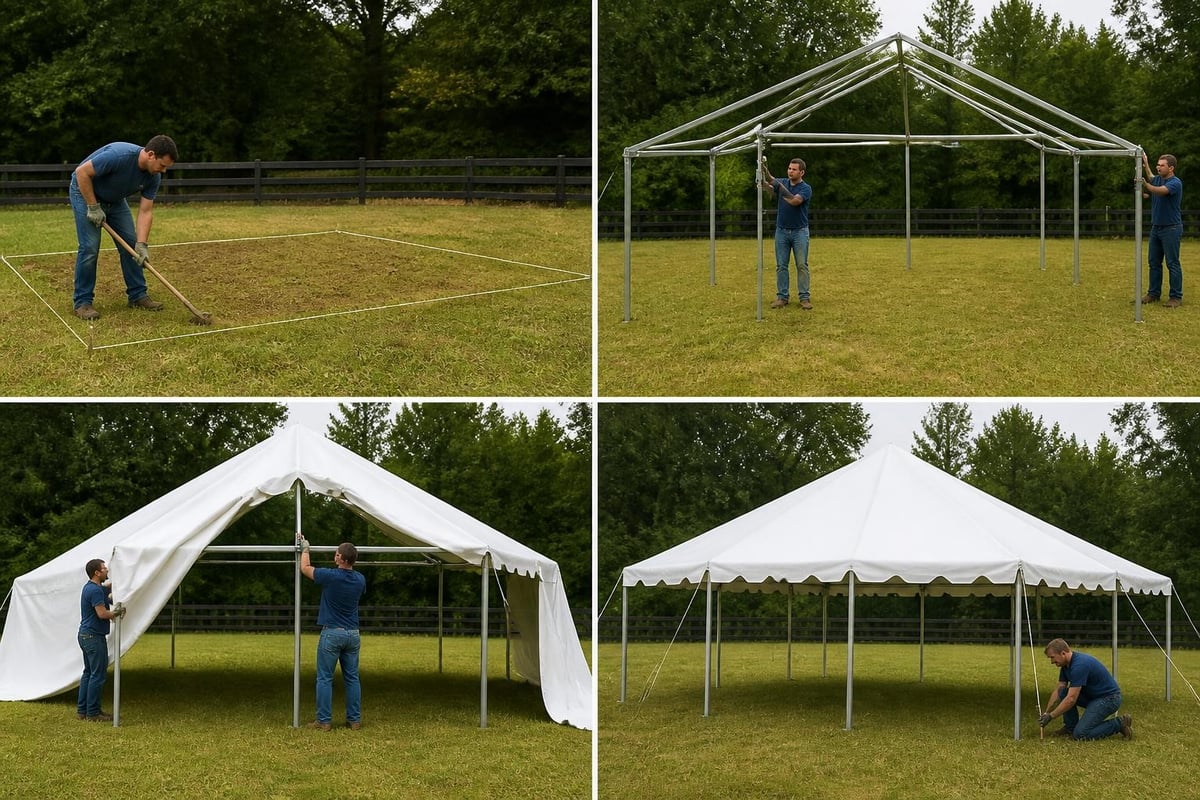
Regular maintenance extends tent lifespan and maintains performance standards. Different materials require specific care approaches.
Canvas benefits from periodic waterproofing treatments and proper storage protocols.
Canvas care routine:
Small tears in canvas are repairable with patch kits. Address damage immediately to prevent expansion during use.
Synthetic tents require different maintenance focusing on joint integrity and coating preservation.
Avoid folding synthetic fabrics in the same pattern repeatedly, as creases can develop weak points. Rolling storage distributes stress more evenly.
Geographic location influences which tent features matter most. South African conditions present specific challenges.
UV intensity in South Africa exceeds many global regions, accelerating fabric degradation without proper protection. Tents near coastal areas face salt air corrosion, while interior regions experience extreme temperature swings.
Regional adaptation features:
Summer temperatures inside poorly ventilated tents can exceed comfortable levels. Mesh panels and adjustable vents become essential rather than optional.
Certain regions require additional considerations beyond weather protection. Bush locations need reinforced floors preventing insect entry, while areas with baboons or monkeys benefit from secure closures on all access points.
The academic research on tent stability provides insights into structural modeling relevant for challenging environments, though practical application focuses more on proven construction techniques than theoretical frameworks.
Tent pricing varies dramatically based on size, materials, and intended use duration. Understanding cost drivers helps budget appropriately.
Quality tents represent significant investments with returns measured in years of service.
| Size Category | Canvas Price Range | PVC Price Range | Expected Lifespan |
|---|---|---|---|
| Small (2m x 2m) | R3,500 – R6,000 | R2,500 – R4,500 | 5-10 years |
| Medium (3m x 6m) | R12,000 – R22,000 | R8,000 – R15,000 | 8-12 years |
| Large (5m x 10m) | R35,000 – R65,000 | R25,000 – R45,000 | 10-15 years |
| Extra Large (10m x 20m) | Custom pricing | R80,000 – R150,000 | 12-20 years |
Premium materials and construction justify higher initial costs through reduced replacement frequency. Calculate cost-per-use across the expected lifespan rather than focusing solely on purchase price.
Short-term or infrequent needs often favor rental arrangements. Events occurring once or twice annually typically don't justify ownership costs.
Rental advantages:
Purchase advantages:
The break-even point typically occurs after 4-6 rental periods for recreational tents, or 2-3 rentals for large event structures.
Complete tent systems include various accessories enhancing functionality and comfort.
Ground sheets protect tent floors from abrasion and moisture while providing additional insulation. Properly sized ground sheets extend slightly beyond the tent footprint to direct water away from the structure.
Common accessories include:
The Ejenti Outdoor catalog includes fasteners, hooks, and attachment hardware compatible with their tent range, ensuring proper integration between components.
Interior organization accessories transform basic shelters into functional living spaces. Hanging organizers, lighting mounts, and cable management systems improve usability.
Flooring systems range from simple foam mats to interlocking hard panels. Event applications often incorporate carpeting or wooden platforms for guest comfort and professional appearance.
Event tents and commercial installations face regulatory requirements varying by municipality and application type.
Public gathering spaces typically require fire-retardant fabric certifications. Verify that tents near your event location carry appropriate documentation.
Fire safety compliance involves:
Some venues require inspection documentation before granting setup permission. Work with suppliers familiar with local requirements to avoid last-minute complications.
Engineering specifications indicate maximum safe wind speeds. Exceeding these limits risks structural failure and injury.
Manufacturers should provide wind rating documentation. Sites like Sperry Tents locations demonstrate how established tent providers maintain quality standards across different regions, though specific wind ratings vary by model and installation method.
Advanced considerations like concave reformulations in tent design explore theoretical optimization, but practical safety focuses on following manufacturer specifications and proper installation procedures.
Strategic planning ensures your tent investment meets current and future needs.
Define specific requirements before beginning your search for tents near your area.
Document these factors to communicate clearly with suppliers. Detailed requirements help manufacturers recommend appropriate solutions rather than generic options.
Evaluate potential suppliers across multiple dimensions beyond price.
Key evaluation factors:
Local manufacturers understand regional conditions better than importers relying on generic specifications. South African-based production ensures designs account for local UV intensity, temperature ranges, and typical use patterns.
Finding the right tent solution requires balancing immediate needs with long-term value, considering factors from fabric quality to supplier support. Whether you need camping gear for weekend adventures or commercial structures for event hosting, local expertise makes the difference between adequate and exceptional results. Ejenti Outdoor manufactures durable tents, gazebos, and outdoor solutions specifically designed for South African conditions, offering direct access to quality products backed by local knowledge and comprehensive support.