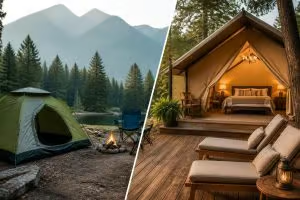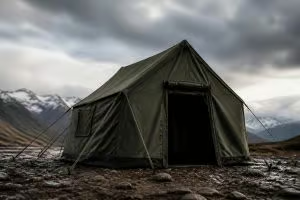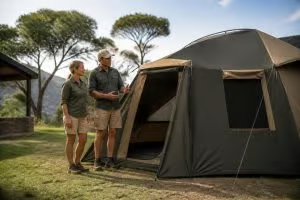

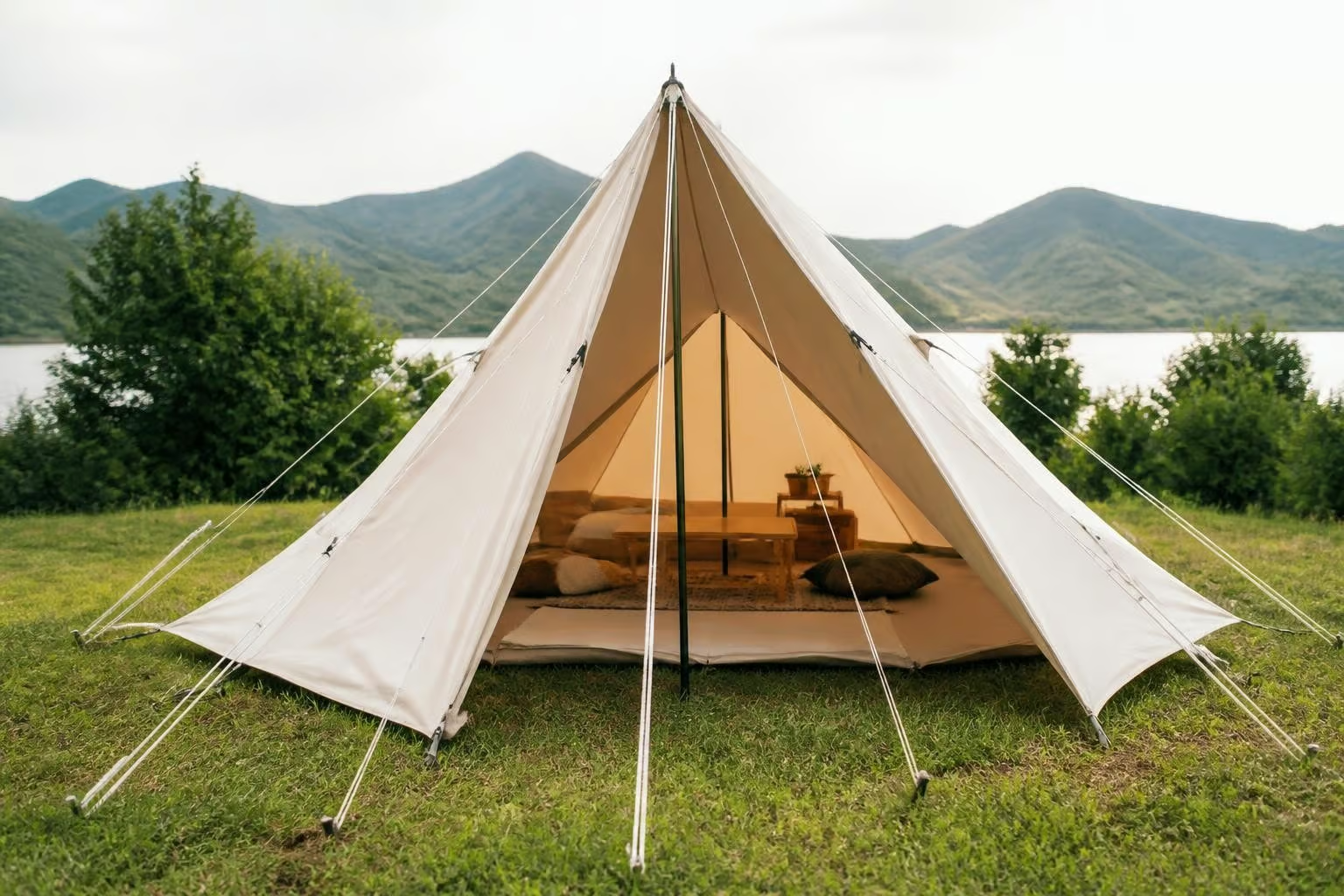
A camping pole tent is one of the most versatile and reliable shelters for outdoor adventures, combining structural integrity with practical functionality. These tents use rigid poles to create a stable framework that supports the tent fabric, providing dependable protection from weather while maintaining livable interior space. Whether you're planning a multi-day safari expedition, a weekend family camping trip, or a backcountry hiking adventure, understanding the mechanics and advantages of pole-supported tents will help you make informed decisions about your outdoor shelter needs.
The fundamental design of a camping pole tent relies on a framework of rigid supports that maintain the tent's shape under various conditions. Unlike inflatable or self-supporting designs, pole tents use aluminum, fiberglass, or steel poles that slot together to form arches, ridges, or A-frame configurations.
Every pole-supported shelter consists of several essential elements working together:
The poles themselves typically come in sectioned lengths that connect through shock cord running inside each segment. This design makes assembly intuitive and ensures you won't lose individual sections during setup or breakdown.
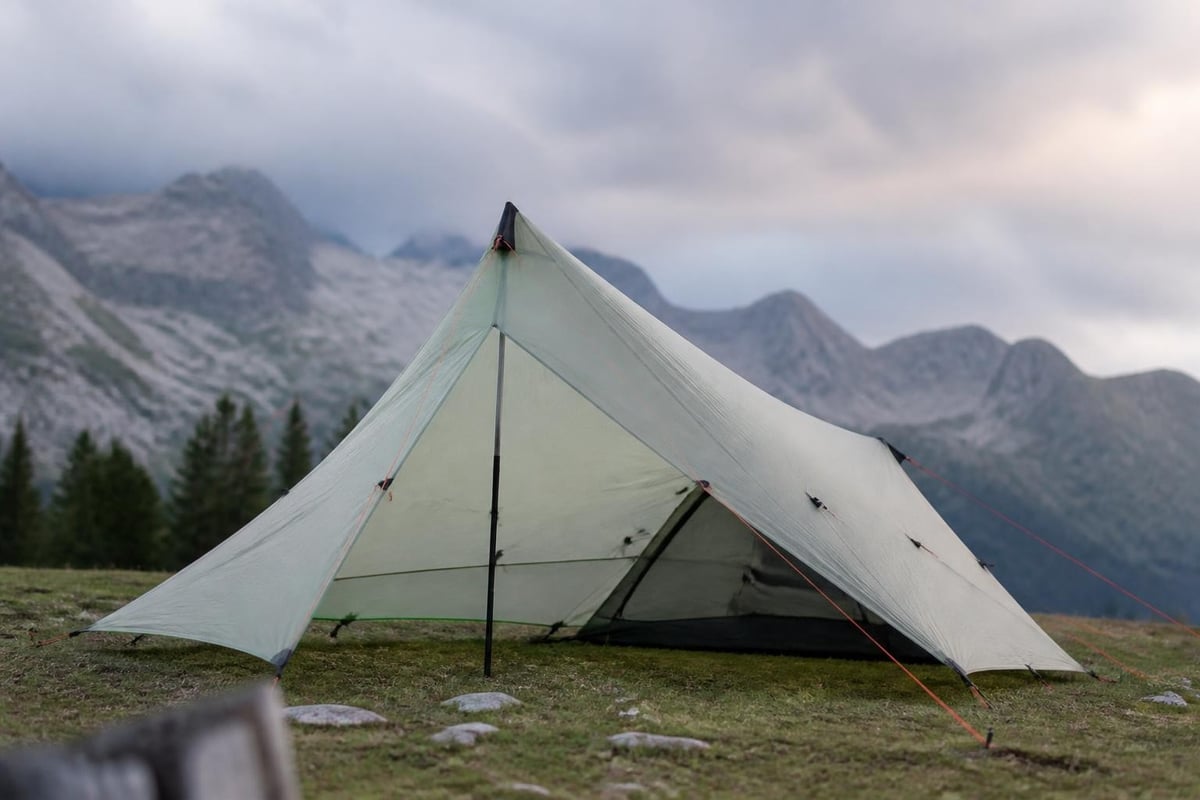
When properly tensioned, the poles create geometric stability that distributes loads evenly across the structure. This principle has been refined over decades of tent engineering and remains relevant whether you're examining outdoor recreation guidelines for tent setups or studying modern shelter designs.
Different pole materials offer distinct advantages for various camping scenarios:
| Material | Weight | Durability | Flexibility | Best Use |
|---|---|---|---|---|
| Aluminum | Light | High | Moderate | Backpacking, general camping |
| Fiberglass | Moderate | Moderate | High | Family camping, budget options |
| Steel | Heavy | Very High | Low | Permanent/semi-permanent setups |
Aluminum poles dominate the modern camping market because they strike an excellent balance between strength and weight. They resist corrosion, bend without breaking under moderate stress, and return to their original shape when pressure is released.
Choosing a camping pole tent over alternative designs brings several practical benefits that matter in real-world outdoor conditions.
Weather resistance stands out as a primary advantage. The rigid framework allows designers to create steep wall angles that shed rain effectively and prevent water pooling on the roof. The structural integrity also means the tent maintains its shape during high winds, rather than collapsing inward like some lighter designs might.
Space efficiency represents another key benefit. Because poles create defined interior volumes, manufacturers can maximize headroom and floor space. A properly designed pole tent offers nearly vertical walls in critical areas, giving you more usable space than the tent's footprint might suggest.
Setup reliability matters when you're tired after a long day of hiking or when weather conditions are deteriorating. Pole tents follow predictable assembly patterns that become second nature after a few uses. The physical feedback from connecting poles and seeing the structure take shape builds confidence, especially for less experienced campers.
A well-maintained camping pole tent can provide years of reliable service. The poles themselves rarely fail if properly cared for, and fabric damage typically occurs from UV exposure or abrasion rather than structural stress.
Regular maintenance includes:
Successfully pitching a camping pole tent requires adapting your approach to the specific ground conditions and environment you encounter.
On prepared tent pads or flat ground, setup follows a straightforward sequence:
The National Park Service provides detailed guidance on finding and setting up campsites that includes considerations for drainage, wind direction, and proximity to water sources.
When the ground won't accept standard tent stakes, you need alternative anchoring strategies. Rock-specific stakes with hardened tips can penetrate packed earth, while large rocks or logs can serve as anchor points for guy lines. Some campers carry extra cordage specifically for wrapping around natural features.
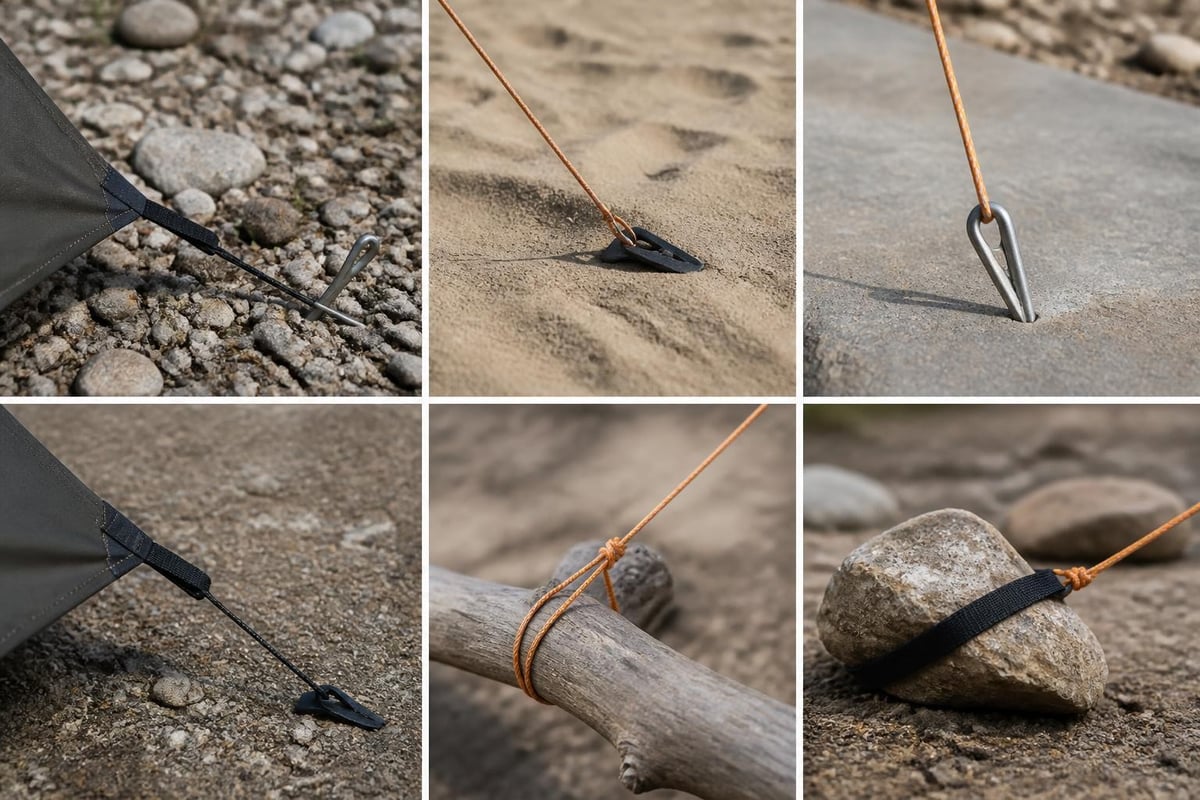
Sand camping presents unique challenges because standard stakes pull out easily. Wider stakes designed for sand provide better holding power, but you can also use the deadman technique-burying stuff sacks filled with sand at guy line anchor points. Angle your stakes away from the tent at 45 degrees and bury them deeper than you would in normal soil.
Different pole arrangements create distinct tent shapes, each optimized for specific conditions and use cases.
Dome tents use two or more poles that cross at the apex, creating a self-supporting structure with excellent wind resistance. They typically offer the best space-to-weight ratio and remain the most popular design for recreational camping.
Tunnel tents employ parallel hoops to create elongated interior spaces. While they require guy lines for stability, they provide superior headroom along the tent's length and work well for group camping or extended stays.
A-frame and ridge tents represent traditional designs still valued for their simplicity and durability. A camping pole tent with an A-frame configuration uses minimal poles to create a straightforward, storm-worthy shelter. Safari tents often incorporate ridge-pole designs for spacious, comfortable long-term accommodation.
More poles generally mean more interior space and better weather resistance, but also add weight and setup complexity:
While aluminum and steel poles provide excellent structural support, they do conduct electricity. Lightning safety guidance from the National Park Service explains the risks of metal tent poles during thunderstorms and recommends avoiding exposed ridges or lone trees when camping.
If storms approach, the safest response is to vacate the tent and seek proper shelter. Modern tents use segmented poles that don't create continuous conductive paths like older single-piece designs did, but caution remains prudent.
Beyond lightning, pole safety includes:
Extending your camping pole tent's service life requires attention to both the fabric components and the pole system.
Inspect poles before every trip. Look for:
Carry a pole repair sleeve on trips longer than a single night. These aluminum tubes slip over damaged sections, allowing you to stabilize a cracked pole until you return home. Some campers carry duct tape specifically for emergency pole repairs, though dedicated splints work better.
When the shock cord breaks or loses tension, replacement is straightforward with basic tools. You'll need replacement cord (available at outdoor retailers or hardware suppliers like Ejenti Outdoor), a wire coat hanger or similar threading tool, and about 30 minutes per pole.
The points where poles contact fabric experience the most stress. Check these areas regularly:
Clean your tent after trips involving sand, salt, or heavy soil exposure. Set it up fully to dry before storage, preventing mildew growth. Store poles separately from the tent body to avoid punctures.
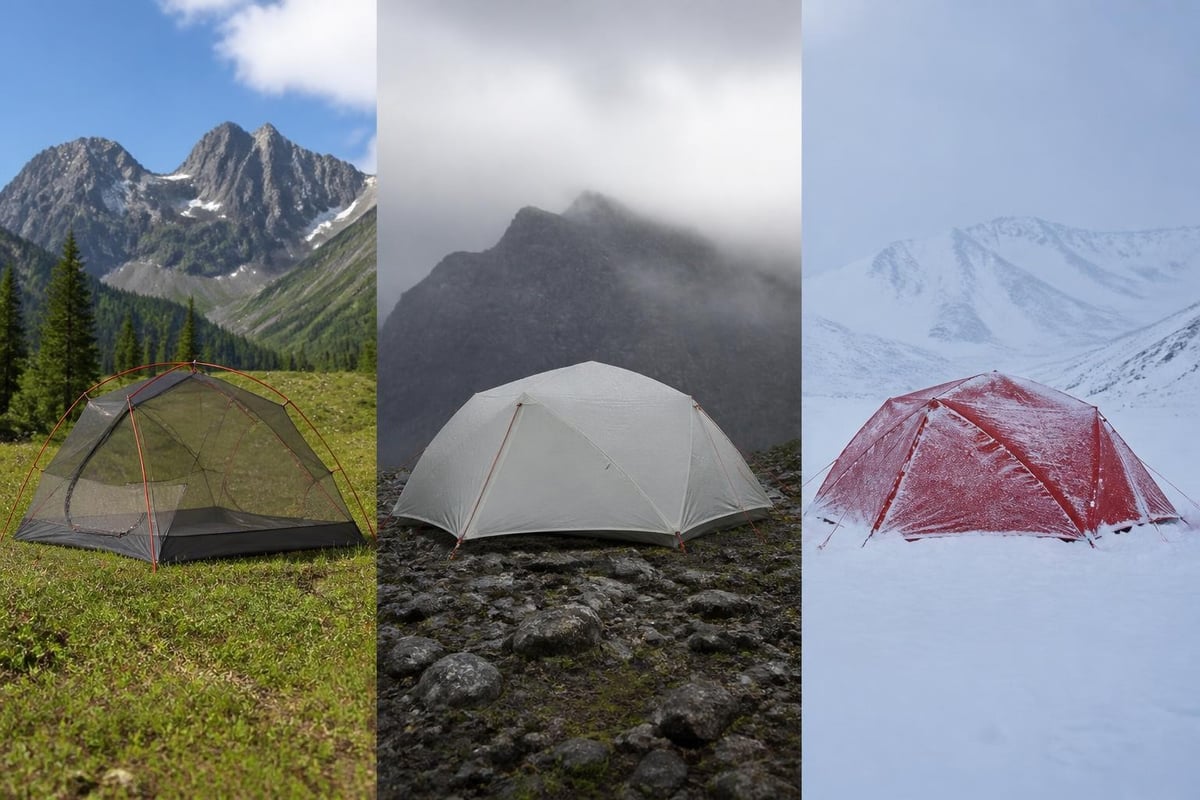
A quality camping pole tent can serve across multiple seasons with proper configuration and accessories.
Summer use emphasizes ventilation. Open all vents and stake out vestibules to maximize airflow. Many pole tents offer mesh inner bodies with optional rainflies-use just the mesh on clear nights for maximum stargazing and air circulation.
Three-season camping demands waterproofing and moderate cold protection. Attach the rainfly securely, ensure it doesn't contact the inner tent body (to prevent condensation transfer), and stake out all guy lines for wind resistance.
Winter and four-season use requires specialized pole tents built with stronger poles, heavier fabrics, and reinforced connection points. Standard three-season tents can handle light snow, but accumulation weight and extreme cold stress standard poles beyond their design limits.
Supporting hardware transforms a basic camping pole tent into a highly functional outdoor home.
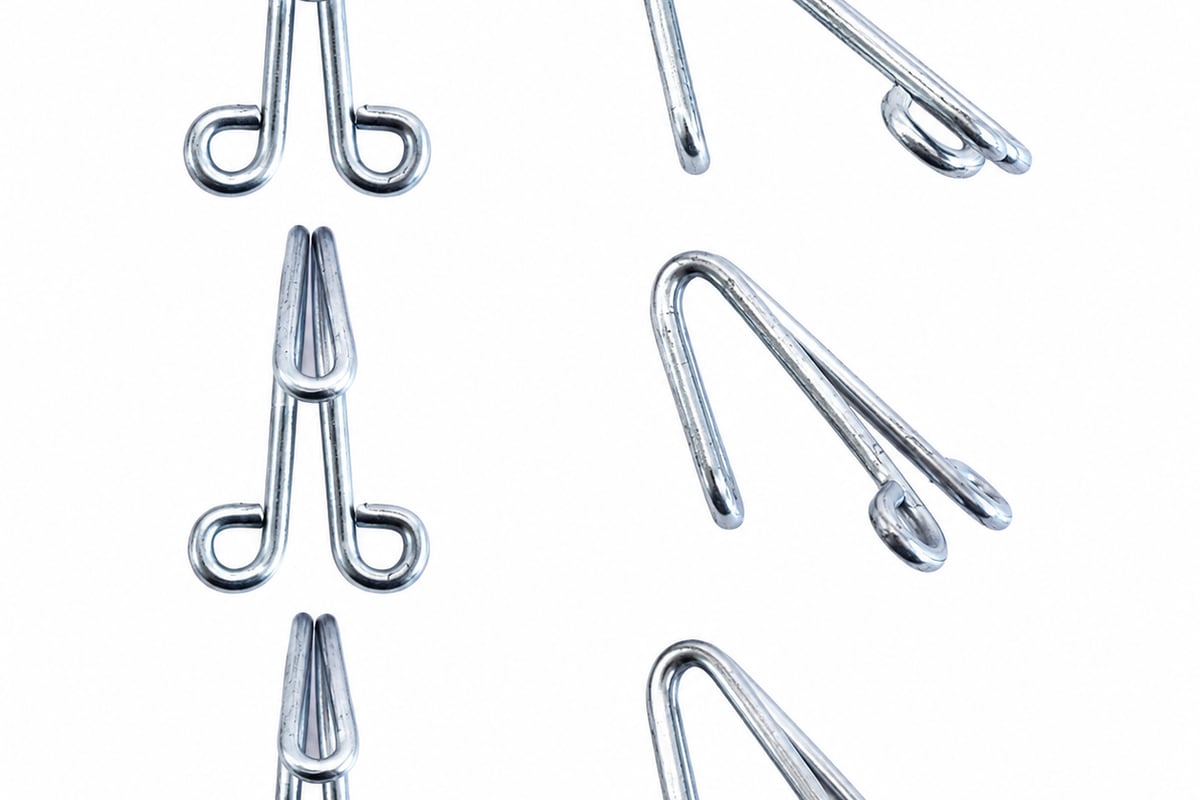
Heavy-duty hardware makes setup more reliable and allows for customization. Heavy Duty Tent Hooks & Metal Fasteners including J hooks, S hooks, and D rings provide strong connection points for guy lines, gear loops, and accessory attachments. These metal fasteners handle regular outdoor use and make it easy to add custom tie-down points or reinforce existing ones.
Additional accessories worth considering:
Evolution in tent pole technology has created meaningful performance differences between older and contemporary designs.
Traditional fiberglass poles dominated budget tents for decades. They're inexpensive to manufacture, reasonably strong, and flexible enough to absorb moderate shock. However, they can splinter when they fail, creating dangerous shards, and they typically weigh more than aluminum alternatives.
Modern aluminum alloy poles-particularly 7000-series and DAC Featherlite designs-offer superior strength-to-weight ratios. These poles bend significantly before failing and return to shape after stress is removed. Premium pole sets include pre-curved sections that create more efficient geometric shapes without requiring complex pole routing.
| Feature | Traditional Fiberglass | Modern Aluminum Alloy |
|---|---|---|
| Weight (per pole) | Moderate to heavy | Light to very light |
| Failure mode | Splinters | Bends, rarely breaks |
| Cost | Low | Moderate to high |
| Lifespan | 3-5 years typical | 10+ years with care |
| Repairability | Difficult | Good with splints |
While recreational camping represents the largest market, pole-supported tent designs serve numerous professional contexts.
Safari operations throughout Africa rely on sturdy pole tents for semi-permanent guest accommodations. These structures withstand seasonal weather variations while providing comfortable, spacious interiors. The structural principles of tensioned fabric supported by rigid frameworks, studied in academic research on fabric structures, apply equally to small backpacking tents and large safari lodges.
Research expeditions favor pole tents for base camps because they offer reliable long-term performance. The ability to replace individual components means a well-stocked expedition can maintain tents in the field for months.
Commercial camping operations appreciate the balance between durability and user-friendliness. Rental tents need to survive setup by inexperienced users and withstand continuous use across varied conditions.
The pole framework is only half the equation-fabric choice determines weather protection and durability.
Nylon dominates lightweight camping tents due to its excellent strength-to-weight ratio and abrasion resistance. Ripstop weaves with reinforcing threads prevent tear propagation. However, nylon absorbs water and stretches when wet, requiring periodic re-tensioning during rain.
Polyester offers better UV resistance and less stretch when wet, making it popular for tents that stay pitched for extended periods. It costs more than nylon but maintains dimensional stability better over time.
Canvas provides superior breathability and a traditional aesthetic while delivering excellent durability. Many safari and expedition tents use ripstop canvas for its combination of weather resistance and comfort in varied climates.
Waterproofing typically comes from polyurethane or silicone coatings applied to fabric. ASTM standards for tent flammability and material performance ensure safety and consistency across manufacturers. Look for waterproof ratings above 1,500mm for reliable rain protection, with 3,000mm or higher for severe weather use.
When camping where wind represents a significant concern, standard setup techniques need reinforcement.
Orient your camping pole tent with the lowest profile facing prevailing winds. For dome tents, this means positioning a corner into the wind rather than presenting a flat wall. Tunnel tents should align parallel to wind direction.
Guy out every available attachment point. Even if conditions seem calm during setup, winds can intensify rapidly in exposed locations. The Guild of TentMasters standards for tensioned structures provide professional guidance on proper tensioning and anchoring that applies to smaller camping shelters.
Create additional guy line points using:
Weight the tent interior with gear bags positioned strategically to lower the center of gravity. In extreme conditions, pile rocks or sand along the tent perimeter for additional anchoring.
When you're carrying everything on your back, every gram counts. Minimalist camping pole tent designs save weight through careful material selection and efficient structural design.
Trekking pole tents eliminate dedicated tent poles by using your hiking poles as structural supports. This approach, detailed in guides from the British Mountaineering Council, can save 400-600 grams compared to conventional pole tents while providing adequate shelter. The trade-off is losing access to your trekking poles while the tent is pitched and potentially less interior space.
For those who prefer traditional poles, ultralight aluminum sets and minimal pole configurations reduce pack weight without sacrificing too much livability. A solo backpacking tent might use just two main poles creating a simple dome, weighing 300-400 grams total.
Shared loads work well for group backpacking. Distribute tent components among hiking partners-one carries the tent body, another the poles, a third the stakes and rainfly. This distribution makes even relatively heavy tents manageable on multi-day trips.
How you store your camping pole tent between trips significantly impacts its longevity.
Never store tents wet or damp. Mildew growth begins within 24-48 hours in warm conditions and can permanently damage fabrics and coatings. If you must pack a wet tent for travel, unpack and dry it completely within a day.
Store tents loosely in breathable storage sacks rather than compression sacks. Constant compression can damage waterproof coatings and break down fabric fibers over time.
Keep poles partially assembled or loosely bundled. Storing them in tight compression can stress shock cord and create permanent bends in pole segments. Store them in a cool, dry location away from direct sunlight.
Periodic inspection during storage helps catch developing problems:
Many campers modify their tents to better suit specific needs or preferences.
Adding attachment points for gear loops or clotheslines expands functionality. Use adhesive-backed fabric patches to reinforce areas before sewing on new D-rings or webbing loops. This customization is particularly valuable for extended trips where organization becomes critical.
Reflective guy line markers prevent nighttime injuries and help you locate your tent in campground darkness. Bright cord or reflective strips tied at intervals along guy lines make them visible in headlamp beams.
Ventilation modifications can improve condensation management. Some campers add small vents near ground level to increase air circulation, though any fabric penetration requires careful sealing to maintain waterproofing.
Before making permanent modifications, consider:
Understanding the mechanics, benefits, and proper use of a camping pole tent empowers you to make informed decisions about outdoor shelter and maximize your equipment's performance in varied conditions. From material selection and pole configuration to setup techniques and maintenance practices, these fundamental principles ensure reliable protection and comfort during your outdoor adventures. When you're ready to invest in quality pole-supported tents, canvas shelters, or professional-grade outdoor equipment built for South African conditions, Ejenti Outdoor offers durable solutions designed to perform when it matters most.