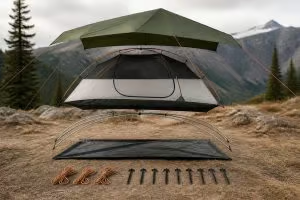
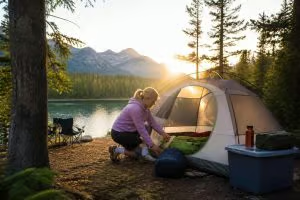
When you're planning an outdoor adventure, the right shelter makes all the difference between a memorable experience and an uncomfortable ordeal. Outdoor tents have evolved significantly over the years, incorporating advanced materials, innovative designs, and enhanced durability to meet the diverse needs of campers, event organizers, and outdoor enthusiasts. Whether you're setting up for a weekend camping trip in the bush, hosting an outdoor event, or establishing semi-permanent accommodation for safari operations, understanding the nuances of tent selection ensures you invest in a shelter that performs reliably in South African conditions.
The world of outdoor tents encompasses a remarkable variety of designs, each engineered for specific applications and environments. Dome tents remain popular for recreational camping due to their structural stability and efficient use of space. These freestanding structures use flexible poles that cross at the top, creating a dome shape that sheds wind and rain effectively.
Safari lodge tents represent the premium end of outdoor accommodation, offering spacious interiors with room dividers for extended stays. These larger structures typically feature heavy-duty canvas construction and can accommodate furniture, making them ideal for glamping operations or semi-permanent camps.
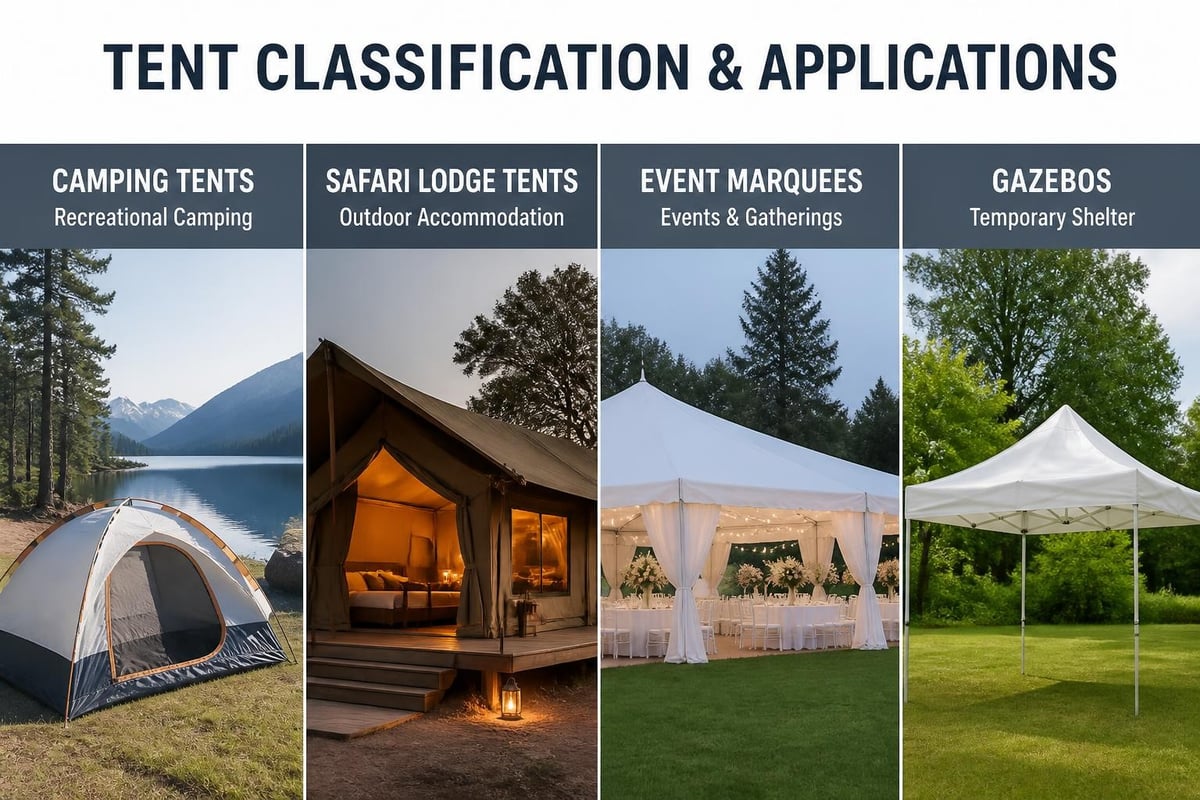
Event marquees and PVC tents serve commercial and social functions, providing weather protection for gatherings ranging from small family celebrations to large corporate functions. These structures prioritize quick setup, weather resistance, and the ability to accommodate groups comfortably.
For weekend adventurers and backpackers, lightweight camping tents balance portability with protection. Modern designs incorporate ripstop fabrics that resist tearing while keeping overall weight manageable for hiking and transport.
The right recreational tent depends on your specific needs, group size, and the environments you'll encounter during your adventures.
Commercial outdoor tents must meet higher standards for durability, capacity, and safety compliance. Event organizers require structures that perform reliably across multiple setups while maintaining professional appearance and functionality.
| Tent Type | Typical Size Range | Primary Use | Key Features |
|---|---|---|---|
| Frame Marquees | 3m x 3m to 10m x 20m | Events, markets, exhibitions | Modular, expandable, professional |
| Pole Tents | 6m x 6m to 15m x 30m | Weddings, festivals | Center poles, elegant appearance |
| Clear Span | 10m x 10m to 40m x 60m | Large events, conferences | No internal poles, maximum space |
| Gazebos | 3m x 3m to 6m x 6m | Markets, small gatherings | Portable, quick setup |
According to OutdoorGearLab’s comprehensive canopy tent reviews, selecting the right commercial structure requires evaluating frame strength, fabric quality, and ease of assembly.
The fabric and frame materials used in outdoor tents directly impact their performance, longevity, and suitability for different conditions. Understanding these materials helps you make informed purchasing decisions that align with your specific requirements.
Canvas remains a preferred material for outdoor tents in Africa due to its breathability, durability, and natural weather resistance. Quality canvas fabric allows moisture vapor to escape while blocking liquid water, creating a comfortable interior environment without excessive condensation.
Advantages of canvas tents:
Canvas weight is measured in grams per square meter (GSM), with heavier fabrics offering increased durability. Safari and semi-permanent installations typically use 300 GSM or higher ripstop canvas for optimal performance.
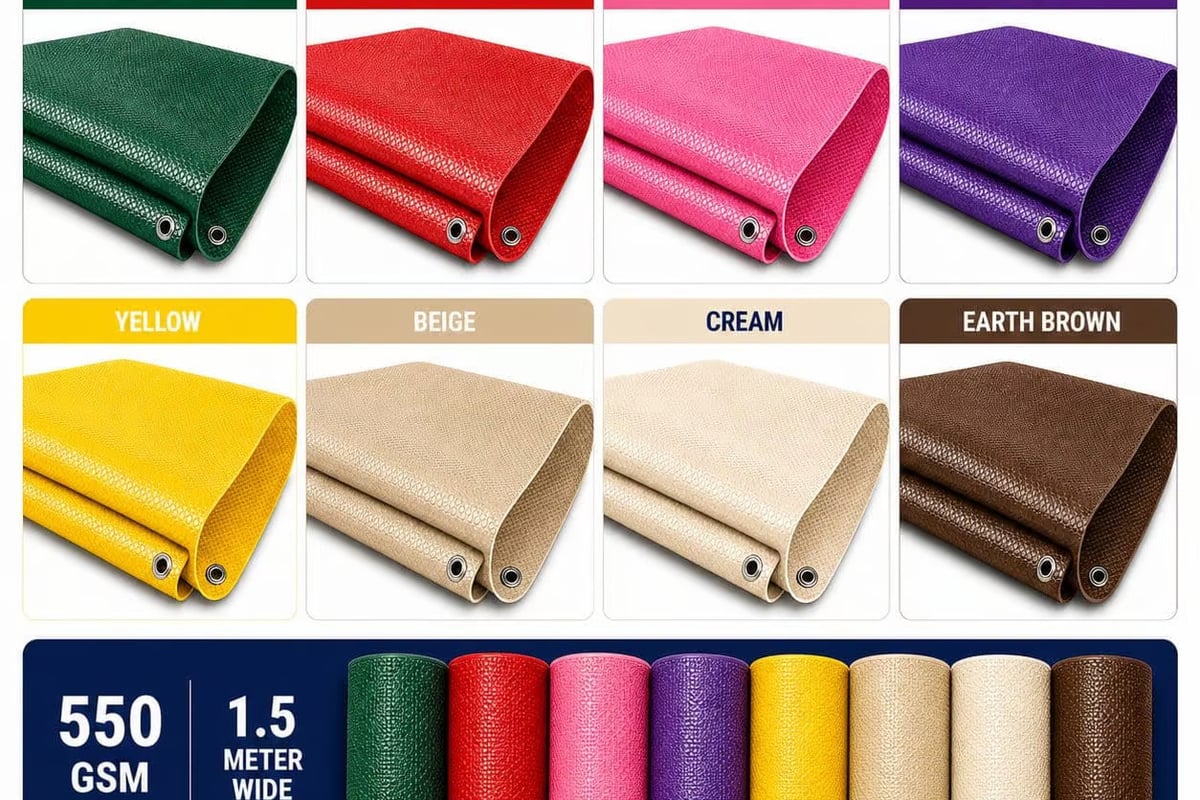
PVC-coated fabrics provide completely waterproof protection and require minimal maintenance compared to canvas. These synthetic materials excel in applications where absolute water resistance is paramount and ventilation is less critical. When selecting outdoor tents for event use, PVC offers reliable protection against sudden weather changes.
The PVC Fabric 550 GSM 1.5 Meter Wide Waterproof Ejenti provides the heavy-duty waterproof performance needed for commercial applications while maintaining flexibility for proper tent construction and setup.
Polyester and nylon fabrics serve the lightweight camping market, offering excellent strength-to-weight ratios with waterproof coatings or laminations. These materials pack small and dry quickly, making them ideal for backpacking and mobile camping.
When assessing outdoor tents for purchase or rental, several key features determine real-world performance and user satisfaction. These elements separate reliable shelters from those that disappoint in challenging conditions.
South African weather can shift dramatically, making robust weather protection essential. Quality outdoor tents incorporate multiple layers of defense against rain, wind, and sun exposure.
Waterproofing systems include:
The National Park Service fire and life safety requirements outline essential standards for outdoor tents used in public spaces, emphasizing proper water drainage and structural stability.
Proper airflow prevents condensation buildup that creates damp, uncomfortable interiors. Well-designed outdoor tents incorporate strategic ventilation without compromising weather protection.
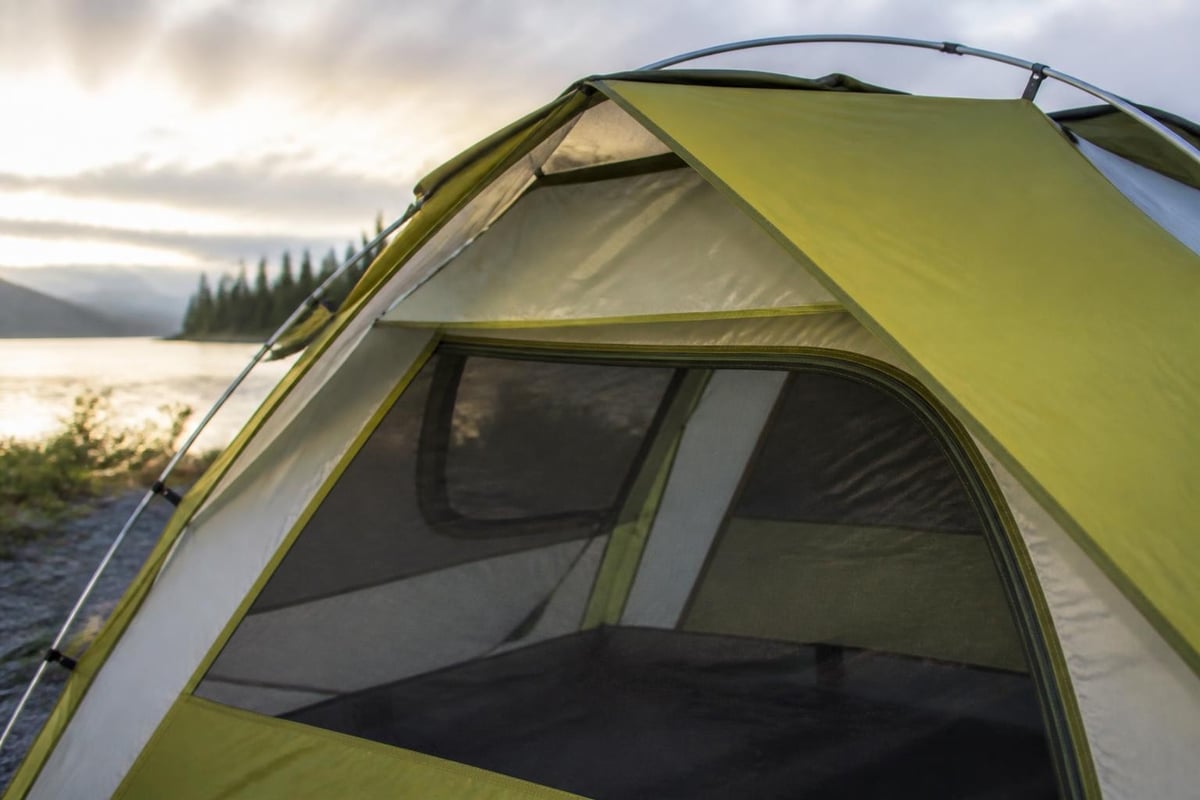
Mesh panels, adjustable vents, and breathable fabrics work together to maintain air circulation. Double-wall construction separates the breathable inner tent from the waterproof fly, creating an air gap that reduces condensation on inner surfaces.
The ease and speed of tent setup significantly impacts user experience, particularly for event applications or frequent camping trips. Modern outdoor tents range from complex structures requiring professional installation to simple designs anyone can pitch in minutes.
The frame provides structural support and determines how well outdoor tents resist wind and maintain shape under load. Common frame materials include fiberglass for lightweight applications, aluminum for balanced strength and weight, and galvanized steel for heavy-duty permanent or semi-permanent installations.
| Frame Material | Weight | Strength | Durability | Best Use |
|---|---|---|---|---|
| Fiberglass | Light | Moderate | Good | Recreational camping |
| Aluminum | Moderate | High | Excellent | Quality camping, small events |
| Steel | Heavy | Very High | Excellent | Commercial, semi-permanent |
According to Rainier Tent’s expert guide, proper frame assembly and tensioning are critical for maximizing the lifespan and performance of outdoor tents.
Secure anchoring prevents outdoor tents from shifting or collapsing during wind events. The anchoring method depends on ground type, tent size, and expected weather conditions.
South African conditions often include hard, rocky ground or loose sand, requiring adaptive anchoring strategies. Carrying multiple anchor types ensures you can secure outdoor tents regardless of terrain.
Choosing the correct size outdoor tents prevents overcrowding while avoiding excessive cost and setup complexity. Manufacturer capacity ratings typically assume minimal gear storage and cozy sleeping arrangements.
For comfortable camping, add one to two people to the stated capacity. A four-person tent comfortably accommodates two adults with gear or three adults with minimal equipment. Consider ceiling height for extended stays, as standing room significantly improves livability during multi-day trips.
Space planning factors:
Event outdoor tents require careful capacity calculations based on seating arrangements, table configurations, and additional equipment like catering stations or bars. As detailed in Montana State University’s tent safety guidelines, proper spacing ensures both comfort and safety compliance.
For standing receptions, calculate 0.5 to 0.7 square meters per person. Seated dinners require 1.0 to 1.2 square meters per person including table space. Always add buffer area for circulation, service, and emergency egress.
Proper care extends the service life of outdoor tents significantly, protecting your investment and ensuring reliable performance over many seasons. Different materials require specific maintenance approaches.
Canvas outdoor tents need regular cleaning and periodic waterproofing treatments to maintain their protective qualities. After each use, dry the tent completely before storage to prevent mildew and rot.
Small tears in canvas can be field-repaired with canvas patches and adhesive, making these outdoor tents highly serviceable even in remote locations. For outdoor enthusiasts who frequently camp in rugged terrain, this repairability provides significant peace of mind.
PVC and coated synthetic outdoor tents require less frequent treatment but still benefit from proper cleaning and storage protocols. UV exposure degrades synthetic materials over time, so minimize prolonged sun exposure when the tent is not in use.
Clean PVC fabrics with water and mild detergent, avoiding harsh chemicals that can damage protective coatings. Inspect seams and stress points regularly for wear, addressing issues before they become major failures.
For commercial applications and public events, outdoor tents must meet specific safety standards addressing fire resistance, structural integrity, and emergency egress. Understanding these requirements prevents legal issues and protects attendees.
The UC San Diego fire safety guidelines outline permitting requirements that apply to many institutional and commercial tent installations. Even private events may require permits and inspections depending on size and location.
Key safety considerations:
Many quality outdoor tents come with fire-retardant certifications, but these treatments degrade over time and may require renewal. Verify current certification status before using tents for public events.
The outdoor tent industry continues evolving, introducing new designs and technologies that address specific user needs and emerging market segments.
The glamping sector has driven innovation in semi-permanent outdoor tents that combine canvas durability with resort-like amenities. These structures often include solid floors, electrical systems, and en-suite bathroom facilities while maintaining the outdoor connection guests seek.
Walden’s 2025 Outdoor Accommodations Buying Guide catalogs over 750 tent products specifically designed for commercial outdoor hospitality, providing valuable comparison data for operators developing glamping facilities.
For those seeking quality tents for sale in South Africa, understanding the specific requirements of glamping versus traditional camping helps narrow options to products that truly fit your operational model.
Modern outdoor tents increasingly incorporate modular elements that adapt to changing conditions. Removable fly sheets, adjustable ventilation panels, and convertible layouts allow a single tent to serve multiple purposes across different seasons.
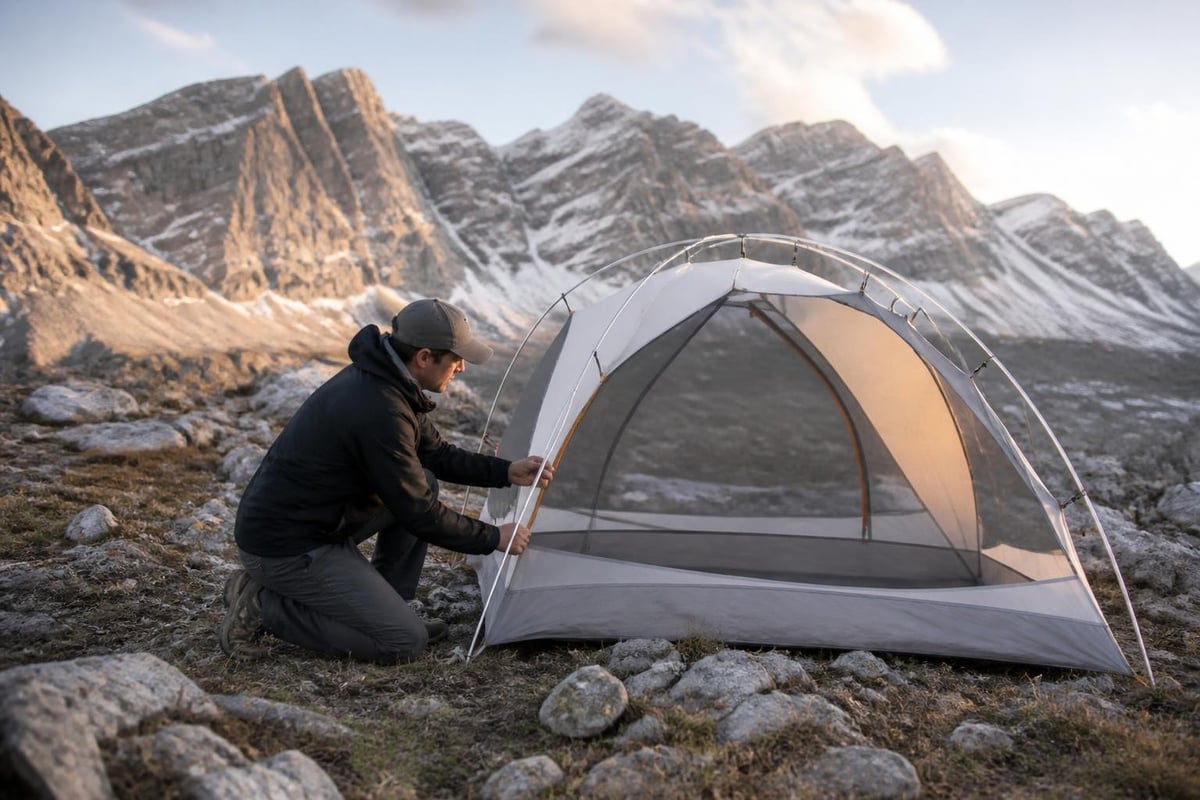
Four-season outdoor tents designed for winter camping feature reinforced poles, minimal mesh, and aerodynamic shapes that shed snow effectively. These specialized designs maintain stability in harsh conditions while providing livable interior environments.
South African outdoor conditions present unique challenges that influence tent selection. The diverse climate zones, from coastal humidity to interior arid regions, require different tent characteristics for optimal performance.
Coastal areas demand superior moisture resistance and corrosion-resistant hardware due to salt air exposure. Interior highveld regions experience intense UV radiation and dramatic temperature swings between day and night, requiring fabrics with excellent UV stability and insulating properties.
Regional selection priorities:
When searching for a reliable camping tent near me in South Africa, prioritize suppliers who understand local conditions and stock outdoor tents designed for African environments rather than European or North American standards.
African camping often involves proximity to wildlife, requiring outdoor tents with robust construction and secure closures. Heavy-duty zippers, reinforced stress points, and solid groundsheets prevent unwanted animal encounters during the night.
Some campers in wilderness areas appreciate the psychological comfort of canvas outdoor tents, which provide visual and sound barriers superior to thin synthetic fabrics. While no tent offers complete protection against determined large animals, quality construction and proper camp management significantly reduce risk.
For outdoor enthusiasts venturing into remote areas, companies like RCS Outdoors provide complementary equipment for wilderness camping, ensuring you're properly prepared for all aspects of backcountry adventures.
With hundreds of outdoor tents available across various price points and quality levels, systematic evaluation helps identify the best option for your specific needs and budget.
Entry-level outdoor tents start around R500 for basic recreational models, while premium safari lodge tents can exceed R50,000 for fully equipped structures. The appropriate investment depends on intended use frequency, expected lifespan, and performance requirements.
Investment considerations:
Calculate total cost of ownership including maintenance, repairs, and replacement timeline rather than focusing solely on purchase price. A premium tent lasting ten years often costs less per season than replacing budget models every two years.
Reputable manufacturers stand behind their outdoor tents with meaningful warranties and responsive customer service. Look for companies that specify what's covered, warranty duration, and how claims are processed.
Quality South African manufacturers like those at Ejenti Outdoor understand local conditions and provide products specifically designed for African use, along with accessible local support for warranty issues and technical questions.
Whenever possible, inspect outdoor tents in person before purchasing. Set up the display model to assess ease of assembly, check fabric quality and stitching, test zippers and closures, and evaluate interior space realistically with your group size in mind.
For significant investments like safari lodge tents or commercial marquees, requesting samples or visiting existing installations provides valuable insights into real-world performance and aging characteristics.
Outdoor tents function as part of a complete shelter system that includes various accessories enhancing comfort, durability, and functionality.
Additional equipment like lighting systems, ventilation fans, and interior organizers transform basic outdoor tents into comfortable living spaces for extended stays.
For event applications, sidewalls, flooring systems, lighting packages, and climate control equipment integrate with base tent structures to create complete functional spaces. These components should match tent specifications and mounting systems for proper compatibility.
Quality hardware components ensure reliable performance across multiple setups. Heavy-duty stakes, reinforced guy lines, and durable connection points withstand the repeated assembly and disassembly inherent in event operations.
Selecting the right outdoor tents requires balancing multiple factors including intended use, environmental conditions, budget constraints, and long-term performance expectations. By understanding material properties, construction quality, and appropriate sizing, you can invest confidently in shelters that serve reliably for years to come. Whether you need a lightweight backpacking tent for weekend adventures or a robust safari lodge tent for commercial operations, Ejenti Outdoor offers quality outdoor solutions designed specifically for South African conditions, backed by local expertise and comprehensive support to ensure your outdoor shelter needs are met with products built to perform.