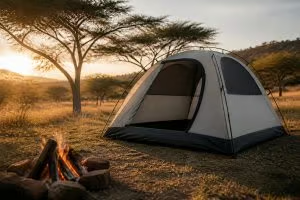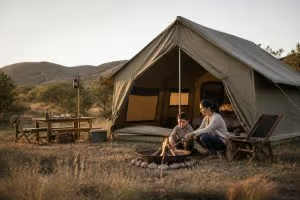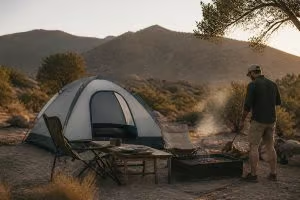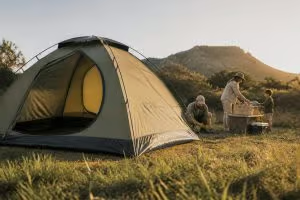

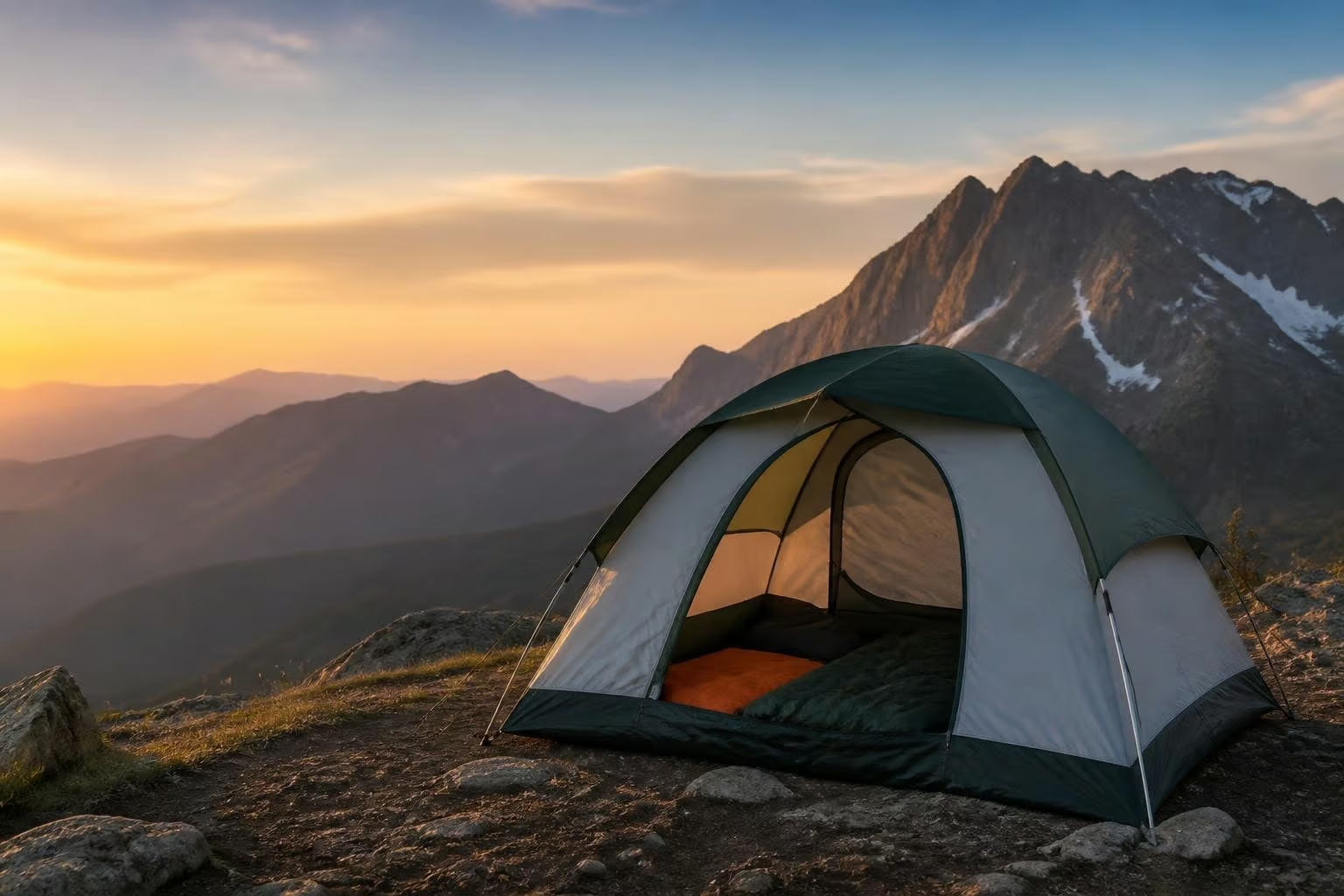
Choosing the right camping tent camping tent setup transforms your outdoor experience from challenging to comfortable. Whether you're planning a weekend getaway in the Drakensberg, a coastal escape along the Garden Route, or an extended safari adventure, understanding the nuances of tent selection, setup, and maintenance ensures every trip becomes a memorable success. This comprehensive guide explores everything you need to know about camping tent camping tent considerations in 2026, from material selection to seasonal adaptability, helping you make informed decisions for your outdoor pursuits.
The camping tent market has evolved significantly, offering specialized designs for every outdoor scenario. Understanding these variations helps you match your shelter to your specific needs.
Family camping tents prioritize space and comfort, typically featuring multiple rooms, standing height, and generous floor plans. These larger structures accommodate groups comfortably but sacrifice portability. A comprehensive beginner’s guide to selecting family camping tents explains the differences between pop-up, instant cabin, and dome configurations.
Backpacking tents take the opposite approach. Weight becomes paramount when every gram matters on the trail. Modern ultralight designs weigh under two kilograms while still providing reliable weather protection.
Key differences include:
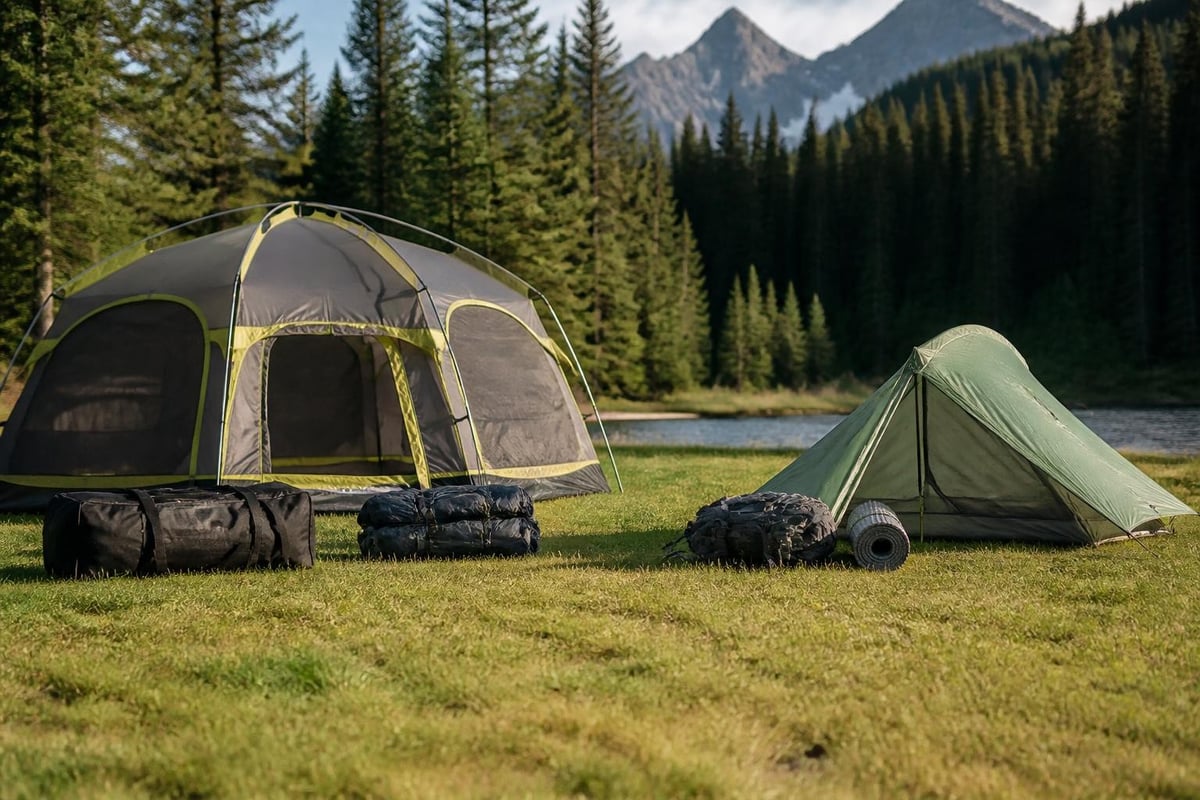
Seasonal classifications determine when and where you can safely use your camping tent camping tent configuration. Three-season tents dominate the market, designed for spring through autumn use. They balance ventilation with weather protection, featuring mesh panels for airflow and rainflies for precipitation.
Four-season tents withstand winter conditions. Stronger poles, minimal mesh, and robust fabrics handle snow loads and fierce winds. South African mountain camping in the Maluti or Drakensberg ranges during winter demands four-season construction.
| Season Rating | Temperature Range | Typical Use | Design Features |
|---|---|---|---|
| 2-Season | Above 10°C | Summer only | Maximum ventilation, minimal coverage |
| 3-Season | -5°C to 25°C | Spring/Summer/Autumn | Balanced ventilation and protection |
| 4-Season | Below -10°C | Winter/Alpine | Minimal mesh, reinforced poles, full coverage |
| Extended Season | -15°C to 30°C | Year-round versatility | Convertible ventilation, robust construction |
The camping tent camping tent material choice dramatically impacts performance, longevity, and comfort. Each fabric type offers distinct advantages for specific conditions.
Canvas tents provide exceptional breathability and durability. The natural fibers regulate temperature effectively, staying cooler in summer heat and warmer during cold nights. Canvas develops natural water resistance as fibers swell when wet, though quality treatments enhance this property.
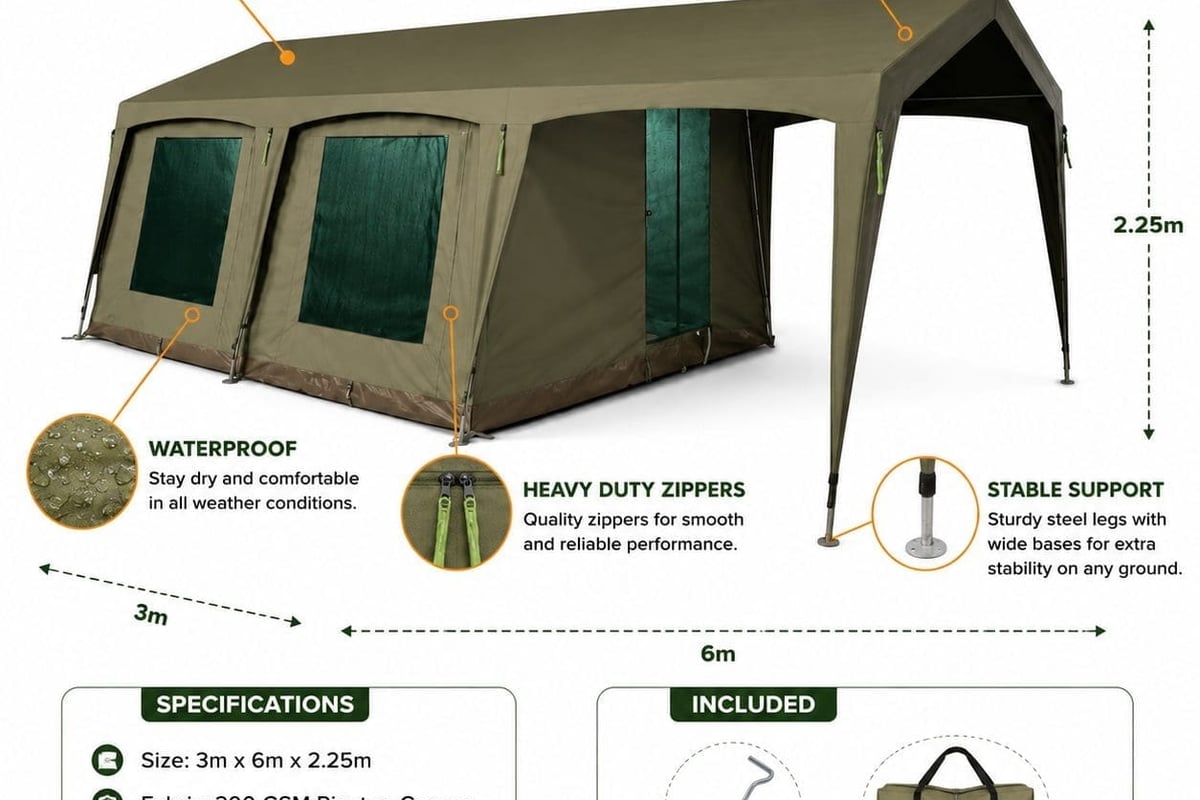
Ripstop canvas combines traditional benefits with modern engineering. The reinforced weave pattern prevents tears from spreading, crucial for long-term reliability in demanding environments. Ejenti Outdoor manufactures premium safari lodge tents using 300 GSM ripstop canvas specifically engineered for South African conditions.
For extended stays requiring separate sleeping and living areas, the 3m x 6m Safari Lodge Tent Two Room Waterproof Canvas Tent South Africa delivers practical layouts with superior weather protection through its ripstop canvas construction.
Synthetic materials like polyester and nylon offer lighter weight options. Modern treatments provide excellent waterproofing through polyurethane or silicone coatings. These fabrics pack smaller and dry faster than canvas but may not breathe as effectively.
Fabric comparison considerations:
Floor durability determines how well your camping tent camping tent withstands ground moisture, abrasion, and punctures. Bathtub-style floors extend several inches up the walls, creating a waterproof basin that keeps interior spaces dry even during heavy rainfall.
Denier ratings measure fabric thread thickness. Higher denier floors (150D-210D) resist punctures from rocks and roots better than walls (typically 70D-100D). Many campers add separate footprints beneath their tents, protecting factory floors and extending tent lifespan significantly.
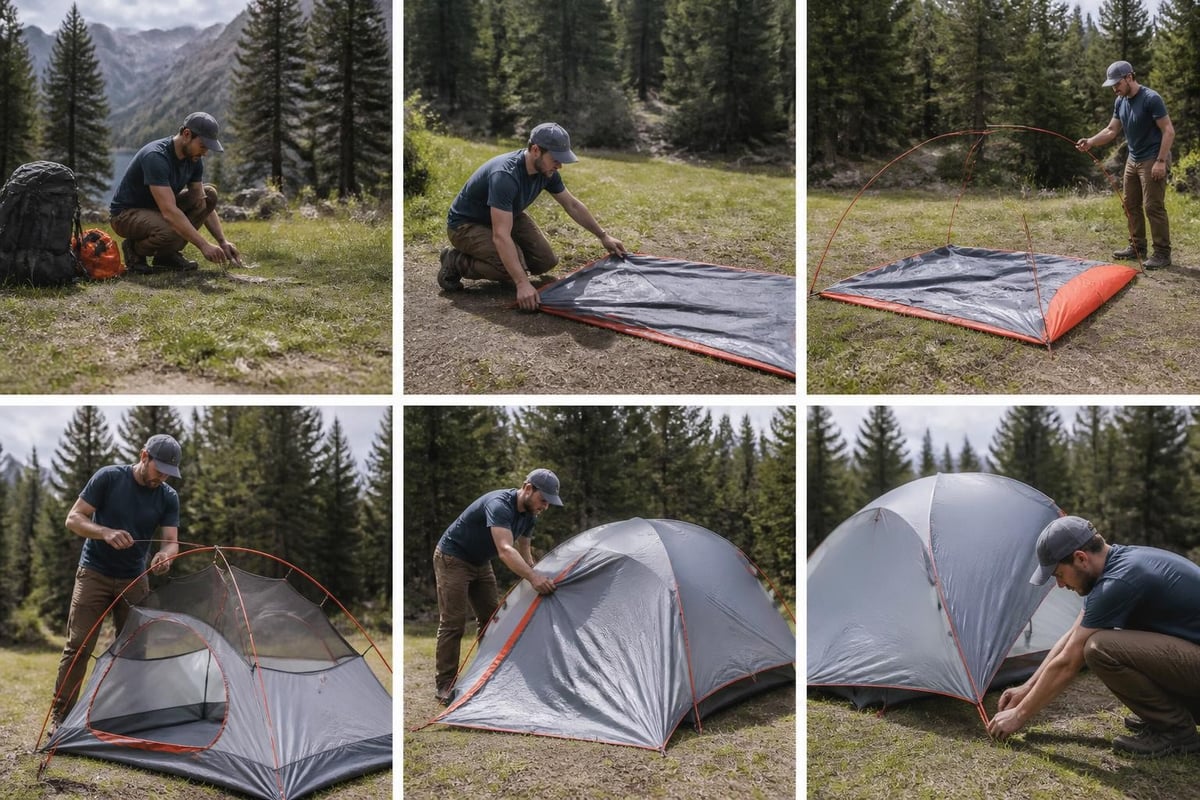
Even the finest camping tent camping tent fails if improperly erected. Setup proficiency impacts weather resistance, structural integrity, and overall comfort.
Location determines success before you unpack. Avoid valley bottoms where cold air settles and water accumulates. Slight elevation provides drainage while avoiding exposed ridges where wind intensifies.
Clear the footprint thoroughly. Remove rocks, sticks, and pinecones that create uncomfortable pressure points and potential punctures. A smooth surface prevents premature wear on floor materials.
Site selection checklist:
Proper staking creates structural stability that handles wind stress effectively. Stake angles matter tremendously. Position stakes at 45-degree angles away from the tent, maximizing holding power in various soil conditions.
Understanding camping safety fundamentals includes proper tent securing techniques that prevent weather-related failures. Guy lines maintain rainfly tension, preventing fabric contact with the tent body that transfers moisture inside.
Adjust guy lines systematically, working around the tent in sequence rather than tensioning one side completely before addressing others. This balanced approach prevents structural stress concentrations.
Manufacturer capacity ratings often prove optimistic. A "4-person" tent comfortably sleeps three adults with gear. Understanding actual versus rated capacity prevents cramped, uncomfortable nights.
Tent sizing considerations help determine when upgrading size makes sense versus choosing ultralight options. Calculate 60-75 cm width per person for sleeping comfort. Add space for gear storage, especially during inclement weather when everything moves inside.
Sleeping bag type influences space requirements. Mummy bags minimize width, while rectangular designs demand more room. Consider vestibule space for boot storage and pack protection without sacrificing interior room.
| Rated Capacity | Comfortable Adults | Floor Space (approx) | Ideal Use |
|---|---|---|---|
| 2-Person | 1 adult + gear | 3-4 m² | Solo backpacking, ultralight couples |
| 3-Person | 2 adults + gear | 5-6 m² | Couples with equipment, friends |
| 4-Person | 3 adults + gear | 7-8 m² | Small families, comfortable couples |
| 6-Person | 4-5 adults + gear | 10-12 m² | Families, group camping |
Modern camping tent camping tent designs incorporate numerous organizational features. Mesh pockets hold headlamps, phones, and small essentials within easy reach. Gear lofts create overhead storage for clothing and equipment, maximizing usable floor space.
Divide larger tents into zones. Designate sleeping areas, gear storage sections, and changing spaces. This organization prevents midnight stumbling over scattered equipment and maintains order throughout extended trips.
Proper maintenance extends your camping tent camping tent investment for years. Regular cleaning, careful storage, and timely repairs prevent premature deterioration.
Clean tents after every trip, even if they appear spotless. Set up the tent completely, allowing thorough inspection and drying. Brush away loose dirt with a soft brush before washing.
Use mild soap specifically formulated for technical fabrics. Household detergents strip waterproof coatings and damage fabric treatments. Spot-clean stubborn stains rather than submerging entire tents when possible.
Cleaning process:
Never store camping tent camping tent setups while damp. Mold and mildew develop rapidly, creating odors and degrading fabrics permanently. If you must pack wet, unpack and dry within 24 hours.
Avoid compression for long-term storage. Stuff sacks work brilliantly for transport but create stress points during extended storage. Instead, loosely fold or hang tents in cool, dry locations away from direct sunlight.
Inspect stored tents quarterly. Check for rodent damage, moisture accumulation, and zipper function. Address issues immediately rather than discovering problems the night before your next adventure.
Today's camping tent camping tent technology incorporates innovations that enhance comfort, convenience, and performance beyond traditional designs.
Modern engineering simplifies setup dramatically. Color-coded poles eliminate confusion during assembly. Pre-attached guy lines prevent frustration searching for attachment points in failing light.
Easy-pitch tent recommendations highlight designs that reduce setup time significantly, perfect for after-dark arrivals or adverse weather conditions.
Some systems integrate poles with tent bodies. Hub designs connect multiple poles at central points, creating structure that virtually self-erects once staked. Instant tents take this further, with pre-attached poles that unfold completely in under 60 seconds.
Condensation plagues poorly ventilated tents. Breathing, cooking, and wet gear generate moisture that condenses on cooler tent walls, dripping onto sleeping bags and equipment.
Strategic vent placement creates airflow that carries moisture outside. Low vents allow cool air entry while high vents release warm, moisture-laden air. This convection cycle maintains drier interiors even during humid conditions.
Ventilation features to prioritize:
The camping tent camping tent weight appropriate for your adventures depends entirely on transportation method and mobility requirements.
Backpackers carry everything, making every gram significant. Total pack weight ideally remains under 20% of body weight for comfortable hiking. Tents represent one of the "big three" weight contributors alongside backpacks and sleeping systems.
Ultralight tents sacrifice some durability and space for dramatic weight reduction. Single-wall designs eliminate separate rainflies, combining weather protection and structure in one layer. Advanced ultralight options like the Big Agnes Tiger Wall 2 Platinum demonstrate how modern materials achieve sub-kilogram shelter weights.
Consider shared weight for multi-person trips. Dividing tent components between hikers reduces individual burden while maintaining group shelter quality.
Vehicle accessibility transforms camping tent camping tent priorities completely. Weight becomes irrelevant when you park steps from your campsite. Prioritize space, comfort, and features instead.
Larger family tents with multiple rooms, standing height, and substantial vestibules create base camp luxury. Some designs incorporate electrical cord ports, interior lighting systems, and built-in storage solutions that would be absurd for backpacking but perfect for drive-up sites.
| Camping Style | Ideal Tent Weight | Priority Features | Typical Capacity |
|---|---|---|---|
| Ultralight Solo | 0.5-1 kg | Minimal weight, adequate weather protection | 1 person |
| Backpacking Duo | 1.5-2.5 kg | Shared weight, livable space | 2 people |
| Car Camping Family | 10-25 kg | Comfort, space, features | 4-8 people |
| Motorcycle Adventure | 2-4 kg | Compact pack size, reasonable weight | 1-2 people |
South African conditions vary dramatically from coastal humidity to interior heat and mountain cold. Your camping tent camping tent must match expected conditions.
Ventilation becomes critical during summer camping. Maximum mesh panels promote airflow while rainfly coverage prevents direct sun exposure that turns tents into ovens.
Light-colored fabrics reflect solar radiation better than dark materials. White or tan tents stay significantly cooler than dark blue or green alternatives during midday heat.
Position tents to maximize shade throughout the day. Morning eastern shade gives way to afternoon western protection. Natural windbreaks also provide sun screening during peak intensity hours.
Winter camping demands completely different priorities. Minimize mesh to retain heat. Four-season designs with full-coverage rainflies and vestibules for gear storage prevent frozen equipment.
Waterproof ratings indicate fabric resistance to water pressure, measured in millimeters. Quality camping tent camping tent rainflies rate 1500mm minimum, with premium options reaching 3000mm or higher. Floors should exceed rainfly ratings since they contact wet ground directly.
Seam sealing prevents water entry through stitching holes. Factory sealing varies in quality. Inspect seams carefully and apply additional sealant as needed, especially before wet-weather trips.
Different regions present unique challenges requiring specific camping tent camping tent characteristics.
Salt air accelerates corrosion on metal components. Marine-grade zippers and aluminum poles resist degradation better than standard materials. Rinse tents thoroughly after beach camping, removing salt deposits that attract moisture.
Wind intensity along the coast demands robust staking and guy line systems. Sand stakes with larger surface areas hold better than standard stakes designed for soil.
Altitude brings temperature extremes and unpredictable weather. Four-season capability ensures readiness for sudden storms even during summer months. The outdoor equipment specialists at Mantis understand how demanding conditions require quality gear that performs reliably when conditions deteriorate.
Strong poles handle wind loads better than minimal backpacking designs. Geodesic dome configurations distribute stress evenly, maintaining structure during severe weather that flattens lesser designs.
Free-standing tents work better on rocky terrain where staking proves difficult or impossible. Guy out to rocks using cord and carabiners when ground anchoring isn't feasible.
Strategic accessories transform basic camping tent camping tent setups into comprehensive shelter systems.
Custom footprints protect expensive tent floors while adding minimal weight and bulk. Cut them slightly smaller than tent dimensions preventing water collection between layers during rain.
Generic tarps work effectively as budget alternatives. Choose sizes matching your tent footprint and ensure grommets allow secure anchoring that prevents wind displacement.
Overhead gear lofts utilize unused vertical space brilliantly. Mesh designs maintain visibility while storing clothing, headlamps, and equipment off damp floors.
Interior clotheslines strung between attachment points create drying space for wet socks, towels, and rain gear. This simple addition dramatically improves comfort during multi-day trips with variable weather.
Recommended accessories:
Understanding basic camping tent camping tent repairs prevents minor issues from ending trips prematurely.
Carry comprehensive repair kits including fabric patches, pole splints, duct tape, and seam sealer. Pole breaks occur most frequently, especially at shock cord connection points.
Splint broken poles using tent stakes or sticks alongside the break. Wrap tightly with duct tape, creating temporary rigidity that holds through the night. Replace damaged sections properly once home.
Fabric tears spread rapidly without intervention. Apply patches immediately, extending beyond damage on all sides. Adhesive patches work for temporary fixes, while sewn repairs provide permanent solutions.
Zipper failures frustrate campers universally. Most issues stem from dirt accumulation or misalignment rather than mechanical failure. Clean zippers regularly using soft brushes and mild soap.
Lubricate zippers with silicone spray or zipper-specific products. Avoid petroleum-based lubricants that attract dirt and degrade plastics over time. Test zippers thoroughly before trips, addressing sticky sections proactively.
Selecting and maintaining the right camping tent camping tent setup ensures comfortable, safe outdoor experiences across South Africa's diverse landscapes and conditions. Understanding material properties, seasonal requirements, and proper setup techniques transforms adequate shelter into reliable performance that enhances every adventure. Whether you're planning weekend escapes or extended expeditions, Ejenti Outdoor provides expertly engineered tents, gazebos, and outdoor solutions designed specifically for South African conditions, helping you focus on the experience rather than worrying about your equipment.