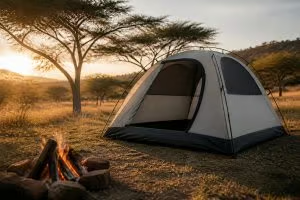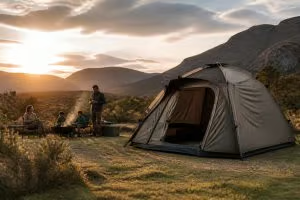

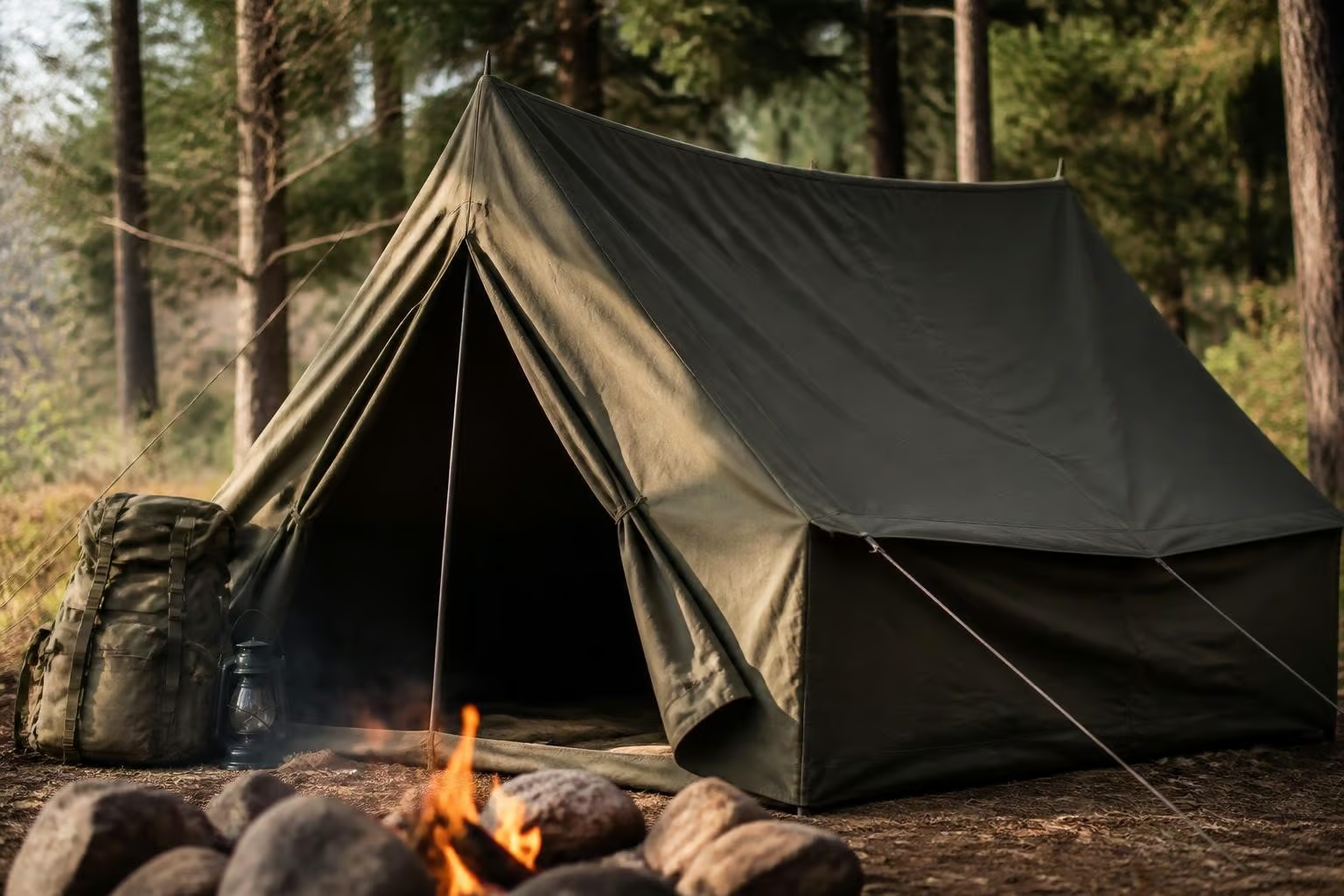
When planning extended camping trips or adventures in challenging environments, ordinary tents simply won't deliver the protection and longevity you need. Heavy duty canvas tents for camping have become the preferred choice for serious outdoor enthusiasts who demand reliability, breathability, and exceptional durability. These robust shelters represent a significant investment in your outdoor comfort, combining traditional materials with modern engineering to create camping solutions that can withstand years of intensive use across diverse climates and conditions.
The foundation of any quality canvas tent begins with the fabric itself. Heavy duty canvas tents for camping typically utilize cotton canvas or polycotton blends, with weights ranging from 10 ounces per square yard up to 18 ounces or more for extreme-duty applications.
Canvas weight directly correlates with durability and weather resistance. A 12-ounce canvas provides excellent balance between weight and protection for most camping scenarios, while 15-ounce or heavier materials suit semi-permanent installations or harsh environments.
Thread count matters just as much as weight. Higher thread counts create tighter weaves that improve:
The weave pattern itself influences performance. Ripstop canvas incorporates reinforcement threads at regular intervals, creating a grid pattern that prevents tears from spreading. This construction method significantly extends tent lifespan, particularly in rugged African bush conditions where thorns and sharp branches pose constant threats.
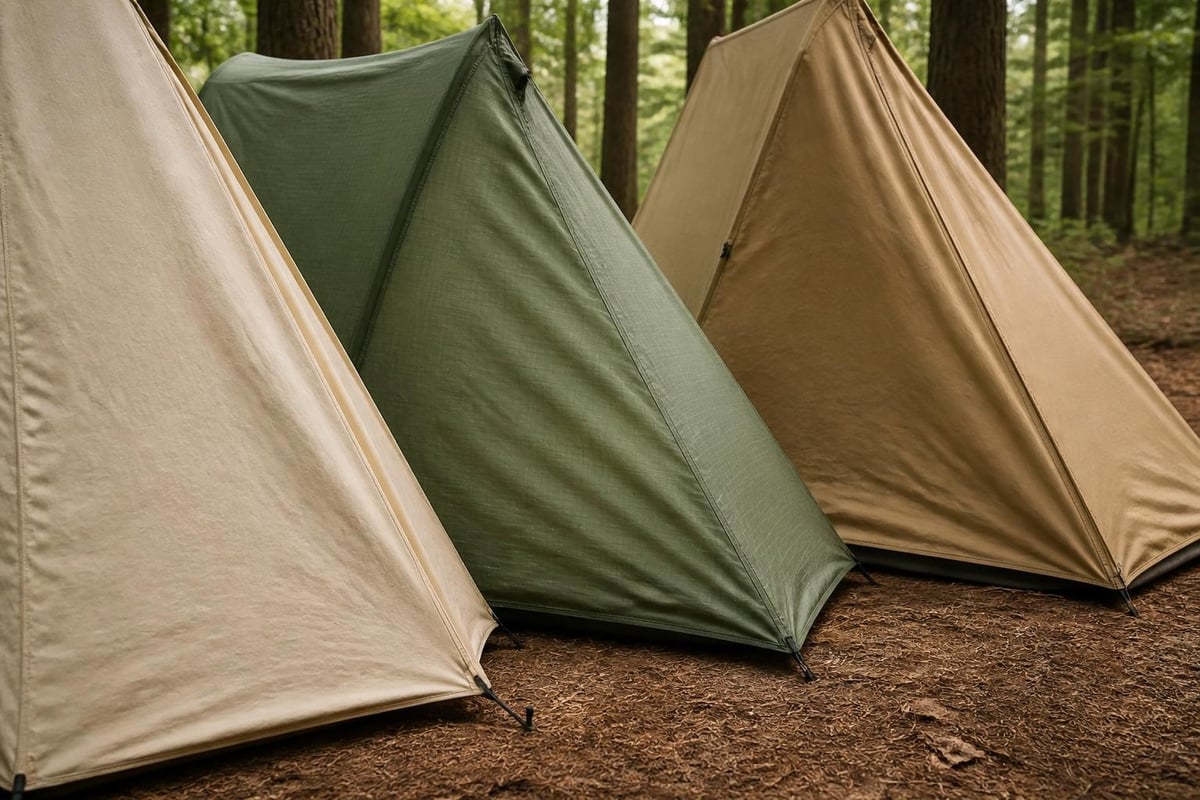
Raw canvas requires treatment to achieve optimal weather resistance. Modern heavy duty canvas tents for camping undergo multiple treatment processes:
| Treatment Type | Purpose | Durability | Maintenance Needs |
|---|---|---|---|
| Silicone Coating | Superior water resistance | 5-7 years | Low, occasional reapplication |
| Wax Treatment | Traditional waterproofing | 2-4 years | Moderate, annual retreatment |
| Acrylic Coating | UV and mildew protection | 3-5 years | Low to moderate |
| Triple-layer Treatment | Complete weather protection | 7-10 years | Very low |
Professional-grade treatments maintain breathability while preventing water penetration. This balance is crucial because canvas's natural breathability reduces condensation buildup that plagues synthetic tents during temperature fluctuations.
The frame system determines how well your canvas tent handles wind loads, supports the fabric weight, and maintains structural integrity over time. Heavy duty canvas tents for camping employ several frame designs, each with distinct advantages.
Ridge pole systems remain popular for their simplicity and effectiveness. These designs use a horizontal ridge pole supported by vertical end poles, with additional side poles creating the tent's profile. The system distributes weight evenly and allows for excellent headroom.
Flex-bow or spring-steel frames create dome-shaped structures that shed wind and precipitation naturally. Kodiak Canvas tents often utilize flex-bow designs that balance ease of setup with structural strength, making them ideal for family camping adventures.
A-frame designs provide maximum simplicity with two vertical poles creating a triangular cross-section. While offering less interior volume, these structures excel in high-wind conditions due to their aerodynamic profile.
Frame materials vary significantly in strength-to-weight ratios and corrosion resistance:
Pole diameter matters considerably. Minimum 25mm diameter tubing provides adequate strength for tents up to 3 meters, while larger shelters require 32mm or greater diameters to prevent flexing under load.
Beyond basic construction, specific features distinguish exceptional heavy duty canvas tents for camping from mediocre options. These elements directly impact comfort, convenience, and longevity.
Proper airflow prevents condensation while maintaining comfortable interior temperatures. Quality canvas tents incorporate multiple ventilation features:
Canvas tent ventilation design significantly impacts livability during extended stays, particularly in humid or variable weather conditions.
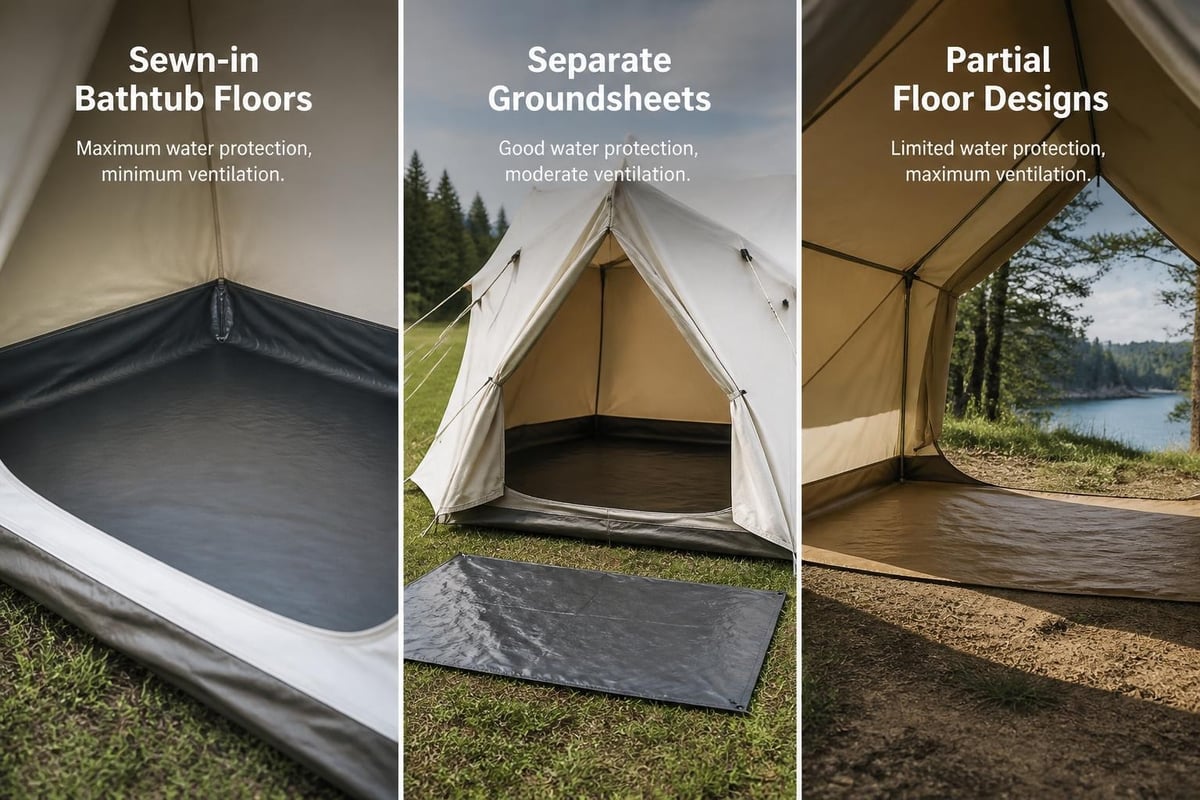
Floor construction varies based on intended use. Sewn-in floors using heavy-duty PVC or reinforced polyethylene provide complete protection from moisture and insects. Bathtub-style floors with raised edges prevent water intrusion during heavy rain.
Alternatively, separate ground sheets offer flexibility for different terrain types and simplify cleaning. This modular approach suits hunters and expedition campers who frequently set up in varied locations.
Entry systems affect both convenience and weather protection. Heavy duty canvas tents for camping typically feature:
Door placement influences interior layout and weather resistance. Positioning doors away from prevailing winds reduces drafts and precipitation entry during storms.
Proper setup maximizes tent lifespan while ensuring optimal performance. Heavy duty canvas tents for camping require more attention during installation than lightweight backpacking shelters, but the process becomes straightforward with practice.
Choose level ground whenever possible, clearing rocks, sticks, and sharp objects that could damage the floor. Slight elevation helps water drainage during storms.
Consider sun exposure and wind direction. Morning sun provides natural warmth and helps dry overnight condensation, while positioning the tent perpendicular to prevailing winds minimizes stress on structural components.
Follow manufacturer specifications precisely, as assembly order affects structural integrity:
Never force zippers or fasteners during setup. Canvas expands and contracts with temperature and humidity changes, so allow fabric to settle before final tensioning.
Proper anchoring prevents structural damage during wind events. Use stakes rated for your soil type:
| Soil Condition | Stake Type | Minimum Length | Angle |
|---|---|---|---|
| Soft/Sandy | Screw-style anchors | 300mm | 45-60° |
| Normal | Standard tent pegs | 250mm | 45° |
| Hard/Rocky | Rock pegs or deadman anchors | 200mm+ | 45° |
| Snow | Wide-footprint stakes | 300mm+ | 60° |
Guy lines should create 45-degree angles to the ground for optimal load distribution. Understanding proper guy line tensioning prevents fabric stress and maintains weather resistance throughout your stay.
Heavy duty canvas tents for camping excel across seasons when properly configured for prevailing conditions. Understanding how to optimize your shelter for different weather patterns ensures comfort and longevity.
Canvas naturally swells when wet, closing gaps in the weave to enhance waterproofing. However, several practices maximize rain protection:
Never touch interior walls during rainfall. Contact creates wicking points where water can penetrate. If condensation forms inside, increase ventilation rather than wiping surfaces.
Ensure proper pitch with the fly or rain cover positioned 100-150mm above the main canvas. This air gap prevents moisture transfer while allowing continued breathability.
Apply seam sealer to all stitched areas before your first trip and annually thereafter. Focus particularly on roof seams and stress points where needle holes create potential leak paths.
Canvas provides superior insulation compared to synthetic materials, making these tents excellent for cool-season camping. The material's thermal mass moderates temperature swings, keeping interiors warmer at night and cooler during day.
For winter camping, consider these enhancements:
When expecting snow, increase guy line tension and reduce roof pitch slightly to shed accumulation more effectively.
In South African summer conditions or desert environments, maximizing airflow becomes critical. Open all vents and windows, using mesh panels to maintain insect protection while promoting circulation.
Light-colored canvas reflects solar radiation more effectively than dark materials, reducing interior temperatures by 5-10°C. Position the tent to capture prevailing breezes while avoiding all-day sun exposure when possible.
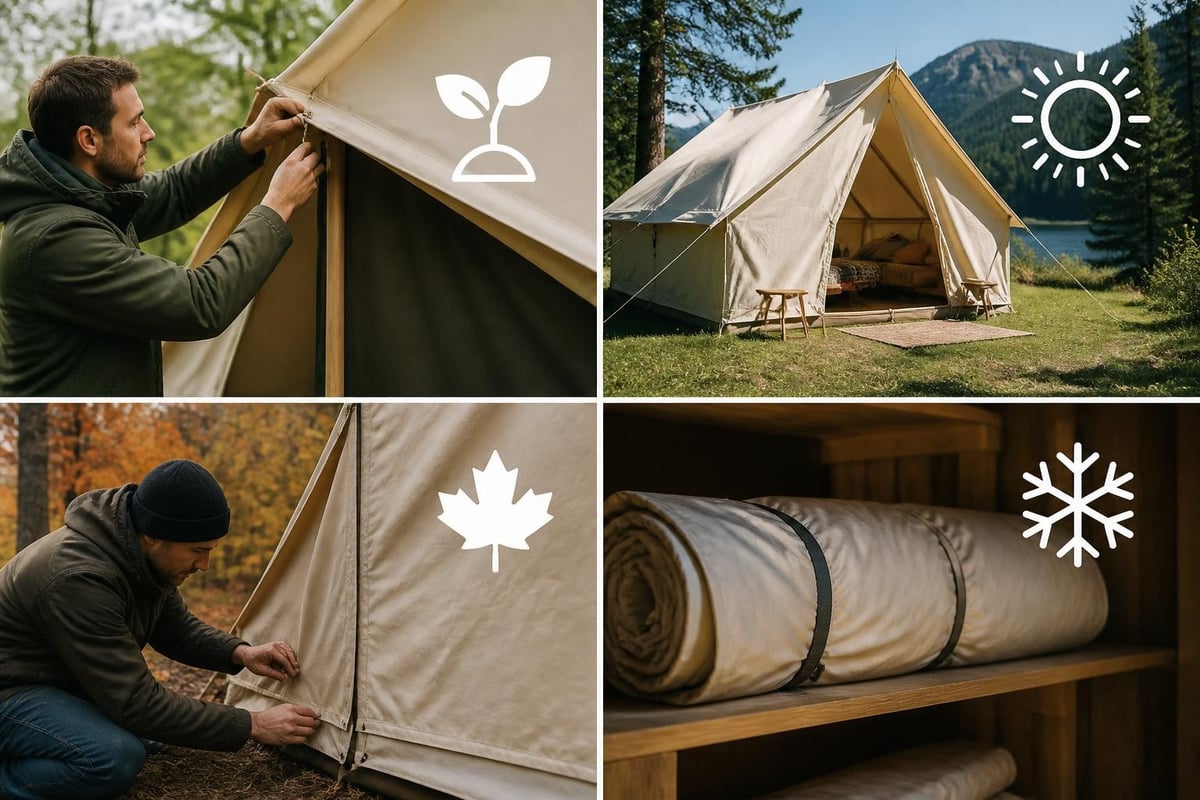
Proper maintenance determines whether your canvas tent lasts five years or twenty-five. Heavy duty canvas tents for camping reward consistent care with exceptional durability and performance.
Never pack a wet tent for extended periods. Moisture promotes mildew growth that permanently damages canvas fibers and creates unpleasant odors. If you must pack wet, fully dry the tent within 48 hours.
For cleaning:
Avoid harsh detergents, bleach, or pressure washers, as these damage waterproofing treatments and weaken fabric fibers. Regular maintenance extends canvas tent lifespan significantly when performed correctly.
Small tears and holes are inevitable with extended use. Address damage promptly to prevent expansion:
For tears under 50mm: Apply canvas repair tape to both sides, ensuring clean, dry surfaces. Heavy-duty repair tape specifically designed for canvas provides weather-resistant patches that maintain flexibility.
For larger damage: Sew canvas patches using heavy-duty thread. Create generous overlap (minimum 50mm beyond tear edges) and seal seams with waterproofing compound.
Zipper maintenance: Apply silicone-based lubricant annually to prevent binding. Replace damaged zippers professionally rather than attempting field repairs, as proper installation requires specialized equipment.
Even quality treatments degrade over time. Reapply waterproofing when you notice:
Spray-on treatments work well for maintaining existing waterproofing between major reproofing sessions. For comprehensive retreatment, professional-grade canvas treatments provide the most durable results.
Selecting appropriate tent dimensions impacts both comfort and functionality. Heavy duty canvas tents for camping come in sizes from compact two-person shelters to spacious family accommodations exceeding 50 square meters.
Manufacturer occupancy ratings assume minimal gear and tight sleeping arrangements. Add 1-2 persons to the rating for realistic comfort. A "6-person" tent comfortably accommodates four adults with gear storage.
Calculate floor space requirements:
Wall tents and cabin-style designs maximize usable space through vertical walls, while dome configurations sacrifice some floor area for improved wind resistance.
Peak height determines interior livability during extended stays. Minimum 1.8-meter peak height allows most adults to stand upright in the center, though 2-meter or greater heights significantly improve comfort.
Wall heights matter equally. Vertical walls measuring 1.2-1.5 meters create more functional floor space compared to sloped walls that reduce usable areas near perimeters.
For families or group camping, the Premium Heavy-Duty Canvas Dome Tent provides an excellent balance of weather protection and interior volume. Engineered for African conditions, this shelter combines generous headroom with robust construction that handles wind and rain with confidence.
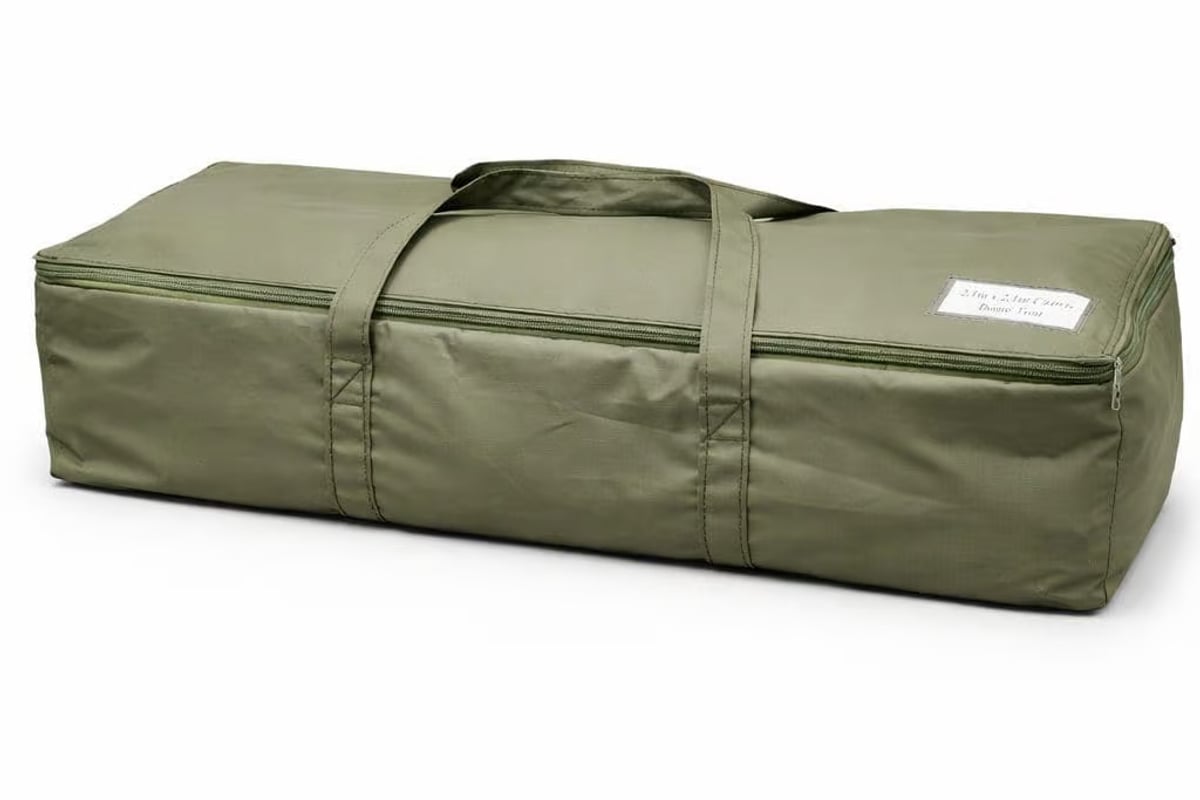
Heavy duty canvas tents for camping weigh significantly more than synthetic alternatives. A quality 4-person canvas tent typically weighs 25-40kg, while larger family models can exceed 70kg packed.
Consider transportation methods:
Beyond recreational camping, heavy duty canvas tents serve numerous professional and specialized applications where durability and reliability prove essential.
Hunters appreciate canvas tents for their quiet operation during entry and exit, unlike synthetic materials that rustle with every movement. The natural colors blend into wilderness environments while providing superior scent control compared to chemical-laden synthetic fabrics.
Extended expedition use demands features like:
Wall tent designs particularly suit hunting camps, offering vertical walls that accommodate cots, stoves, and gear organization systems.
Heavy duty canvas tents for camping also serve commercial purposes. Safari operations, outdoor education programs, and event companies rely on canvas shelters for their professional appearance and weather resistance.
Commercial applications require additional considerations:
Some canvas tents serve as seasonal or year-round accommodations. These installations require enhanced foundations, additional guy lines, and comprehensive weatherproofing for continuous exposure.
Platform mounting elevates tents above ground moisture while providing level surfaces on uneven terrain. Wooden decks or metal frames create stable bases that extend tent lifespan considerably.
Investment in heavy duty canvas tents for camping represents a significant financial commitment, with quality models ranging from modest to premium pricing based on size, features, and construction quality.
| Price Category | Typical Range (ZAR) | Expected Features | Lifespan |
|---|---|---|---|
| Entry Level | 8,000-15,000 | Basic canvas, simple frame, limited features | 3-5 years |
| Mid-Range | 15,000-30,000 | Quality canvas, reliable frame, good features | 7-10 years |
| Premium | 30,000-60,000 | Heavy-duty construction, advanced features | 15-20 years |
| Professional | 60,000+ | Commercial-grade materials, custom options | 20+ years |
Lower-priced options often compromise on canvas quality, frame materials, or manufacturing precision. While functional for occasional use, these tents rarely justify their cost compared to slightly more expensive mid-range alternatives offering significantly better durability.
Calculate true cost by dividing purchase price by expected camping nights over the tent's lifespan. A 25,000 ZAR tent used 30 nights annually for 10 years costs approximately 83 ZAR per night-far less than most accommodation alternatives while providing superior outdoor experiences.
Resale value further enhances canvas tent economics. Well-maintained quality tents retain 40-60% of original value, while synthetic tents typically depreciate to near-zero within five years.
Reputable manufacturers back heavy duty canvas tents for camping with comprehensive warranties covering:
Professional tent manufacturers provide repair services, replacement parts, and technical support throughout ownership, adding significant value beyond the initial purchase.
Heavy duty canvas tents for camping offer environmental advantages over synthetic alternatives, particularly when considering full product lifecycles and long-term impacts.
Cotton canvas derives from renewable plant sources, biodegrading naturally at end-of-life unlike petroleum-based synthetic materials. Polycotton blends balance performance with environmental impact, typically containing 35-40% synthetic content for enhanced durability while maintaining majority natural fiber composition.
Production impacts vary significantly:
The 15-25 year lifespan typical of quality canvas tents dramatically reduces waste compared to synthetic alternatives requiring replacement every 3-7 years. One quality canvas tent prevents 3-5 synthetic tents from entering landfills over equivalent timeframes.
Repairability further enhances sustainability. Canvas readily accepts patches and repairs, while synthetic materials often fail catastrophically, rendering entire tents unusable from single-point failures.
At end-of-life, cotton canvas decomposes naturally or can be repurposed for numerous applications including:
Metal frame components recycle readily through standard metal recycling streams, preventing waste while recovering valuable materials for reuse.
Understanding how heavy duty canvas tents for camping compare to synthetic options helps campers make informed decisions aligned with their specific needs and priorities.
Breathability: Canvas significantly outperforms synthetic materials, reducing condensation and maintaining comfortable humidity levels. Synthetic tents require more aggressive ventilation strategies to achieve comparable interior conditions.
Durability: Quality canvas withstands abrasion, UV exposure, and repeated flexing better than most synthetic fabrics. However, synthetic materials generally resist specific damage types like punctures more effectively than canvas.
Weather resistance: Properly treated canvas provides superior rain protection once wetted and swollen. Synthetic materials offer more immediate water resistance but often develop leaks at seams and coatings over time.
Synthetic tents weigh 50-70% less than comparable canvas models, making them superior for backpacking and human-powered travel. For vehicle-based camping, canvas weight becomes negligible while durability advantages prove significant.
Pack size similarly favors synthetic options. Canvas requires larger storage volumes even when compressed, influencing transportation and storage requirements.
Canvas's thermal mass moderates temperature fluctuations, creating more stable interior environments. Synthetic tents heat and cool rapidly with ambient conditions, requiring more active management for comfort.
Cold weather performance particularly favors canvas, which maintains warmth better while supporting wood stove installation for active heating in extreme conditions.
Heavy duty canvas tents for camping deliver unmatched durability, comfort, and longevity when you invest in quality construction and maintain your shelter properly. These robust shelters transform camping from a weatherproofing challenge into a genuine outdoor living experience that extends your season and expands your possibilities. Whether you're planning weekend family getaways or extended bush expeditions across South Africa's diverse landscapes, Ejenti Outdoor manufactures premium canvas tents engineered specifically for African conditions, combining traditional craftsmanship with modern materials to create shelters that protect your adventures for decades to come.