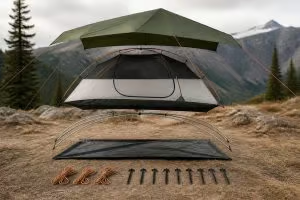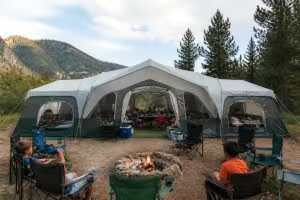

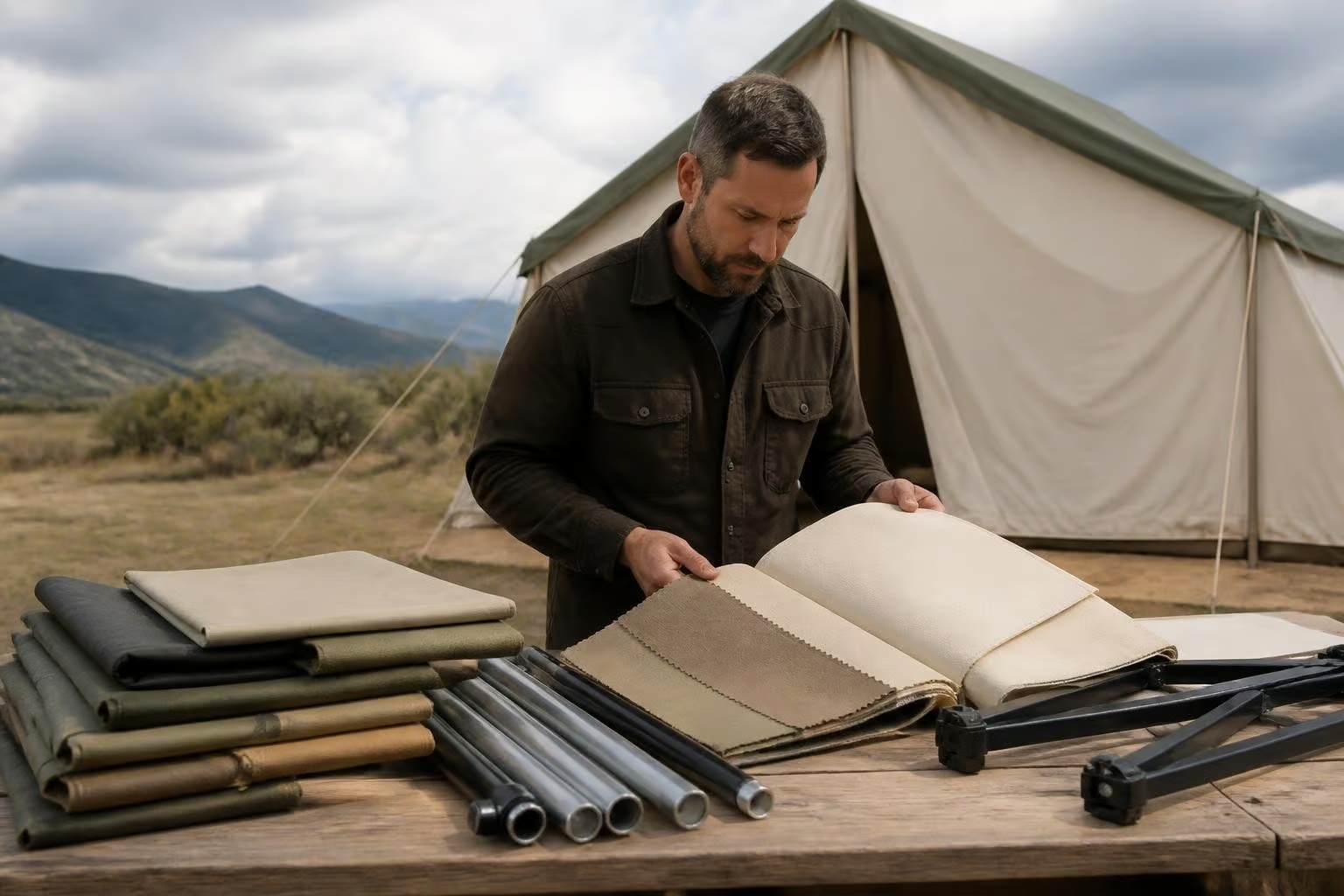
Finding the right shelter for extended outdoor adventures requires understanding what separates basic camping equipment from professional-grade solutions. When searching for heavy duty canvas tents for sale, you're investing in a product designed to withstand harsh weather conditions, provide long-term reliability, and offer superior comfort compared to synthetic alternatives. This comprehensive guide explores the critical factors that determine canvas tent quality, helping you make an informed purchase decision that aligns with your outdoor needs and budget.
Canvas tent construction involves multiple layers of engineering that directly impact performance and longevity. The foundation of any quality canvas tent begins with the fabric itself, measured in grams per square meter (GSM). Heavy duty options typically range from 300 GSM to 550 GSM, with higher weights offering increased durability and weather resistance.
The relationship between fabric weight and tent performance follows a logical progression that affects everything from portability to weather resistance. Lighter canvas tents in the 280-300 GSM range offer adequate protection for seasonal use and moderate weather conditions. Mid-weight options between 350-400 GSM provide excellent all-around performance for most camping scenarios.
Heavy duty canvas tents for sale in the 400+ GSM category deliver maximum durability for extended expeditions, permanent installations, or commercial applications. These tents resist tearing, withstand high winds, and maintain structural integrity over years of use.
| Fabric Weight | Best Use Case | Durability Rating | Portability |
|---|---|---|---|
| 280-300 GSM | Weekend camping, mild weather | Good | Excellent |
| 350-400 GSM | Extended trips, variable weather | Very Good | Good |
| 400-500 GSM | Permanent camps, harsh conditions | Excellent | Moderate |
| 500+ GSM | Commercial, extreme environments | Outstanding | Limited |
Canvas weave pattern significantly influences tent performance characteristics. Plain weave creates a balanced, uniform fabric suitable for general applications. Twill weave offers enhanced durability and a softer hand feel, making it popular for premium tents. Ripstop weave incorporates reinforcement threads at regular intervals, preventing tears from spreading across the fabric.
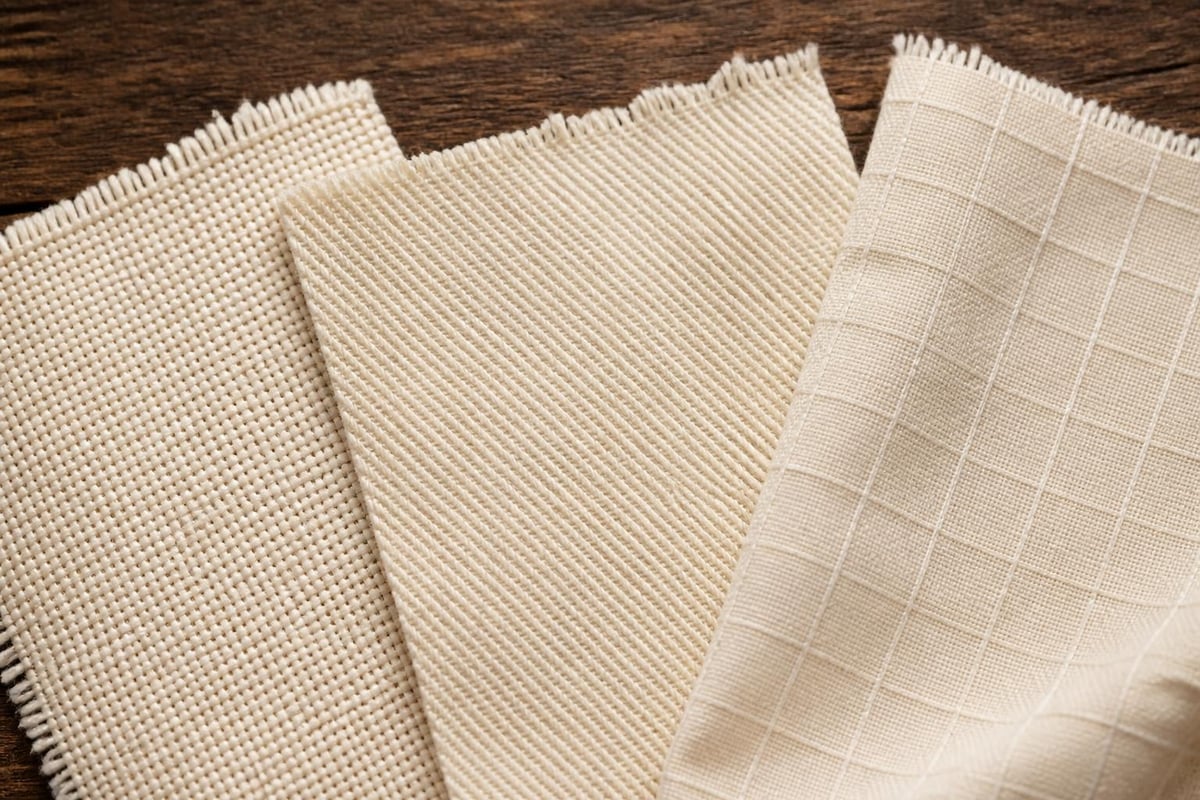
Most quality heavy duty canvas tents for sale utilize ripstop construction, which adds minimal weight while dramatically improving tear resistance. This feature proves invaluable when dealing with sharp branches, rocky terrain, or accidental damage during setup and takedown.
Weather resistance separates functional tents from exceptional shelters that perform reliably across diverse environmental conditions. Modern canvas treatments combine traditional waterproofing methods with advanced chemical applications to create multi-layer protection systems.
Canvas naturally absorbs moisture initially, then swells to create a tight, water-resistant barrier. Manufacturers enhance this natural property through various treatments:
When evaluating heavy duty canvas tents for sale, verify the waterproofing method and expected treatment lifespan. Premium tents often feature factory treatments that last several years before requiring reapplication. According to detailed selection criteria, understanding treatment types helps predict long-term maintenance requirements.
Canvas excels at managing internal humidity compared to synthetic alternatives. The natural fibers allow moisture vapor to escape while blocking liquid water, reducing condensation buildup during temperature fluctuations. This breathability creates a more comfortable interior environment, especially during extended stays.
Quality tents incorporate additional ventilation features:
The support structure determines how effectively a canvas tent maintains its shape under wind load, snow accumulation, and daily use. Frame systems vary significantly across different tent styles and price points.
Material selection for tent frames involves balancing strength, weight, and cost considerations. Steel frames provide maximum stability and longevity, particularly in galvanized or powder-coated finishes that resist corrosion. These frames excel in permanent or semi-permanent installations where transportation isn't a primary concern.
Aluminum frames offer substantial weight savings while maintaining adequate strength for most applications. Modern aluminum alloys resist corrosion naturally and provide excellent performance-to-weight ratios. Premium aluminum frames incorporate larger diameter poles and reinforced joints for enhanced rigidity.
| Frame Material | Weight | Strength | Corrosion Resistance | Cost |
|---|---|---|---|---|
| Galvanized Steel | Heavy | Excellent | Very Good | Moderate |
| Powder-Coated Steel | Heavy | Excellent | Excellent | Higher |
| Standard Aluminum | Light | Good | Excellent | Moderate |
| Reinforced Aluminum | Moderate | Very Good | Excellent | Higher |
Tent geometry directly affects wind performance and interior space efficiency. A-frame designs create simple, reliable structures with excellent wind shedding characteristics. Wall tents maximize vertical interior space, providing standing room and furniture accommodation. Dome configurations distribute wind load evenly across the structure, offering superior stability in exposed locations.
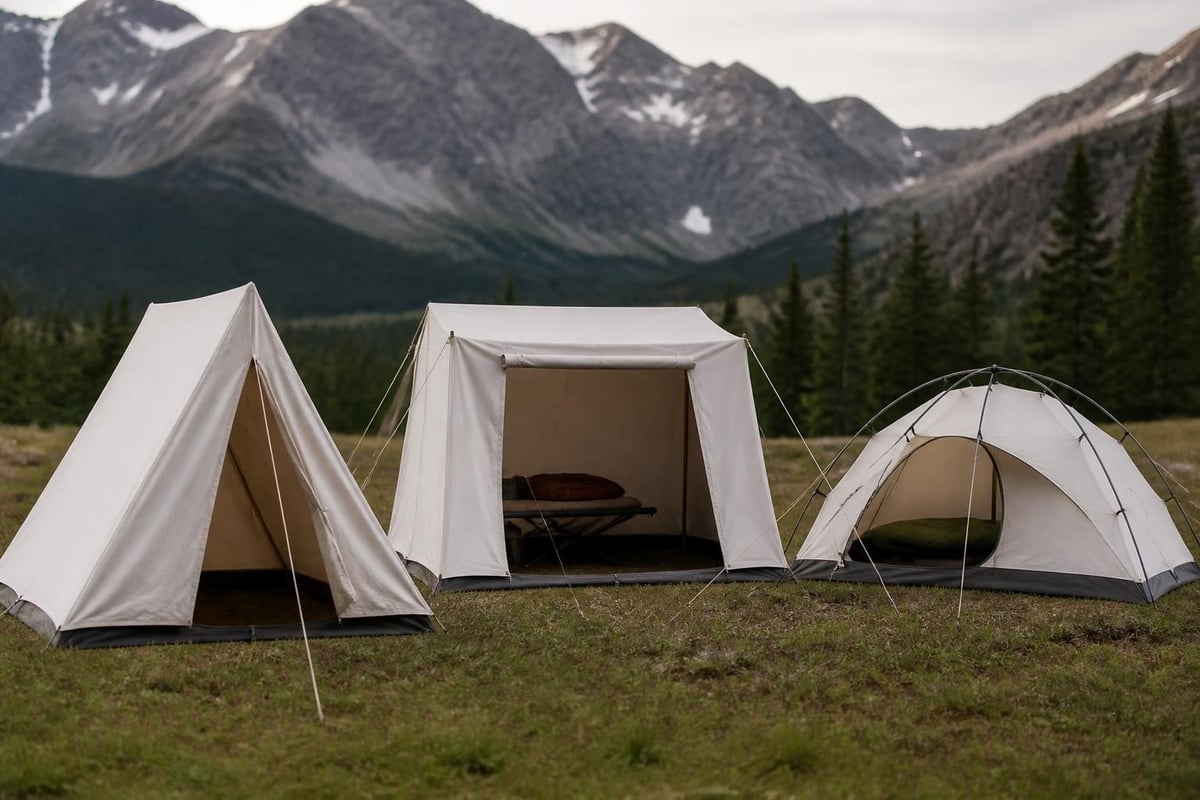
When examining heavy duty canvas tents for sale, evaluate pole diameter, joint construction, and attachment methods. Larger diameter poles resist bending under load, while reinforced joints prevent failure at stress concentration points.
Selecting appropriate tent dimensions requires analyzing both occupancy needs and intended use patterns. Manufacturers specify capacity ratings based on sleeping space alone, but practical considerations extend beyond simple headcount calculations.
A tent rated for four people typically accommodates four sleeping bags positioned side-by-side with minimal clearance. This configuration leaves no room for gear storage, changing space, or comfortable movement. Experienced campers recommend adding 50-100% capacity buffer for extended trips or group comfort.
Space allocation guidelines:
Standing height dramatically improves livability during poor weather or extended stays. Wall tents with 1.8-2.2 meter peak heights allow most adults to stand upright throughout much of the interior. This feature transforms a tent from mere sleeping shelter into functional living space.
Consider how you'll use your tent beyond sleeping. Will you need space for a table and chairs? Do you plan to install a wood stove? Will gear storage occur inside or in a separate vestibule? These questions guide appropriate size selection when evaluating heavy duty canvas tents for sale.
Premium canvas tents distinguish themselves through thoughtful design details that enhance functionality and extend product lifespan. These features often justify higher initial costs through improved user experience and reduced long-term maintenance.
Canvas tent floors range from sewn-in bathtub-style designs to removable options that allow separate ground protection. Sewn-in floors provide maximum weather protection and insect exclusion, creating a sealed environment. This construction proves ideal for wet environments or areas with heavy insect pressure.
Removable floors or no-floor designs offer flexibility for different applications. You can install custom flooring, use the tent on existing platforms, or implement different ground protection strategies based on conditions. Many serious campers prefer this approach for its versatility and easier cleaning.
For securing canvas tents properly, quality hardware makes a significant difference in setup efficiency and holding power. Quick-release buckles provide tool-free adjustment for guy lines and strap systems, speeding setup and allowing easy tension modifications as conditions change.
Access point design affects ventilation, security, and convenience during daily use. Multiple door configurations accommodate different camping scenarios, from solo backpacking to family base camps.
Common door types include:
Window placement and size influence both interior lighting and ventilation effectiveness. Larger windows with quality mesh screens allow maximum airflow while excluding insects. Storm flaps over windows provide weather protection without sacrificing ventilation options.
The origin and processing of canvas materials significantly impact final product performance and environmental footprint. Understanding these factors helps evaluate true value when comparing heavy duty canvas tents for sale across different manufacturers.
Pure cotton canvas offers traditional appeal, excellent breathability, and natural aesthetics that many outdoor enthusiasts prefer. This material develops character over time, creating a connection between user and equipment that synthetic alternatives rarely achieve. Cotton requires more careful maintenance and proper drying to prevent mold growth.
Polycotton blends incorporate synthetic fibers (typically polyester) into cotton base fabric, creating hybrid materials that balance natural properties with modern performance enhancements. Common blend ratios include 65/35 and 70/30 cotton-to-polyester compositions.
Polycotton advantages:
The long-term value of heavy canvas fabric justifies initial cost through extended service life and superior comfort compared to synthetic alternatives.
Canvas tent pricing reflects material quality, construction methods, and included features. Understanding cost structures helps identify genuine value versus marketing-driven premium pricing.
Budget-friendly canvas tents typically utilize lighter weight fabrics (280-320 GSM), simpler frame systems, and fewer premium features. These tents serve weekend campers well and provide adequate performance for seasonal use in moderate climates. Expect basic waterproofing treatments, standard aluminum frames, and simplified ventilation systems.
Quality control at this price point varies significantly between manufacturers. Some brands deliver excellent value through efficient production and minimal marketing overhead. Others cut corners on critical components like zippers, seams, and pole joints that determine long-term reliability.
This category represents the sweet spot for serious recreational campers seeking heavy duty canvas tents for sale that balance performance and affordability. Expect 350-450 GSM fabrics, reinforced construction at stress points, and improved weatherproofing treatments.
Mid-range tents typically include:
Top-tier canvas tents feature maximum fabric weights (450+ GSM), commercial-grade frames, and extensive customization options. These tents target extended expeditions, permanent installations, or commercial applications where reliability is non-negotiable.
Premium features often include custom sizing, specialized fabrics for extreme conditions, integrated wood stove systems, and manufacturer warranties extending 5-10 years. The performance evaluation of established brands demonstrates how premium construction justifies higher costs through exceptional durability and user satisfaction.
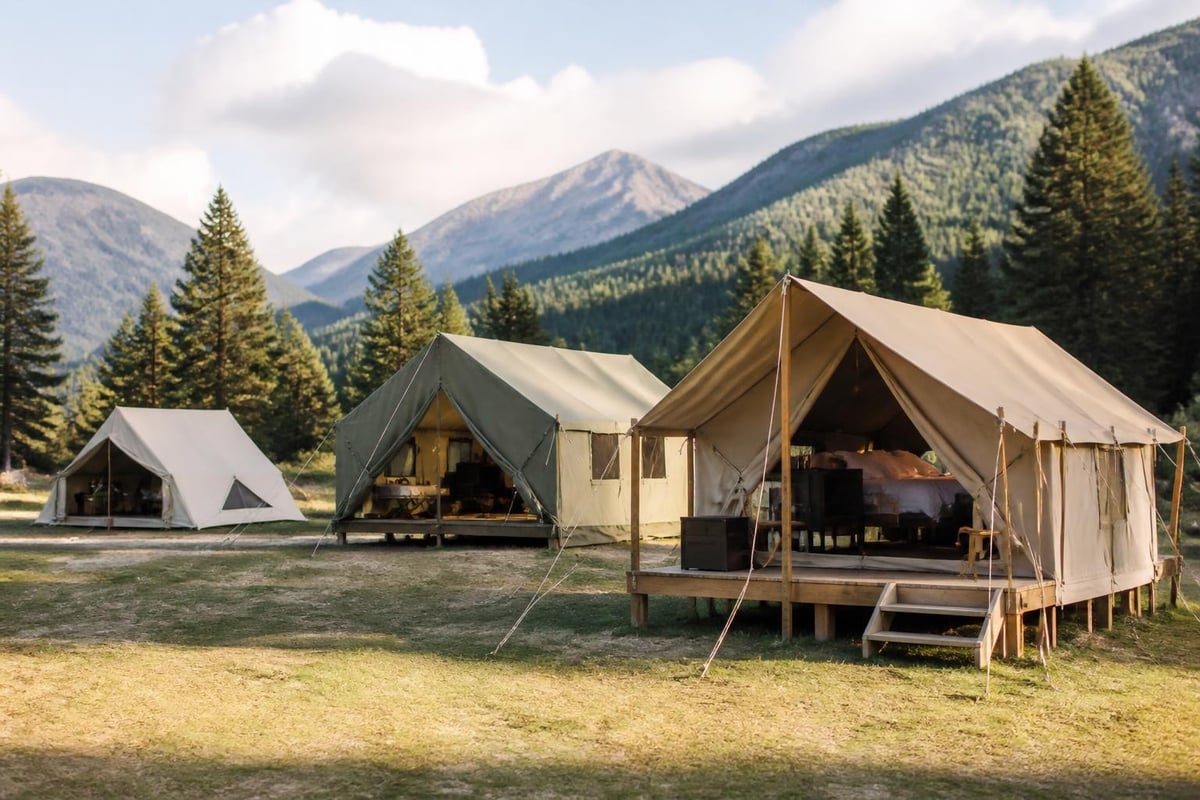
Even experienced outdoor enthusiasts make preventable errors when selecting canvas shelters. Learning from common mistakes saves money and prevents disappointment with tent performance.
Canvas tents require more involved setup procedures compared to modern backpacking tents. Heavy frames, substantial fabric weight, and guy line systems demand two or more people for efficient installation. First-time canvas tent owners often underestimate the learning curve and physical effort required.
Before purchasing, research setup procedures for your specific tent model. Watch manufacturer videos and user demonstrations to understand the process realistically. Consider whether your typical camping partners can assist with setup, or if you'll frequently camp solo and need a more manageable design.
A tent optimized for dry, hot environments performs poorly in wet, cool regions without appropriate modifications. Canvas excels in specific conditions but requires thoughtful selection based on your primary camping locations.
As outlined in common canvas tent purchasing mistakes, matching tent specifications to local climate conditions prevents frustration and ensures reliable performance across seasons.
Heavy duty canvas tents for sale often weigh 20-50 kilograms or more, creating transportation and storage challenges. Verify that your vehicle can accommodate packed dimensions and weight. Consider storage space requirements during off-season months, as canvas tents must be stored completely dry to prevent mold growth.
Pack size matters for mobile camping lifestyles. Some designs compress more efficiently than others despite similar deployed dimensions. Request packed specifications before purchasing if space constraints affect your camping style.
Proper care extends canvas tent lifespan from years to decades, protecting your investment and ensuring reliable performance across countless adventures.
Regular cleaning prevents dirt accumulation that degrades fabric fibers and waterproofing treatments. Brush off loose dirt after each trip, and perform thorough cleaning annually or after extended use.
Recommended cleaning process:
Avoid harsh detergents, pressure washers, or machine washing, as these damage fabric integrity and strip protective treatments.
Canvas must be stored completely dry in a climate-controlled environment. Even minimal moisture creates mold growth that permanently stains fabric and generates unpleasant odors. After your final camping trip each season, set up the tent in your yard or garage until every surface reaches bone-dry status.
Store in breathable bags rather than airtight containers. This allows any residual moisture to escape rather than concentrating inside sealed storage. Keep stored tents away from rodents, as they readily chew through canvas for nesting material.
Quality canvas tents adapt to various seasonal conditions through strategic modifications and accessory additions. Understanding these adaptations expands your camping season and maximizes equipment utility.
Converting three-season canvas tents for winter use involves several straightforward modifications. Installing a wood stove transforms any tent into warm, comfortable winter shelter. Most canvas tents accommodate stove pipe through either dedicated chimney ports or carefully positioned roof penetrations with proper heat shielding.
Winter camping enhancements:
For detailed guidance on seasonal adaptations, the comprehensive 2026 canvas tent guide covers winterization strategies and summer cooling techniques.
Canvas excels in hot climates when properly configured for maximum ventilation. Open all windows and doors to create cross-breezes that moderate interior temperatures. Position the tent to catch prevailing winds while maintaining shade from harsh sun exposure.
Consider fly configurations that create air gaps between roof and primary fabric. This spacing allows hot air to escape before heating the main tent body. Some manufacturers offer specialized hot-weather flies designed specifically for this purpose.
Buying channels significantly affect available selection, pricing, and customer support. Each option presents distinct advantages depending on your priorities and purchasing timeline.
Purchasing directly from tent manufacturers often provides the best pricing, customization options, and warranty support. You'll work with staff who understand product specifications thoroughly and can recommend appropriate configurations for your needs. Many manufacturers offer custom sizing or special features unavailable through retail channels.
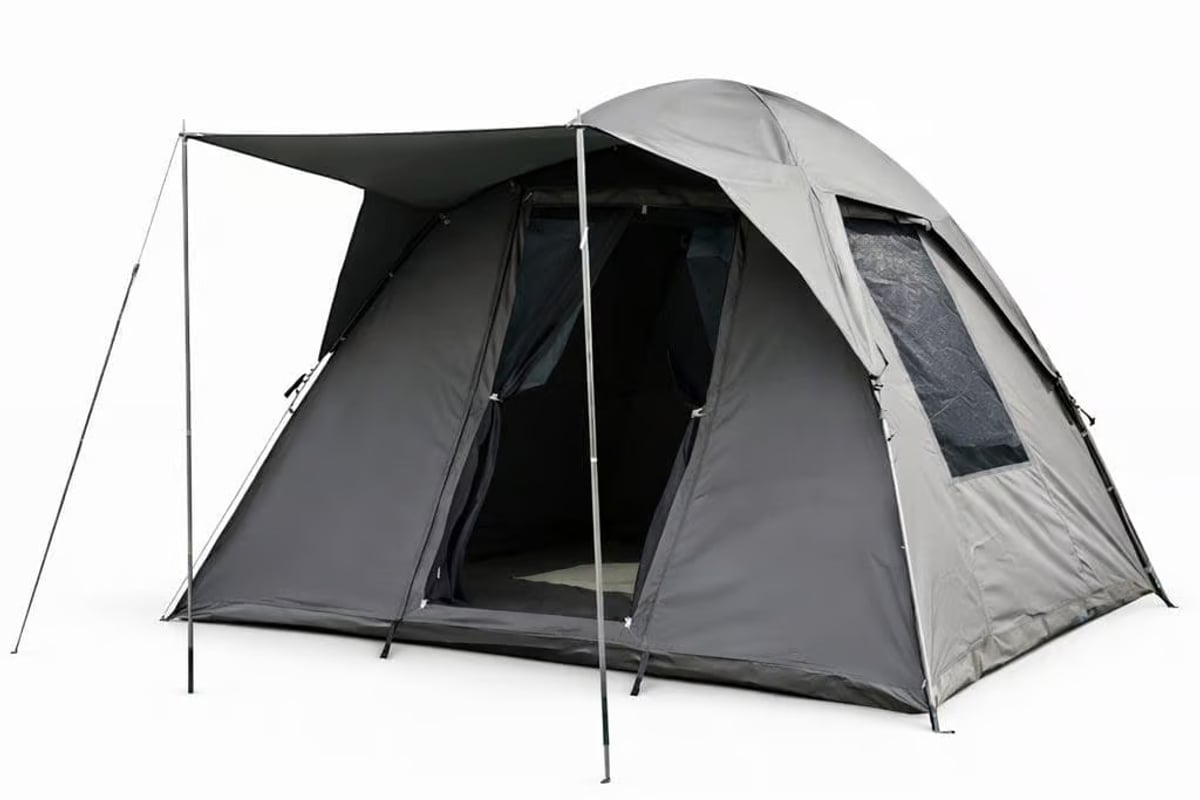
For South African outdoor enthusiasts seeking locally manufactured heavy duty canvas tents for sale, Ejenti Outdoor specializes in durable canvas tents built specifically for African conditions. Their Premium Heavy-Duty Canvas Dome Tent combines 300+ GSM ripstop canvas with galvanized steel frames, engineered to withstand harsh sun exposure, heavy rains, and challenging terrain common across Southern Africa.
Established outdoor retailers provide the advantage of physically examining tents before purchase. You can assess fabric quality, inspect stitching, and test zippers and other hardware. Knowledgeable staff at specialty retailers often have personal experience with products they sell, offering valuable real-world insights.
Digital platforms expand available selection dramatically but require more careful vetting of sellers and products. Research manufacturer reputations thoroughly, read detailed customer reviews, and verify return policies before committing to significant purchases.
When shopping online for heavy duty canvas tents for sale, prioritize sellers offering detailed specifications, multiple product images, and responsive customer service. The essential buying guide factors help navigate online purchases successfully by highlighting critical evaluation criteria.
Manufacturer backing provides peace of mind and practical protection for significant tent investments. Strong warranties indicate manufacturer confidence in product quality and durability.
Canvas tent warranties typically cover manufacturing defects, material failures, and construction issues. Standard coverage ranges from 1-3 years for budget options up to 10+ years for premium manufacturers. Read warranty terms carefully to understand what's covered and excluded.
Common warranty exclusions include:
Quality manufacturers provide ongoing support through replacement parts availability, repair services, and technical assistance. Before purchasing, verify that you can easily obtain replacement poles, stakes, zippers, or other components that may need eventual replacement.
Customer service responsiveness matters significantly when issues arise. Research manufacturer reputation for handling warranty claims and supporting customers beyond the initial sale. Strong after-sale support transforms good products into excellent long-term investments.
Standard tent configurations suit most camping needs, but specific applications benefit from custom modifications. Understanding available customization options helps create ideal shelter solutions for unique requirements.
Many canvas tent manufacturers offer custom sizing for customers needing non-standard dimensions. This flexibility accommodates specific site constraints, unusual occupancy requirements, or specialized applications like mobile workshops or field kitchens.
Layout customization extends beyond simple size adjustments. Add internal room dividers, position doors and windows strategically, or specify floor configurations that match your intended use. Custom layouts typically add 10-30% to base tent costs but deliver perfectly tailored solutions.
Advanced users often request specialized features that enhance tent functionality for specific applications:
According to comprehensive buying considerations, understanding your specific needs before ordering custom features ensures you receive maximum value from personalized modifications.
Canvas tents offer environmental advantages over synthetic alternatives through natural materials, extended lifespans, and end-of-life considerations. These factors increasingly influence purchasing decisions for environmentally conscious outdoor enthusiasts.
Cotton production involves significant water and agricultural resource consumption, creating environmental impacts that vary based on farming practices. Organic cotton certification indicates reduced pesticide use and more sustainable farming methods, though certified options command premium pricing.
Polycotton blends reduce total cotton consumption while maintaining canvas benefits. The synthetic component typically consists of recycled polyester in environmentally focused brands, further reducing resource extraction.
The most impactful sustainability decision involves purchasing quality equipment that lasts decades rather than replacing cheaper alternatives every few years. Heavy duty canvas tents for sale in the premium category typically outlast 5-10 synthetic tents, dramatically reducing total environmental impact across the product lifecycle.
Proper maintenance extends this advantage further. A well-maintained canvas tent can serve multiple generations of campers, creating a legacy product that justifies higher initial investment through exceptional longevity.
Selecting the right heavy duty canvas tent requires balancing multiple factors including fabric weight, frame construction, size requirements, and budget constraints. By understanding these critical elements and avoiding common purchasing mistakes, you'll invest in reliable shelter that enhances outdoor experiences for years to come. Whether you're planning weekend getaways or extended expeditions, Ejenti Outdoor offers locally manufactured canvas tents engineered for South African conditions, combining traditional canvas benefits with modern performance features designed specifically for the challenging African climate.